
10 Powerful Ways to Beat Menopause Weight Gain Naturally

Weight gain during menopause rarely happens in isolation. Hormones, sleep, stress, cravings, digestion, metabolism, and nervous system changes often overlap during this transition. If you want to understand how these symptoms connect more broadly, you can continue with our comprehensive menopause symptoms guide.
Table of Contents
Menopause is often accompanied by an unwelcome companion: weight gain. This shift in body composition can feel frustrating, confusing, and emotionally draining. Many women find themselves gaining belly fat despite no major changes in their lifestyle.
If that sounds familiar, you’re not alone. The good news? Understanding the science behind menopause and weight gain empowers you to take meaningful action.
This in-depth guide delivers real hope and practical strategies. We’ll explore the hormonal, physical, emotional, and psychological reasons behind weight gain and give you realistic tools to regain control over your health.
What Is It about Weight Gain During Menopause?

Even women who’ve been slim their entire lives often find themselves struggling with unexpected weight gain during menopause. It can feel baffling, – your diet hasn’t changed much, you’re staying active, yet the pounds seem to creep on and stubbornly stay put.
This is a common experience, and you’re not alone. Many women face this frustrating shift in midlife as their hormones fluctuate and metabolism slows. But understanding why weight gain happens is the first step to taking back control.
In this section, we’ll break down the real reasons behind menopause weight gain, including the role of estrogen, stress, and age-related muscle loss, and most importantly, what you can do about it.
Health Risks of Menopause Weight Gain

Menopause weight gain, particularly the accumulation of extra fat around your midsection, can have significant health implications. The weight gain often starts with the onset of perimenopause, and excess weight elevates your risk for several serious conditions, including:
- Breathing problems: Such as sleep apnea.
- Cardiovascular disease: Affecting the heart and blood vessels.
- Type 2 diabetes.
Additionally, excess weight increases your susceptibility to certain types of cancer, specifically breast, colon, and endometrial cancers. Abdominal fat is particularly active from a metabolic perspective, releasing inflammatory substances that can influence hormone balance, insulin sensitivity, and long-term disease risk.
Metabolic changes and excess weight can also affect liver health. Recent research has explored whether regular coffee consumption may be associated with a lower risk of serious liver disease. Understanding these menopause health risks underscores the importance of managing weight during this life stage.
Estrogen and Weight Gain

Hormonal changes are at the heart of menopause-related weight gain. As estrogen levels drop, the body begins to respond differently to food, exercise, and stress.
Estrogen helps regulate not just reproduction, but also metabolism and fat storage. When levels decrease, fat tends to shift toward the abdomen instead of the hips and thighs. This abdominal fat isn’t just frustrating, it’s also linked to an increased risk of heart disease and type 2 diabetes.
Weight Gain and Decline of Muscle Mass

Another key factor is age-related muscle loss. Starting in your 30s, and accelerating around menopause, women can lose approximately 3–8% of muscle mass per decade. This natural process, called sarcopenia, slows the metabolism significantly and can lead to weight gain.
Similar changes can also occur in men as they age. During andropause, hormonal changes may contribute to a gradual loss of muscle mass, increased abdominal fat, and a slower metabolism.
Since muscle tissue burns more calories at rest than fat tissue, losing muscle means your body burns fewer calories overall, even when you’re doing the same activities and eating the same foods. Over time, this metabolic slowdown contributes to gradual but persistent weight gain.
Some women also notice unexpected body changes beyond the number on the scale, including changes in foot shape or shoe size. Shifts in connective tissue support, inflammation, muscle loss, and fat distribution can all affect the feet over time. You can learn more in our guide on why feet can seem to get bigger with age during menopause.
The Impact of Sleep on Weight Gain

Are you having problems falling asleep or waking up several times? Sleep disturbances are another powerful trigger for weight changes. Many women notice that their sleep quality worsens during menopause.
Night sweats, hot flashes, frequent toilet visits, and anxiety-related insomnia often prevent restful sleep. Thoughts circling endlessly in your mind can keep you awake, while waking multiple times to urinate fragments your sleep cycle.
Poor sleep disrupts hunger-regulating hormones such as ghrelin and leptin. When leptin (which signals fullness) drops, and ghrelin (which triggers hunger) rises, cravings, especially for sugary, high-carb foods, can increase. Additionally, lack of rest impacts insulin sensitivity and elevates cortisol, a stress hormone that encourages belly fat storage.
Menopause and Nighttime Bathroom Trips

As estrogen levels fall, changes in the urinary tract, like increased sensitivity and urgency, can make nighttime awakenings more frequent. To help reduce nighttime toilet trips, try to stop drinking water or other fluids about 1.5 to 2 hours before bedtime.
This small adjustment can significantly improve sleep quality. Also, menopause can weaken the tissues of the urinary tract, making bladder control more difficult.
Create a Cool, Comfortable Sleep Environment
Additionally, using cooling pillows and natural, breathable bedding such as cotton or bamboo sheets can help regulate body temperature and reduce the intensity of night sweats. Keeping the bedroom well-ventilated or using a fan can further enhance comfort and promote deeper sleep.
Stress and Cortisol
Cortisol plays a significant role here. Women navigating menopause often face life stressors such as career changes, caregiving responsibilities, health concerns, the inability to lose weight, brain fog, and a lack of good quality sleep.
When you’re under constant stress, your body goes into “fight or flight” mode. This ancient survival response triggers the release of cortisol, a hormone that prepares your body to react quickly to danger. However, in modern life, ongoing stress, keeps cortisol levels elevated for long periods.
High cortisol slows down your metabolism because your body tries to conserve energy in case of a perceived emergency. This hormonal imbalance can make weight gain much easier, especially around your midsection.
Studies have shown that chronic stress is strongly linked to abdominal fat storage and insulin resistance, both of which make weight loss during menopause even more difficult. Managing stress isn’t just good for your mental health, it’s essential for balancing your metabolism and reducing menopause belly fat.
Weight Gain and Menopause Cravings

Another factor often overlooked is the sudden onset of food cravings, similar to those during pregnancy. Even women who never experienced cravings before may find themselves yearning for sugary, salty, or carb-heavy comfort foods during menopause.
Hormonal fluctuations, especially drops in estrogen, disrupt the balance of appetite-regulating hormones such as ghrelin and leptin. Poor sleep, heightened stress, and changes in serotonin and dopamine levels can also trigger cravings.
These brain chemicals influence mood and reward pathways, and when they are out of balance, food can feel like a source of emotional relief. Chronic anxiety may also influence cortisol levels, cravings, and emotional eating patterns, making menopause anxiety an important piece of the weight gain puzzle.
Thankfully, cravings can be managed quite easily by outsmarting your brain. Some women also explore targeted plant compounds like berberine to help support healthy insulin sensitivity and a steadier blood sugar response.
Simple Tricks to Overcome Cravings
One simple tip is to drink a glass of water when a craving strikes because sometimes your body confuses thirst with hunger. If you struggle to drink enough water, trick your brain by counting ten full swallows. This gives your brain a goal and turns hydration into a mini habit.
Another method is tapping (Emotional Freedom Technique), which uses gentle fingertip tapping on acupressure points while focusing on the craving. Many women find this reduces the emotional intensity behind the craving and brings a sense of calm.
Is Menopausal Weight Gain Inevitable?
Absolutely not. It may feel discouraging, but this phase of life is also an opportunity to tune into your body’s changing needs. You are not doomed to gain weight during menopause. What’s needed is a shift in habits, self-awareness, and mindset.
This is not about rigid diets or punishing workouts. Instead, it’s about creating sustainable, enjoyable changes that support your body and mind.
Smart Lifestyle Strategies to Combat Menopausal Weight Gain

Let’s dive into the heart of change, your daily routine. These lifestyle strategies don’t just work; they’re designed to feel good and be doable for real women with busy lives.
Before we begin, it helps to understand one important truth: menopause weight gain is rarely caused by just one factor. Hormones, sleep, muscle mass, stress, digestion, and blood sugar regulation all interact with each other.
What many women don’t realize is that these changes are also closely tied to how your nervous system responds to stress, recovery, and metabolic signals during midlife. When you support several of these systems at once, your metabolism often responds more quickly and naturally than when you focus on dieting alone.
Strength Training to Combat Weight Gain
Start with strength training. Scientifically, resistance-based workouts are your secret weapon. They help preserve and build lean muscle mass, which is essential for keeping your metabolism active. You don’t need to become a bodybuilder!
Simple routines using dumbbells, resistance bands, or your own body weight two to three times per week can make a noticeable difference. And you don’t need a gym or fancy equipment to get started. You can use common household items like cans, 1-liter water bottles, or even a backpack filled with books.
If finding time to exercise is one of your biggest challenges, encouraging new research suggests that completing the same total amount of weekly exercise in one longer session may provide similar improvements in body composition and fitness as spreading it across three shorter workouts.
TIP: Another easy trick is to set a timer on your smartphone to remind you every hour or two to do 5–10 minutes of strength training. These quick bursts add up and help keep your metabolism engaged throughout the day. Studies show that consistent strength training can reduce fat, improve insulin sensitivity, and even enhance mood.
Protein: Your Ally to Reduce Weight Gain
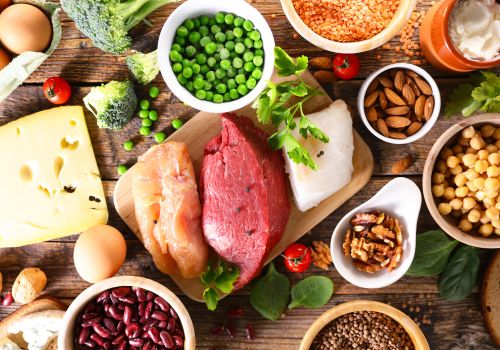
Next, focus on protein. Adequate protein intake is crucial during menopause because it supports muscle maintenance, metabolism, and satiety. Aim for about 1.0 to 1.2 grams of protein per kilogram of body weight per day, depending on your activity level and health goals. It helps keep you full, reduces cravings, and supports muscle maintenance.
Aim to include a source of high-quality protein at every meal, think eggs for breakfast, a chicken salad at lunch, or lentils in your dinner. A protein shake after a workout is another easy way to fuel your muscles. Here are some of the best natural, organic protein sources:
For Meat-Eaters:
- Free-range chicken
- Grass-fed beef
- Wild-caught fish (like salmon, mackerel, and sardines)
- Organic eggs
For Vegetarians:
- Greek yogurt
- Cottage cheese
- Eggs
- Legumes (like lentils and chickpeas)
- Quinoa
For Vegans:
- Tofu and tempeh
- Edamame
- Lentils and beans
- Nuts and seeds (especially chia, hemp, and flaxseeds)
- Nutritional yeast
Commercial Protein Products:

Protein powders and bars can be convenient, especially for women with busy lifestyles. Whey protein is highly absorbable and ideal post-workout, while plant-based powders made from peas, rice, or hemp are good vegan options.
If you prefer convenience, a clean, low-sugar protein powder can make it easier to hit your daily protein goals. Look for simple ingredients and no artificial sweeteners.
Some commercial products may contain added sugars, artificial flavors, or preservatives. Always read labels carefully and opt for clean, minimally processed options. While supplements such as fenugreek and protein powders can help support metabolism and appetite balance during menopause, they should complement, not replace a whole-food diet.
Sleep – It´s More than Beauty Sleep
Prioritizing quality sleep isn’t just a luxury; it’s a fundamental pillar of your overall well-being! When rest becomes an afterthought, every other aspect of life, from energy levels to mood and cognitive function, can feel significantly more challenging.
To truly enhance your rest, aim for 7 to 9 hours of sleep each night and cultivate a consistent, calming bedtime ritual.
Creating Your Pre-Sleep Routine
The key here is to disconnect, relax and unwind, and calm your mind! Begin winding down by switching off all electronic screens at least an hour before you plan to sleep. The blue light from devices can interfere with your body’s natural melatonin production.
Engage in soothing activities that signal to your body it’s time to rest. This could involve a warm bath, gentle stretching, or reading a physical book under soft light.
If a racing mind or anxiety is keeping you awake, consider integrating practices like journaling to release thoughts onto paper, autogenic training, or guided meditation to help quiet mental chatter.
Optimizing Your Sleep Environment

Optimize your sleep environment with this simple 4-point rule:
1. Keep it Cool, Dark and Quiet
Ensure your bedroom is a sanctuary for sleep. Keep the temperature comfortably cool, block out all light, and minimize noise.
2. Use Comfortable Bedding
Invest in breathable, natural bedding materials like bamboo or cotton to help regulate your body temperature throughout the night. Consider using cooling pillows if you tend to overheat.
3. Mind Your Fluids
To reduce nighttime bathroom visits, try to limit your fluid intake approximately 1.5 to 2 hours before bed.
4. Combat Night Sweat
If night sweats are an issue, ensure your sleeping environment is particularly cool and well-ventilated, perhaps using a fan or adjusting your thermostat.
Soothing Techniques for Deeper Rest

Try Auditory Aids:
Experiment with calming sounds. Some find gentle adult bedtime stories helpful, while others prefer meditations or Ohm chanting. Studies show that frequencies (432 Hz solfeggio frequencies, along with binaural beats in the delta and theta ranges(136.1 Hz), are associated with promoting calmness and deeper sleep. You can listen to them free on YouTube.
Transformative Breathwork:
A simple breathing exercise (4-7-8 breathing) can powerfully calm your nervous system. Another method is to choose a brief mantra or a prayer. With each slow inhale, silently repeat one word of your chosen phrase, and then release the next word as you exhale. This technique helps to quiet a racing mind and prepares your body for truly restful sleep.
Mindful Eating

Instead of focusing on restrictive dieting, which often leads to cycles of deprivation and overeating, a more sustainable and beneficial approach is to cultivate mindful eating habits to avoid weight gain.
This practice encourages you to be truly present during meals, savoring each bite, and thoughtfully tuning into your body’s authentic hunger and fullness cues. A mindful approach can naturally help prevent overeating, foster healthier digestion, and cultivate a significantly more positive and intuitive relationship with food. And it may not only be what you eat that matters. Emerging research suggests that when you eat could also play a role in brain health as you age.
Emotional eating is a common challenge, especially during periods of hormonal shifts like menopause, or when stress, fatigue, or mood swings hit. Becoming acutely aware of your personal triggers, whether it’s boredom, frustration, sadness, or anxiety, is the first powerful step.
Once you identify these triggers, you can consciously seek out non-food coping mechanisms that genuinely address your emotional needs, leading to profound and lasting positive changes in your eating patterns.
Practical Tips & Tricks for Mindful Eating

Before You Begin:
- Hydrate First: Drink a full glass of water 10-15 minutes before you start eating. Sometimes, thirst is mistaken for hunger.
- Pause and Appreciate: Take a moment before your first bite. Silently express gratitude or a prayer for the food on your plate. Truly look at your meal, appreciating its colors, textures, and aromas. This short pause shifts you from a rushed state to a more present one.
- Set the Scene: Dim the lights slightly, put away your phone, turn off the TV, and silence distractions. Make your meal a dedicated experience.
During Your Meal:
- Slow Down: Resist the urge to rush. Put your fork down between bites.
- Savor Each Bite: Be mindful and pay attention to the flavors, textures, and smells. How does the food feel in your mouth? Notice its warmth or coolness.
- The “30 Chews” Rule: Try chewing each mouthful of food significantly longer than you usually would, aiming for around 20-30 times. This aids digestion, helps you extract more flavor, and gives your brain time to register fullness.
- Check In with Your Body: Periodically ask yourself, “Am I still hungry?” or “Am I satisfied?” rather than waiting until you feel stuffed. Stop eating when you feel comfortably full, not painfully so.
- Mindful Portions: Serve yourself smaller portions to start, knowing you can always have more if you are genuinely still hungry. A simple trick is to use a smaller plate.
Post-Meal Reflection:
- Notice How You Feel: After eating, take a moment to observe your physical and emotional state. Do you feel energized, heavy, satisfied, or still wanting something? This feedback helps you learn what foods and eating habits truly serve you.
- Avoid “Clean Plate Club” Pressure: It’s okay to leave food on your plate if you’re full. Listen to your body, not external cues or old habits.
By integrating these mindful eating practices, you not only support your physical health by improving digestion and preventing overeating, but you also cultivate a deeper, more respectful connection with your body and your relationship with food. This leads to a more consistent and sustainable well-being throughout menopause and beyond.
Reduce Stress and Cultivate Calm

Stress reduction isn’t just a luxury; it’s an absolute necessity for your overall health and well-being, especially as you navigate the changes of menopause. Chronic stress doesn’t just impact your mood; it can also affect your waistline (due to elevated cortisol, the “stress hormone”), energy levels, and even testosterone production.
The Vagus Nerve: Your Body’s Built-In Stress Reset
One of the most powerful, yet often overlooked tools for weight regulation during menopause is your vagus nerve. This key part of the parasympathetic nervous system acts like a reset button for your body, promoting calm, balance, and restoration. When you stimulate the vagus nerve, it helps lower cortisol levels, improves digestion, supports healthy insulin sensitivity, and even reduces inflammation. These are all factors tied to midlife weight gain.
Simple Vagus nerve exercises can enhance vagal tone, helping your body feel safe enough to release excess fat, regulate appetite, and sleep more soundly. Many women find that when they incorporate vagus nerve stimulation into their daily routine, they feel calmer, experience fewer cravings, and make healthier choices with more ease.
Take it Step-by-Step
The good news is that powerful change doesn’t require massive overhauls. Start by building small, consistent moments of calm into your daily routine. Whether it’s a couple of minutes of breathing exercise, a quiet walk in nature, or a few gentle yoga stretches, these practices actively work to lower cortisol levels, helping your body feel safer, more rested, and more responsive to all your other healthy efforts.
Shift Your Attitude
Beyond specific techniques, cultivating mindfulness and making a conscious shift in attitude can work wonders in managing daily stressors. Our reactions to external events often dictate our stress levels more than the events themselves. For instance, consider the common frustration of dealing with other drivers on the road. Instead of letting anger flare, simply remind yourself: the other driver can’t hear what you say or feel your frustration. The only thing you’re doing is raising your own blood pressure and jeopardizing your health.
Simple Tricks to Shift your Mindset
Here are a few more examples of how a simple change in perspective can dramatically reduce stress:

Traffic Jams: Instead of seeing a traffic jam as a frustrating obstacle, view it as an unexpected opportunity. Use the time for a quick guided meditation, listen to an interesting podcast, call a friend using hands-free, or simply enjoy the quiet.

Long Lines:
Instead of fuming about the wait, take it as a chance to practice patience, observe your surroundings, do some mindful breathing exercises.
While you´re waiting, you could also get in some gentle physical or mindfulness exercises; you’re already there, so why not make the most of it?

Minor Setbacks:
Did a plan fall through, or did something not go perfectly? Instead of dwelling on what went wrong, ask yourself: “What can I learn from this?” or “Is there a different, better, path this opens up?
Reframing challenges as learning opportunities reduces their power to stress you.

Unsolicited Advice:
If someone offers unwelcome advice, don´t get defensive, simply acknowledge it (“Thanks for your input”) and calmly decide if it’s relevant to you. You don’t have to internalize or act on everything.

Messy House/Unfinished To-Do List: Instead of feeling overwhelmed, practice acceptance. Focus on one small task you can do, or decide to simply enjoy a moment of rest without guilt. Progress, not perfection, is the goal.
By consciously choosing how you perceive and react to everyday annoyances and challenges, you empower yourself to significantly reduce your stress load, fostering a greater sense of calm and control in your life.
Alcohol and Sugar
Also, rethink alcohol and sugar. These can be stealth saboteurs. Even moderate drinking can disrupt sleep and increase fat storage, while sugary snacks can spike blood sugar and leave you feeling drained. You don’t have to give them up entirely, but reducing them can have significant benefits for your energy, mood, and waistline.
Psychological Tricks to Make Change Easier
Your mindset is a powerful tool in creating long-term change. Rather than making sweeping resolutions, try starting small. Choose one habit to change and stick with it until it becomes second nature. When that feels easy, add another.
If-Then Strategy
Use “if-then” strategies to stay consistent. For instance: “If I’m feeling stressed in the evening, then I’ll take a short walk instead of reaching for a snack.” These mini-decisions reduce willpower fatigue and turn intentions into habits.
Track Yourself
Focus on more than just the number on the scale. Track your energy, sleep, strength, and how your clothes fit. Some of these functions can easily be tracked with a smartwatch. Celebrate non-scale victories like waking up refreshed or climbing stairs with ease. These wins build momentum and keep motivation high.
Support
Find support, it helps you to be accountable. Whether it’s a workout buddy, a wellness coach, or an online community, connection makes change easier. You’re more likely to stick with your goals when you feel supported and understood.
Most importantly, reframe your goals. Instead of saying, “I need to lose weight,” try, “I want to feel strong, healthy, and in control.” This shift in language moves your focus from punishment to empowerment.
Tapping (EFT)
Try tapping (EFT). This easy and simple exercise can shift mountains. Even if you feel silly at the beginning, just give it a go and try it for yourself!
What the Research Says

- The North American Menopause Society (NAMS) encourages lifestyle-based approaches, particularly exercise and dietary adjustments, as the first line of treatment for menopause-related weight gain issues.
- A Harvard Medical School study explains how declining estrogen changes fat distribution and slows metabolism.
- Research published in the Journal of the Endocrine Society connects poor sleep and cortisol to increased abdominal fat in postmenopausal women.
- Findings in Mayo Clinic Proceedings affirm the importance of resistance training and adequate protein intake to preserve muscle and support weight management.
- Emerging research from the University of Bonn, Germany also suggests that oats may support metabolic health. In one study, a short oat-based intervention reduced LDL (“bad”) cholesterol by approximately 10% in people with metabolic syndrome, highlighting the potential role of fiber-rich foods in supporting both cholesterol and blood sugar balance.
Sample Day for Menopausal Wellness
Imagine what a balanced, healthy day could look like:
Morning:
Start with a big glass of water, some light stretching, and a protein-packed breakfast like Greek yogurt with berries and nuts. This sets your metabolism in motion and keeps you full.
Midday:
A refreshing walk outside, followed by a colorful salad with lean protein and healthy fats like avocado or olive oil. Drink water with lemon or herbal tea to stay hydrated.
Afternoon:
A short strength workout using resistance bands or dumbbells, followed by a small snack like hummus with veggies or a protein smoothie.
Evening:
Enjoy a warm, nourishing dinner, perhaps grilled salmon with roasted vegetables and quinoa. Wind down with screen-free time and deep breathing or journaling.
Eat more often but smaller portions and try to eat your last meal of the day no later than 6 pm if possible. These small habits add up to big change over time.
Final Thoughts: You’ve Got This

Menopause may mark the end of one chapter, but it also begins another, one filled with potential, self-discovery, and strength. You don’t have to accept weight gain as inevitable. With understanding, support, and smart strategies, you can navigate this transition with confidence.
This is your time to tune in to your body’s needs, build new habits, and thrive, not just survive. You have the power to take control weight gain and other menopausal symptoms, one step at a time. And the best part? You don’t have to do it alone.
You are resilient, capable, and worthy of feeling good in your body. Let’s rewrite the menopause story together, one filled with vitality, balance, and empowerment.
Your Journey Matters – Let´s Talk About It
Menopause affects every woman differently, but one thing is universal: you are not alone, and your experience is valid and valuable.
Have you struggled with menopausal weight gain? Have you found something that works? We’d love to hear your story. Leave a comment below and share your personal tips, struggles, or wins. Your voice might be the encouragement another woman needs today.
And if you found this guide helpful, please share it with a friend, sister, or colleague who might benefit from understanding more about menopause, metabolism, and natural weight loss.
Together, we can turn knowledge into empowerment,and support one another through every phase of womanhood.
Your Menopause Weight Toolkit
If weight gain feels confusing or stubborn right now, these guides will help you tackle the most common root causes. Start with the area that sounds most like you:
Doing everything right but belly fat still won’t budge?
→ Understand Menopausal Insulin Resistance
Energy crashes, cravings, or feeling hungry again shortly after eating?
→ Start with our Blood Sugar & Cholesterol Balance guide
Wondering if fasting could finally restart your metabolism?
→ Learn how Intermittent Fasting during Menopause works
Looking for natural metabolic support?
→ Explore Berberine for Menopause Weight
Want a gentle everyday spice that helps cravings?
→ Try Cinnamon for Blood Sugar Support
Trying to protect muscle and boost metabolism?
→ Read Creatine for Women Over 40
Need more protein to stay full longer?
→ Check out High-Protein Foods for Menopause
Feeling bloated, heavy, or like your body just isn’t clearing things properly anymore?
→ Start with Hormone Detox & Liver Support
Considering prescription weight-loss medications?
→ Read our Complete Guide to GLP-1 Medications for Women and Men
Related Lillepin Research
P1-035 → Read the full article: AI Just Revealed a Hidden Truth About Menopause
P1-077 → Read the full article: Why Perimenopause Could Be One of the Most Important Times to Protect Your Heart
P1-097 → Read the full article: Could When You Eat Affect Your Brain Health?
P1-098 → Read the full article: Could One Workout a Week Be as Effective as Three?
P2-105 → Read the full article: Could Your Morning Coffee Help Protect Your Liver?
Frequently Asked Questions
How to lose weight fast during menopause?
Focus on strength training, clean eating, stress reduction, and quality sleep. While fast results are rare, consistent healthy habits can accelerate progress.
Does menopause weight go away?
Yes, with lifestyle changes like diet, exercise, and stress management, menopause weight can be reduced.
Why am I gaining weight so fast when I barely eat?
Hormonal changes, slowed metabolism, and loss of muscle mass can cause weight gain even with reduced calorie intake.
What is the menopause diet 5-day plan to lose weight?
While not one-size-fits-all, a sample plan includes lean protein, fiber-rich veggies, whole grains, and healthy fats. Avoid sugar and processed foods.
How long does menopause weight gain last?
It varies, but weight gain can continue throughout the transition. Proactive lifestyle changes can halt or reverse it.
Foods to avoid menopause weight gain?
Steer clear of refined sugars, processed foods, alcohol, and high-sodium snacks. These can worsen hormonal imbalance and bloat.
How to stop menopause weight gain?
Build muscle through strength training, eat protein-rich meals, manage stress, and get enough sleep.
Menopause and weight gain in the stomach—why?
Falling estrogen shifts fat storage to the abdomen and increases cortisol, which promotes belly fat.
What is the average weight gain during menopause?
Most women gain 5–10 pounds during menopause, often around the midsection.
Vitamins for menopause weight gain?
Vitamin D, magnesium, omega-3s, and B-complex vitamins can support metabolism and hormone balance.
What do doctors prescribe for menopause weight gain?
Options may include hormone replacement therapy (HRT), appetite suppressants, or medications to address insulin resistance. Important! Always consult your doctor.
What are the benefits of maintaining a healthy weight beyond menopause
Improved heart health, stronger bones, better mobility, reduced risk of diabetes, and enhanced quality of life.
What foods to avoid menopause weight gain?
Sugary drinks, processed snacks, trans fats, and alcohol—all contribute to fat gain and hormone disruption.
Can menopause affect bloating and weight gain?
Yes, hormone fluctuations can cause fluid retention, slowed digestion, and increased belly fat.
Can menopause cause bloating?
Absolutely. Lower estrogen levels can lead to digestive issues and water retention.
What foods to avoid for bloating?
If bloating is part of your weight gain picture, limit carbonated drinks, dairy (if sensitive), high-sodium foods, and artificial sweeteners.
What is the best exercise for menopause belly fat?
Strength training combined with walking, Pilates, or yoga is highly effective for reducing stubborn belly fat during menopause.
How can I reset my hormones to lose weight during menopause?
To reset your hormones, prioritize quality sleep, reduce sugar and processed food, manage stress, and consider hormone-supporting nutrients like magnesium and adaptogens.
Why is it harder to lose weight during menopause?
Decreased estrogen slows metabolism and redistributes fat to the belly area. Loss of muscle mass and stress-related cortisol spikes add to the challenge.
How many calories should a menopausal woman eat to lose weight?
It varies by age, activity level, and health, but typically 1,500–1,800 calories per day with nutrient-dense foods is a healthy starting point. Always consult a healthcare provider.
Can intermittent fasting help with menopause weight gain?
Yes, some women find success with time-restricted eating, such as 16:8 fasting. It may improve insulin sensitivity and reduce belly fat, but isn’t suitable for everyone.
What is the best protein for menopause weight loss?
Lean meats, eggs, Greek yogurt, lentils, tofu, and quality protein powders support metabolism and muscle maintenance.
Can hormone therapy help with weight gain during menopause?
Hormone Replacement Therapy (HRT) may help stabilize weight in some women by balancing estrogen levels. Talk to your doctor about risks and benefits.
Does walking help with menopause weight gain?
Absolutely. A daily brisk walk supports cardiovascular health, reduces cortisol, and burns calories—especially when combined with strength training.
How does menopause affect metabolism?
Metabolism slows by about 10% due to reduced estrogen and muscle mass. This leads to fewer calories burned at rest.
Can sleep problems cause weight gain in menopause?
Yes. Poor sleep disrupts hunger hormones (ghrelin and leptin), increases cravings, and raises cortisol levels, all of which promote fat storage.
Do supplements help with losing weight during menopausal weight gain?
Certain supplements like green tea extract, magnesium, and omega-3s may support metabolism and reduce inflammation. However, they work best alongside a balanced diet and exercise, not as a quick fix.


