Estrogen: A Guide for Women 40+

Estrogen is one of the most influential hormones in the female body, affecting everything from metabolism and brain function to skin, sleep, bones, and emotional regulation.
Estrogen doesn’t influence just one area of your body. It plays a role in everything from metabolism and mood to skin, sleep, and cognitive function. Hormonal shifts can also influence gut health during menopause, affecting digestion, inflammation balance, metabolism, and even the gut-brain connection.
That’s why changes in estrogen can show up in many different ways at once.
Because estrogen influences so many systems in the body, hormonal changes during menopause rarely affect just one symptom at a time. Sleep, metabolism, mood, skin, digestion, temperature regulation, and nervous system resilience are all closely connected during this transition.
Researchers are also examining how hormonal changes may interact with chronic low-grade inflammation, a process sometimes described as inflammaging during menopause.
Estrogen is also known as the ´Master ´ or ´Beauty hormone´. But what exactly is it? Why is it so incredibly important, and what happens when its levels start to shift, especially as we approach or enter perimenopause and menopause? Let’s dive in and demystify this powerful hormone.
Table of Contents
What Exactly Is Estrogen?

E is not just one hormone; it’s a group of steroid hormones primarily produced in your ovaries. While it’s famously known as the “female hormone,” influencing our reproductive system and development of female characteristics, its reach extends far, far beyond. Small amounts are also made by your adrenal glands and even fat cells.
The three main types of estrogen in women are:
1. Estradiol (E2):
Estradiol is the most potent and abundant estrogen during your reproductive years.
2. Estrone (E1):
Estrone becomes the primary estrogen after menopause, produced mainly in fat and muscle tissue.
3. Estriol (E3):
Estriol is highest during pregnancy.
Why is Estrogen so Important?

Think of E as a master conductor. It orchestrates countless functions throughout your entire body. Estrogen receptors (ER) are found in almost every tissue and organ, which means its influence is truly widespread. Here’s a glimpse of what it does:
– Reproductive Health:
Of course, its most famous role! E regulates your menstrual cycle, helps develop breast tissue, supports uterine health for potential pregnancy, and maintains vaginal lubrication and elasticity.
– Bone Health:
This is huge! This hormone plays a critical role in maintaining bone density by helping to slow down bone breakdown and promoting bone formation. It’s a key protector against conditions like osteoporosis, where bones become weak and brittle.
– Heart Health:
Before menopause, women generally have a lower risk of heart disease than men. Estrogen is thought to contribute to this by positively influencing cholesterol levels (increasing “good” HDL cholesterol and decreasing “bad” LDL cholesterol) and supporting healthy blood vessel function.
Estrogen also helps support healthy cholesterol levels and blood vessel function. This is one reason why some women notice changes in their cholesterol profile after menopause. Nutrition can play an important role here, and foods rich in soluble fiber, such as oats, may help support both cholesterol and metabolic health.
– Brain Function:
ERs are found throughout your brain, influencing mood, memory, and cognitive function. It plays a role in regulating neurotransmitters that affect your emotional well-being.
– Skin & Hair:
It helps maintain skin elasticity, hydration, and collagen production, contributing to that youthful glow, and also supports healthy hair growth and can influence hair thickness. As estrogen levels decline, many women notice changes in hair thickness and density.
Some women also notice unwanted facial hair after menopause, as the changing balance between estrogen and androgens affects different hair follicles in different ways. A study found that female pattern hair loss affected around one in every two postmenopausal women, highlighting how common these changes can become after menopause.
For women looking for a gentle, non-invasive way to complement their skincare routine, face yoga exercises for women over 40 may help support facial muscle tone, relaxation, and a more refreshed appearance.
– Urinary & Pelvic Health:
It keeps the tissues of the urethra and bladder healthy and elastic, helping to prevent issues like urinary urgency or incontinence.
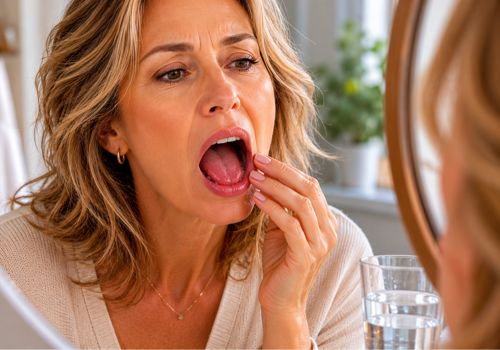
Estrogen also helps support oral health, like saliva production, gum health, and the protective tissues inside the mouth, which is one reason some women notice dry mouth, taste changes, or increased gum sensitivity during menopause.
– Mood & Emotional Balance:
Fluctuations in estrogen can significantly impact your emotional state, influencing neurotransmitters linked to mood.
Why is Estrogen called the ´Beauty Hormone´?

There is a good reason! Its profound impact on qualities associated with youthful appearance is undeniable:
1. Skin Hydration & Elasticity:
It helps your skin retain moisture and produce collagen and elastin, keeping it plump, firm, and elastic. This reduces the appearance of fine lines and wrinkles.
2. Hair Health:
It supports healthy hair growth and can contribute to thicker, shinier hair.
3. Facial Features:
It influences fat distribution in the face, contributing to a softer, more rounded, and feminine appearance during reproductive years.
When E levels decline, many women notice changes in their skin’s texture, elasticity, and hydration, which is why it’s so closely linked to how we perceive “beauty.” These connective tissue and collagen changes don’t just affect the face and skin.
Many women also notice changes in their feet during menopause, including widening, flattening arches, swelling, or shoes suddenly feeling tighter than before. Some also notice more visible veins, thinner skin, dry heels, and other signs of aging feet. You can read more about this in our guide on why feet can seem to get bigger with age during menopause, and Nobody Warned Me My Feet Would Age Like This.
What does Estrogen do for Men?

While often considered a “female hormone,” estrogen is absolutely essential for men’s health too! Men produce estrogen, primarily by converting testosterone into estrogen through an enzyme called aromatase. In men, estrogen plays vital roles in:
Bone Health:
Just like in women, estrogen helps maintain bone density and prevent osteoporosis in men.
Sexual Function:
It contributes to healthy libido (sex drive), the ability to achieve erections, and proper sperm production.
Cardiovascular Health:
It influences cholesterol levels and contributes to healthy blood vessel function, playing a role in heart health.
Brain Function:
It also impacts mood and cognitive processes in men.
Maintaining a healthy balance between estrogen and testosterone is key for optimal male health. Both too little and too much estrogen can lead to issues for men. If you’d like to learn more about age-related hormonal changes in men, see It’s Not Just Women: Men Go Through Hormonal Changes Too and What Is Andropause? A Simple Guide for Men Over 40.
Estrogen’s Rollercoaster Ride: Perimenopause & Menopause

As we approach our 40s, our bodies naturally begin to transition towards menopause. This period, known as perimenopause, can last for several years, even up to a decade, before full menopause (defined as 12 consecutive months without a period).
During perimenopause, your ovarian function starts to wind down. This doesn’t mean a steady decline in estrogen; instead, it’s often a fluctuating, unpredictable rollercoaster.
You might experience periods of very high estrogen (leading to heavy bleeding or heightened PMS-like symptoms) followed by significant dips (causing those classic menopausal symptoms).
Once you reach menopause, your ovaries largely stop producing estrogen, and your levels remain consistently low.
The Effects of Estrogen Imbalance: What You Might Experience

The widespread influence of estrogen means that its decline can lead to a variety of physical and emotional changes. Many women over 40 beginning to experience these shifts can attribute them, at least in part, to fluctuating or decreasing E levels:
What Happens When Your Estrogen is Low?

When your E levels drop, particularly during perimenopause and menopause, its widespread influence means you can experience a variety of changes throughout your body. Some of the most common signs of low estrogen include:
Hot Flashes & Night Sweats:
Perhaps the most well-known symptoms! These sudden waves of heat, often accompanied by sweating, are directly linked to your brain’s thermostat reacting to changing E levels.
Sleep Disturbances:
Difficulty falling or staying asleep, sometimes worsened by night sweats.
Mood Changes:
Increased irritability, anxiety, mood swings, or feelings of sadness. Its role in brain chemistry is a key factor here.
Vaginal Dryness:
Lower E levels can cause the vaginal tissues to thin, become drier, and lose elasticity, leading to discomfort, itching, and potentially painful intercourse. This is part of what’s now often called Genitourinary Syndrome of Menopause (GSM).
Reduced Libido
Skin & Hair Changes:
You might notice your skin becoming drier, less elastic, or seeing more fine lines and wrinkles. Many women also find it helpful to occasionally do a gentle spring skin reset after 40 by simplifying products, supporting the skin barrier, and reassessing skincare routines during menopause.
Hair can sometimes thin or become more brittle, which is why many women begin paying closer attention to what hair really needs after 50, including protein, nutrients, scalp health, and hormonal support during menopause.
Bone Density Loss:
The long-term decline in estrogen significantly increases the risk of osteoporosis, making bone health a critical consideration in menopause management. Low estrogen levels can further increase this risk, making bone health a critical consideration during menopause.
Urinary Issues:
Increased urge to urinate or discomfort, as tissues in the urinary tract thin.
Brain Fog:
Difficulty with concentration or memory lapses. Feeling a bit “fuzzy” or having trouble with word recall can be a frustrating symptom of hormonal shifts.
Joint Aches:
New or worsening joint pain. Many women report increased joint stiffness or pain during this transition, which can be connected to the hormone’s anti-inflammatory properties and its role in connective tissues.
Weight Changes:
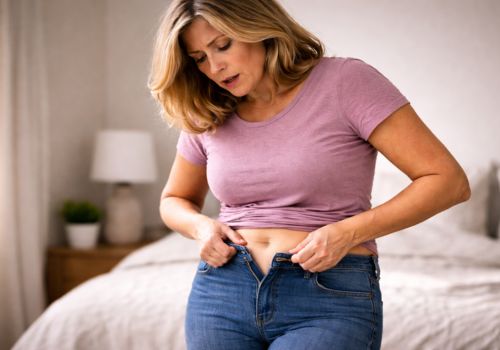
Often a tendency to gain weight, particularly around the abdomen — a shift that is often closely linked to insulin resistance developing during menopause.
What happens when Estrogen is High?

When E levels are too high relative to other hormones (like progesterone), it’s sometimes referred to as estrogen dominance.
This can happen in various situations, including during phases of perimenopause or due to lifestyle factors, and can lead to a different set of symptoms:
Heavy or Irregular Periods:
Menstrual cycles might become unpredictable, longer, or involve heavier bleeding.
Breast Tenderness or Swelling:
Breasts may feel sore, swollen, or develop fibrocystic lumps.
Bloating & Water Retention:
E can cause bloating and retain more fluid.
Mood Swings & Irritability:
Heightened emotional fluctuations, anxiety, or depression.
Fatigue & Insomnia:
Feeling constantly tired or having trouble sleeping.
Weight Gain
Often, especially around the hips, thighs, and abdomen.
Headaches / Migraines:
Estrogen fluctuations can trigger headaches.
Low Libido
Surprisingly, both low and high estrogen can affect sex drive.
Hair Thinning/ Hair Loss
In some cases, high estrogen can contribute to hair thinning.
Other Conditions:
Can exacerbate conditions like endometriosis, uterine fibroids, and PCOS.
Is Oestrogen the same as Estrogen?
Yes, they are the same hormone! The difference is simply a matter of spelling.
Navigating the Changes

Understanding estrogen and its broad impact is the first step in navigating perimenopause and menopause with confidence. Recognizing that many of the symptoms you might experience are a natural part of this hormonal shift can be incredibly validating.
If you’re experiencing disruptive symptoms, remember that you have options. Discussing your symptoms and concerns with a healthcare provider is essential. They can offer personalized advice, discuss lifestyle adjustments, and explore potential treatments like Hormone Replacement Therapy (HRT) or other non-hormonal options to help manage your symptoms and support your long-term health.
Important Note: If you have a uterus, estrogen therapy must typically be combined with a progestogen to protect the uterine lining.
What Estrogen Types or Forms are available for HRT, Pros and Cons?

If you and your healthcare provider decide that Hormone Replacement Therapy (HRT), specifically Estrogen Therapy (ET), is right for you to manage menopausal symptoms or protect your long-term health, there are several forms available. The best choice depends on your specific symptoms, health history, and preferences.
The main forms of Estrogen Replacement Therapy (ERT) are:
Oral Estrogen (Pills/Tablets)

Examples: Estradiol, conjugated estrogens (e.g., Premarin).
Pros
Convenient (taken daily), can positively influence cholesterol levels as it passes through the liver. Often the most inexpensive option, especially generics.
Cons
Because it’s processed through the liver, it may carry a slightly higher risk of blood clots, gallbladder issues, and elevate triglycerides in some individuals compared to transdermal forms. Daily remembering is required.
While it’s generally accepted that oral estrogen carries a slightly higher risk of blood clots than transdermal, it’s important to frame this risk in context. For healthy women initiating HRT within 10 years of menopause onset and under age 60, the absolute risk is still low.
Transdermal Estrogen (Patches, Gels, Sprays):

Examples: Estradiol patches (e.g., Vivelle-Dot, Climara), estradiol gels (e.g. Vivelleglide, Divigel), estradiol sprays (e.g., Lenzetto).
Pros
Bypasses the liver, potentially leading to a lower risk of blood clots and gallbladder issues compared to oral forms. Provides more consistent estrogen levels in the bloodstream. Patches are convenient (changed once or twice a week). However, absorption can still vary somewhat between individuals or even with skin conditions.
Cons
Patches can sometimes cause skin irritation or fall off. Gels and sprays require daily application and can transfer to others if not fully absorbed. Absorption can vary.
Vaginal Estrogen (Creams, Rings, Tablets/Inserts):

Examples: Estradiol creams (e.g., Premarin Vaginal Cream), estradiol rings (e.g., Estring, Femring), estradiol tablets/inserts (e.g., Vagifem, Imvexxy).
Pros
Primarily treats localized vaginal dryness (GSM symptoms) and related urinary issues with minimal systemic absorption (meaning very little estrogen gets into your bloodstream). This makes it very safe, often not requiring a progestogen even for women with a uterus.
Cons
Doesn’t alleviate systemic symptoms like hot flashes or night sweats. Requires regular application (creams/tablets) or insertion (rings).
Implantable Estrogen (Pellets):

Examples: Estradiol pellets.
Pros
Provides very consistent estrogen levels for several months (typically 3-6 months). Avoids daily remembering.
Cons
Requires a minor surgical procedure to insert and remove the pellet under the skin. Levels can be harder to adjust immediately if symptoms change.
Injectable Estrogen:

Examples: Estradiol cypionate, estradiol valerate.
Pros
Provides consistent levels over a period of time, avoiding daily administration.
Cons
Requires regular injections (usually weekly or bi-weekly), which some people find inconvenient or uncomfortable.
General Pros of Estrogen Therapy (ERT/HRT)

Estrogen Therapy (ERT/HRT) is highly effective for reducing hot flashes, night sweats, and vaginal dryness. It helps prevent bone density loss and reduces the risk of osteoporosis. The quality of life is improved by significantly alleviating various menopausal symptoms and improving sleep, mood, and overall well-being. In addition, it may offer some heart health benefits (especially when started early in menopause) and maintain skin elasticity.
HRT is also being studied for its possible relationship with long-term brain health. New research has found an association between HRT use and a lower risk of dementia in some women, although factors such as when HRT is started and the type of menopause may matter.
Potential Risks
Depending on the type, dosage, and individual health factors, risks can include a slightly increased risk of blood clots, stroke, heart attack, and certain cancers (breast and uterine, if progestogen is not used when a uterus is present). These risks are typically very low for healthy women starting HRT around menopause.
Side Effects
The side effects can include breast tenderness, bloating, headaches, or mood changes, especially when first starting or adjusting dosage.
Individualized Treatment
ERT/HRT is not suitable for everyone, especially those with a history of certain cancers (like breast cancer), blood clots, or liver disease.
Not a “Forever” Solution
HRT is typically used for symptom management and for a specific duration, which should be regularly reviewed with a healthcare provider.
Navigating Your Journey

Your journey through these life stages is unique, and understanding your body’s amazing hormonal landscape is a powerful tool for wellness.
Understanding hormones can feel like learning a new language, especially when they’re constantly changing!
The decision to use any form of Hormone Replacement Therapy should always be a personal one made in close consultation with your doctor, weighing your individual health profile, symptoms, risks, and benefits. They can guide you to the most appropriate form and dosage for your needs.
Related Lillepin Research
P1-049 → Read the full article: Scientists Finally Start to Understand Menopause Brain Fog
P2-044 → Read the full article: Could Your Gut Influence Estrogen? New Research Suggests It Might
P1-054 → Read the full article: Scientists Discover a Surprising Connection Between Your Bones and Your Brain
P2-040 → Read the full article: Your Gut Does Not Stay the Same After Menopause.
P1-073 → Read the full article: Female Pattern Hair Loss Affects More Than Half of Postmenopausal Women
P4-003 → Read the full article: Can Collagen Really Make Your Skin Firmer?
P4-005 → Read the full article: Comparing the Evidence for Treating Sun-Damaged and Aging Skin
MW-058 → Read the full article: Could HRT Lower Dementia Risk?