The Ultimate HRT Guide: 14 Must-Know Answers for Menopausal Wellness

Menopause is a natural and inevitable phase in every woman’s life, but for many, it comes with a range of symptoms that can deeply affect daily well-being. From disruptive hot flashes and sleepless nights to mood swings and vaginal dryness, these changes can feel overwhelming. Menopause symptoms can extend far beyond hot flashes and sleep disruption, affecting everything from digestion and mood to skin, joints, and energy levels.
While natural remedies and lifestyle adjustments offer support, Hormone Replacement Therapy (HRT), also called MHT (Menopausal Hormone Therapy), remains one of the most effective medical treatments for managing these symptoms.
For many women, the decision isn’t just medical — it’s emotional. Conflicting headlines, outdated fears, and decades-old misunderstandings often make HRT feel more confusing than it needs to be. But what exactly is HRT or MHT? What does it do — and how do you know if it’s the right choice for you? This comprehensive guide will demystify HRT, exploring its forms, benefits, potential risks, and common concerns in a clear, balanced, and easy-to-understand way — so you can make informed decisions with confidence.
Table of Contents
What is Hormone Replacement Therapy (HRT)?

Hormone Replacement Therapy (HRT) is a medical treatment designed to replace some of the hormones that naturally decline during perimenopause and menopause. The primary hormones involved are estrogen and, for women who still have a uterus, progesterone.
During perimenopause, your ovaries gradually reduce production of estrogen and progesterone. As hormone levels fluctuate and decline, symptoms such as hot flashes, sleep disruption, mood changes, and vaginal dryness can become more noticeable. HRT works by providing carefully controlled doses of these hormones to help reduce symptoms and support overall quality of life.
There are two main types of HRT
Estrogen Therapy (ET)
This type contains estrogen only and is typically prescribed for women who have had a hysterectomy (surgical removal of the uterus).
Estrogen-Progestogen Therapy (EPT)
Combined HRT contains estrogen together with a form of progesterone (often called a progestogen). It is prescribed for women who still have a uterus because estrogen alone can cause the lining of the uterus to thicken over time, increasing the risk of endometrial cancer. Adding progesterone helps protect the uterus by preventing this buildup.
What Does HRT Do? The Benefits Explored
The primary goal of hormone therapy is to relieve the symptoms of menopause that can significantly affect daily comfort, sleep, and overall quality of life. Its benefits extend beyond symptom management:
1. Alleviates Vasomotor Symptoms:
Hormone therapy is highly effective at reducing the frequency and severity of hot flashes and night sweats, often providing significant relief when lifestyle changes or non-hormonal treatments are not enough.
2. Improves Vaginal and Urinary Symptoms:
Estrogen plays an essential role in maintaining the health and elasticity of vaginal tissues. HRT can relieve vaginal dryness, itching, and discomfort during intimacy, while also helping reduce urinary symptoms such as urgency and recurrent urinary tract infections (UTIs).
3. Supports Bone Health:
Estrogen plays a critical role in maintaining bone density. Hormone therapy can help slow bone loss, reduce the risk of osteoporosis, and lower the likelihood of fractures — particularly when started around the menopause transition.
4. Enhances Mood and Sleep:
By stabilizing hormone levels, HRT can help reduce mood swings, irritability, anxiety, and sleep disruption. Many women experience improved emotional well-being and more restorative sleep as symptoms such as night sweats begin to settle.
HRT is also being studied for its possible relationship with long-term brain health. New research has found an association between HRT use and a lower risk of dementia in some women, although factors such as when HRT is started and the type of menopause may matter.
5. May Improve Skin and Hair:
Some women notice improvements in skin hydration and elasticity, as well as reduced hair thinning. These effects are usually considered secondary benefits and can vary from person to person.
For women interested in a gentle, non-medical practice alongside their usual skincare, our guide to face yoga after 40 examines the evidence and includes simple exercises for facial muscle tone and relaxation.
Some women also find that hormone therapy may help reduce unwanted facial hair after menopause when a hormonal imbalance is contributing to the problem, although results vary between individuals and HRT is not prescribed specifically for this purpose. These effects are usually considered secondary benefits and can vary between individuals.
6. Potential Cardiovascular Benefits:
The relationship between hormone therapy and heart health is complex. Research suggests that starting treatment closer to menopause onset may influence both benefits and risks — sometimes referred to as the “timing hypothesis.” Because cardiovascular risk varies from person to person, treatment decisions should always be discussed with a healthcare provider.
Forms of HRT: Tailoring Your Treatment
Hormone therapy is available in several different forms, allowing treatment to be tailored to individual symptoms, health history, and personal preferences. While some options work throughout the whole body (systemic therapy), others mainly treat local symptoms such as vaginal dryness or urinary discomfort.

Oral Pills:
The most common form of hormone therapy, taken daily. Oral tablets are effective and convenient for many women, but because they are processed through the liver, they may influence certain risk factors depending on individual health history.

Patches
Applied to the skin (usually on the lower abdomen or buttocks) and changed every few days. Patches deliver hormones directly into the bloodstream through the skin, bypassing the liver, and are often recommended for women looking for steady hormone delivery.

Gels and Sprays:
Applied to the skin daily, these provide another transdermal (through the skin) option. They allow flexible dosing and are often chosen by women who prefer adjustable treatment or who experience skin sensitivity with patches.
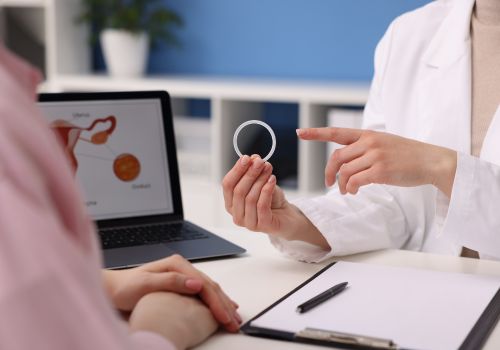
Vaginal Rings, Tablets, and Creams:
These forms deliver estrogen directly to vaginal tissues and are mainly used to treat vaginal dryness, discomfort during intimacy, and certain urinary symptoms. Because they use very low doses, their effects are largely local rather than throughout the whole body.

Implants:
Small pellets inserted under the skin (usually in the hip or buttocks) release a steady dose of estrogen over several months. They may be suitable for women who prefer longer-lasting treatment without daily or weekly dosing.
Women’s Experiences with HRT: A Diverse Landscape
Women’s experiences with hormone therapy are highly individual. Many report significant relief from challenging menopause symptoms, leading to meaningful improvements in daily comfort and overall quality of life. For these women, treatment can feel like a “game-changer,” helping them sleep better, regain energy and focus, and feel more like themselves again.
However, some women may experience side effects, particularly during the first weeks or months as the body adjusts. These can include breast tenderness, bloating, headaches, or mood changes. Finding the right type or dose sometimes takes a little time and may require adjustments with a healthcare provider. For a smaller number of women, symptoms may not improve enough, or side effects may lead them to discontinue treatment.
Factors Influencing Experience

These include:
- Individual physiology: How each woman’s body metabolizes and responds to hormones.
- Type and dosage: Different forms and doses of hormone therapy can produce different results and side-effect profiles.
- Timing of initiation: Starting HRT closer to the onset of menopause symptoms — often referred to as the “window of opportunity” — may lead to better outcomes for some women.
- Overall health and lifestyle: Balanced Nutrition, sleep quality, stress management, and regular movement can enhance benefits and help minimize potential downsides.
Pros and Cons of HRT: Weighing Your Options
Deciding on HRT involves carefully weighing potential benefits against possible risks, ideally in discussion with a healthcare provider who understands your individual health history and symptoms.
Pros (Potential Benefits):
Effective symptom relief: Highly effective at reducing hot flashes, night sweats, and vaginal dryness, particularly when symptoms significantly affect daily life.
Bone health support: Strong evidence shows hormone therapy can slow bone loss and help reduce osteoporosis risk.
Improved quality of life: Many women experience better sleep, improved mood stability, and greater overall well-being.
Reduced risk of certain conditions: Some research suggests a reduced risk of colon cancer and possible cardiovascular benefits when treatment is started close to menopause onset.
Cons (Potential Risks and Considerations):
- Blood clots: Oral estrogen tablets can slightly increase the risk of blood clots (DVT/PE), particularly during the first year of treatment. Transdermal options such as patches, gels, or sprays may carry a lower risk because hormones are absorbed through the skin rather than processed through the liver.
- Stroke: A small increased risk of stroke may occur, particularly in women over age 60 or those with existing cardiovascular risk factors such as high blood pressure, smoking, or diabetes. Transdermal estrogen may carry a lower risk than oral tablets for some women.
- Breast cancer: Long-term use (typically more than five years) of combined estrogen and progesterone therapy may be associated with a small increase in breast cancer risk. Estrogen-only therapy has not shown the same increased risk in women who have had a hysterectomy. Risk varies depending on treatment type, duration of use, and individual health factors.
- Endometrial cancer: Estrogen-only therapy can increase the risk of uterine (endometrial) cancer in women who still have a uterus because estrogen stimulates the growth of the uterine lining. For this reason, progesterone is added in combined HRT to help protect the endometrium.
- Side effects: Early side effects such as bloating, breast tenderness, headaches, or nausea are relatively common when starting hormone therapy but are often temporary as the body adjusts. Changing the dose, type, or delivery method may help reduce symptoms if they persist.
- Individualized risk: Risks vary significantly depending on age, time since menopause, overall health, family history, lifestyle factors, and the type and duration of HRT used.
Understanding Blood Clot Risk
Many women worry about blood clots when considering HRT. Recent large population research published in The BMJ (2024) confirmed that risks vary depending on how hormone therapy is taken. Oral combined estrogen-progesterone tablets were associated with a higher risk of blood clots and cardiovascular events, while transdermal options such as patches or gels showed no strong increase in cardiovascular risk. This supports current menopause guidelines that often recommend transdermal therapy for women with higher clot risk factors.
Understanding Stroke Risk
Stroke risk naturally increases with age, regardless of hormone therapy. For many healthy women who begin HRT close to menopause onset, the overall risk remains low when treatment is appropriately selected. Starting hormone therapy later — for example after age 60 or more than 10 years after menopause — does not automatically mean treatment is unsafe, but it does require a more individualized assessment because baseline cardiovascular risk is already higher with age.
Recent research published in the Stroke journal (American Heart Association) also highlights important differences between treatment types. A large nationwide Danish study found that low-dose vaginal estradiol tablets were not associated with an increased risk of recurrent ischemic stroke, even among women who had previously experienced a stroke. Because localized vaginal estrogen has minimal absorption into the bloodstream, it may be considered differently from systemic hormone therapy in some situations. Decisions should always be made together with a healthcare professional based on individual risk factors.
Understanding Breast Cancer Risk
Breast cancer risk and hormone therapy are often discussed without enough context, which can make the topic feel more alarming than it needs to be. Research shows that risk depends on the type of hormones used, duration of treatment, and a woman’s individual health background.
Large modern studies, including research published in The Lancet Oncology and analyses supported by the U.S. National Institutes of Health, have found important differences between treatment types. Estrogen-only therapy has been associated with a neutral or sometimes lower breast cancer risk in several groups of women, while combined estrogen-progesterone therapy may slightly increase risk when used long term.
Age and timing also influence decision-making. Breast cancer risk naturally increases with age regardless of hormone therapy. For women starting treatment later — for example after age 60 or more than 10 years after menopause — careful individual assessment becomes especially important because baseline risks are already higher. This does not automatically exclude later treatment, but it highlights the importance of personalized medical guidance.
Family history, breast density, lifestyle factors, and regular screening all play a key role in understanding personal risk. Modern menopause guidelines emphasize individualized treatment decisions rather than one-size-fits-all rules.
Understanding Endometrial Cancer Risk
Endometrial cancer risk with hormone therapy is closely linked to whether estrogen is balanced with progesterone. Estrogen stimulates growth of the uterine lining, and without progesterone this stimulation can continue unchecked over time. Large long-term studies have consistently shown that estrogen-only therapy increases endometrial cancer risk in women who still have a uterus, particularly with longer duration of use.
Adding progesterone helps counterbalance this effect by supporting regular shedding or thinning of the lining, which significantly reduces risk. Modern hormone therapy regimens are designed with this protection in mind, which is why estrogen-only therapy is generally reserved for women who have had a hysterectomy.
Factors such as body weight, metabolic health, and duration of treatment may also influence risk. Regular medical follow-up and reporting any unexpected vaginal bleeding are important safety measures while using hormone therapy.
Common Fears and Misconceptions About HRT

Many women have concerns or questions about hormone therapy, often shaped by headlines, outdated information, or experiences shared by others. Modern research has helped clarify many of these fears, making it easier to understand both the benefits and the risks in a more balanced way.
“HRT causes Cancer.”
This is one of the most common fears surrounding hormone therapy, largely influenced by early headlines following studies published in the early 2000s. Today, experts understand that risk depends on the type of hormones used, how long treatment continues, and individual health factors.
Combined estrogen-progesterone therapy may slightly increase breast cancer risk when used long term, while estrogen-only therapy has not shown the same increase in women who have had a hysterectomy. For many women, the absolute increase in risk remains small, especially when treatment is started close to menopause onset and regularly reviewed with a healthcare provider.
Understanding personal risk factors — including family history, lifestyle, and screening practices — is often more important than fear-based assumptions about hormone therapy itself. Modern menopause care focuses on individualized decisions rather than one-size-fits-all rules.
“HRT is dangerous for my heart.”
Concerns about heart disease largely stem from early interpretations of the Women’s Health Initiative (WHI) studies published in the early 2000s. More recent research has shown that cardiovascular risk depends strongly on a woman’s age, overall health, and when hormone therapy is started.
For many healthy women who begin treatment close to menopause onset, hormone therapy does not appear to increase heart disease risk and may even provide cardiovascular benefits in some cases. Starting hormone therapy later — typically after age 60 or more than 10 years after menopause — does not automatically mean treatment is unsafe. However, because cardiovascular risk naturally increases with age, a more individualized medical assessment is usually recommended to determine the most appropriate treatment approach.
For women experiencing late-onset menopause, timing is considered differently. Because menopause itself occurs later, starting treatment at an older age may still fall within the recommended window of opportunity based on years since the final menstrual period rather than age alone. A healthcare professional should carefully evaluate personal risk factors such as blood pressure, cardiovascular health, family history, and metabolic conditions before treatment is started or resumed.
Individual risk factors also play an important role. A personal or family history of stroke or heart disease, high blood pressure, diabetes, smoking, obesity, and physical inactivity can all influence cardiovascular risk regardless of hormone therapy. Addressing these lifestyle factors often has a greater impact on long-term heart health than hormone therapy alone.
Modern research also highlights important differences between treatment types. Transdermal options such as patches or gels bypass the liver and may carry a lower risk of blood clots and cardiovascular complications compared with oral tablets. This is why healthcare providers increasingly tailor treatment choices to individual risk factors rather than applying one universal approach.
“HRT is only for severe symptoms.”
While hormone therapy is highly effective for severe menopause symptoms, it may also be considered for moderate symptoms that significantly affect daily comfort, sleep quality, emotional well-being, or overall quality of life. Treatment decisions are not based on symptom intensity alone, but on how much those symptoms interfere with a woman’s ability to feel well and function normally.
“I’ll be on HRT forever.”
Hormone therapy is often used for several years to manage menopause symptoms, but there is no longer a strict universal time limit or age cut-off. Modern menopause guidelines emphasize individualized care rather than fixed rules.
Earlier recommendations often suggested stopping treatment after five to ten years. However, newer research and position statements from The Menopause Society show that some women may safely continue hormone therapy well beyond age 65 when symptoms persist and overall health allows it.
The decision to continue long term depends on several factors, including symptom severity, cardiovascular health, breast cancer risk, and personal medical history. Regular medical reviews are essential to reassess whether the benefits continue to outweigh potential risks.
For some women, especially those with severe hot flashes, sleep disruption, or late-onset menopause symptoms, longer treatment may significantly improve quality of life. Others may gradually reduce or stop therapy once symptoms settle.
The key message is that hormone therapy is not automatically lifelong — but it is also not automatically limited to a fixed number of years. Ongoing decisions should always be made together with a healthcare professional who understands your individual risk profile.
Is HRT Right for You?

The decision to use hormone therapy is highly personal and should always be made together with a healthcare professional who understands your medical history and current symptoms. What works well for one woman may not be the best choice for another.
Factors your doctor may consider include:
- Your age and how long it has been since your last period, often referred to as the “window of opportunity” for starting treatment.
- The severity and impact of your menopause symptoms on sleep, mood, work, and daily comfort.
- Personal and family history of heart disease, stroke, blood clots, or cancer.
- Existing health conditions such as high blood pressure, diabetes, or metabolic concerns.
- Your lifestyle, including smoking status, physical activity, and overall cardiovascular health.
For women experiencing late-onset menopause or considering treatment later in life, a more individualized assessment may be needed to balance potential benefits and risks.
Regular follow-up appointments are an important part of treatment. Hormone therapy is not a one-time decision but an ongoing conversation that can be adjusted as your needs change.
A Holistic Approach

Hormone therapy is only one part of menopause care, and choosing not to use HRT is a valid and personal decision for many women. Understanding the benefits and risks allows you to make an informed choice based on your own comfort level, health history, and priorities.
A holistic approach that supports the whole body — including balanced nutrition, regular movement, stress management, and restorative sleep — can significantly improve well-being whether you choose hormone therapy or prefer a non-hormonal path.
Healthy lifestyle habits help support metabolism, emotional resilience, sleep quality, and long-term cardiovascular and bone health. For many women, combining medical treatment with supportive daily habits provides the most sustainable relief, while others successfully manage symptoms through lifestyle adjustments and targeted non-hormonal strategies.
Menopause is not a one-size-fits-all experience. The goal is not simply to follow one approach, but to find what helps you feel balanced, supported, and well in your own body.
Start your Journey
Navigating menopause can feel complex, but you don’t have to figure it out alone. Whether you are considering hormone therapy or exploring non-hormonal options, understanding your symptoms and treatment choices is the first step toward feeling better.
If menopause symptoms are affecting your daily life, speaking with a qualified healthcare professional can help you explore safe and personalized options based on your medical history, lifestyle, and individual goals. Together, you can decide whether hormone therapy, non-hormonal treatments, or supportive lifestyle strategies are the right fit for you.
Every menopause journey is different. The most important goal is finding an approach that helps you feel supported, informed, and confident in your decisions.
Medical Disclaimer
This article provides general educational information and is not a substitute for professional medical advice, diagnosis, or treatment. Always consult a qualified healthcare provider for personalized guidance regarding your health and treatment options.
Conclusion
Understanding the benefits, risks, and common misconceptions surrounding hormone therapy allows you to make informed decisions about your menopause care. For some women, HRT can provide significant relief and improve quality of life, while others may choose non-hormonal or lifestyle approaches that feel more aligned with their needs.
Menopause is a deeply individual experience, and there is no single path that works for everyone. The most important step is choosing an approach that supports your health, comfort, and long-term well-being.
If menopause symptoms are affecting your daily life, a conversation with a qualified healthcare professional can help you explore safe and personalized options based on your medical history and personal goals.
We’d love to hear from you. What are your thoughts or experiences with menopause treatments? Sharing your journey may help support other women navigating this stage of life. If you still have questions, the answers below address some of the most common concerns women have about hormone therapy.
Related Lillepin Research
MW-058 → Read the full article: Could HRT Lower Dementia Risk? New Research Suggests Timing May Matter
P1-049 → Read the full article: Scientists Finally Start to Understand Menopause Brain Fog
P1-006 → Read the full article: Could Loneliness Affect Memory and Thinking During Perimenopause?
Frequend Questions and Answers
Hormone therapy is one of the most discussed treatment options during menopause, yet many women still feel uncertain about how it works or whether it is right for them. Research shows that knowledge gaps around perimenopause and menopause remain common worldwide — not only among women but sometimes even within healthcare settings.
To help you feel more confident and informed, we’ve gathered the most frequently asked questions about hormone therapy and answered them in clear, evidence-based language. These answers are designed to support conversations with your healthcare provider and help you make decisions that feel right for your body and your stage of life.
What happens if I stop HRT suddenly?
Stopping hormone therapy suddenly can cause menopausal symptoms such as hot flashes, night sweats, mood changes, and vaginal dryness to return, sometimes quite quickly. Many healthcare providers recommend gradually reducing treatment rather than stopping abruptly to allow the body time to adjust.
A gradual reduction may help minimize symptom recurrence and hormone fluctuations. Research published in the Journal of Women’s Health found that tapering treatment was associated with more successful discontinuation and fewer withdrawal symptoms compared with sudden cessation. Always discuss any changes with a qualified healthcare professional before stopping treatment.
Do you gain Weight on HRT?
Hormone therapy itself does not appear to directly cause significant weight gain. Many weight changes during midlife are linked to menopause-related hormonal shifts, which can slow metabolism and encourage fat to accumulate around the abdomen.
Some research suggests that hormone therapy may help preserve muscle mass and influence how fat is distributed in the body, which can support metabolic health for some women. A 2020 study examining menopausal hormone therapy and body composition found no meaningful increase in overall weight gain, although changes in fat distribution can still occur.
Lifestyle factors such as nutrition, sleep, stress levels, and regular physical activity remain important for maintaining a healthy weight during menopause.
Does HRT make you look younger?
Hormone therapy can support skin health during menopause, but it is not a “fountain of youth.” Estrogen plays an important role in maintaining skin thickness, hydration, and collagen production, all of which naturally decline after menopause.
Research has shown that estrogen therapy may improve skin elasticity and moisture levels and help reduce dryness and thinning skin in some women. A review published on the effects of estrogen on skin aging found improvements in collagen content, hydration, and overall skin structure in postmenopausal women using hormone therapy. These benefits tend to be more noticeable when treatment is started earlier in menopause.
Results vary between individuals, and lifestyle factors such as nutrition, sun protection, sleep quality, and stress management also play a significant role in long-term skin health.
Can I stay on HRT long-term?
For some women, continuing hormone therapy long term may be appropriate when symptoms persist and the benefits continue to outweigh potential risks. Modern menopause guidelines no longer recommend a strict time limit or automatic stopping age. Instead, treatment decisions are individualized and regularly reviewed with a healthcare provider.
Research shows that risks and benefits vary depending on factors such as age, time since menopause, overall health, family history, and the type and delivery method of hormone therapy used. Many women safely continue treatment for longer periods under medical supervision, particularly when using lower doses or transdermal options.
Regular checkups, breast screening, and cardiovascular risk assessment help ensure that therapy remains safe and appropriate over time.
At what age do I no longer need HRT?
There is no specific age at which hormone therapy must be stopped. The need for treatment depends on individual symptoms, overall health, and personal preferences rather than a fixed timeline. While some women choose to reduce or stop therapy as symptoms improve, others may continue treatment longer when the benefits continue to outweigh potential risks.
Modern menopause guidelines emphasize regular medical review instead of automatic discontinuation based on age alone. Decisions about continuing therapy should consider factors such as cardiovascular health, breast cancer risk, symptom severity, and quality of life.
Research from The Menopause Society has shown that hormone therapy can remain safe and effective for some women well beyond age 65 when carefully monitored by a healthcare professional, with many continuing treatment for symptom relief and improved well-being.
Is it better to get through menopause without HRT?
There is no single “best” way to manage menopause. Some women successfully manage symptoms without hormone therapy through lifestyle changes such as balanced nutrition, regular exercise, stress management, and improved sleep habits, as well as non-hormonal medical treatments when needed.
However, for women experiencing moderate to severe symptoms that significantly affect sleep, mood, or daily functioning, hormone therapy can provide substantial relief and may also support long-term bone and cardiovascular health when started at the appropriate time. Some women successfully manage symptoms without hormone therapy through lifestyle changes such as balanced nutrition, regular exercise, stress regulation and nervous system support, and improved sleep habits, as well as non-hormonal medical treatments when needed.
Medical experts emphasize that treatment decisions should be based on symptom severity, overall health, and personal preferences rather than a one-size-fits-all approach. Discussing options with a healthcare professional can help determine whether hormonal or non-hormonal strategies are the best fit for your situation.
Can I boost Estrogen naturally?
You cannot fully replace the body’s natural estrogen production through diet or lifestyle alone, but certain habits may help support hormonal balance and ease some menopause symptoms. Foods containing phytoestrogens — such as soy products, flaxseeds, legumes, and whole grains — contain plant compounds that can gently mimic some estrogen activity in the body.
Maintaining a healthy weight, regular physical activity, stress management, and good sleep quality can also support overall hormonal health during midlife. Some women choose natural supplements such as black cohosh or other plant-based options, although responses vary and these should be discussed with a healthcare professional.
Research published in the Journal of Clinical Endocrinology & Metabolism suggests that phytoestrogens may help relieve menopausal symptoms for some women, though results differ between individuals.
Does hormone therapy also exist for men?
Yes. Hormone therapy for men is usually referred to as testosterone replacement therapy (TRT). It is prescribed when medically confirmed low testosterone levels cause symptoms such as fatigue, reduced libido, low mood, or loss of muscle mass.
TRT aims to restore testosterone levels to a healthy range under medical supervision. Like menopause hormone therapy, treatment decisions are individualized and based on symptoms, laboratory testing, and overall health.
Research published in The Lancet Diabetes & Endocrinology has shown that testosterone therapy can improve sexual function, energy levels, and quality of life in men diagnosed with testosterone deficiency.
Is HRT a steroid?
Hormone therapy used for menopause is not the same as anabolic steroids often associated with bodybuilding or performance enhancement. Estrogen and progesterone are naturally occurring hormones that belong to a group known as steroid hormones, but menopause hormone therapy replaces declining hormone levels rather than artificially increasing muscle growth or athletic performance.
HRT is prescribed to relieve menopause symptoms such as hot flashes, sleep disturbances, and vaginal dryness, while anabolic steroids are used for entirely different medical purposes or may be misused outside medical supervision.
Some confusion may arise because certain medications, such as tibolone, are classified as synthetic steroid compounds. Tibolone acts on estrogen, progesterone, and testosterone receptors and is used as a form of menopause hormone therapy in some countries to help relieve symptoms and support bone health.
Can HRT increase breast cancer risk?
Hormone therapy and breast cancer risk are often discussed without enough context. Research shows that risk varies depending on the type of hormones used, duration of treatment, and individual health factors.
Large studies from the Women’s Health Initiative found that combined estrogen-progestogen therapy may slightly increase breast cancer risk when used long term. In contrast, estrogen-only therapy has not shown the same increase in women who have had a hysterectomy and may even reduce risk in some groups.
Age, time since menopause, family history, and lifestyle factors also influence overall risk. Because breast cancer risk naturally increases with age regardless of hormone therapy, treatment decisions should always be individualized and regularly reviewed with a healthcare professional.
Can HRT affect mental health?
Hormone therapy may influence emotional well-being during menopause, but the effects vary from woman to woman. Falling estrogen levels can contribute to anxiety, mood changes, irritability, poor sleep, and reduced stress resilience. For some women, stabilizing hormone levels helps improve mood and emotional balance, particularly when symptoms are linked to sleep disruption or severe hot flashes.
Research has shown that hormone therapy may reduce menopause-related mood disturbances in certain individuals. However, newer large population studies suggest the relationship between menopause, mental health, and hormone therapy is complex, and individual experts caution careful interpretations of these findings. Some women prescribed therapy already experience more severe symptoms before treatment begins, which can influence study results.
Hormone therapy is not considered a primary treatment for clinical depression or anxiety disorders. Persistent mental health concerns should always be discussed with a healthcare professional to ensure appropriate support.
Can HRT help with sleep problems?
Hormone therapy can improve sleep for many women during menopause, particularly when sleep disruption is caused by night sweats and hot flashes. By reducing these symptoms, some women experience fewer nighttime awakenings and more restorative rest.
Research has shown that menopausal hormone therapy can reduce sleep disturbances associated with vasomotor symptoms such as night sweats. Improved sleep may also support mood, energy levels, and overall well-being during midlife.
However, sleep problems can have multiple causes, including stress, anxiety, or lifestyle factors. A combined approach that includes good sleep habits and stress management alongside medical treatment often provides the best results.
Are there any risks associated with HRT?
Like any medical treatment, hormone therapy has potential risks as well as benefits. Possible risks can include blood clots, stroke, and a small increase in breast cancer risk with certain types of combined estrogen-progestogen therapy, particularly when used long term.
Current research shows that risks vary depending on age, overall health, timing of treatment, and the type and delivery method used. For many women who start therapy before age 60 or within 10 years of menopause, the overall benefit-risk balance is considered favorable when treatment is carefully monitored.
Long-term follow-up data from the Women’s Health Initiative has found no increase in deaths from breast cancer or cardiovascular disease when hormone therapy is appropriately prescribed. Large reviews, including Cochrane analyses and the 2022 hormone therapy position statement from The Menopause Society, emphasize individualized treatment decisions and regular medical review rather than one-size-fits-all rules.
Discussing personal risk factors with a healthcare professional helps ensure therapy remains safe and appropriate over time.
How long should I stay on HRT?
There is no single “correct” length of time to stay on hormone therapy. The right duration depends on your symptoms, age, time since menopause, overall health, and personal risk factors. Some women use HRT for a few years to get through the most disruptive symptom phase, while others continue longer if symptoms persist and benefits still outweigh risks.
Most menopause guidelines now emphasize regular review (often yearly) rather than a strict time limit. Ongoing use may be appropriate for some women—including those over 65—when treatment is individualized and monitored with a healthcare professional.
Recent large population research has also looked at long-term outcomes, including mortality, and supports the idea that safety depends on who is using therapy and how it’s used—not just the number of years. Decisions about continuing, tapering, or stopping should be made together with your clinician, based on your current symptoms and updated risk assessment.