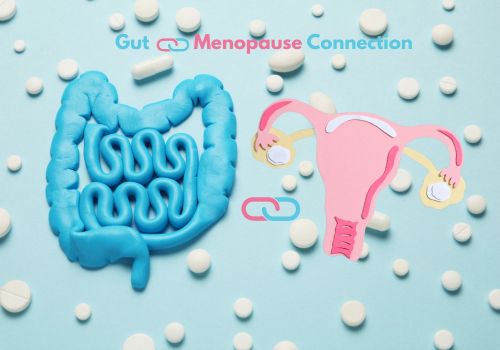
Spring Cleaning Your Hormones: A Gentle Menopause Detox That Isn’t a Diet

Menopause detox doesn’t have to mean harsh cleanses or restrictive diets. Every spring, we open the windows, clear out cupboards and corners, and let fresh air in. We keep what supports us and let go of what feels heavy or no longer serves us.
But here’s something most of us rarely think about: our hormones sometimes need that same gentle reset.
Just like a house collects stubborn dust in hidden corners over the winter, hormone balance during menopause can become harder to regulate. You might notice symptoms like higher stress levels, slower liver function, bloating, fatigue, or low estrogen that leave you feeling drained and sluggish.
If you’re in perimenopause or menopause, your body didn’t “break” overnight – your metabolism and hormones are simply working differently now, often showing up as a wide range of changes your body goes through in midlife.
Many of these changes are also closely connected to how your nervous system regulates stress, digestion, and hormone balance — something that becomes especially important during menopause.
What a Gentle Menopause Detox Really Means
The old way of cleaning house doesn’t work anymore. What your body needs instead is a different kind of support.
You might notice your body reacting with:
- stubborn bloating or heaviness
- brain fog or trouble concentrating
- low energy and puffiness
- weight that won’t budge
- heavier or more erratic PMS-like symptoms
When these changes show up, it’s easy to assume you need a “detox.” Juice cleanses. Harsh teas. Fasts. Powders. But here at Lillepin, we take a different approach. Your body doesn’t need harsh treatment – it needs steady support.
During perimenopause and menopause, extreme fixes often backfire. They raise stress hormones, slow metabolism, and leave you feeling worse, not better. Gentle, consistent habits work far better.
This isn’t about changing your whole life overnight. It’s about listening to your body and supporting it with what it truly needs to feel lighter, clearer, and more balanced. Let’s talk about how to “spring clean” your hormones naturally by using food, rest, and simple daily habits that help your body function the way it’s designed to.
Table of Contents
Why Detox Culture Backfires in Menopause
During menopause, most detox programs are built on restriction. They ask you to skip meals, cut out entire food groups, drink only liquids, drastically lower calories, or “flush out toxins” quickly.
At the same time, your stress hormones are often already elevated, and your body is more sensitive to stress, so extreme detoxes only add more of it. With too many restrictions, your body doesn’t feel cleansed; it feels stressed and deprived.
That stress response can trigger higher cortisol levels, a slower metabolism, stronger cravings, fatigue, poor sleep, and increased belly fat, exactly the symptoms you were trying to fix. So if you’ve ever tried a cleanse and felt worse afterward, it wasn’t your fault, it was physiology. Your hormones don’t respond well to extremes. They respond to stability.
Your Body Already Detoxes Naturally
Here’s the reassuring truth: your body already has several built-in detoxification systems. Every day, your liver, gut, kidneys, lymphatic system, and skin naturally process and eliminate waste, including excess hormones.
Hormone changes during midlife are normal and well documented by the Cleveland Clinic, which explains that shifts in metabolism, sleep, and digestion are common during perimenopause and menopause. Similar age-related hormonal changes can occur in men as well, although they tend to happen more gradually. Learn more in It’s Not Just Women: Men Go Through Hormonal Changes Too.
You don’t need to start a cleanse or detox program. You simply need to support these systems so they can work smoothly and efficiently. In other words, think less “cleanse” and more “nourish.”
When you give your body the right food, rest, and daily habits, it already knows how to do the rest. That small mindset shift can change everything.
The Real Hormone Detox Organ: Your Liver
When we talk about hormone balance in menopause, most women focus only on estrogen levels. But there’s something just as important: how well your body clears and eliminates used hormones.
That job largely belongs to your liver. Your liver processes estrogen, breaks down toxins, prepares waste for elimination, and supports metabolism every single day. If liver function slows or becomes overloaded, hormones may not be cleared as efficiently. Instead of leaving the body smoothly, some can be reabsorbed into circulation.
And that can contribute to symptoms like bloating, headaches, breast tenderness, irritability, brain fog, and heavier or more persistent menopause symptoms. Many women simply feel inflamed, puffy, or “stuck.”
This isn’t about being “toxic.” It’s simply about giving your body better support. And the good news is that the most effective support often comes from simple, everyday foods.
Foods That Support Natural Hormone Clearance
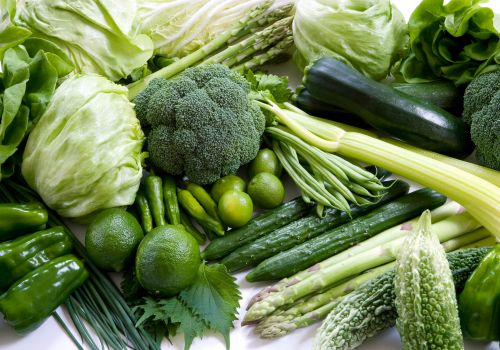
You don’t need detox kits; your kitchen is far more powerful. The best approach for a menopause detox is simple: add, don’t restrict:
Bitter Foods
Naturally bitter foods stimulate digestion and bile flow. Bile is produced by the liver and stored in the gallbladder, and it plays an essential role in breaking down fats so your body can absorb important fat-soluble vitamins like A, D, E, and K, all of which support hormone production. Foods like arugula, dandelion greens, chicory, kale, and radicchio gently signal your digestive system to release bile and improve fat digestion.
Your liver also uses bile to package and remove used hormones, including excess estrogen. When bile flow is slower or digestion is sluggish, these hormones may not be eliminated as efficiently and can be reabsorbed in the gut. Over time, this can contribute to symptoms many women notice during menopause, such as bloating, puffiness, brain fog, or stubborn weight.
Healthy bile flow also supports regular bowel movements and helps maintain a balanced gut environment. When digestion slows, constipation and bloating become more common, which can make hormone symptoms feel worse.
This is why simple, everyday foods can be so powerful. By supporting your liver and digestion naturally, you’re helping your body clear hormones the way it’s designed to.
Cruciferous Vegetables
Cruciferous vegetables like broccoli, cauliflower, cabbage, Brussels sprouts, and red cabbage give your liver extra support when processing estrogen.
These vegetables contain natural plant compounds that help activate the liver’s hormone-clearing pathways. In simple terms, they help your body break down used or “spent” hormones into forms that can be eliminated more easily through digestion.
When this process works smoothly, hormones are less likely to recirculate. That can help reduce common menopause symptoms like bloating, puffiness, and that heavy, “stuck” feeling many women notice during this stage of life.
Fiber-rich Foods
Fiber-rich foods like flaxseed, chia seeds, oats, lentils, and beans play an important role in helping your body eliminate used hormones through the gut.
When your body is done using estrogen, your liver prepares it for removal through a process called conjugation. This step “packages” the hormone into a safer, inactive, water-soluble form so it can be transported to your intestines for elimination.
Once these processed hormones reach the gut, what happens next depends on digestion and gut balance. The gut lining is designed to absorb substances back into the body, and it doesn’t really distinguish between “new” hormones your body still needs and “old” hormones you’re trying to remove. So if digestion is slow, constipation is present, or the gut microbiome is out of balance, some of these spent hormones can be reabsorbed instead of leaving the body.
In addition, certain gut bacteria produce enzymes that can break the package apart and reactivate the hormone. When that happens, estrogen may be reabsorbed through the gut lining and get back into circulation rather than being eliminated.
This natural recycling can contribute to symptoms many women notice during perimenopause and menopause, like bloating, puffiness, mood changes, and that heavy or “stuck” feeling.
That’s where fiber becomes especially helpful. Fiber adds bulk to stool, supports regular bowel movements, and physically binds to waste products, including processed hormones, helping carry them out of the body more efficiently.
By moving waste through the intestines more quickly, fiber shortens the time these hormones spend in contact with gut bacteria and the gut enzymes that can reactivate them. This makes reabsorption less likely and supports complete elimination.
In simple terms, fiber helps keep everything moving forward and out. Simple, everyday foods can quietly make a big difference in how light and balanced you feel. Oats are particularly interesting because they contain beta-glucan, a type of soluble fiber that may support both gut health and healthy cholesterol metabolism.
Protein
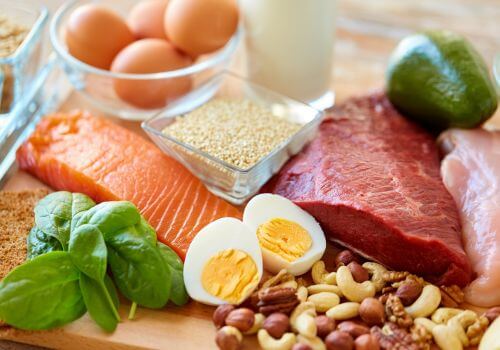
Protein, found in foods like eggs, fish, yogurt, legumes, tofu, and tempeh, is often overlooked, but it plays a crucial role in how well your liver processes hormones.
Your liver relies on amino acids, the building blocks of protein, to carry out many of its natural hormone-clearing pathways. Amino acids also provide the building blocks your body uses to maintain and repair tissues, including liver cells, which is especially important during times of higher demand.
Without enough protein, these processes can’t run as smoothly. This is one reason extreme juice cleanses can backfire: they often remove the very nutrients your body needs to eliminate waste efficiently.
During what’s known as Phase II detoxification, your liver uses amino acids to bind to used or “spent” hormones. This step converts them into water-soluble forms so they can be safely transported through bile and eliminated through digestion.
If protein intake is too low, this packaging process may slow down. Hormones may not be cleared as efficiently, which can contribute to symptoms like brain fog, bloating, and that heavy or sluggish feeling many women notice during menopause.
If the liver is under extra strain or doesn’t get the nutrients it needs, hormone clearance can slow down. When that happens, hormones may stay in circulation longer instead of being eliminated efficiently. To keep this system working well, a few other basics matter too:
B Vitamins
Found in eggs, leafy greens, legumes, and whole foods, B vitamins support the enzymes that help these detox pathways run efficiently.
Hydration
Once hormones are made water-soluble, your body needs adequate fluids to move waste through digestion and elimination. Hydration also supports saliva production and the protective tissues in the mouth, which is why some women notice dry mouth or gum sensitivity worsening during menopause.
Sleep
Much of your liver’s repair and metabolic work happens overnight. Consistent, quality sleep gives your body the time it needs to reset and restore.
Why eggs are a menopause superfood: They provide high-quality protein, B vitamins, and choline, a key nutrient that supports liver function and fat metabolism, both important for hormone balance. Simple foods. Consistently. That’s what works.
Why Gut Health Is Important
Many women are unaware that hormones don’t just leave through the liver; they are also cleared through the gut. After your liver processes estrogen, it travels to your intestines to be removed. If digestion is slow or constipated, those hormones can get reabsorbed. This may contribute to bloating, PMS-like symptoms, breast tenderness, mood swings, and sluggish metabolism.
This is where magnesium can be helpful. Magnesium supports muscle relaxation, including the muscles of the digestive tract, which may help promote regular bowel movements and healthy transit time.
You can find it naturally in foods like pumpkin seeds, leafy greens, and dark chocolate — or learn more about which forms work best in our guide to What Magnesium to Choose.
So sometimes what feels like a “hormone problem” is actually a gut problem first.
You can support your gut gently by:
- Consuming 25–35g fiber daily
- Drinking plenty of water
- Eating fermented foods (yogurt, kefir, sauerkraut)
- daily walking
- regular bowel movements
When your gut improves, symptoms often soften naturally. No cleanse required.
Stress, Sleep & Blood Sugar: Hidden Detox Blockers
Food Is Only One Piece – Your Nervous System Matters Too
Food is incredibly important, but hormones are also closely connected to your nervous system and daily lifestyle habits. When your body feels stressed, hormone balance often becomes harder to maintain.
Stress & Cortisol: Your “Internal Alarm”
When we’re constantly stressed or on edge, the body spends more time in what’s often called “fight or flight” mode — your built-in stress response system. The brain doesn’t distinguish much between emotional stress (like a looming deadline) and physical stress, so it releases cortisol either way.
It’s also possible to feel mentally calm while your body is still under physical stress. Your nervous system can be triggered by everyday habits you might not even notice:
Blood sugar swings
Blood sugar swings, such as skipping meals or eating mostly refined sugar, can lead to crashes and may contribute to insulin resistance over time. Your body releases cortisol to stabilize blood sugar, and frequent spikes may increase inflammation and cravings, a pattern also highlighted by Harvard Health Publishing, which notes that unstable blood sugar and poor sleep can disrupt metabolism and hormone balance.
Over time, this can interfere with digestion and hormone clearance. Gentle habits like short morning walks, balanced meals with protein, fiber, and magnesium, and eating at regular times can help steady your system.
Lack of sleep
Even if you’re used to five or six hours, chronic sleep deprivation is still a physical stressor that keeps cortisol elevated. Much of your body’s repair and metabolic work happens overnight, so less sleep means less time to recover.
Overtraining
Frequent high-intensity workouts without enough recovery can signal stress rather than strength, especially during menopause. Your body may benefit more from gentler, restorative movement.
When cortisol stays elevated for long periods, the body naturally prioritizes immediate survival functions. Digestion and hormone processing may slow in the background.
This can affect hormone balance in several ways:
The Gut Slows
Stress can reduce digestive motility, which contributes to constipation and increases the chance that used hormones are reabsorbed instead of eliminated.
The Liver Shifts Priorities
The liver helps regulate blood sugar and stress hormones first, so clearance of used estrogen may become less efficient.
Bile Flow Decreases
Stress can affect gallbladder function, meaning less bile is released to carry waste and hormones out through digestion.
That’s why gentle habits, like a short walk, deep breathing, stretching, or simply sitting down to eat without distractions, matter just as much as what’s on your plate. When your body feels safe and supported, your gut and liver can function more smoothly.
A Gentle 7-Day Hormone Reset (No Dieting Required)

This isn’t a cleanse or a strict plan for a menopause detox. It’s simply a week of small, supportive habits to help your body do what it’s naturally designed to do.
Day 1: Add leafy greens to lunch (for fiber and B vitamins).
Day 2: Drink more water (to support digestion and elimination).
Day 3: Take a short walk after meals (to lower stress and support blood sugar balance).
Day 4: Include protein at breakfast (to give your liver the amino acids it needs for hormone processing).
Day 5: Gently shorten your eating window. Leave about 12 hours between dinner and breakfast (for example, 7 PM to 7 AM) to give your gut and liver time to rest overnight.
Day 6: Add cruciferous vegetables like broccoli, cabbage, or Brussels sprouts (to support healthy estrogen metabolism).
Day 7: Go to bed 30 minutes earlier (to allow for deeper overnight repair and recovery).
That’s it. No starvation. No shakes. No strict rules. Just small, steady actions. Because when it comes to hormones, consistency beats intensity every time.
The Lillepin Philosophy: Nourish, Don’t Punish
At this stage of life, your body isn’t asking for discipline. It’s asking for care.
| You don’t need | You need instead |
|---|---|
| ❌ Detox teas | ✅ Real, nourishing food |
| ❌ Fasting extremes | ✅ Stable blood sugar |
| ❌ Harsh cleanses | ✅ Good, consistent sleep |
| ❌ Guilt or self-punishment | ✅ Gentle daily movement |
| ✅ Patience and consistency |
Hormones respond to safety. When your body feels supported, it naturally releases what it no longer needs. That’s the real “spring cleaning.” Quiet. Sustainable. Kind.
Final Thoughts
If you remember just one thing, let it be this:
You don’t have to detox your body. Your body already knows how to detox itself. Your role is simply to support it. Small daily habits will always outperform extreme programs. And they feel a lot better, too.
You might also like:
Why Eggs Are a Menopause Superfood
Gut Health During Menopause: 9 Essential Tips
Foods That Stabilize Blood Sugar Naturally
Magnesium for Sleep & Stress Relief
More calm, evidence-based menopause support at Lillepin.com
Do I need a detox during menopause?
No. Your body already has built-in detox systems – mainly your liver, gut, kidneys, and lymphatic system. Instead of harsh cleanses, focus on supporting these systems with nourishing food, good sleep, hydration, and gentle movement.
How long does it take to balance hormones naturally?
Many women start noticing small changes like better digestion, less bloating, and steadier energy within the first 1–2 weeks of supporting their gut, liver, and blood sugar.
More noticeable shifts, such as improved sleep, fewer cravings, and more stable moods, often happen over 4–8 weeks as your body adjusts and inflammation settles. Hormone balance is gradual, not instant. Think in weeks, not days. Consistency matters far more than extreme changes.
What Foods Support Hormone Detox?
Fiber-rich foods, cruciferous vegetables, quality protein, hydration, and magnesium-rich foods all help your body eliminate hormones efficiently.
Should I get Blood Tests if Symptoms don’t Improve?
If you’re dealing with persistent fatigue, stubborn weight gain, blood sugar crashes, or signs of insulin resistance, it can be helpful to speak with your healthcare provider about basic lab work. Tests like fasting glucose, fasting insulin, or HbA1c can provide useful insight into how your metabolism is responding. Some women choose to test before making lifestyle changes and again 8–12 weeks later to see how their body improves. Think of it as information, not judgment.
Related Lillepin Research
P2-044 — Could Your Gut Influence Estrogen? New Research Suggests It Might
A 2026 PNAS study suggests the gut microbiome may play a larger role in estrogen recycling and hormone regulation than previously understood.
→ Read the full article: Could Your Gut Influence Estrogen? New Research Suggests It Might
P2-040 — Your Gut Does Not Stay the Same After Menopause
New research shows that menopause changes the gut microbiome, reducing bacterial diversity and altering microbes involved in estrogen metabolism, inflammation, and metabolic health. Scientists believe these changes may contribute to many common menopause symptoms and could play an important role in healthy aging.
→ Read the full article: Your Gut Does Not Stay the Same After Menopause.