Your Gut Does Not Stay the Same After Menopause
Menopause Research: Large Study Links the Gut Microbiome to Cardiometabolic Health After Menopause
Lillepin Research Reference
Study Category: Gut Microbiome • Cardiometabolic Health • Systems Biology
Study: Menopause Is Associated with an Altered Gut Microbiome and Adverse Cardiometabolic Risk Profiles. mSystems (2022)
Research ID: P2-040
Many women notice that their body simply doesn’t seem to work the way it used to after menopause. It becomes harder to manage weight, and cholesterol and blood sugar may begin to rise.
Some women also find that their gut health seems to change after menopause. Foods they have eaten for years may suddenly cause bloating, indigestion, constipation, or other digestive discomfort, while some even notice changes in taste or food preferences.
For years, most of these changes were explained by declining estrogen alone. But scientists are beginning to uncover another important piece of the puzzle: the trillions of bacteria living inside our digestive system.
Collectively known as the gut microbiome, these microorganisms do much more than help digest food. They also influence inflammation, metabolism, immune function, and even the way our bodies process hormones. Recent research has even suggested that the gut may help regulate estrogen through what scientists call the estrobolome, a topic we explored in Could Your Gut Influence Estrogen? New Research Suggests It Might.
Now, one of the largest studies to examine this relationship has found that menopause is associated with significant changes in the gut microbiome. Researchers also found that these changes were accompanied by a less favorable cardiometabolic profile, adding to growing evidence that menopause affects far more than the reproductive system.
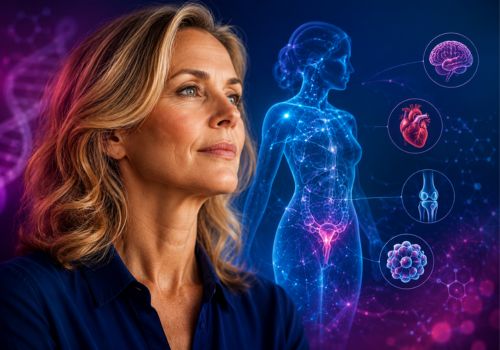
The findings also complement recent research, which showed that menopause affects multiple organs and biological systems simultaneously. Rather than acting in isolation, hormones, metabolism, the immune system, and the gut appear to work together as part of one interconnected network.
What Happens to the Gut After Menopause?
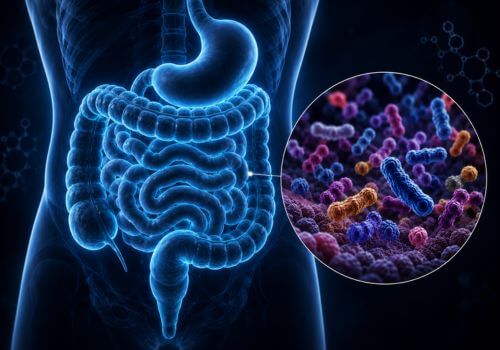
Your digestive system is home to trillions of bacteria, viruses, fungi, and other microorganisms that together make up the gut microbiome. While it may sound surprising, these tiny organisms play an essential role in keeping your body healthy.
They help break down food, produce certain vitamins, support the immune system, regulate inflammation, and influence the way your body stores energy and processes nutrients. Scientists have also discovered that some gut bacteria help metabolize estrogen, creating an important link between the gut and hormone balance.
As estrogen levels decline during menopause, this delicate balance may begin to shift. Some bacterial species become less abundant, while others increase, changing the overall composition of the gut microbiome.
This growing understanding has led researchers to ask an important question: could some of the metabolic and digestive changes many women experience after menopause be linked not only to changing hormone levels, but also to changes in the gut microbiome itself?
One of the Largest Studies to Explore the Gut-Menopause Connection
To better understand how menopause affects the gut microbiome, researchers analyzed health data and stool samples from more than 2,300 adults, making this one of the largest studies to investigate the relationship between menopause, gut bacteria, and cardiometabolic health.
When they compared premenopausal and postmenopausal women, they found clear differences in both the diversity and composition of the gut microbiome.
Postmenopausal women generally had less diverse gut bacteria, with several bacterial groups associated with metabolic health becoming less abundant after menopause. At the same time, they were also more likely to have less favorable cardiometabolic risk profiles, including changes linked to blood sugar regulation, cholesterol, and cardiovascular health.
The study cannot prove that menopause directly caused these changes. However, the findings suggest that the decline in estrogen may be one factor influencing both the gut microbiome and the body’s metabolism.
For women experiencing weight gain, rising blood sugar and cholesterol, or increasing digestive discomfort, the findings may offer another explanation for why these changes often seem to occur together rather than in isolation.
Why Does Gut Diversity Matter?
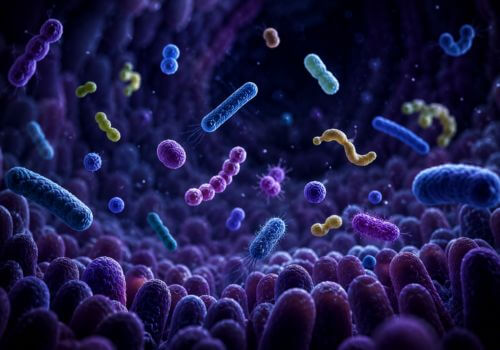
A healthy gut microbiome isn’t defined by having one “perfect” type of bacteria. Instead, scientists generally believe that a diverse community of microorganisms is better equipped to support overall health.
Different bacteria perform different jobs. Some help digest fibre, others produce beneficial compounds that nourish the cells lining the gut, while others help regulate the immune system or keep potentially harmful microbes under control.
When the diversity of the gut microbiome decreases, these important functions may become less efficient. Researchers believe this could contribute to changes in metabolism, immune function, and inflammation, although exactly how these processes interact is still being investigated.
The large study found that postmenopausal women generally had lower gut microbiome diversity than premenopausal women. While this doesn’t mean that every woman will experience digestive problems or metabolic changes, it does suggest that menopause may influence the balance of microorganisms living in the gut.
These findings build on growing evidence that menopause affects multiple interconnected biological systems rather than a single organ or hormone.
The Gut, Metabolism, and Heart Health
One of the most interesting findings from the study was that changes in the gut microbiome were accompanied by less favorable cardiometabolic health.
Cardiometabolic health includes factors such as blood sugar and cholesterol, body weight, blood pressure, and the risk of cardiovascular disease.
Although this study cannot prove that changes in gut bacteria caused these differences, it adds to growing evidence that the gut microbiome may influence metabolism, inflammation, and long-term health after menopause.
A Bigger Picture Is Beginning to Emerge
This study is another reminder that menopause is about far more than changing reproductive hormones.
Researchers increasingly believe that the hormonal changes of menopause influence multiple interconnected systems throughout the body, including the gut, metabolism, the immune system, and the cardiovascular system.
Rather than acting independently, these systems appear to communicate with one another in ways scientists are only beginning to understand. (See also Related Lillepin Research, Study Ref P1-035)
What This Could Mean for Women After 40
For women navigating perimenopause and menopause, this study highlights that the body works as an interconnected system rather than a collection of separate organs.
Changes affecting digestion, metabolism, hormones, inflammation, and cardiovascular health may all be influenced by the same underlying biological processes. As scientists continue to explore the gut microbiome, they are discovering that these tiny microorganisms may play a much bigger role in healthy aging than previously thought.
While more research is needed, these findings reinforce the importance of looking after your gut health through a varied, fiber-rich diet, naturally bitter foods, regular physical activity, and other lifestyle habits that support long-term health and wellbeing.
The Lillepin Takeaway
Scientists are continuing to discover that menopause affects far more than the reproductive system. This study adds to growing evidence that the gut microbiome may play an important role in the changes many women experience after menopause, from digestion and metabolism to long-term cardiometabolic health.
While many questions remain unanswered, one message is becoming increasingly clear: the body works as an interconnected system. Understanding these connections not only helps explain why menopause can affect every woman differently, but also opens the door to more personalised approaches to supporting healthy aging.
Related Lillepin Research
P1-035 — AI Just Revealed a Hidden Truth About Menopause
A 2026 Nature Aging review revealed that menopause affects multiple organs and biological systems simultaneously, including the brain, immune system, metabolism, and cardiovascular system.
→ Read the full article AI Just Revealed a Hidden Truth About Menopause
P1-054 — Scientists Discover a Surprising Connection Between Your Bones and Your Brain
A 2026 Biomolecules review explores the emerging bone-brain axis, suggesting that bone health and brain function may be connected through hormones, inflammation, immune signaling, neurotransmitters, and stress-related pathways.
→ Read the full article Scientists Discover a Surprising Connection Between Your Bones and Your Brain
P1-098 — Could One Workout a Week Be as Effective as Three? A 2026 randomized controlled trial found that one longer weekly HIIT session produced similar improvements in body composition, waist circumference, and cardiorespiratory fitness as three shorter weekly sessions when the total amount of exercise was the same. → Read the full article: Could One Workout a Week Be as Effective as Three?