
Gut Health during Menopause: 9 Essential Tips
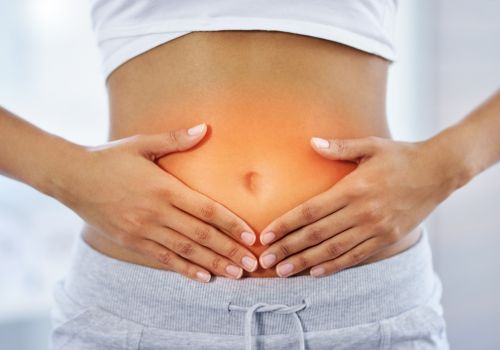
Menopause can quietly change your digestion in ways you might not expect. One day you feel fine, the next you’re dealing with bloating, constipation, food sensitivities, or that uncomfortable “heavy gut” feeling that just won’t go away.
What many women don’t realize is that hormones and gut health are deeply connected. As estrogen shifts, your microbiome, digestion, mood, and even your immune system can shift too. Many of these changes are also closely linked to how your nervous system regulates stress, digestion, and recovery — something that becomes even more important during menopause.
The good news? Small daily habits, from the foods you eat to how you sleep, move, and manage stress, can make a real difference. These simple, science-backed tips will help you support your gut naturally and feel lighter, calmer, and more balanced during menopause.
Table of Contents
Understanding Gut Health and Its Importance
Gut health is a cornerstone of overall well-being, and its significance cannot be overstated. The gut, often referred to as the “second brain,” is home to trillions of microorganisms, including bacteria, viruses, and fungi, collectively known as the gut microbiome.
This diverse community plays a crucial role in various bodily functions, including digestion, nutrient absorption, immune system support, and even mental health. When the gut microbiome is balanced, it promotes optimal health; however, an imbalance can lead to a myriad of health issues, ranging from digestive disorders to mood swings and chronic diseases.
How Gut Health Impacts Immunity and Mood
The gut is responsible for breaking down the food we consume, extracting essential nutrients, and eliminating waste. It produces important enzymes and hormones that aid in these processes, ensuring that our bodies receive the necessary fuel to function correctly.
Furthermore, the gut is a vital part of the immune system, with approximately 70% of immune cells residing in the digestive system. This means that a healthy gut can help ward off infections and illnesses, keeping the body resilient and strong.
The Gut-Brain Connection: How Your Gut Talks to Your Brain
Beyond physical health, the gut has a profound impact on mental and emotional well-being. The gut-brain axis is a complex communication network that links the gut and the brain, allowing them to influence each other.
Many women describe this mental overload during menopause as feeling like their brain has “too many tabs open at once,” where stress, racing thoughts, forgetfulness, and emotional overwhelm all seem to collide at the same time.
Neurotransmitters, such as serotonin and dopamine, which regulate mood and emotions, are produced in the gut. Therefore, a healthy gut can contribute to a positive mood, reduced anxiety, and better overall mental health. Understanding the importance of gut health is the first step towards achieving menopause wellness.
The Connection Between Gut Health and Menopause
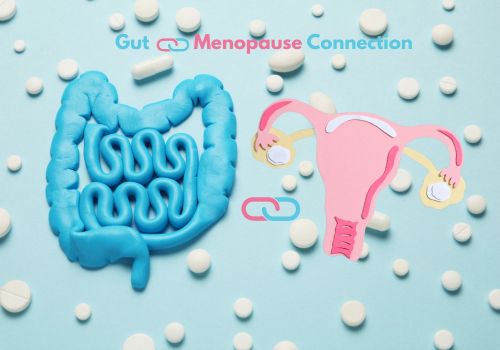
For a deeper look at what’s happening in your body, our complete menopause symptoms guide walks you through the changes and what you can do to feel more balanced. During this time, your hormones naturally shift, especially estrogen and progesterone.
These changes can trigger a wide range of physical and emotional symptoms. These hormonal fluctuations don’t just affect mood or energy levels; they can also influence digestion and gut health, making it essential to support your gut during this transition.
Gut health is just one part of what’s happening in your body during menopause. These changes are often connected to shifts in hormones, metabolism, sleep, and the nervous system — including deeper metabolic patterns like insulin resistance, which can influence digestion, weight, and overall balance during menopause. This is why symptoms can feel so varied and unpredictable.
Gut health is only one part of the bigger menopause picture. Hormones, metabolism, sleep, digestion, inflammation, and the nervous system are all closely connected during this transition. Similar gut-hormone interactions can also affect men, particularly during age-related hormonal changes such as andropause. If you want to explore how these symptoms and systems overlap, you can continue with our comprehensive menopause symptoms guide.
Estrogen and Gut Health: Why Menopause Affects Your Digestive System

Estrogen plays a significant role in maintaining the integrity of the gut lining and regulating the composition of the gut microbiome. As estrogen levels decline during menopause, the gut lining can become more permeable, leading to a condition known as “leaky gut.”
This allows harmful substances to pass through the gut lining and enter the bloodstream, triggering inflammation and exacerbating menopausal symptoms. Additionally, the reduction in estrogen can alter the balance of gut bacteria, leading to dysbiosis, which can cause digestive issues such as bloating, constipation, and diarrhea.
How Your Gut Microbiome Influences Hormone Balance
Moreover, the gut microbiome influences the metabolism of estrogen. Certain gut bacteria are involved in the enterohepatic circulation (movement of substances between the liver and the intestines) of estrogen, a process that recycles estrogen in the body.
An imbalanced gut microbiome can disrupt this process, leading to lower estrogen levels and worsening menopausal symptoms. New research also suggests that menopause itself changes the composition and diversity of the gut microbiome, which may help explain why digestion, metabolism, inflammation, and hormone regulation often shift together during midlife. → Read more in our Lillepin Research article, Your Gut Does Not Stay the Same After Menopause.
Common Gut Health Issues During Menopause
Menopause can bring about several gut health issues, which can be uncomfortable and disruptive to daily life. Many women notice their digestion suddenly feels different in their 40s and 50s – foods they’ve eaten for years don’t sit the same, and bloating can appear almost overnight.
Bloating can occur due to changes in gut motility and alterations in the gut microbiome. If bloating has become one of your most frustrating menopause symptoms, our guide to menopause bloating and effective relief strategies explains what may be happening and practical ways to find relief.
The decline in estrogen can slow down the movement of food through the digestive tract, leading to gas buildup and bloating. This can be particularly bothersome and can affect a woman’s self-esteem and comfort.
Causes for Constipation in Menopause:
Constipation is another prevalent gut health issue during menopause. The hormonal changes can slow down the digestive process, making it harder for the body to move waste through the intestines.
This can result in infrequent bowel movements, hard stools, and a feeling of incomplete evacuation. Constipation can also lead to additional problems such as hemorrhoids and anal fissures, causing further discomfort and distress.
Diarrhea During Menopause: Understanding the Gut-Hormone Connection
On the opposite end of the spectrum, some women may experience diarrhea during menopause. Hormonal fluctuations can disrupt the balance of gut bacteria, leading to an overgrowth of harmful bacteria and a decrease in beneficial bacteria.
This imbalance can cause inflammation and irritation in the gut, resulting in loose stools and frequent bowel movements. These gut health issues can significantly impact a woman’s quality of life, making it essential to address them with effective strategies.
Nutritional Strategies for Supporting Gut Health

Nutrition plays a pivotal role in maintaining and improving gut health, especially during menopause. Some women also explore structured approaches such as intermittent fasting during menopause to help support digestion, insulin sensitivity, metabolic flexibility, and overall gut balance during midlife.
A balanced diet rich in fiber, lean proteins, healthy fats, and a variety of fruits and vegetables can support a healthy gut microbiome and promote optimal digestion. Including naturally bitter foods such as arugula (rocket), chicory, dandelion greens, and radicchio may also help stimulate digestive processes and support a healthy gut environment. High-fiber foods, such as whole grains, legumes, fruits, and vegetables, as well as flaxseed, are also particularly beneficial as they provide the necessary fuel for beneficial gut bacteria to thrive.
If getting enough fiber through food feels challenging some days, adding a gentle prebiotic fiber powder to smoothies or yogurt can be an easy way to support digestion and feed beneficial gut bacteria.
1. Boost Gut Health with Fermented Foods and Probiotics
Incorporating fermented foods into the diet is another effective strategy for supporting gut health. Fermented foods, such as yogurt, kefir, sauerkraut, kimchi, and miso, contain live probiotics that can help replenish and balance the gut microbiome.
These foods are rich in beneficial bacteria that can improve digestion, reduce inflammation, and enhance overall gut health. Including a variety of fermented foods in the diet can provide a diverse range of probiotics, contributing to a healthier gut.
If fermented foods aren’t part of your daily routine yet, a simple high-quality probiotic supplement can be an easy way to support your gut bacteria consistently.
2. Stay Hydrated: Essential Tips for a Healthy Menopausal Gut

Hydration is also crucial for gut health. Drinking adequate amounts of water helps maintain regular bowel movements and prevents constipation. For those looking to optimize their water intake, hydrogenated water has emerged as a popular choice for potentially boosting cellular health and recovery.
Water aids in the digestion and absorption of nutrients, ensuring the body receives the nutrients it needs to function optimally. Additionally, staying hydrated supports the intestinal mucosal lining, which is essential for preventing leaky gut and maintaining a healthy gut environment.
Some women also enjoy purified inner-leaf aloe vera juice as part of their hydration routine. While it isn’t a substitute for drinking enough water, high-quality aloe vera products may help support digestive wellness and healthy aging. Learn more in our complete guide to Aloe Vera: The Ultimate Midlife Hydrator.
Hormonal changes can also affect other protective mucosal tissues in the body, including the mouth, which is why some women notice dry mouth or gum sensitivity during menopause.
Prioritizing hydration and incorporating gut-friendly foods into the diet can make a significant difference in gut health during menopause.
Some women find it helpful to carry a large insulated water bottle during the day as a gentle reminder to drink more regularly. Or, if you want to explore a more holistic approach, a hydrogen water bottle is another option.
The Role of Probiotics and Prebiotics

Probiotics and prebiotics are essential components of a gut-friendly diet, particularly during menopause. Probiotics are live microorganisms that provide health benefits when consumed in adequate amounts. They help restore and maintain the balance of the gut microbiome, promoting digestive health and overall well-being. Probiotics can be found in various fermented foods and dietary supplements, making them accessible and easy to incorporate into daily routines.
3. Prebiotics: Feeding the Good Bacteria in Your Gut
Prebiotics, on the other hand, are non-digestible fibers that serve as food for beneficial gut bacteria. They help stimulate the growth and activity of probiotics, enhancing their effectiveness and promoting a healthy gut environment.
Prebiotics are found in foods such as garlic, onions, leeks, asparagus, bananas, and chicory root. Including a combination of probiotics and prebiotics in the diet can support a diverse and balanced gut microbiome, which is essential for managing menopause symptoms.
4. Probiotics for Menopause: Strains That Support Digestion and Mood
Research has shown that specific strains of probiotics can be particularly beneficial for women during menopause. For example, Lactobacillus and Bifidobacterium strains have been associated with improved digestion, reduced inflammation, and enhanced immune function.
These probiotics can also help alleviate common menopausal symptoms such as bloating, constipation, and mood swings. Consulting with a healthcare professional can help identify the most suitable probiotic strains and prebiotic sources for individual needs, ensuring optimal gut health during menopause.
Lifestyle Changes to Improve Gut Health
In addition to dietary strategies, making certain lifestyle changes can significantly improve gut health during menopause. Stress management is crucial, as stress can negatively impact the gut microbiome and exacerbate digestive issues.
Practices such as mindfulness meditation, deep breathing exercises, yoga, and spending time in nature can help reduce stress levels and promote a sense of well-being. Prioritizing self-care and finding healthy ways to cope with stress can have a positive impact on gut health.
5. Sleep and Gut Health: How Rest Restores Digestive Balance
Getting enough sleep is another important factor for maintaining gut health. Poor sleep quality and insufficient sleep can disrupt the gut microbiome and lead to digestive issues.
Establishing a regular sleep routine, creating a calming bedtime environment, and avoiding stimulants such as caffeine and electronic devices before bed can improve sleep quality. A well-rested body is better equipped to maintain a healthy gut and support overall wellness.
6. Exercise for a Healthy Gut: Move Your Way to Menopause Wellness
Regular physical activity is also beneficial for gut health. Exercise helps stimulate the muscles of the digestive tract, promoting regular bowel movements and preventing constipation. Some women also combine movement with supportive circulation-focused habits such as dry brushing, which may help encourage body awareness, gentle lymphatic support, and overall self-care during menopause.
It also supports a healthy gut microbiome by increasing the diversity of beneficial bacteria.
The Impact of Stress on Gut Health During Menopause
Stress is an inevitable part of life, but it can have a particularly profound impact on gut health during menopause. The gut-brain axis, a bidirectional communication system between the gut and the brain, plays a significant role in how stress affects the digestive system.
When stressed, the body releases stress hormones such as cortisol, which can disrupt the balance of the gut microbiome and lead to digestive issues.
How Chronic Stress Impacts Gut Health During Menopause
Chronic stress can exacerbate gut health problems such as bloating, constipation, and diarrhea. It can also increase gut permeability, leading to leaky gut syndrome.
This condition allows harmful substances to pass through the gut lining and enter the bloodstream, triggering inflammation and immune responses. The resulting inflammation can worsen menopausal symptoms and contribute to a cycle of stress and digestive discomfort.
7. Stress Management Strategies to Support a Healthy Gut
Finding effective ways to manage stress is essential for maintaining gut health during menopause. Mindfulness practices, such as meditation and deep breathing exercises, can help calm the mind and reduce stress levels.
Engaging in hobbies and activities that bring joy and relaxation can also provide a much-needed break from daily stressors. Seeking support from friends, family, or a mental health professional can offer valuable coping strategies and emotional support during this transitional phase.
Exercise and Its Benefits for Gut Health
Regular physical activity is a powerful tool for improving gut health and overall well-being during menopause. Exercise helps stimulate the muscles of the digestive tract, promoting regular bowel movements and preventing constipation. It also supports a healthy gut microbiome by increasing the diversity of beneficial bacteria, which is crucial for optimal digestion and immune function.
8. Aerobic and Strength Training: Boost Gut Health Through Exercise
Different types of exercise offer unique benefits for gut health. Aerobic exercises, such as walking, jogging, cycling, and swimming, help increase heart rate and improve circulation, which can enhance digestive function.
Strength training exercises, such as weight lifting and resistance training, can also support gut health by promoting muscle tone and improving metabolic function. Finding a balance between aerobic and strength training exercises can provide comprehensive benefits for gut health during menopause.
9. Mindful Movement: Yoga and Tai Chi for a Balanced Gut

Incorporating mindfulness-based exercises, such as yoga and tai chi, can offer additional benefits for gut health. These practices combine physical movement with mindfulness and deep breathing, helping to reduce stress and promote relaxation.
The gentle movements and stretches can also stimulate the digestive organs, enhancing their function and reducing digestive discomfort. Regular exercise, tailored to individual preferences and capabilities, can significantly improve gut health and overall wellness during menopause.
Supplements to Consider for Gut Wellness
In addition to dietary and lifestyle changes, certain supplements can support gut health during menopause. Some women also find that digestive enzyme supplements help ease occasional bloating or heaviness after meals, especially when digestion feels slower than it used to.
Probiotic supplements are a popular choice, as they provide a concentrated dose of beneficial bacteria that can help restore and maintain the balance of the gut microbiome. When choosing a probiotic supplement, it is important to select one with a diverse range of strains and a high colony-forming unit (CFU) count to ensure effectiveness.
Prebiotic Supplements: Nourishing Your Gut Bacteria
Prebiotic supplements can also be beneficial for gut health. These supplements provide the necessary fibers that feed beneficial gut bacteria, promoting their growth and activity.
Prebiotic supplements are available in various forms, including powders, capsules, and gummies. Combining prebiotic and probiotic supplements can offer synergistic benefits, enhancing overall gut health and supporting digestive function.
Prebiotic fibers are not only available in supplements. Foods such as onions, garlic, asparagus, and oats naturally provide prebiotic compounds that help nourish beneficial gut bacteria. Oats are particularly interesting because they contain beta-glucan, a type of soluble fiber that may support both gut health and cholesterol balance.
Additional Supplements for Gut Wellness During Menopause
Other supplements to consider for gut wellness during menopause include digestive enzymes, which can help improve the breakdown and absorption of nutrients, and glutamine, an amino acid that supports the integrity of the gut lining.
Omega-3 fatty acids, found in fish oil supplements, have anti-inflammatory properties that can benefit gut health.
Consulting with a healthcare professional can help determine the most suitable supplements for individual needs, ensuring a personalized approach to gut wellness during menopause.
Conclusion: Embracing Gut Health for Menopause Wellness

Navigating menopause can be challenging, but prioritizing gut health can make a significant difference in managing symptoms and promoting overall wellness. Understanding the connection between gut health and menopause is key to implementing effective strategies that support a balanced gut microbiome and optimal digestive function.
By incorporating nutritional strategies, lifestyle changes, stress management techniques, and targeted supplements, women can enhance their gut health and embrace menopause with confidence and vitality.
Why Gut Health Matters During Menopause
A healthy gut is essential for digestion, nutrient absorption, immune function, and mental well-being. During menopause, maintaining gut health becomes even more crucial as hormonal changes can impact the gut microbiome and exacerbate digestive issues.
By focusing on gut-friendly foods, staying hydrated, engaging in regular physical activity, and finding ways to manage stress, women can support their gut health and improve their quality of life during this transitional phase.
Embracing Gut Wellness for Lasting Menopause Benefits
Embracing gut health for menopause wellness is a journey that requires commitment and consistency. However, the benefits of a healthy gut extend beyond digestion, positively influencing mood, energy levels, and overall well-being.
By taking proactive steps to nurture the gut, women can navigate menopause with greater ease and enjoy a renewed sense of balance and vitality. If bloating remains one of your biggest challenges, you may also find our guide on menopause bloating helpful, which explores common triggers and practical relief strategies in more detail. Your journey to feeling your best starts with unlocking the secrets to gut health, and the rewards are well worth the effort.
P2-040 — Your Gut Does Not Stay the Same After Menopause
New research shows that menopause changes the gut microbiome, reducing bacterial diversity and altering microbes involved in estrogen metabolism, inflammation, and metabolic health. Scientists believe these changes may contribute to many common menopause symptoms and could play an important role in healthy aging.
Related Lillepin Research
P1-035 — AI Mapping Reveals Organ-by-Organ Molecular Shifts During Menopause
A 2026 Nature Aging study suggests that menopause may affect interconnected systems, including metabolism, inflammation, nervous-system regulation, and tissue aging.
→ Read the full article: AI Just Revealed a Hidden Truth About Menopause
P2-044 — Could Your Gut Influence Estrogen? New Research Suggests It Might
A 2026 PNAS study suggests the gut microbiome may play a larger role in estrogen recycling and hormone regulation than previously understood.
→ Read the full article: Could Your Gut Influence Estrogen? New Research Suggests It Might
P1-054 — Scientists Discover a Surprising Connection Between Your Bones and Your Brain
A 2026 Biomolecules review explores the emerging bone-brain axis, suggesting that bone health and brain function may be connected through hormones, inflammation, immune signaling, neurotransmitters, and stress-related pathways.
→ Read the full article Scientists Discover a Surprising Connection Between Your Bones and Your Brain
P2-040 — Your Gut Does Not Stay the Same After Menopause
New research shows that menopause changes the gut microbiome, reducing bacterial diversity and altering microbes involved in estrogen metabolism, inflammation, and metabolic health. Scientists believe these changes may contribute to many common menopause symptoms and could play an important role in healthy aging.
→ Read the full article: Your Gut Does Not Stay the Same After Menopause.
P2-0120 — Can Eating Yogurt Help Lower Your Risk of Colorectal Cancer?
Research suggests that regular yogurt consumption may support colon health through its effects on the gut microbiome, although the evidence is still evolving.
→ Read the full article: Can Eating Yogurt Help Lower Your Risk of Colorectal Cancer?


