The Hidden Menopause Symptom Nobody Talks About: Your Mouth
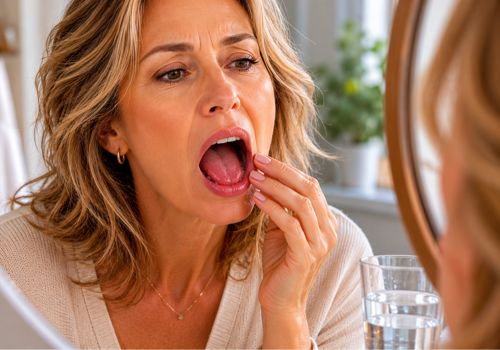
When you think about menopause, the first thing that comes to mind is hot flashes, sleep problems, mood swings, or sudden changes in metabolism. But there’s another part of the body that quietly changes during this transition — your mouth.
If you’ve recently noticed bleeding gums, a dry mouth, bad breath, increased tooth sensitivity, changes in taste, or even unexplained itching elsewhere on your body, you’re not imagining things. Hormones can affect your oral health far more than many women realize.
And surprisingly, your mouth can sometimes become one of the earliest signs that your body is shifting into a new hormonal phase.
Table of Contents
How Hormones Affect Your Gums
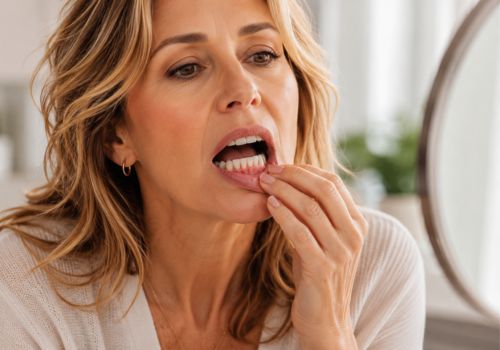
Your gums contain estrogen receptors, which means hormonal changes can directly affect the tissue inside your mouth.
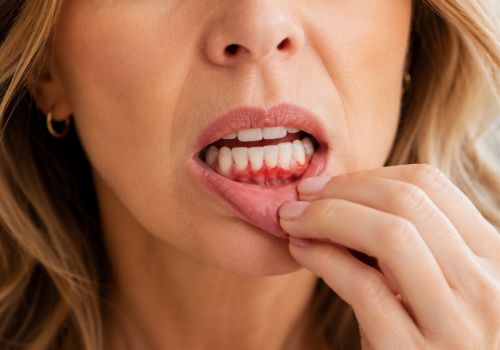
As estrogen levels begin to fluctuate and decline during peri-menopause and menopause, gum tissue may become more sensitive, inflamed, and slower to heal. This is why some women suddenly experience tender or bleeding gums even when their oral hygiene routine hasn’t changed.
Small amounts of plaque that previously caused no issues may suddenly trigger irritation or swelling. Dentists sometimes refer to this as “hormonal gingivitis.”
If inflammation continues over time, it may eventually contribute to periodontitis, where the deeper structures supporting the teeth become affected.
This is one reason why persistent bleeding gums, gum recession, or loose teeth should never be ignored during menopause.
This is another reason why understanding the wider effects of Estrogen during menopause matters so much.
The Overlooked Connection Between Menopause and Bone Loss
Most women associate menopause-related bone loss with the hips or spine. But your jawbone can also be affected.
As estrogen declines, bone density may gradually decrease throughout the body — including the bones supporting your teeth.
Emerging research suggests that some menopause-related bone changes may affect certain parts of the jaw more than others. However, this does not mean every woman will experience serious dental problems or significant jawbone loss. Factors such as overall bone health, nutrition, oral hygiene, genetics, and regular dental care all play an important role.
Researchers are continuing to explore how menopause may influence oral and jawbone health over time.
This is one reason why women over 40 are often encouraged to pay closer attention to dental changes, gum recession, or shifting teeth during menopause.
The connection between hormones and bone health is also one of the reasons why conditions like Osteoporosis become more important to understand in midlife.
Why Dry Mouth Matters More Than You Think
One of the most overlooked menopause symptoms is dry mouth.
Some women notice:
- waking up thirsty at night,
- a sticky or burning feeling in the mouth,
- bad breath,
- food suddenly tasting “different,”
- or even unexpected changes in taste preferences.
Hormonal changes during menopause may affect saliva production, gum health, taste perception, and the oral microbiome, something increasingly recognized in menopause-related oral health research.
You might suddenly prefer sour foods over sweet ones, develop a metallic taste, or feel like foods simply don’t taste the way they used to.
These changes may be linked to hormonal fluctuations, altered saliva production, dry mouth, or shifts in the oral microbiome.
And saliva is incredibly important. It helps protect teeth, neutralize acids, wash away bacteria, and support the health of your enamel and gums.
Without enough saliva, the mouth becomes more vulnerable to irritation, cavities, and inflammation.
Interestingly, many women also notice that symptoms like dry mouth become worse during periods of high Stress or nervous system overload.
Some women also experience a strange burning, tingling, or “scalded” sensation in the mouth during menopause. This is sometimes called Burning Mouth Syndrome and may be linked to hormonal changes, dry mouth, nervous system sensitivity, or shifts in the oral microbiome.
Just like the gut, the mouth also has its own microbiome — a delicate balance of bacteria that helps protect overall health.
The Similarity Between Oral and Vaginal Dryness
One reason oral symptoms during menopause can feel so surprising is that most women don’t realize the tissues inside the mouth respond to hormones in a very similar way to other mucosal tissues in the body.
The same hormonal changes that can contribute to vaginal dryness, bladder sensitivity, or changes in intimate comfort may also affect saliva production, gum sensitivity, and the protective lining inside the mouth.
In other words, your body is not “falling apart” in random places. Many of these symptoms are connected through the same underlying hormonal shifts.
This is one reason menopause can sometimes feel like a full-body transition rather than a single symptom experience.
The Common Mistake Many Women Make
When gums become sore or start bleeding, many women instinctively brush less or avoid sensitive areas altogether.
But gentle consistency is usually more helpful than avoiding oral care.
The goal is not aggressive brushing. It’s reducing inflammation while supporting the mouth’s natural balance.
Soft toothbrushes, flossing, tongue cleaning, and regular dental checkups can make a significant difference over time.
Many women also stop flossing when gums become sensitive or bleed more easily. But in many cases, gentle flossing is actually more important during menopause because inflammation tends to build more easily around the gumline and between the teeth.
If traditional floss feels uncomfortable, softer interdental brushes or water flossers may feel easier for sensitive gums.
Things That Can Make Dry Mouth Worse
Some everyday habits and products can quietly worsen dryness and irritation during menopause.
Alcohol-based mouthwashes, smoking, dehydration, excessive caffeine, mouth breathing during sleep, frequent sugary snacks, and certain medications may all contribute to dryness.
Alcohol-containing mouthwashes can sometimes leave the mouth feeling even drier by disrupting the mouth’s natural moisture balance.
Some medications commonly used during midlife — including antihistamines, antidepressants, blood pressure medication, and sleep aids — may also contribute to dry mouth symptoms.
Some women also notice increased jaw clenching or teeth grinding during menopause, especially during stressful periods or poor sleep. This may contribute to jaw tension, headaches, enamel wear, and tooth sensitivity.
If dry mouth is becoming a regular issue, many women find it helpful to switch to gentler, alcohol-free oral care products designed for sensitive mouths. Some alcohol-free toothpastes, mouthwashes, and oral gels also contain aloe vera, which has been studied for its soothing and moisturizing properties. You can learn more in our guide to Aloe Vera: The Ultimate Midlife Hydrator.
Simple Ways to Support Oral Health During Menopause
Stay Hydrated and Support Saliva Production
Saliva production often slows during menopause, especially during periods of stress, poor sleep, or dehydration.
Drinking water regularly throughout the day, chewing sugar-free gum, eating crunchy fiber-rich foods, and limiting excessive caffeine or alcohol may help support natural saliva flow.
Some dentists also recommend xylitol-containing sugar-free gum because it may help stimulate saliva while supporting a healthier oral environment.
Some women also notice improvements when they reduce chronic stress and support their nervous system through practices like Breathwork, Autogenic Training, or calming evening routines.
Choose Gentle Oral Care Tools
When gums become sensitive during menopause, many women assume they should brush less. But often the real solution is brushing more gently — not less consistently.
Soft-bristled toothbrushes are usually the best choice for sensitive gums.
Some women also find that electric toothbrushes with pressure sensors or gentle massage settings help them clean more effectively without scrubbing too aggressively.
Harsh whitening products and aggressive brushing may sometimes increase irritation and sensitivity.
Protect Sensitive Enamel
When saliva production drops, teeth may become more sensitive to acidic foods and drinks.
Some women notice increased sensitivity with citrus fruits, vinegar-heavy foods, wine, sparkling drinks, tomatoes, or frequent acidic snacking.
This doesn’t mean you need to avoid these foods completely. But rinsing with water afterward and avoiding constant grazing throughout the day may help protect sensitive enamel.
Nutrients That May Support Oral Health
Because oral health is closely connected to inflammation, bone health, and the body’s repair systems, some women also focus on supporting their nutrition during menopause.
Nutrients often associated with oral and bone health include calcium, vitamin D, magnesium, vitamin K2, omega-3 fatty acids, and probiotics that support the oral and gut microbiome.
Women exploring overall hormone and metabolic wellness may also find articles on Gut Health during Menopause, Menopausal Insulin Resistance, and Inflammaging helpful.
Avoid Constant Snacking
Frequent snacking exposes teeth to repeated acid attacks throughout the day.
Increased cravings and stress-related snacking during menopause may also expose teeth to more frequent acid and sugar exposure throughout the day.
Giving your body small breaks between meals may support both oral health and metabolism.
Don’t Ignore Persistent Symptoms
Bleeding gums, severe dryness, mouth pain, loose teeth, or ongoing burning sensations should always be discussed with a dental professional.
The Bottom Line
Menopause affects far more than periods or hot flashes.
Your mouth, gums, saliva production, taste perception, and even jawbone health can all respond to shifting hormones during this stage of life.
The good news is that small daily habits, awareness, and consistent care can go a long way toward protecting your oral health for years to come.
And sometimes, listening to these quieter symptoms can help you better understand what your body is trying to tell you during menopause.