Berberine for Menopause Weight: A Powerful Metabolic Game Changer

Have you ever heard of Berberine? No? Then keep on reading. The transition through perimenopause and menopause can often feel like playing a rigged game.
Just when you thought you had your health figured out, new challenges pop up, from stubborn belly fat, unpredictable mood swings, and those frustrating afternoon energy crashes.
Safety Note!
This article is for informational purposes only! Always consult with your healthcare provider before starting any new supplement, especially if you have existing health conditions or are taking prescription medications.
Berberine is a powerful natural compound that is gaining attention for tackling the major metabolic shifts that make midlife so challenging.
Although Berberine is not a hormone replacement, it is a deep-rooted metabolic support system for your body during the stages of menopause. Here is an easy-to-understand breakdown of how this supplement can be a powerful addition to your wellness plan.
Table of Contents
Trending Now: The “Natural Ozempic” Hype

You may have heard Berberine referred to on social media (like TikTok) as “nature’s Ozempic” due to its noted benefits in blood sugar regulation. This comparison has certainly made the supplement famous, but it’s important to keep the claims in perspective.
While both impact metabolism, they work through different pathways, and their effects are not comparable. Ozempic is a far more powerful and targeted drug, while Berberine offers a modest, natural, and evidence-based approach.
While it has recently gained mainstream popularity for its metabolic benefits, emerging research highlights its profound relevance for women navigating the transition of perimenopause and postmenopause.
We’re going to dive into the science-backed reasons why Berberine is still an excellent, evidence-based tool for addressing menopausal weight gain and metabolism.
What is Berberine?

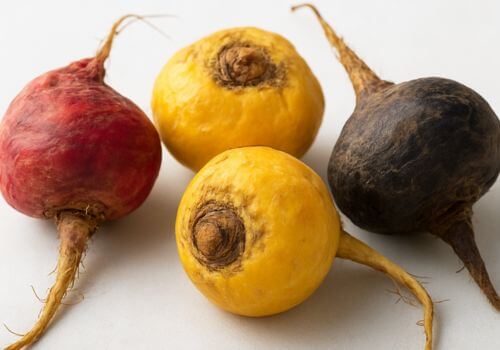
Berberine is a bright yellow alkaloid extracted from plants like the barberry bush. It has been a staple in traditional Chinese and Ayurvedic medicine for centuries. It is a bioactive compound extracted from several different plants, including a group of shrubs called Berberis, commonly known as Barberry shrubs.
The shrubs are native to the northern hemisphere and in South America. The most commonly used medicinal sources like Indian Barberry grow in Asia.
Quick Clarification: While Barberry is the source, it’s important to know you are looking for pure Berberine (most commonly sold as Berberine or Berberine Sulfate) when selecting a high-quality supplement, as this is the specific active ingredient used in most studies.
Beyond Metabolism: Berberine’s Broad Pharmacological Actions

Emerging research and clinical data confirm that Berberine is a highly versatile compound with numerous systemic effects beyond basic metabolism. These actions include strong anti-inflammatory and antioxidant protection, as well as notable antimicrobial, antifungal (antimycotic), and antiviral activity.
Furthermore, studies have shown that berberine may contribute to decreasing high blood pressure, exhibit a brain-protective action, and possess a potent hypocholesterolemic effect. Some preliminary research also points toward highly specialized actions, such as an antiarrhythmic action and properties related to tumor suppression.
How Berberine Works
It works through several pathways to support the areas where women often struggle the most in midlife. Think of it as a “master metabolic switch” for your body.
It Activates AMPK: Berberine works by activating an enzyme inside your cells called AMPK (AMP-activated protein kinase). AMPK is found in cells throughout the body, including the brain, muscles, liver, and fat tissue.
The “Fuel Gauge”: Think of AMPK as your body’s “low fuel sensor.” When it’s activated, it tells your cells, “We need to burn fuel for energy now, don’t store it as fat.”
The Result:
AMPK activation leads to actions that directly combat many symptoms of menopause. By flipping this switch, Berberine helps your body to:
Boost Metabolism: It activates AMPK, signaling cells to switch from fat storage to fat-burning, mimicking the effects of exercise and fasting. This supports overall energy expenditure.
Improve Insulin Sensitivity: It enhances how cells respond to insulin, efficiently moving glucose out of the bloodstream and into the cells to be used for energy. A 2008 study of Type 2 diabetics shows that 1 gram of berberine per day lowers fasting blood sugar by 20%.
Reduce Glucose Production: It lowers sugar production in the liver, which directly contributes to more stable blood sugar levels and less overall glucose circulating in the bloodstream.
In essence, Berberine helps to reset and optimize your body’s metabolism, making you more efficient at using food for energy instead of storing it.
How Berberine May Help with (Peri)Menopause Symptoms

1. Blood Sugar Balance & Insulin Resistance: Your Energy Stabilizer
Many women going through (peri)menopause struggle with insulin resistance, leading to increased belly fat and a general feeling of metabolic slowdown. This is often what drives those frustrating sugar cravings and energy slumps. As estrogen declines, women become more prone to insulin resistance, which leads to increased weight gain (particularly around the midsection) and difficulty losing it.
The Power:
Berberine has been shown in several studies to be as effective as metformin (a common diabetes drug) in improving blood sugar regulation and insulin sensitivity. It helps your body use glucose more effectively, reducing the amount of sugar circulating in your blood.
The Benefit:
This regulation is incredibly useful for addressing menopausal weight gain, controlling those intense sugar cravings, and fighting the fatigue and brain fog linked to unstable blood sugar. When your blood sugar is stable, your energy is too!
Stabilizes Blood Sugar: By improving insulin function and activating AMPK, berberine helps prevent the sharp blood sugar spikes and crashes that fuel fat storage and intense sugar cravings.
Supports Lipid Health: It has been shown to reduce elevated levels of triglycerides and LDL (‘bad’) cholesterol, which are common metabolic risks that increase after menopause.
2. Cholesterol & Heart Health: Supporting Your Lifeline

As estrogen levels drop during menopause, the natural protection against cardiovascular disease decreases. This increases the risk of high cholesterol and overall heart issues.
The Power:
Berberine is a champion for lipids. Some studies suggest that berberine lowers LDL cholesterol by acting as an inhibitor against the enzyme PCSK9, which results in greater clearance of LDL (“bad”) cholesterol from the bloodstream. Furthermore, a systematic review of randomized trials indicated that its positive effect on raising HDL (“good”) cholesterol is notably stronger in women than in men.
The Benefit:
This is crucial support for heart health during and after menopause, helping to counteract the cardiovascular risks that increase as we age. Beyond improving cholesterol and triglycerides, berberine can support healthy blood pressure and reduce markers of vascular damage, offering a crucial layer of long-term cardiovascular protection.
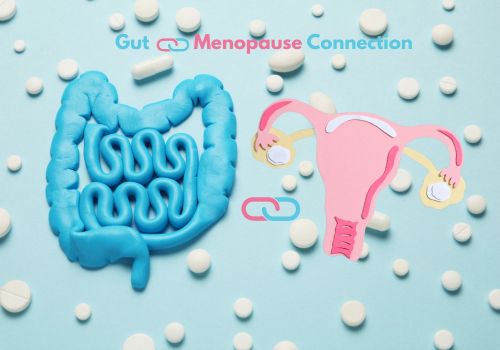
3. Anti-Inflammatory & Gut Health: The Inner Calm

(Peri)Menopause often seems to worsen overall body inflammation, which can show up as joint aches, headaches, and even more severe bloating and gut issues.
According to a review of 12 studies, berberine supplementation not only led to significant reductions in body mass index, body weight, and belly fat, but it also decreased inflammation markers like C-reactive protein levels.
The Power:
Berberine is known for its gut health properties. It possesses powerful anti-inflammatory and antimicrobial properties. This means it can help calm systemic inflammation while acting as a fantastic gut balancer.
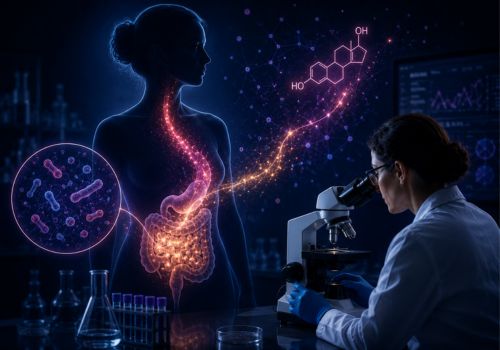
It also slows the breakdown of carbohydrates in the digestive tract, which helps regulate the speed at which sugar enters your bloodstream. It may help shift the balance of your gut microbiome, which is tied to everything from your mood to your hormone detoxification.
The Synergistic Effect:
Due to its targeted antimicrobial action, Berberine is a key player in natural protocols for managing Small Intestinal Bacterial Overgrowth (SIBO) and Irritable Bowel Syndrome (IBS).
In these cases, it is often utilized by practitioners in combination with other potent herbal antimicrobials, such as Oregano Oil and Neem Oil, to maximize its effectiveness against bacterial overgrowth.
The Benefit:
By reducing inflammation and promoting a healthier gut, you can feel less bloated, enjoy better digestion, and possibly even see an improvement in mood. Berberine can help to:
- Reduce Inflammation: Berberine possesses potent anti-inflammatory and antioxidant properties, helping to quell systemic inflammation linked to hormonal aging.
- Modulate the Microbiome: It acts as a natural antimicrobial in the gut, helping to rebalance the gut flora. A healthier gut biome is linked to better metabolism, reduced inflammation, and improved hormone detoxification.
4. Weight Management: Taming the Midlife Belly

One of the most frustrating (Peri)menopause symptoms is the seemingly impossible-to-lose belly fat that tends to accumulate around the middle. A 12-week study in people with obesity showed that 500 milligrams (mg) taken three times per day resulted in an average weight loss of about 5 pounds and 3.6% of body fat. More studies are required to fully understand berberine’s effects on weight management.
The Power:
Berberine supports fat metabolism and energy production by activating an enzyme called AMPK (often called the “master metabolic switch”). This essentially helps the body burn fat more efficiently. Furthermore, a study revealed that Berberine is believed to interfere with the development of new fat cells (adipocytes) through its cellular actions, a factor that contributes to healthy weight loss.
The Benefit:
This effect is a game-changer for weight management, but remember: it is always strongest when combined with regular exercise and a lower-sugar diet. It’s a tool, not a magic bullet!
5. Mood Swings, Anxiety, and Sleep Disturbances

The hormonal chaos of (peri)menopause often destabilizes the nervous system, leading to anxiety and depressive feelings, and severely disrupting sleep quality.
The Power:
Berberine may help to balance your mood and suppress anxiety and depression by regulating neurotransmitters, also known as happy hormones.
The Benefit:
Mood Support: Research suggests berberine may offer anti-depressive effects by reducing inflammation in the brain (neuro-inflammation) and regulating key neurotransmitters like dopamine and serotonin.
Improves Sleep Quality: By stabilizing blood glucose throughout the night, berberine can prevent the dips in blood sugar that trigger the stress hormone cortisol, which often wakes women up in the middle of the night (a common perimenopausal symptom).
6. Bone Health

After menopause, the rapid drop in estrogen accelerates bone density loss (osteoporosis).
A Promising Adjunct: While not a primary osteoporosis treatment, preliminary studies (including animal models relevant to postmenopausal bone loss) suggest berberine may help slow bone breakdown by inhibiting osteoclast activity (the cells that dissolve bone tissue).
This positions it as a promising component in a broader bone-support regimen alongside calcium, magnesium, and Vitamin D.
What Berberine Probably Doesn’t Do Directly
It’s important to manage expectations! Berberine is a metabolic powerhouse, but it won’t replace estrogen or other hormones.
It doesn’t directly reduce classic estrogen-driven symptoms like severe hot flashes, drenching night sweats, or vaginal dryness.
Instead, it helps indirectly by improving metabolic health, energy, and inflammation, which can make your overall menopause experience feel less severe and more manageable. By feeling more energized and less inflamed, you’ll be better equipped to handle the hormonal roller coaster.
Practical Tips for Using Berberine

If you’re considering adding Berberine to your routine, here is what you need to know:
The Form:
Most studied supplements are Berberine HCl or Berberine Sulfate, which are the forms that deliver the potent active compound.
Dosage Studied:
The amount most commonly studied for metabolic benefits is typically 500mg, 2–3 times daily before meals. Spreading the dose helps maintain steady levels in the body and can reduce potential side effects.
Timing is Key:
To maximize its blood sugar-lowering effect, berberine should be taken 10-20 minutes before a meal, particularly your most carbohydrate-heavy meals.
Absorption:
Standard berberine has poor bioavailability (the body struggles to absorb it). Look for enhanced forms like Berberine Phytosome or formulas containing milk thistle (silymarin) or MCT oil, which can significantly increase absorption and effectiveness.
Time to Notice Results:
Like many natural metabolic supplements, it is not instant. Consistent use over 8−12 weeks is typically needed to notice significant metabolic shifts and benefits.
Possible Side Effects:
Because it works strongly on the digestive system, some people may experience mild side effects like stomach upset, diarrhea, or constipation when starting out. Starting with a lower dose and slowly increasing it can help.
Interactions with other Medications:
Berberine can interact with many medications, including blood thinners, immunosuppressants (like cyclosporine), blood pressure drugs, and diabetes medications (like Metformin). Always consult your doctor before starting berberine if you are on any prescription medication.
Not for Everyone:
Berberine is a potent compound. Avoid it if you are pregnant or breastfeeding. Always check with your healthcare provider before starting any new supplement, especially if you have an existing health condition or take prescription drugs.
Conclusion: A Powerful Metabolic Ally
For women seeking a natural ally against the metabolic and systemic challenges of perimenopause and beyond, berberine presents a compelling case. By addressing the root issues of insulin resistance, chronic inflammation, and metabolic slowdown, it offers far-reaching benefits for weight, heart health, mood, and long-term vitality.
Berberine won’t replace HRT, but it can be a powerful natural ally for midlife women struggling with weight gain, blood sugar swings, energy crashes, and cholesterol issues during menopause.
By focusing on stabilizing your metabolism and reducing inflammation, Berberine helps create a healthier foundation for this new stage of life!