5 Powerful Benefits of Hyaluronic Acid for Menopause (Skin, Joints & Hydration)

As women move through perimenopause and menopause, declining estrogen levels can affect far more than just periods and hot flashes, including many of the changes listed in the Menopause Symptoms Guide. Many also notice drier skin, reduced elasticity, and increasing stiffness or discomfort in their joints.
One ingredient that often comes up in this conversation is hyaluronic acid (HA). Best known for its ability to attract and hold moisture, hyaluronic acid is already found naturally in the body, especially in the skin, eyes, and joints. But can it really make a meaningful difference during menopause, and is it worth trying?
In this Guide, we’ll look at:
– What hyaluronic acid is
– How it may help during menopause
– The different forms and molecular weights of HA
– How to choose a product more wisely
– Possible risks, side effects, and safety questions
– Whether hyaluronic acid is worth it for women over 40
Table of Contents
What Is Hyaluronic Acid?
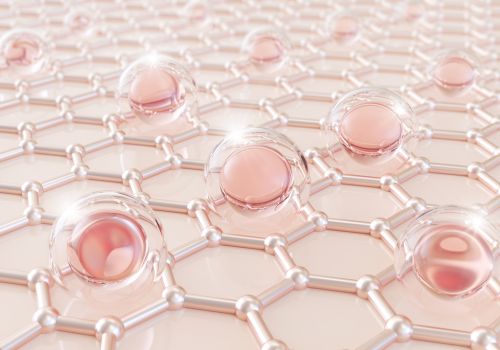
Hyaluronic acid (HA) is a naturally occurring substance found throughout the body, particularly in the skin, synovial joints, and eyes. It is a type of sugar molecule known for its remarkable ability to attract and retain water.
Hyaluronic acid can hold up to 1,000 times its weight in water, which helps tissues stay hydrated, cushioned, and elastic. In the skin, it acts like a moisture reservoir, helping maintain a smooth, plump appearance while supporting the skin’s natural barrier.
Because hydration and tissue elasticity are strongly affected by hormonal changes during midlife, hyaluronic acid has gained increasing attention as a supportive ingredient for women navigating perimenopause and menopause.
The Powerhouse for Your Skin
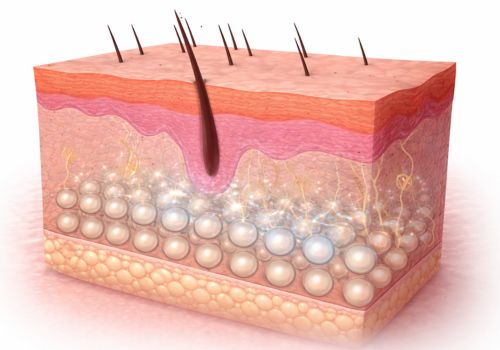
Your body naturally produces hyaluronic acid through specialized cells called fibroblasts, which are responsible for creating many of the structural components that keep skin firm and resilient. In fact, about half of the body’s total hyaluronic acid is found in the skin, particularly in the dermis, the deeper layer beneath the surface.
Within the skin, hyaluronic acid acts like a powerful moisture reservoir. It attracts and holds large amounts of water, creating a gel-like environment between skin cells. This helps provide cushioning, structural support, and deep hydration.
Because of this, hyaluronic acid plays an important role in keeping the skin smooth, plump, and flexible, while also supporting the skin’s natural protective barrier.
However, as we age—especially during and after menopause—our natural levels of HA gradually decline. Combined with falling estrogen levels, this can contribute to:
- drier skin
- thinning skin
- reduced elasticity
- more visible fine lines and wrinkles
For this reason, many women begin exploring topical or supplemental hyaluronic acid as a way to support skin hydration and comfort during midlife.
As we age, the body gradually produces less HA, and enzymes that break it down become more active. During menopause, declining estrogen levels can further affect skin hydration and connective tissue health.
Is Hyaluronic Acid Good for Menopause?
During perimenopause and menopause, estrogen levels begin to decline. Estrogen plays an important role in maintaining skin thickness, collagen production, and hydration. As hormone levels shift, many women notice that their skin becomes drier, thinner, and less elastic than before.
At the same time, the skin’s natural levels of hyaluronic acid gradually decrease, which can further affect the skin’s ability to retain moisture. This combination is one reason why dryness and loss of skin resilience are so common during midlife.
Because hyaluronic acid is known for its strong water-binding ability, many women explore topical products or supplements as a way to support skin hydration and overall comfort during the menopausal transition.
Benefits of Hyaluronic Acid
HA is best known for its ability to help the skin hold moisture. While it is not a miracle ingredient, it can provide several supportive benefits for women in their 40s, 50s, and beyond.
1. Hydrates Dry Skin
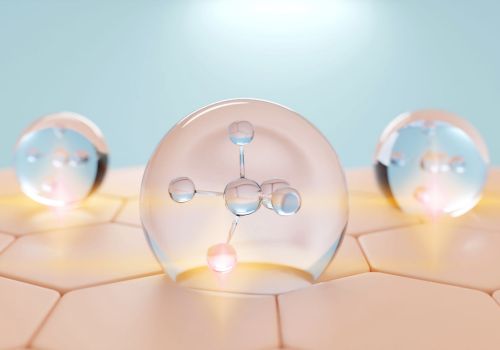
One of the most noticeable changes during menopause is increased skin dryness, which is one of the many symptoms covered in the Menopause Symptoms Guide. As estrogen declines, the skin produces less oil and loses some of its ability to retain water.
HA helps restore moisture, leaving your skin plumper, smoother, and more youthful-looking, giving it a dewy glow. If you want more practical ways to support healthy, radiant skin during midlife, see our guide on how to make your skin glow after menopause.
2. Reduces Fine Lines and Wrinkles
When the skin is well hydrated, it appears smoother, softer, and more supple, which can reduce the appearance of fine lines caused by dehydration. Many women notice these changes during midlife as the skin gradually loses elasticity and moisture. You can read more about this symptom in our Menopause Symptoms Guide (see Point 58: Wrinkles / Reduced Skin Elasticity).
Although hyaluronic acid does not remove wrinkles permanently, improved hydration can help the skin look plumper and more refreshed, making fine lines less noticeable.
3. Supports Joint Health
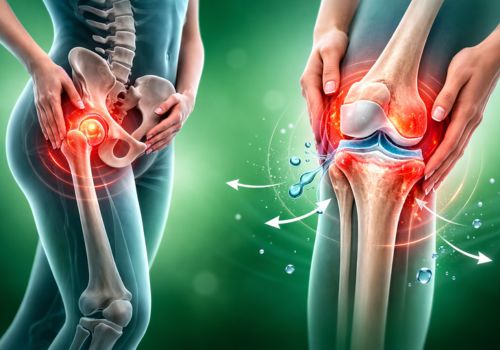
Joint stiffness and discomfort are common complaints during menopause. Declining estrogen levels can affect the health of cartilage and connective tissues, which may contribute to increased joint pain for some women.
HA plays an important role in lubricating joints and supporting the synovial fluid that cushions them. Some studies suggest that oral HA supplements may help improve joint comfort and mobility, particularly in people experiencing age-related joint stiffness.
While results can vary, supporting joint hydration and lubrication may help some women maintain greater comfort and flexibility during midlife.
4. Supports Skin Elasticity
As skin loses moisture during menopause, it can also lose some of its natural elasticity, making it appear thinner and less resilient. Proper hydration plays an important role in maintaining the skin’s flexibility and smooth texture, another common change reflected in broader menopause symptom patterns.
By helping the skin retain water, hyaluronic acid can support a firmer, more supple appearance. Well-hydrated skin tends to look healthier and more elastic, which may help reduce the visible signs of aging that often become more noticeable during midlife.
5. May Help Relieve Vaginal Dryness
Vaginal dryness is a common symptom during menopause as declining estrogen levels affect the natural moisture and elasticity of vaginal tissues. HA is sometimes used in vaginal moisturizers designed to support hydration and comfort in this sensitive area.
Because HA can attract and retain water, it may help improve tissue moisture and reduce dryness-related discomfort for some women. You can learn more about this symptom in our complete guide to menopause symptoms (Point 36).
Different Types of Hyaluronic Acid (and Why It Matters)
Not all HA products are the same. One important difference is their molecular weight, which influences how hyaluronic acid interacts with the skin and where it works within the skin layers.
Some forms remain mostly on the skin’s surface to support hydration and barrier protection, while others are smaller and may reach slightly deeper layers of the skin. Understanding these differences can help you choose products that better support hydration, elasticity, and overall skin comfort during menopause.
What is Molecular Weight?
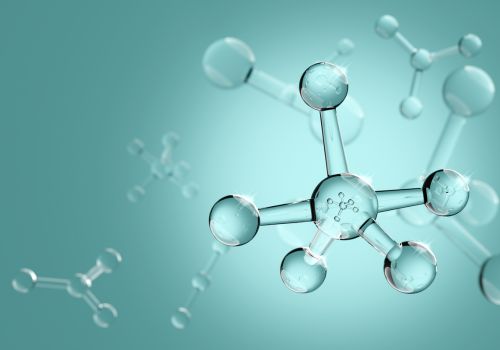
“Molecular weight” refers to the size of the hyaluronic acid molecule. Different sizes interact with the skin in different ways. Some molecules stay mostly on the surface and help prevent moisture loss, while smaller molecules can penetrate slightly deeper into the skin.
Many skincare products combine several molecular weights to provide hydration at multiple levels of the skin.
High Molecular Weight (HMW)
High molecular weight HA consists of larger molecules that remain mostly on the surface of the skin. These molecules form a light, protective film that helps reduce moisture loss and support the skin barrier.
Because they stay on the surface, they are particularly effective at providing immediate hydration and smoothing the skin’s appearance.
Medium Molecular Weight
Medium molecular weight hyaluronic acid primarily works in the outer layer of the skin (the epidermis). Its main role is to support hydration and improve the skin’s ability to retain water.
This can help the skin feel softer, smoother, and more comfortable, especially when dryness becomes more noticeable during menopause.
Low Molecular Weight (LMW)
Low molecular weight HA contains smaller molecules that may penetrate deeper into the skin than larger forms.
These molecules help attract and retain moisture within the skin, which can support skin hydration, elasticity, and overall skin resilience. Some research suggests that smaller HA molecules may also help stimulate the skin’s natural production of collagen, an important structural protein that keeps skin firm and smooth.
Because of their smaller size, low molecular weight forms are often included in formulas designed to improve the appearance of aging skin.
Encapsulated HA
Encapsulated HA uses special delivery technology that surrounds the HA molecule with a protective coating. This can help release the ingredient gradually into the skin over time, allowing for longer-lasting hydration.
This type of formulation is often used in more advanced skincare products designed to maximize ingredient performance. If you want to learn how dermatologists recommend choosing and using skincare ingredients effectively, see our guide to Effective Anti-Aging Skincare: What Dermatologists Advise to Get the Most From Your Products.
Reticulated (Cross-Linked) HA
Reticulated, or cross-linked, HA has a structure that makes it more stable and longer-lasting. Because of this stability, it is commonly used in aesthetic medicine, particularly in dermal fillers that help restore facial volume and smooth deeper wrinkles.
This form of HA behaves differently from the types typically found in skincare products.
By understanding these different forms, it becomes clear that HA is not just a single ingredient, but a group of molecules that can support skin hydration and comfort in different ways.
How to Tell What Type You’re Buying

When choosing a HA product, it can be helpful to check the ingredient list or product description. Many brands will indicate the type or molecular weight of HA used in their formula.
Look for terms such as:
Low molecular weight – often used in formulas designed to support deeper hydration and improve the appearance of aging skin
High molecular weight – helps hydrate the surface of the skin and support the skin barrier
Multiple molecular weights – combines different sizes of HA to provide hydration at several levels of the skin
Encapsulated or time-release HA – designed to release moisture gradually for longer-lasting hydration
Also be cautious of:
- products that provide little information about the type of hyaluronic acid used
- alcohol-heavy formulations that may contribute to dryness
- products with strong synthetic fragrance if you have sensitive or reactive skin
Forms of HA Supplements for Women Over 40
HA is available in several different forms, including supplements and topical skincare products. Each form works slightly differently, and some women prefer to combine them depending on their skin and comfort needs.
Powdered HA
- Usually mixed into water, smoothies, or other drinks
- Often combined with collagen or vitamin C in beauty-support formulas
- Can be convenient for people who already take powdered supplements
- May support skin hydration and joint comfort as part of a daily routine
Capsules or Tablets
- Convenient and easy to take when traveling
- Provide consistent, measured doses
- Often included in supplements designed for skin, joint, or connective tissue support
- Suitable for women who prefer a simple daily supplement
Liquid Hyaluronic Acid
- Absorbed quickly by the body
- Can be added to water, juice, or other drinks
- Often used in combination with other nutrients that support skin hydration
- A practical option for people who prefer liquids over pills
Topical Hyaluronic Acid
- Found in serums, creams, and moisturizers
- Applied directly to the skin
- Helps attract moisture to the skin’s surface and improve hydration
- Often used to support smoother-looking skin and reduce the appearance of dryness and fine lines
Topical hyaluronic acid is often paired with other soothing hydration ingredients, such as aloe vera gel, to help calm dry or sensitive skin while supporting moisture retention.
Hyaluronic Acid: Beyond Menopause
Hyaluronic acid is widely known for its role in skincare, but its uses extend far beyond cosmetic products. Because of its remarkable ability to attract and retain moisture, HA is used in several areas of medicine and healthcare.
Eye Care
Hyaluronic acid plays an important role in modern eye care. It is commonly used in eye drops and ophthalmic gels to provide lubrication and moisture for people experiencing dry eye symptoms.
In ophthalmology, HA is also used during procedures such as cataract and laser eye surgery, as well as in the treatment of certain corneal conditions. Its lubricating and protective properties help reduce irritation, support healing, and improve comfort for patients.
These medical applications highlight how versatile hyaluronic acid is, extending far beyond its well-known skincare benefits.
Joint Health
Hyaluronic acid also plays an important role in joint lubrication and mobility. In healthy joints, HA is a key component of synovial fluid, the thick fluid that cushions and lubricates the joints.
In medical settings, hyaluronic acid injections are sometimes used as a treatment option for osteoarthritis, where they help improve joint lubrication and reduce discomfort. Some research also suggests that oral hyaluronic acid supplements may support joint comfort and mobility in people experiencing age-related joint stiffness.
These applications highlight how hyaluronic acid contributes to joint hydration and cushioning, which is why it is often included in supplements designed to support joint health.
Reconstructive Surgery
Hyaluronic acid is also used in certain reconstructive and regenerative medical procedures. Because it helps retain moisture and support tissue structure, HA-based materials can assist with tissue healing and skin repair after injuries such as burns or surgical procedures.
In some cases, HA is used to help restore soft tissue volume and improve skin texture during reconstructive treatments. These medical applications highlight the important role hyaluronic acid can play in supporting tissue repair and recovery.
Cosmetic Procedures
One of the most widely recognized uses of hyaluronic acid today is in cosmetic dermatology. HA-based dermal fillers are commonly used to smooth wrinkles, soften facial folds, and restore lost volume in areas such as the cheeks or lips.
Because hyaluronic acid naturally attracts water and helps support tissue structure, it can temporarily improve facial fullness and reduce the appearance of deeper lines. These treatments are typically performed by trained medical professionals and are designed to provide short-term aesthetic improvements.
These applications further demonstrate how versatile hyaluronic acid is, extending from skincare products to a variety of medical and cosmetic uses.
Risks or Side Effects of Hyaluronic Acid
Hyaluronic acid (HA) is generally considered safe, but its safety can depend on how it is used and the form of the product.
For topical products such as serums, creams, and lotions, as well as most oral supplements, hyaluronic acid is widely regarded as safe for the majority of people. Side effects are uncommon, though some individuals may experience mild skin irritation, redness, or tenderness when first using topical products.
When it comes to HA injections or prescription treatments, these procedures should always be performed by a licensed medical professional. Injectable hyaluronic acid is commonly used in cosmetic dermatology and certain joint treatments, but it may cause temporary side effects at the injection site, including bruising, swelling, redness, itching, or discomfort. In rare cases, more serious reactions or infections can occur.
Regardless of the form, hyaluronic acid should be avoided by anyone with a known allergy or hypersensitivity to the ingredient or its formulation components. Because research on safety during pregnancy and breastfeeding is limited, it is generally recommended to avoid HA supplements and injections during this time and consult a healthcare professional before use.
Pros and Cons of Hyaluronic Acid Products
Pros
Visible hydration benefits: When used consistently, hyaluronic acid products can help skin appear smoother and more hydrated, which may soften the appearance of fine lines caused by dryness.
Supports skin hydration: Hyaluronic acid is well known for its ability to attract and retain moisture, which can help improve the appearance of dry or dehydrated skin—something many women notice during menopause.
Non-invasive option: Topical hyaluronic acid products such as serums and creams offer a gentle way to support skin hydration and comfort without medical procedures.
May support joint comfort: Because HA plays a role in joint lubrication, some supplements include it as part of formulas designed to support joint mobility and comfort.
Cons
Results can vary: Hyaluronic acid can be helpful for many people, but it may not produce noticeable results for everyone, especially if other factors such as hormones, sun exposure, or overall skincare routines are affecting skin health.
Possible skin irritation: Although uncommon, some people may experience mild irritation, redness, or sensitivity when first using topical hyaluronic acid products, particularly if they have sensitive or reactive skin.
Temporary effects: The hydrating benefits of hyaluronic acid usually last only while the product is being used regularly. Once discontinued, the skin gradually returns to its previous hydration levels.
Is Hyaluronic Acid Worth It During Menopause?

For many women, hyaluronic acid can be a helpful addition to a menopause-friendly skincare or supplement routine—especially if you are experiencing dry skin, reduced elasticity, or increasing joint discomfort during midlife.
Because hyaluronic acid attracts and retains moisture, it can support skin hydration and comfort, which may help the skin appear smoother and more refreshed. Well-hydrated skin is also more likely to develop the healthy, radiant look many women aim for during midlife. If you want additional practical tips, see our guide on how to make your skin glow after menopause.
When used alongside other supportive nutrients such as collagen and vitamin C, hyaluronic acid may contribute to overall skin resilience and connective tissue health.
When choosing a hyaluronic acid product, consider whether you prefer powders, capsules, liquids, or topical serums and creams, and always follow the recommended dosage instructions. Consistent use is usually necessary to maintain hydration benefits.
For women experiencing joint discomfort during menopause, it may also be helpful to understand how hormonal changes affect bone and joint health. You can learn more in our guide to bone health and osteoporosis in women over 40.
Final Thoughts
Hyaluronic acid can be a helpful addition to a menopause-friendly skincare or supplement routine. Because it helps attract and retain moisture, it may support skin hydration, comfort, and overall skin appearance during midlife.
While it is not a cure for aging or hormonal changes, many women find that consistent use of hyaluronic acid products helps their skin feel smoother, more comfortable, and better hydrated.
If you decide to try hyaluronic acid, it can help to:
- choose the form that best fits your routine (topical products or supplements)
- look for well-formulated products from reputable brands
- understand the role of different molecular weights
- use products consistently to maintain hydration benefits
Used thoughtfully, hyaluronic acid can be one of several supportive ingredients that help women maintain healthy, comfortable, more resilient skin during menopause and beyond — comfortably and confidently.
FAQs:
How does the body break down hyaluronic acid?
Hyaluronic acid is naturally broken down by enzymes in the body, primarily in the skin and connective tissues. The body continuously produces and degrades HA as part of normal tissue maintenance.
How is hyaluronic acid removed from the body?
After it is broken down, hyaluronic acid components are processed and eliminated through the liver and kidneys as part of normal metabolic processes.
How long does hyaluronic acid stay in the body?
This depends on the form used. Injectable hyaluronic acid used in dermal fillers may last six to twelve months, while topical and oral forms are processed much more quickly and need to be used regularly to maintain their effects.
Can you take too much hyaluronic acid?
Taking excessive amounts is uncommon and hyaluronic acid does not typically accumulate in the body. However, it is still important to follow recommended dosage guidelines for supplements to avoid digestive discomfort or other minor side effects.
What does hyaluronic acid do when taken internally?
Oral hyaluronic acid supplements may help support skin hydration and joint lubrication by contributing to the body’s natural HA levels. Some research suggests they may also support connective tissue health.
Related Lillepin Research
P4-003 — Can Collagen Really Make Your Skin Firmer?
A clinical trial found that a specific bioactive collagen peptide improved skin firmness and hydration, with some benefits continuing after supplementation ended.→ Read the full article: Can Collagen Really Make Your Skin Firmer?
P4-005 — Comparing the Evidence for Treating Sun-Damaged and Aging Skin
A comprehensive evidence review compared the most effective treatments for aging and sun-damaged skin, highlighting which approaches have the strongest scientific support and why daily sun protection remains essential.
→ Read the full article: Comparing the Evidence for Treating Sun-Damaged and Aging Skin