130+ Menopause Symptoms List (Part 3): Are Your Changes Here?

Welcome to Part 3 of our comprehensive menopause symptoms guide. If you have just come from Part 1 or Part 2 you have already explored 100 ways menopause can affect the body and mind.
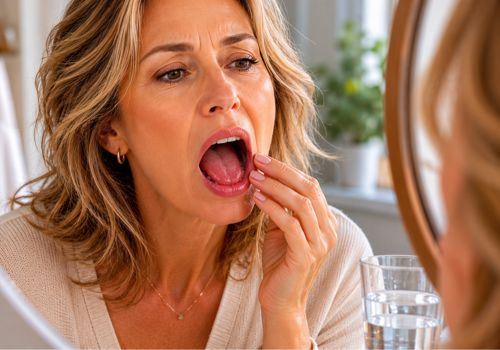
In this section, we continue with additional symptoms, including sensory changes, oral and eye symptoms, breast changes, immune responses, metabolic shifts, and other whole-body effects of menopause.
Symptoms marked with an asterisk (*) are especially common or closely linked to hormonal changes during perimenopause and menopause. Many symptoms can overlap, appear in clusters, or influence one another, which is one reason menopause can feel confusing and unpredictable.
Many of these symptoms are also influenced by deeper processes such as inflammation, metabolism, and nervous system regulation, which can shape how symptoms appear and interact.
Emotional stress and anxiety can also influence inflammation and skin sensitivity, which is why calming the nervous system may support overall skin well-being during menopause.
This guide is here to help you better understand what may be happening and feel more informed, supported, and reassured.
Table of Contents
J. Sensory Menopause Changes
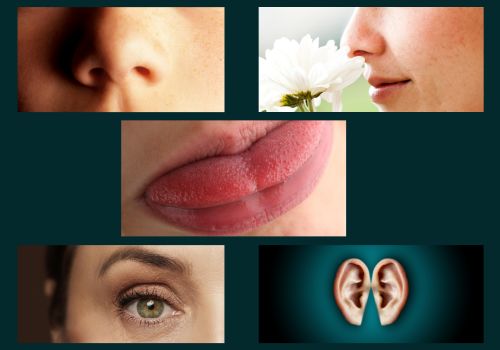
You may have noticed that menopause can also influence your senses, sometimes leading to subtle shifts in how you experience the world around you — from what you see and hear to how you taste and smell.
101. Tinnitus (ringing in ears)
You might experience a persistent ringing, buzzing, hissing, or roaring sound in one or both ears, even when there is no external source. While tinnitus is not usually considered one of the most common menopause symptoms, some women notice it appearing or worsening during the menopausal transition. This may be linked to estrogen’s influence on the delicate structures and nerve pathways of the inner ear.
Tinnitus can also become more noticeable when it overlaps with factors such as stress, anxiety (Point 6, Part 1), sleep disturbances (Points 67–73, Part 2), or exposure to loud noise. If tinnitus is persistent, suddenly worsens, or is accompanied by hearing changes or dizziness, it is advisable to discuss it with a healthcare professional.
102. Changes in Body Odor Perception
You may notice that certain smells seem different during menopause, including the way you perceive your own body odor. This can happen because hormonal fluctuations may subtly influence olfactory perception (your sense of smell) and the way the brain interprets scent signals. As a result, familiar smells may seem stronger, unusual, or occasionally unpleasant.
This change in perception is closely related to Body Odor Changes (Point 61, Part 2), where the actual composition of body odor can shift due to hormonal changes. Altered scent perception may also overlap with broader sensory changes such as Altered Taste (Point 106) and Altered Smell (Point 107) that some women experience during menopause.
103. Burning Tongue Syndrome *
You might experience a persistent burning, scalding, or tingling sensation on the tongue, often without any visible signs of irritation. This symptom can be part of a broader condition known as Burning Mouth Syndrome (BMS), which is reported more frequently in postmenopausal women, although it remains relatively little known.
Hormonal changes during menopause may play a role because estrogen influences nerve endings and receptors in the oral tissues. As hormone levels fluctuate, nerve sensitivity can increase, which may contribute to unusual sensations in the mouth. Like other sensory changes (Points 104, 106, 107, & 61, Part 2), these shifts can affect how nerves transmit signals.
Burning Tongue Syndrome can sometimes be accompanied by a metallic or bitter taste, and it may overlap with other nerve-related sensory symptoms such as Tinnitus (Point 101). If the sensation is persistent, worsening, or significantly uncomfortable, it is advisable to consult a dental or medical professional.
104. Dry Mouth *
You might experience a persistent feeling of dryness or stickiness in your mouth, sometimes making it uncomfortable to speak or swallow. Many women notice this symptom particularly in the morning after waking. During menopause, declining estrogen levels can influence the function of the salivary glands, which may reduce saliva production.
Saliva plays an important protective role in oral health, so reduced saliva can contribute to other oral symptoms such as Burning Tongue Syndrome (Point 103), Gum Problems (Point 105), Altered Taste (Point 106), and Oral Discomfort (Point 127). Over time, dry mouth may also increase the risk of tooth decay and gum disease, making good oral hygiene and regular dental check-ups especially important during this stage of life.
105. Gum Problems / Sensitive Gums *
Your gums may become more sensitive, swollen, or prone to bleeding, and you might also notice increased gum recession. This is a relatively common oral health change during menopause. Declining estrogen levels can influence gum tissue health, bone density in the jaw, and saliva production, which may make the gums more vulnerable to inflammation such as gingivitis and more advanced gum disease (periodontitis).
This symptom is closely related to Dry Mouth (Point 104), since reduced saliva provides less natural protection for both gums and teeth. Gum sensitivity may also overlap with other oral symptoms such as Burning Tongue Syndrome (Point 103) and broader sensory changes including Altered Taste (Point 106), Altered Smell (Point 107), and Oral Discomfort (Point 127). Maintaining good oral hygiene and attending regular dental check-ups can help protect gum health during this stage of life.
106. Altered Taste *
You may notice that certain foods or drinks taste different from how they used to, or that your sensitivity to flavors seems reduced. Some women describe a persistent metallic or bitter taste, while others feel that their taste buds seem slightly dulled. These changes can occur during menopause because fluctuating estrogen levels may influence the function of taste buds and their sensory receptors.
Altered taste is often worsened by Dry Mouth (Point 104), since saliva plays an essential role in how we perceive flavor. It may also overlap with other oral and sensory symptoms such as Burning Mouth Syndrome (Point 103) and changes in smell perception (Point 102), and altered taste sensations such as a metallic taste (Point 114). Together, these symptoms form part of the broader sensory changes (Point 107) that some women experience during menopause.
107. Altered Smell *
Your sense of smell may change during menopause. Some women notice that smells seem less intense (hyposmia), while others become more sensitive to certain odors, which may feel unusually strong, unpleasant, or irritating (dysosmia). Hormonal fluctuations during menopause can influence olfactory receptors and the way the brain processes scent signals, which may explain why familiar smells sometimes seem different.
This symptom is closely related to Changes in Body Odor Perception (Point 102) and Altered Taste (Point 106), since the senses of smell and taste are closely connected and often influence one another. These shifts form part of the broader sensory changes that some women experience during menopause.
108. Dry Eyes *
Your eyes may feel gritty, irritated, or unusually dry, sometimes leading to blurred vision (Point 109) and sensitivity to light (Point 111). Dry eyes are a relatively common symptom during perimenopause and menopause, with some studies suggesting that a significant proportion of women experience changes in tear production during this transition.
One reason is that declining estrogen levels can influence the tear glands and the stability of the tear film, which helps keep the surface of the eye properly lubricated. When tear production is reduced, or when tears evaporate more quickly, the eyes may feel dry, uncomfortable, or easily irritated.
Dry eyes are also part of a broader pattern of mucous membrane dryness that can occur during menopause, similar to Dry Mouth (Point 104). If symptoms become persistent, cause significant discomfort, or begin to affect your vision, it is advisable to consult an eye care professional.
109. Blurred Vision *
You might experience occasional or persistent blurriness in your vision, sometimes requiring new or updated glasses. This is a relatively common change during the menopausal transition and can occur as a result of Dry Eyes (Point 108), since an unstable or poor-quality tear film can interfere with clear vision. According to Optometry Advisor, more women report visual symptoms such as eye strain and blurred vision during the menopausal transition than before or after it.
Beyond dryness, fluctuating estrogen levels may also influence the cornea and lens of the eye, potentially causing subtle changes in shape and focusing ability. In addition, menopause often coincides with the progression of presbyopia (age-related difficulty focusing on near objects), which can make reading glasses necessary.
These visual changes can form part of the broader sensory shifts (Points 107 & 111) that some women experience during menopause. For many women, vision changes linked to dry eyes or hormonal fluctuations may improve once the underlying issue is addressed, although age-related changes such as presbyopia typically require simple vision correction such as reading glasses. If blurred vision is new, persistent, or significantly affects your daily activities, it is advisable to consult an eye care professional to rule out other possible causes.
110. Increased Eye Floaters
You might notice more “floaters” — tiny spots, squiggly lines, or cobweb-like shapes that drift across your field of vision, particularly when looking at a bright background such as the sky or a white wall. Floaters are usually caused by natural changes in the vitreous humor, the gel-like substance inside the eye, and they become more common with age.
Some women notice an increase in floaters around the time of menopause. Researchers believe that hormonal fluctuations, particularly declining estrogen levels, may influence the connective tissues and vitreous body of the eye, which could contribute to these visual changes. Floaters may sometimes occur alongside other visual symptoms such as Blurred Vision (Point 109).
However, a sudden increase in floaters, flashes of light, or any loss of peripheral (side) vision should be treated as a medical warning sign. In these cases, it is important to seek prompt evaluation from an eye care professional, as these symptoms can occasionally indicate a retinal tear or detachment that requires urgent attention.
111. Sensitivity to Light
You may notice that bright light suddenly feels uncomfortable or even painful. For example, when you switch on a light after coming home, your eyes might take longer to adjust, or moving between dark and bright environments may feel more difficult than before.
This increased sensitivity to light (photophobia) during menopause is often linked to Dry Eyes (Point 108) and Blurred Vision (Point 109). When the surface of the eye becomes dry or irritated, light can scatter more easily across the eye, causing glare and discomfort.
Hormonal fluctuations may also influence how the retina processes light, and light sensitivity can sometimes occur alongside Headaches or Migraines (Point 115), which frequently include photophobia as a symptom. As part of the broader sensory changes (Point 107) experienced during menopause, the eyes may simply become more reactive to changes in light.
If sensitivity to light becomes severe, persistent, or is accompanied by significant pain or vision changes, it is important to consult an eye care professional or doctor to rule out other possible causes.
112. Decreased Night Vision (Nyctalopia)
You may find it increasingly difficult to see clearly in low-light conditions, such as at dusk, in dimly lit rooms, or while driving at night. This reduced ability to adapt to darkness can have several causes. Part of it is a natural age-related change in the eye, but it can also be worsened by Dry Eyes (Point 108), which may reduce overall visual clarity.
Hormonal fluctuations during menopause may also influence how well the retina functions in low light, and some research suggests that estrogen levels may play a role in the health of the cells responsible for night vision. These factors together can make it harder for the eyes to adjust quickly when lighting conditions change.
This symptom forms part of the broader sensory changes (Point 107) that some women experience during menopause. If you notice a sudden or significant decline in night vision, it is advisable to consult an eye care professional to determine the cause and appropriate treatment.
Note: While Sensitivity to Light (Point 111) refers to discomfort from bright light or difficulty adjusting to light changes, Decreased Night Vision (Point 112) specifically refers to difficulty seeing in dim or dark environments. These are two related but distinct visual symptoms.
113. Sensitivity to Sound
Do you find yourself getting irritated or overwhelmed by certain sounds? Does everything seem louder than usual you get stressed more easily? You may notice that certain sounds feel louder, more irritating, or overwhelming than before, even when they do not seem particularly loud to others. This increased sensitivity to sound is known as hyperacusis and can sometimes appear during menopause.
Researchers believe that hormonal fluctuations may influence nerve sensitivity within the auditory pathways and the central nervous system, which can affect how the brain processes sound. As a result, everyday noises such as conversations, traffic, or background sounds may feel unusually intense or uncomfortable.
Like Tinnitus (Point 101), this can be considered an auditory manifestation of hormonal changes during menopause. Because constant or intrusive noise can feel difficult to escape, increased sound sensitivity may also contribute to stress or anxiety (Point 6, Part 1) in some women. It is another example of the broader sensory changes (Point 107) that may occur during this transition.
114. Metallic Taste in Mouth *
You may notice a persistent metallic, bitter, or unusual taste in your mouth, even when you are not eating. This type of taste disturbance is a fairly common but often overlooked symptom during menopause — so if you have experienced it, it is not simply your imagination.
Hormonal fluctuations, particularly declining estrogen levels, may influence taste bud function and the nerve receptors in the mouth, which can alter how flavors are perceived. Some women describe food tasting unusually bitter or notice a lingering metallic taste throughout the day.
This symptom is often associated with Dry Mouth (Point 104), since reduced saliva can affect how taste signals are detected. It may also occur alongside Burning Tongue Syndrome (Point 103). Metallic taste is considered a specific form of Altered Taste (Point 106) and forms part of the broader sensory changes (Point 107) that some women experience during menopause.
K. Other General Menopause Symptoms

Beyond the more specific categories, menopause can also bring a variety of general physical and systemic changes that affect overall well-being. These symptoms may appear gradually and are sometimes harder to connect directly to hormonal shifts, yet many women notice subtle changes throughout their bodies during this transition.
As research into menopause continues to expand, scientists are discovering that hormones influence far more body systems than previously understood — including metabolism, immune function, connective tissue, the nervous system, and even sensory perception. Because of this, the list of recognised menopause-related symptoms has continued to grow as medical knowledge evolves.
While not every woman will experience all of these changes, they highlight how menopause is not limited to reproductive health alone but represents a whole-body transition that can influence many aspects of physical and emotional well-being.
115. Headaches / Migraines (new or worsened) *
You may notice more frequent headaches, stronger migraines, or a change in your usual migraine pattern during menopause. Some women who previously experienced migraines find that they become more severe or occur more often, while others may develop migraines for the first time during the menopausal transition.
Hormonal fluctuations — particularly changes in estrogen levels — are a key reason for this. Estrogen influences brain chemicals involved in pain regulation as well as the dilation and constriction of blood vessels in the brain. As hormone levels fluctuate and eventually decline during menopause, this can make some women more prone to headaches or migraines.
In addition, many headaches during menopause are tension-type headaches, which often stem from muscle tension in the neck, shoulders, and scalp. These can be triggered by stress, even when you may not consciously feel stressed, as the body can hold tension during periods of hormonal change, poor sleep, or emotional strain.
Headaches and migraines may also be triggered or worsened by other menopause symptoms, including Sleep Disturbances (Points 67–73, Part 2) and increased Stress or Anxiety (Point 6, Point 12, Part 1; Points 68, 69, 71, Part 2). If you experience migraines, you might also notice Sensitivity to Light (Point 111) and Sensitivity to Sound (Point 113), which are common migraine-related sensory symptoms.
116. Shortness of Breath
Some women notice episodes of shortness of breath or difficulty taking a deep breath during menopause. You might feel as though you cannot quite get enough air, experience tightness in your chest, or notice your breathing becoming shallow even without physical exertion. Although this sensation can feel alarming, it is a symptom that some women report during the menopausal transition.
Research suggests that respiratory symptoms may affect a significant proportion of postmenopausal women. In many cases, breathlessness is closely linked to Anxiety or Panic Attacks (Points 6 & 10, Part 1), which can become more common as hormonal fluctuations influence the body’s stress response.
Hormonal changes during menopause may heighten the sympathetic “fight-or-flight” response, making breathing feel faster or more restricted. Some women also notice shortness of breath during or shortly after Hot Flashes (Point 1, Part 1). In other cases, the sensation may be indirectly related to hormonal influences on the cardiovascular system (Points 96 & 100, Part 2) or the respiratory system.
Because breathlessness can also occur with respiratory infections, bronchitis, asthma, COVID-19, or heart-related conditions, it is important to establish the underlying cause. If shortness of breath is new, persistent, or accompanied by chest pain, dizziness, or fainting, medical evaluation is recommended.
117. Breast Tenderness
Tender or sensitive breasts are a very common and sometimes confusing symptom during perimenopause, as the discomfort can feel very similar to the breast soreness many women experience before their menstrual period. Your breasts may feel sore, swollen, heavy, or tender to the touch, even if your menstrual cycle has already become irregular.
Breast tenderness is most often linked to fluctuating hormone levels, particularly the unpredictable rise and fall of estrogen during perimenopause. These hormonal shifts can affect breast tissue and fluid balance, which may lead to swelling and discomfort. Many women notice that this tenderness appears in waves, often coinciding with hormonal fluctuations.
Research suggests that breast discomfort tends to decrease as women progress further through perimenopause, with lower prevalence reported in later stages of the transition. The symptom is closely connected to changes in breast tissue (Points 118 & 134) and hormonal fluid retention that can occur during this time.
If breast pain becomes persistent, severe, or is accompanied by unusual lumps, skin changes, or nipple discharge, it is important to consult a healthcare professional to rule out other causes.
118. Breast Changes (size, shape, density)
Some women are surprised to notice that their breast size changes after menopause. It is not uncommon to hear women say they spent years wishing for a larger bust, only to find their breasts becoming bigger later in life when they no longer expected it. In fact, research suggests that around one in five women may experience an increase in breast size after menopause.
Many women notice alterations in the size, shape, or firmness of their breasts (Points 117 & 134). Breasts may become larger or smaller, change in contour, or feel softer and less dense than before.
These common changes during perimenopause and menopause are largely driven by declining estrogen levels. Estrogen plays an important role in maintaining glandular breast tissue. As estrogen levels fall, glandular tissue often decreases and is gradually replaced by fatty tissue.
This hormonal shift, together with natural changes in skin elasticity and fat distribution, can lead to noticeable differences in breast appearance and texture over time.
If you experience sudden changes, persistent pain, unusual lumps, or skin changes, it is important to consult a healthcare professional for proper evaluation.
119. Electric Shock Sensations *
Some women report experiencing brief, sudden sensations that feel like small electric zaps, buzzing, or tingling anywhere in the body. These sensations can appear unexpectedly and may feel similar to the mild static shock you sometimes get when touching metal during dry winter weather. They are closely related to tingling or “pins and needles” sensations (Point 120).
Although not widely discussed, these unusual sensations are a recognized menopause symptom and are thought to be related to temporary nerve sensitivity. Some women notice these “zaps” occurring shortly before a hot flash (Point 1, Part 1), while others experience them independently.
Hormonal fluctuations during menopause — particularly changes in estrogen levels — may influence the nervous system and nerve signaling. These sensations are thought to occur when temporary changes in nerve signaling cause brief bursts of electrical activity along sensory nerves, which may explain the sudden “electric shock” feeling. Some women also report experiencing these sensations shortly after a hot flash, although they can occur on their own as well.
If electric shock sensations become frequent, persistent, or are accompanied by muscle weakness, numbness, or coordination problems, it is advisable to seek medical evaluation to rule out other neurological conditions.
120. Tingling Extremities (Paresthesia) *
You might experience a pins-and-needles sensation, numbness, or tingling in your hands, feet, arms, or legs, sometimes without an obvious cause. This symptom, medically known as paresthesia, is a relatively common but lesser-known experience during menopause and can feel unsettling when it appears unexpectedly.
Hormonal fluctuations — particularly changes in estrogen levels — can influence both the nervous system and blood circulation. Because estrogen plays a role in supporting nerve function and sensory signalling, fluctuating levels may temporarily alter how nerves transmit signals, leading to tingling or numb sensations in the extremities.
These sensations are closely related to Electric Shock Sensations (Point 119) and can be considered part of the broader sensory changes (Point 107) that some women experience during menopause.
If tingling sensations become persistent, severe, or are accompanied by muscle weakness, loss of coordination, or significant numbness, medical evaluation is recommended to rule out other neurological or circulatory conditions.
121. Swollen Feet / Ankles / Fluid Retention *
You might notice unexplained swelling in your feet or ankles, or experience a general feeling of puffiness and bloating. This type of fluid retention is a common physical change during perimenopause and menopause.
Hormonal fluctuations — particularly changes in estrogen and progesterone levels — can influence how the body regulates sodium and water balance. These hormones play an important role in fluid regulation, and shifts in their levels may lead to the body retaining excess fluid in the tissues.
As a result, some women notice swelling in the lower extremities, especially after long periods of sitting or standing. Hormonal changes can also influence circulation and kidney function, which may further contribute to fluid accumulation.
This type of fluid retention is similar to the mechanism that contributes to Breast Tenderness (Point 117) for some women, where hormonal shifts can also cause temporary swelling in breast tissue.
If swelling becomes sudden, severe, or is accompanied by pain, redness, or shortness of breath, medical evaluation is recommended to rule out other conditions such as cardiovascular or circulatory problems.
122. General Malaise / Feeling Unwell *
You might experience a persistent sense of not quite feeling like yourself, a vague feeling of being unwell, or the sensation that you may be about to come down with a cold or flu. Some women describe it as a general lack of vitality or feeling “off” without an obvious cause. This diffuse symptom is a common, though often frustrating, experience during menopause.
In many cases, this feeling is the combined effect of several other menopause symptoms. Ongoing fatigue (Point 4, Part 1), sleep disturbances (Points 67–73, Part 2), brain fog (Point 2, Part 1), and anxiety (Point 6, Part 1) — discussed in Part 1 and Part 2 of this guide — can gradually affect overall energy levels and well-being.
Beyond this, fluctuating and declining hormone levels can also influence metabolism, the nervous system, and immune function, which may contribute to this general sensation of not feeling quite right. Hormones play an important role in regulating energy production, stress responses, and overall body balance, so changes during menopause can sometimes create a diffuse feeling of fatigue, imbalance, or simply being “off.”
123. New or Worsened Allergies *
You might notice that allergic reactions appear for the first time, or that existing allergies become more frequent, intense, or longer-lasting during menopause. Some women suddenly develop sensitivities to substances that never caused problems before.
These reactions can include sneezing, a runny nose, itchy or watery eyes (similar to Dry Eyes, Point 108), skin rashes, or worsening asthma symptoms.
This somewhat surprising change during menopause is believed to be linked to fluctuating and declining hormone levels, particularly estrogen, which plays an important role in regulating the immune system. Hormonal shifts can influence the body’s inflammatory response and the activity of mast cells, which are involved in allergic reactions.
Changes in mucous membranes during menopause may also make tissues in the eyes, nose, and airways more sensitive to environmental triggers. In addition, hormonal influences on chronic low-grade inflammation (often described as inflammaging) may further contribute to heightened immune reactivity. If you’d like to understand this connection in more detail, including why symptoms like hayfever can feel more intense after 40, you can explore this in more depth.
124. Unexplained Body Aches / Pain *
Have you noticed that your knees suddenly ache when climbing stairs, or that your body feels unusually stiff or sore without a clear reason? Some women experience generalized aches, stiffness, or discomfort in joints, muscles, or even bones during menopause, even when there has been no injury or unusual physical strain.
This widespread discomfort is a common menopause symptom. It is largely linked to declining estrogen levels, as estrogen plays an important role in maintaining bone density, joint health, and regulating inflammation throughout the body. When hormone levels fluctuate, cartilage, connective tissues, and even nerve sensitivity may be affected, which can increase pain perception.
These aches often occur alongside other menopause symptoms discussed earlier in this guide, particularly fatigue, sleep disturbances, joint pain, and muscle aches (Points 4, 22, 24 in Part 1 and Points 67–73 in Part 2), which together can intensify the feeling of overall body discomfort.
125. Weakened Immunity (more frequent illness)
You might notice that you seem to catch colds, the flu, or other minor infections more often than before, suggesting a temporary dip in your body’s immune defenses. This increased susceptibility to illness is a recognized, though less commonly discussed, symptom during the menopausal transition.
Hormonal fluctuations — particularly declining estrogen levels — may play a role, as estrogen helps regulate many aspects of the immune system. When hormone levels shift, the activity of certain immune cells can change, which may lead to a less efficient immune response to viruses and other pathogens.
Other common menopause experiences can also influence immune resilience. Stress (Point 6 & 12, Part 1), anxiety (Point 6 Part 1), and Sleep Disturbances (Points 67-73, Part 2) — discussed earlier in Part 1 and Part 2 of this guide — are known to affect immune function, which may further increase vulnerability to illness.
Changes in immune regulation may also contribute to New or Worsened Allergies (Point 123), since the immune system can become more reactive to environmental triggers during this time.
126. Change in Menstrual Cycle Length/Flow (perimenopause)
Before periods stop completely, you will usually notice significant changes in your menstrual cycle. Periods may become irregular — they might be lighter or heavier, shorter or longer in duration, or occur more sporadically with unpredictable timing.
These changes are a hallmark of perimenopause and are primarily caused by fluctuating and eventually declining hormone levels, particularly estrogen and progesterone, as the ovaries gradually slow down their function.
As hormone levels shift, ovulation may not occur regularly, which disrupts the normal cycle of the uterine lining. This can lead to variations in how often periods occur, how long they last, and how heavy the bleeding becomes.
For many women, irregular periods are one of the earliest and most noticeable signs of the menopausal transition, often beginning several years before menstruation stops completely.
127. Oral Discomfort / Toothaches / Jaw Pain *
Beyond common Gum Problems / Sensitive Gums (Point 105), you might experience generalized toothaches, discomfort in your jaw, or even pain that seems to radiate through your mouth. These oral discomforts, including burning tongue syndrome (Point 103) are recognized, though less obvious, menopause symptoms. They are primarily linked to declining estrogen levels, which play a vital role in bone density, including the jawbone, and in the overall health and sensitivity of oral tissues.
Hormonal shifts can affect nerve pathways in the mouth, contributing to heightened pain perception, and may also exacerbate issues like temporomandibular joint (TMJ) discomfort. Additionally, Dry Mouth (Point 104) can worsen dental health, and increased Stress (Point 6, Part 1) can lead to jaw clenching, contributing to this pain.
128. Increased Sensitivity to Cold or Heat *
Have you noticed that you sometimes feel cold when everyone else feels comfortable, or suddenly feel overheated when others do not? During menopause, some women find that their bodies become less tolerant of temperature changes, making them feel unusually cold or hot in the same environment.
This altered temperature regulation is a common menopause symptom. It is largely linked to fluctuating and declining estrogen levels, which influence the hypothalamus — the part of the brain responsible for regulating body temperature.
When hormone levels shift, the body’s internal thermostat can become more sensitive, leading to stronger reactions to both warm and cold conditions. While Hot Flashes (Point 1, Part 1) are the most widely recognised example of temperature dysregulation, some women also experience the opposite effect and feel unusually cold.
129. Low Resilience *
Do you feel that it has become harder to bounce back from challenges or setbacks, or that everyday stress and difficulties feel more overwhelming than before? Some women notice a reduced ability to cope with pressure or adapt to change during menopause. This lower resilience is a common psychological experience during the menopausal transition.
Hormonal fluctuations — particularly declining estrogen levels — can influence brain chemistry, mood regulation, and the body’s stress-response system. As hormone levels shift, emotional responses may become more intense and the ability to recover quickly from stress may feel diminished.
This reduced resilience often occurs alongside other emotional and physical symptoms discussed earlier in this guide, including emotional sensitivity, anxiety, irritability, mood swings, fatigue, and sleep disturbances (Points 6, 7, 8, 9, 12, 13 & 15 in Part 1 and Point 71 in Part 2), which together can amplify the feeling of being overwhelmed. This reduced resilience is often linked to how the nervous system adapts to prolonged stress and hormonal changes.
130. Reduced Physical Stamina *
You may begin to notice that physical activities feel more demanding than they used to. Tasks that once felt effortless — such as climbing stairs, exercising, or staying active throughout the day — may suddenly leave you feeling tired more quickly. Some women describe the sensation as feeling much older than they actually are, simply because their energy and endurance seem to decline unexpectedly.
This reduction in physical stamina is a common and often frustrating symptom during menopause. It is largely linked to fluctuating and declining hormone levels, particularly estrogen, which influences energy metabolism, muscle function, and cardiovascular health. As hormone levels change, the body may require more effort to maintain the same level of physical performance.
Lower endurance often occurs alongside other menopause symptoms discussed earlier in this guide, including Fatigue (Point 71, Part 2), Sleep Disturbances (Points 67–73, Part 2), Unexplained Body Aches or Pain (Point 124), and General Malaise (Point 122). Together, these symptoms can gradually reduce overall physical capacity and make everyday activities feel more tiring than before.
131. Brittle Bones (general fragility) *
You might notice a growing sense that your bones feel more fragile or vulnerable to injury, even beyond what you might normally associate with Osteoporosis (Point 26, Part 1). In some cases, this may appear as bones that seem to fracture more easily after relatively minor falls or impacts.
This increased fragility during menopause is primarily linked to declining estrogen levels. Estrogen plays a crucial role in maintaining bone density and structural strength by regulating bone remodeling, the ongoing process in which old bone tissue is broken down and replaced with new bone.
As estrogen levels decrease during the menopausal transition, bone breakdown can gradually outpace bone formation, which may weaken the skeletal structure over time and increase the risk of fractures.
132. Increased Risk of Fatty Liver Disease (MASLD/NAFLD)
During menopause, there is a recognized increase in the risk of developing Fatty Liver Disease, now commonly referred to as Metabolic Dysfunction–Associated Steatotic Liver Disease (MASLD), previously known as Non-Alcoholic Fatty Liver Disease (NAFLD). This condition involves an accumulation of excess fat in the liver that is not caused by heavy alcohol consumption.
Research suggests that women entering menopause may face a higher risk of developing fatty liver disease, particularly during the early menopausal transition. This increased susceptibility is largely linked to the significant decline and fluctuation in estrogen levels that occurs during this stage of life.
Estrogen plays an important protective role in regulating metabolism, fat distribution, and liver health. As estrogen levels decline, changes can occur, such as increased visceral fat, reduced insulin sensitivity, and shifts in lipid metabolism, all of which can contribute to the buildup of fat in the liver.
These changes are part of the broader metabolic shifts during menopause, which are also discussed in relation to Weight Gain (Point 85, Part 2) and Insulin Resistance (Point 91, Part 2). This is closely connected to how the body regulates blood sugar and metabolic health over time.
133. Voice Changes
Did you ever wonder as a child why your grandmother’s voice sometimes became deeper, huskier, or less strong when singing? This is a recognised, though often surprising and lesser-known symptom of menopause. Some women notice that their voice becomes slightly deeper, more hoarse, or that they experience vocal fatigue, especially after prolonged speaking.
These changes are primarily linked to declining estrogen levels, which help maintain the elasticity, hydration, and overall health of the vocal cords and surrounding tissues in the larynx (voice box). As hormone levels fall, the tissues of the vocal cords may become thinner and drier, which can affect voice quality, pitch, and endurance.
Voice changes can also be influenced by Dry Mouth (Point 104) and the broader pattern of mucous membrane dryness that many women experience during menopause, similar to Vaginal Dryness (Point 36, Part 1).
134. Lumpy Breasts / Fibrocystic Changes
You might notice changes in your breast tissue (Point 118), such as new lumpiness, increased density, or a more pronounced fibrous or rope-like texture. These changes, often referred to as fibrocystic breast changes, may sometimes be accompanied by tenderness or discomfort. These types of changes often occur during perimenopause and menopause, when hormone levels begin to fluctuate more significantly.
They are primarily linked to changing levels of estrogen and progesterone. Hormonal shifts can alter the balance of breast tissue, sometimes leading to increased density, fluid retention, or the development of small benign cysts.
This experience is related to Breast Tenderness (Point 117) in some women and is another example of how Fluid Retention (Point 121) can manifest in different tissues of the body.
If you notice a new lump in your breast, it is natural to feel concerned. Most breast lumps during menopause are benign and related to hormonal changes, but any new or unusual breast change should always be checked by a healthcare professional to rule out other causes.
What to Explore Next
By now, you’ve seen how wide-ranging menopause symptoms can be — from physical changes to emotional, sensory, and systemic shifts.
If you’d like to go deeper, you may find these helpful:
- Want a full overview again? → Menopause Symptoms Part 1
- Exploring symptom patterns and progression? → Menopause Symptoms Part 2
- Looking to understand root causes? → Inflammaging Guide
- Want to support your nervous system? → Vagus Nerve Guide
- Feeling overwhelmed by several symptoms? → Learn how to prioritize your menopause symptoms
Understanding Your Unique Menopause Experience

As you reach the end of this extensive list — spanning over 130 distinct symptoms across three comprehensive parts — it is important to remember that the menopausal journey is deeply personal and unique for every woman. Some women may experience only a few of these symptoms, while others notice many more. Both experiences are completely valid.
Experiencing changes during this stage of life is a normal, though sometimes challenging, part of the menopausal transition. Understanding and recognising these symptoms is often the first step toward navigating menopause with greater awareness, confidence, and self-compassion.
To help you keep track of your unique experience, you can download our free Menopause Symptom Checklist.
Most importantly, remember that you are not alone in what you are experiencing. Millions of women around the world go through this transition, and many of the changes you may notice are a natural response to shifting hormones.
While this guide aims to provide a comprehensive overview for awareness and recognition, it is not a substitute for professional medical advice. If you are concerned about any symptoms or notice significant changes in your health, it is always best to consult your healthcare provider for personalised guidance and support.
If you feel comfortable, we invite you to share your experiences or questions in the comments below. You are also warmly welcome to join our Lillepin community on Facebook, where women support each other and share insights throughout their menopause journey.