Effective Anti-Aging Skincare: What Dermatologists Advise to Get the Most From Your Products

Navigating the anti-aging skincare market during menopause, when hormonal shifts significantly impact skin, requires expert guidance. With hundreds of promising skincare products on the market, dermatologists share their expert advice to help you make informed choices to maximize the results from anti-aging skincare products.
Skincare Essentials: Sunscreen and Moisturizer
Dermatologists universally recommend daily sunscreen and moisturizer application.
Sunscreen

Tip! Choose a broad-spectrum protection with a minimum of SPF 30 that is water resistant. Reapply every two hours when exposed to sunlight.
For women over 40, daily sunscreen application is non-negotiable— and the same applies to men. Sunscreen acts as a critical barrier against harmful ultraviolet (UV) radiation, which is a major driver of premature aging. Consistent use significantly reduces the risk of developing wrinkles, age spots, and the breakdown of collagen and elastin, all of which become more prominent with age.
Furthermore, it plays a vital role in preventing skin cancer, a risk that increases with cumulative sun exposure. Prioritizing daily sunscreen use is an investment in maintaining skin health and a youthful appearance
Moisturizer
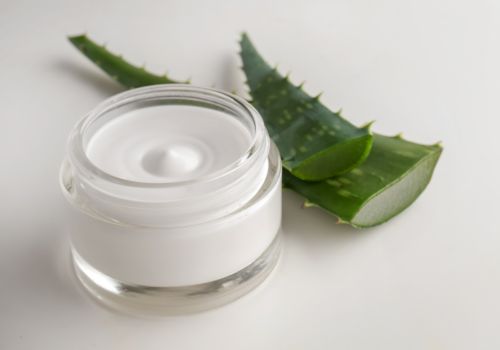
Using a moisturizer is crucial for minimizing fine lines. Consider a dual-purpose product with broad-spectrum SPF 30+.
Moisturizer is equally vital for women over 40, as it addresses the skin’s internal hydration needs. For men, skincare doesn’t need to mean a bathroom full of products. A good moisturizer and sunscreen are just two of the essential grooming basics worth having.
As we age, skin tends to become drier and less able to retain moisture. Daily moisturizer application helps replenish and lock in hydration, minimizing the appearance of fine lines and improving overall skin texture.
These same age-related skin changes don’t only affect the face. Many women also notice more visible veins, thinner skin, dry heels, and other signs of aging feet after 40 as collagen and connective tissues change throughout the body.
Others may notice unwanted facial hair after menopause as hormone levels change, which can influence both skincare and makeup choices.
Well-hydrated skin appears plumper and smoother, contributing to a more radiant and healthy complexion. As skin changes during menopause, many women also start exploring lighter makeup alternatives to foundation that feel more comfortable on dry or textured skin while still creating a natural, radiant finish.
Moreover, maintaining adequate hydration supports the skin’s natural barrier function, which protects against environmental irritants and supports skin repair. A consistent moisturizing routine is essential for preserving skin health and vitality.
Many people also choose products containing purified inner-leaf aloe vera to help soothe and hydrate dry or sensitive skin during menopause. Learn more in our guide to Aloe Vera: The Ultimate Midlife Hydrator.
Targeting Specific Concerns: A Focused Approach

After several weeks of consistent sunscreen and moisturizer use, address individual aging concerns. Focus on one issue at a time (e.g., wrinkles, dark spots) to optimize product efficacy. Simultaneous use of multiple potent anti-aging products can lead to irritation and exacerbate visible signs of aging.
Skin Type-Specific Formulations: Maximizing Effectiveness

To truly unlock the potential of any skincare product, particularly anti-aging products, it is essential to match the formulation to your unique skin type. This isn’t just a matter of preference or price; it’s about optimizing how your skin interacts with the product’s active ingredients.
For example, if you have oily skin, a heavy, emollient cream designed for dry skin could lead to clogged pores and breakouts, effectively negating any potential anti-aging benefits. Conversely, dry skin will struggle to retain moisture and reap the full benefits of a lightweight gel meant for oily skin.
Understand your Skin
Understanding your skin’s specific needs – whether it’s oily, dry, combination, or sensitive – allows you to select products that work in harmony with your skin’s natural processes. This targeted approach ensures that the active ingredients are absorbed and utilized most effectively, leading to visible improvements and maximizing the product’s overall performance. Therefore, a skincare routine tailored to your skin type is not just a luxury but a fundamental step in achieving optimal anti-aging results.
Decoding Product Labels: Essential Information
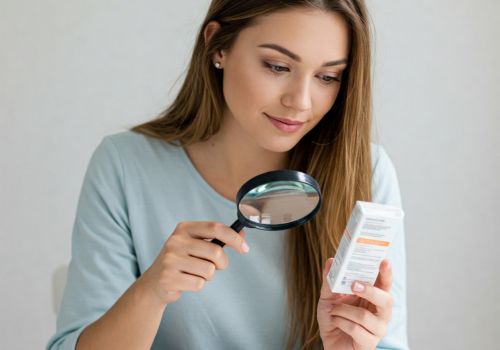
When you’re choosing skincare, especially anti-aging products, it’s like picking the right tools for a delicate job. You want to make sure they’re gentle and won’t cause any trouble. That’s why the labels on the packaging are so important. Here are the 3 most important ones to watch out for:
Hypoallergenic
This means the product is made with fewer ingredients that are known to cause allergies. Now, it’s not a guarantee you won’t have a reaction—everyone’s skin is unique—but it definitely lowers the risk.
Non-comedogenic/Non-Acnegenic
These words mean the product is designed to not clog your pores. Clogged pores can lead to breakouts, which is the last thing we want when we’re trying to look our best!
Products with Consumer Hotline
Make sure the product has a consumer hotline. This is a sign the company stands behind their product and is there to help if you have any questions or concerns. It’s like having a safety net.
By prioritizing products with these labels, you’re making smart choices that are kind to your skin and help you achieve the best possible results.
Have Realistic Expectations: Avoiding Misleading Claims
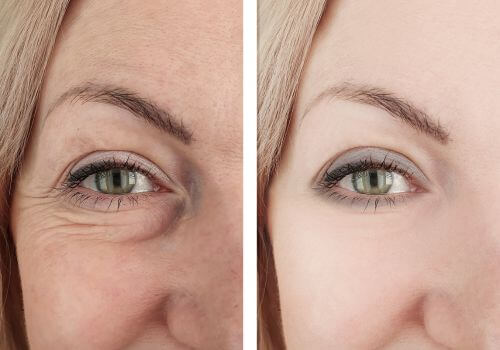
Avoid exaggerated claims
It’s easy to get swept away by flashy ads promising instant transformations, like ‘look 10 years younger!’ But let’s be real: anti-aging skincare works gradually, not magically, especially when your nervous system is under constant stress, which can accelerate visible aging.
These products are designed to improve your skin’s health and appearance over time, not to erase years in a single application. So, don’t fall for those exaggerated claims. Focus on products that promise consistent, long-term benefits.
Clinically Proven
You might also see ‘clinically proven’ on skincare product labels. Although it sounds impressive be aware that it can be misleading. It often means the product was tested on consumers, NOT that it went through rigorous clinical trials and got the FDA’s stamp of approval.
Price
Another thing to remember is that price does not equal effectiveness. Don´t assume that all expensive luxury brands are automatically the most effective! You can find amazing anti-aging products in all price ranges. What truly matters is the ingredients, how well they suit your skin, and your consistent routine.
Setting realistic expectations will help you avoid disappointment and make smarter, more informed choices for your skin’s health
Tips for Getting the Most Out of Your Products
Gradual Introduction
Introduce new products one at a time to monitor for adverse reactions. When you’re trying out a new skincare product, especially something potent like an anti-aging serum or retinol cream, it’s crucial to take it slow. Introducing new products one at a time allows you to pinpoint exactly how your skin reacts.
This lets you monitor for any adverse reactions like redness, itching, or irritation. Start with a small amount and gradually increase usage as your skin tolerates it. This cautious approach minimizes the risk of overwhelming your skin and helps you build a skincare routine that truly works for you.
Patch Testing
Before you apply any new skincare product to your face, especially those designed for anti-aging, it’s absolutely crucial to do a patch test. Think of it as a little trial run for your skin. The inner forearm is an ideal spot for this test because it’s relatively sensitive, similar to your facial skin.
How to Perform a Patch Test
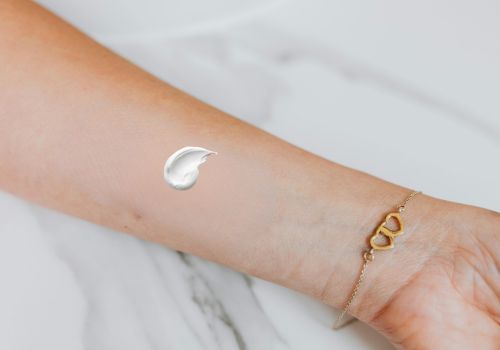
Apply a small, pea-sized amount of the product to this area and leave it undisturbed for 4-5 days. During this time, carefully observe the area for any signs of irritation, such as redness, itching, burning, or bumps. If you notice any of these reactions, it’s a clear signal that the product might not be compatible with your skin, and you should avoid using it on your face.
This simple step can save you from potential discomfort and prevent widespread irritation on your delicate facial skin. By taking the time to patch test, you’re being proactive about your skin’s health and ensuring that your skincare routine remains gentle and effective.
Discontinue Irritants
If a skincare product causes stinging or burning sensations, it’s your skin’s way of saying ‘no thanks!’ Don’t ignore these signs! Continuing to use a product that irritates your skin can lead to redness, inflammation, and even damage. It’s especially important to listen to your skin when using potent anti-aging products, as they often contain active ingredients that can be irritating for some.
Adhere to Instructions
Skincare products, especially those designed for anti-aging, come with specific instructions for a reason. These guidelines aren’t just suggestions; they’re carefully crafted to ensure you get the best results while minimizing the risk of adverse effects.
Avoid Potential Irritations
For example, some potent serums might need to be applied only at night, or in very small amounts to avoid irritation. Overusing these products can lead to redness, peeling, or even breakouts. Also, some night cream ingredients can react negatively with sunlight. This is primarily due to increased photosensitivity, which means your skin becomes more sensitive to UV radiation. Similarly, some moisturizers might be designed for specific skin types and applying them incorrectly can lead to clogged pores or dryness.
Read the Instructions
By carefully reading and following the product’s instructions, you’re respecting the science behind the formulation and giving your skin the best chance to benefit from its ingredients. It also helps you avoid wasting product and ensures you’re using it in a way that’s both safe and effective.
Consistent Use

Patience is key in skincare, especially when addressing anti-aging concerns. While some moisturizers might give you an instant plumping effect, most skincare products, like serums, creams, and treatments, need time to work their magic.
Don’t expect dramatic changes overnight! It’s important to commit to consistent use, following the recommended application schedule, for at least 6 weeks, and often up to 3 months, to see noticeable improvements. This is consistent with recent research on collagen peptides, where improvements in skin firmness were measured after 12 weeks of daily supplementation rather than within a few days.
This is because skin cell turnover takes time, and the active ingredients in your products need to penetrate and work their way through the skin’s layers. Consistent application allows the ingredients to build up and produce lasting results.
Many women also find it helpful to periodically do a gentle spring skin reset after 40 by simplifying their routine, reassessing products, and focusing on hydration and barrier support during menopause. So, stick with your routine, be patient, and give your skin the time it needs to transform. You’ll be rewarded with healthier, more radiant skin in the long run.
Some women also combine skincare routines with supportive practices such as face yoga, which may help improve facial muscle tone, circulation, and overall skin appearance during midlife.
Ongoing Protection
Maintaining healthy, youthful skin, especially as we age, requires consistent protection and hydration. Daily sun protection and moisturizing are non-negotiable. Many day creams now include SPF, offering a convenient two-in-one approach.
However, if your day cream lacks SPF, applying a separate, broad-spectrum sunscreen is essential. Both sun protection and moisturization work synergistically to prevent premature aging, keep skin hydrated, and maintain its protective barrier. Make these steps a daily habit for lasting skin health.
Avoid Tanning

While a sun-kissed glow might seem appealing, tanning, whether from sun exposure or tanning beds, significantly accelerates skin aging. Think of it as fast-forwarding the clock on your skin’s natural aging process. UV radiation from tanning damages collagen and elastin, the fibers that keep your skin firm and elastic. This leads to premature wrinkles, fine lines, sagging, and other signs of aging and sun-damaged skin.

Furthermore, tanning increases the production of melanin, which can result in uneven skin tone, age spots, and hyperpigmentation. Beyond cosmetic concerns, tanning also dramatically increases the risk of skin cancer, including melanoma.
Prioritizing sun protection and avoiding tanning is crucial for maintaining skin health and preventing premature aging. Opt for sunless tanning options if you want a bronzed look, and always use broad-spectrum sunscreen with an SPF of 30 or higher.
Professional Consultation

If you’ve diligently followed a skincare routine and still experience persistent concerns, such as stubborn wrinkles, persistent dryness, severe acne, or unusual skin changes, it’s time to seek professional consultation. Dermatologists and licensed estheticians are experts in skin health and can provide personalized recommendations tailored to your specific needs.
They can assess your skin type, identify underlying issues, and recommend effective treatments that over-the-counter products may not address. They can help save you time, money, and frustration by guiding you towards the most suitable solutions. Early intervention can prevent further skin damage and improve long-term skin health.
Avoid DIY Cosmetic Procedures

While the allure of at-home cosmetic procedures might be tempting, especially with the accessibility of affordable online devices like lasers and microdermabrasion tools, it’s crucial to understand the potential dangers. These devices, often sold without proper regulation or safety certifications, can cause significant harm when used by untrained individuals.
Dangers of Home Devices
Incorrect usage can lead to burns, scarring, hyperpigmentation, and even permanent damage. Furthermore, the quality and calibration of these devices are often unreliable, making it difficult to control the intensity and depth of treatment.
Avoid Shortcuts
Avoid the temptation to take shortcuts with your skin’s health. Professional cosmetic procedures are performed by trained and licensed practitioners who have the expertise to assess your skin, adjust treatment parameters, and handle potential complications. Opting for professional treatments ensures your safety and maximizes the effectiveness of the procedure. Prioritize your skin’s health and safety by avoiding DIY cosmetic procedures and seeking expert guidance.
Ingredient Insights: What to Seek and Avoid During Menopause
During menopause, hormonal shifts alter skin characteristics, necessitating targeted ingredient selection.
Recommended Ingredients:
- Retinoids (Vitamin A derivatives): Effective for reducing wrinkles and age spots, but may irritate sensitive skin.
- Hyaluronic Acid: A humectant that hydrates and plumps skin.
- Peptides: Stimulate collagen production, enhancing skin firmness.
- Antioxidants (Vitamin C, E, etc.): Protect against free radical damage.
- Ceramides: Help restore the skin’s natural barrier.
- Niacinamide: Helps reduce inflammation and redness, as well as improve skin tone and texture
Ingredients to Avoid:
- Fragrances: Common irritants, especially for sensitive skin.
- Parabens: Potential endocrine disruptors.
- Sulfates: Can strip skin of natural oils, leading to dryness.
- Alcohol (denatured): Can dehydrate and irritate skin.
- Mineral Oil/Petrolatum: Can clog pores, particularly for oily skin.
- Formaldehyde-releasing preservatives: Can trigger allergic reactions, may cause Cancer.
Lillepin Takeaway
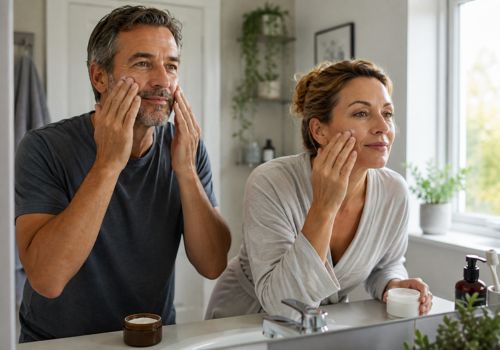
Selecting appropriate anti-aging products and adhering to proper usage protocols are crucial for maintaining skin health in midlife and during menopause. For personal recommendations, always consult with a Professional Dermatologist or trained and licensed practitioners.
Related Lillepin Research
P1-035 → Read the full article: AI Just Revealed a Hidden Truth About Menopause
P4-003 → Read the full article: Can Collagen Really Make Your Skin Firmer?
P4-005 → Read the full article: Comparing the Evidence for Treating Sun-Damaged and Aging Skin