Unwanted Facial Hair After Menopause: Understanding Hirsutism

Unwanted facial hair after menopause can come as an unwelcome surprise. You may suddenly notice a few coarse hairs on your chin, upper lip, or jawline that seem to appear overnight. While these changes can feel embarrassing or even distressing, they are much more common than many women realize.
Facial hair is one of the lesser-known changes that can occur during perimenopause and after menopause. As estrogen levels decline, the balance between female and male hormones shifts.
Although women naturally produce small amounts of androgens, including testosterone, throughout their lives, these hormonal changes can make facial hair more noticeable. This condition, known as hirsutism, refers to the growth of coarse, dark hair in areas where women typically have little or no visible hair, such as the chin, upper lip, jawline, chest, or abdomen.
While menopause is a common cause of mild facial hair growth, sudden or excessive hair growth can occasionally signal an underlying medical condition that should be evaluated by a healthcare professional.
Table of Contents
What Is Hirsutism?
Hirsutism is the medical term for excessive growth of coarse, dark hair in areas where women typically have little or no visible hair. While many women first notice it on the chin, upper lip, or jawline, hirsutism can also affect the neck, chest, around the nipples, abdomen, back, and other areas where men commonly grow thicker hair.
It’s important to remember that not every stray chin hair or upper lip hair is considered hirsutism. Many women naturally develop a few coarse facial hairs as they get older, particularly after menopause, and this is often a normal part of the aging process.
Healthcare professionals generally use the term hirsutism when hair growth becomes more widespread, more noticeable, or follows a male-pattern distribution due to increased androgen activity or greater sensitivity of the hair follicles to these hormones.
For many postmenopausal women, unwanted hair develops gradually over several years and may simply reflect the hormonal changes that occur with age rather than an underlying medical condition.
How Common Is Facial Hair After Menopause?
If you’ve started noticing a few coarse hairs on your chin or upper lip after menopause, you’re certainly not alone. Many women experience some increase in facial hair as they get older, even if they never had noticeable hair growth when they were younger.
For many women, only a handful of coarse hairs appear and are easily managed with occasional tweezing or another preferred hair removal method. Others may develop thicker or more widespread facial hair, particularly if they have a family history of hirsutism or other factors that influence hormone levels or hair follicle sensitivity.
In most cases, these changes develop gradually over time and are a normal consequence of the hormonal shifts that occur during menopause. However, if facial hair appears suddenly, increases rapidly, or is accompanied by other symptoms such as voice changes or severe acne, it’s important to seek medical advice.
Why Does Facial Hair Increase After Menopause?
The Changing Hormonal Balance
One of the biggest hormonal changes during menopause is the decline in estrogen and progesterone production. At the same time, women continue to produce small amounts of androgens—often called “male hormones”—including testosterone. Although androgen levels also decrease with age, they generally decline more gradually than estrogen.
As a result, the balance between these hormones changes. These hormonal changes can affect hair growth in different ways. While some women notice increased facial hair, others experience thinning hair on the scalp. This doesn’t mean your body is suddenly producing large amounts of testosterone. Instead, the lower levels of estrogen allow the effects of androgens to become more noticeable in some women.
Hair Follicles Become More Sensitive
Hormones are only part of the story. Hair follicles have androgen receptors, and some follicles are naturally more sensitive to these hormones than others.
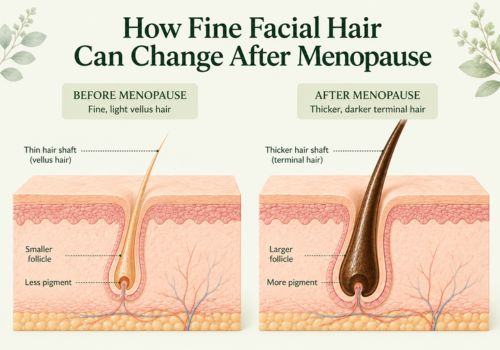
As estrogen levels decline, fine, soft hairs known as vellus hairs can gradually become thicker, darker terminal hairs, particularly on the chin, upper lip, and jawline.
This process usually develops slowly over several years, which is why many women notice only a few new hairs at first before seeing more gradual changes over time.
Other Factors That Can Contribute
Hormones are not the only reason some women develop unwanted facial hair after menopause. Several other factors may increase the likelihood of hirsutism, including:
- Genetics: Facial hair often runs in families. If your mother, sisters, or close female relatives developed unwanted facial hair after menopause, you may be more likely to experience it too.
- Ethnicity: Hair growth patterns naturally vary between different ethnic backgrounds, and some women are genetically predisposed to developing more noticeable facial hair.
- Hair follicle sensitivity: Even women with similar hormone levels can experience very different amounts of hair growth because their hair follicles respond differently to androgens.
- Insulin resistance: Higher insulin levels may stimulate androgen production and influence hair follicle activity in some women. While insulin resistance is not the cause of facial hair for everyone, maintaining good metabolic health may support overall hormonal balance.
The Emotional Side of Hirsutism
For many women, unwanted facial hair is more than just a cosmetic concern. It can affect self-confidence, body image, and emotional well-being, particularly when it appears unexpectedly after menopause.
Many women feel embarrassed about coarse hairs on their chin or upper lip and worry that other people will notice them. Others find themselves checking the mirror more often, avoiding close-up conversations, or feeling less comfortable in social situations. These feelings are completely understandable and are shared by many women experiencing similar changes.
Facial hair after menopause is not a reflection of poor health, poor hygiene, or a loss of femininity. It is a biological change that often results from normal hormonal shifts and differences in how individual hair follicles respond to those changes.
If unwanted facial hair is affecting your confidence or quality of life, remember that you don’t have to simply accept it. There is a range of safe and effective treatment and hair removal options available.
Supporting Hormonal and Metabolic Health
While lifestyle changes are unlikely to remove existing facial hair, they can support your overall well-being and may help promote a healthier hormonal environment.
The following habits support overall well-being and may help address some of the factors that influence unwanted hair growth after menopause.
Balanced Nutrition
A balanced diet that includes plenty of vegetables, fruit, whole grains, legumes, healthy fats, and adequate protein provides the nutrients your body needs to support healthy hormone function and overall well-being. Choosing high-fibre foods and limiting highly processed foods and added sugars may also help support healthy blood sugar levels.
Stay Physically Active
Regular physical activity offers many benefits during and after menopause. Resistance training helps maintain muscle mass and supports healthy metabolism, while activities such as walking, cycling, or swimming contribute to overall cardiovascular health. Staying active can also improve mood, energy levels, and insulin sensitivity.
Support Healthy Blood Sugar Levels
Insulin plays an important role in regulating blood sugar, but it also influences hormone production. In some women, insulin resistance is associated with higher androgen activity, which may contribute to unwanted hair growth.
While insulin resistance isn’t the cause of hirsutism for everyone, maintaining healthy blood sugar levels through diet, regular exercise, and weight management may help reduce one of the factors that can contribute to unwanted facial hair.
Natural Approaches
Some natural approaches, including spearmint tea and inositol (often referred to as vitamin B8, although it isn’t actually a vitamin), have been explored for their potential effects on hormone balance and androgen levels.
While early findings are encouraging, there is currently not enough high-quality research to recommend either as an effective treatment for unwanted facial hair after menopause. More studies are needed to determine whether they offer meaningful benefits for postmenopausal women.
Could It Be Something Other Than Menopause?
For many women, unwanted facial hair after menopause is simply the result of normal hormonal changes. However, in some cases, new or excessive hair growth may be linked to another medical condition.
This is particularly true if the hair appears suddenly, becomes significantly thicker over a short period, or is accompanied by other symptoms.
Late-Onset Polycystic Ovary Syndrome (PCOS)
Polycystic ovary syndrome (PCOS) usually develops during the reproductive years, but some women continue to experience its effects after menopause. Women who had PCOS earlier in life may continue to have higher androgen levels, making unwanted facial hair more noticeable after menopause.
Thyroid Disorders
Although thyroid disorders do not usually cause hirsutism directly, they can contribute to hormonal imbalances that affect hair growth.
If facial hair is accompanied by symptoms such as fatigue, unexplained weight changes, or increased sensitivity to heat or cold, your healthcare provider may recommend thyroid testing.
Adrenal Disorders
The adrenal glands also produce small amounts of androgens. Rare adrenal conditions can sometimes lead to excessive androgen production and more pronounced hair growth.
Although these disorders are uncommon, they should be considered if symptoms develop rapidly or are severe.
Certain Medications
Some medications can contribute to unwanted hair growth as a side effect. If you notice changes after starting a new medication, it’s worth discussing this with your healthcare provider. Never stop taking a prescribed medication without medical advice.
Red Flags
While gradual facial hair growth is common after menopause, it’s important to seek medical advice if you notice:
- Facial hair that appears suddenly or worsens rapidly.
- A deepening voice.
- Severe acne developing for the first time.
- Significant scalp hair thinning or hair loss.
- Increased muscle mass without a clear explanation.
- Irregular vaginal bleeding if you have not yet reached menopause.
Can Hormone Therapy Help?
Hormone replacement therapy (HRT) can help relieve many symptoms of menopause, including hot flashes, night sweats, vaginal dryness, and sleep disturbances. However, its effects on unwanted facial hair are less predictable.
For some women, restoring estrogen levels may help reduce the relative influence of androgens, particularly if hormonal changes are contributing to new hair growth. However, existing coarse hairs are unlikely to disappear, and results vary from person to person.
Because facial hair usually develops gradually over time, HRT is not prescribed solely to treat hirsutism. Women who are considering hormone therapy should discuss the potential benefits and risks with their healthcare provider based on their overall health, symptoms, and medical history.
Medical Treatment Options
If unwanted facial hair is becoming more noticeable or affecting your quality of life, your healthcare provider may recommend medical treatment. The most appropriate option will depend on the underlying cause of the hair growth, your overall health, and whether you have other symptoms.
Prescription Cream
Eflornithine cream is a prescription medication that helps slow the growth of facial hair. It doesn’t remove existing hair, but regular use may reduce the rate at which new hair grows, making it easier to manage. Results usually take several weeks to become noticeable, and hair growth typically returns to its previous pattern if treatment is stopped.
Anti-Androgen Medications
In some cases, your healthcare provider may prescribe medications that reduce the effects of androgens on the hair follicles. Examples include spironolactone and, in selected cases, finasteride.
These medications are not suitable for everyone and require medical supervision because they can have side effects and may interact with other medications. Your healthcare provider will discuss whether they are appropriate for your individual circumstances.
Hair Removal Options
There is no single “best” way to remove unwanted facial hair after menopause. The right approach depends on the amount of hair, your skin type, hair color, budget, and personal preference. Many women find that a combination of methods works best.
Temporary Hair Removal Methods
Several temporary hair removal methods are safe and effective for managing unwanted facial hair.
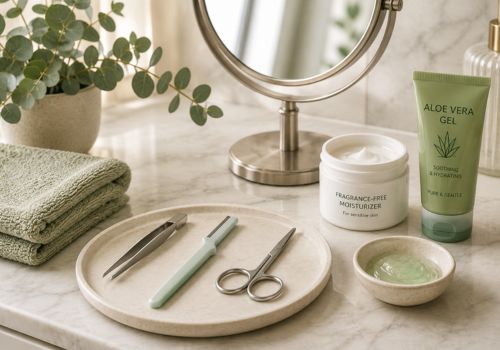
- Shaving: A quick, safe, and inexpensive option that does not cause hair to grow back thicker or darker.
- Tweezing: Ideal for removing a small number of coarse hairs, particularly on the chin.
- Threading: A popular option for shaping the eyebrows and removing facial hair with precision.
- Waxing: Removes hair from the root and can keep the skin smooth for several weeks, but may be more irritating for sensitive or thinning menopausal skin.
- Dermaplaning: Uses a small sterile blade to remove fine facial hair and dead skin cells, leaving the skin feeling smoother. While generally safe when performed correctly, it should be used with caution on fragile or easily irritated skin.
Laser Hair Removal
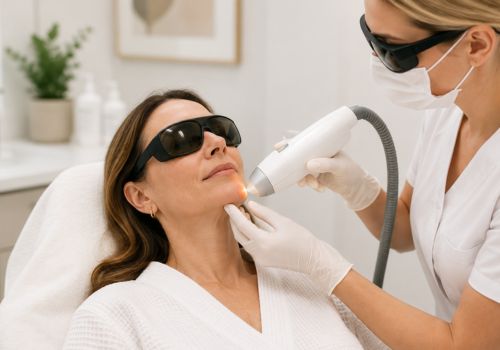
Laser hair removal works by targeting the pigment (melanin) in the hair follicle, reducing future hair growth over a series of treatments.
It tends to be most effective for women with dark hair and lighter skin, as the laser can more easily distinguish the hair from the surrounding skin. It is generally less effective for grey, white, red, or very blonde hair, which contains little or no pigment.
Although laser hair removal can provide long-lasting hair reduction, maintenance treatments may be needed over time.
Electrolysis
Electrolysis destroys individual hair follicles using a very fine probe and a small electrical current.
Unlike laser treatment, electrolysis is suitable for all hair colors and skin tones, making it an excellent option for postmenopausal women whose unwanted facial hairs have turned grey or white.
Because each hair follicle is treated individually, electrolysis usually requires multiple sessions and may take longer than laser hair removal. However, many women find the long-term results well worth the investment.
Mature Skin Care After Hair Removal
With declining estrogen levels during and after menopause, the skin often becomes thinner, drier, and more sensitive. It may also take longer to heal after irritation or minor injuries, making gentle skin care especially important after hair removal.
After removing unwanted facial hair, cleanse your skin with a mild, fragrance-free cleanser and apply a soothing moisturizer to help restore the skin barrier. If your skin feels irritated, products containing aloe vera or other calming ingredients may help reduce temporary redness and discomfort.
If you’ve had waxing, laser hair removal, or electrolysis, avoid direct sun exposure for a day or two whenever possible, and apply a broad-spectrum sunscreen with an SPF of at least 30 before going outdoors. This can help reduce the risk of irritation and post-inflammatory pigmentation.
If your skin is particularly fragile or sensitive, avoid harsh depilatory creams or aggressive waxing, as these may cause irritation or damage to delicate menopausal skin.
Myth vs. Fact
Myth: Shaving makes facial hair grow back thicker
Fact: Shaving does not change the thickness, color, or growth rate of hair. Because shaving cuts the hair at the surface of the skin, the blunt tip can make it feel coarser as it grows back, but the hair itself has not changed.
Myth: All women with facial hair have high testosterone levels
Fact: Not necessarily. Many postmenopausal women develop a few coarse facial hairs because estrogen declines more rapidly than androgen levels. Hair follicle sensitivity, genetics, and other factors also influence hair growth.
Myth: Plucking one hair causes several more to grow back
Fact: Removing one hair does not stimulate nearby hair follicles to produce more hair. If more hairs appear over time, it is usually due to the natural progression of hormonal changes rather than the hair removal method itself.
Myth: Natural remedies can cure menopause-related facial hair
Fact: Some natural approaches are being studied, but there is currently insufficient evidence to show that they can reliably reduce unwanted facial hair after menopause. They should not replace evidence-based medical advice or treatments when these are needed.
Lillepin Takeaway
Unwanted facial hair after menopause is a common experience, and for many women, it is simply another consequence of the hormonal changes that occur during midlife. While it can feel frustrating or affect your confidence, it does not define your health, your femininity, or who you are.
Understanding why facial hair develops is the first step toward deciding how you want to manage it. Whether you choose to remove an occasional chin hair, explore professional treatments, or simply embrace these natural changes, there is no right or wrong approach—only the one that feels right for you.
If your facial hair appears suddenly, worsens rapidly, or is accompanied by other symptoms, it’s important to speak with your healthcare provider to rule out an underlying medical condition. For most women, however, unwanted facial hair is simply a normal part of the menopause journey and can be managed safely and effectively with the right information and support.
Related Lillepin Research
P2-040 — Your Gut Does Not Stay the Same After Menopause
New research shows that menopause changes the gut microbiome, reducing bacterial diversity and altering microbes involved in estrogen metabolism, inflammation, and metabolic health. Scientists believe these changes may contribute to many common menopause symptoms and could play an important role in healthy aging.
→ Read the full article: Your Gut Does Not Stay the Same After Menopause.
P1-073 — Female Pattern Hair Loss Affects More Than Half of Postmenopausal Women
A 2022 study found that 52.2% of postmenopausal women had female pattern hair loss. Most women experienced only mild hair thinning, highlighting that this common menopause change is often less severe than many fear.
→ Read the full article Female Pattern Hair Loss Affects More Than Half of Postmenopausal Women
P4-003 — Can Collagen Really Make Your Skin Firmer?
A clinical trial found that a specific bioactive collagen peptide improved skin firmness and hydration, with some benefits continuing after supplementation ended.→ Read the full article: Can Collagen Really Make Your Skin Firmer?