Vagus Nerve and Menopause: How to Calm Your Body Naturally

Vagus Nerve? When you think about menopause, you probably think about hot flashes, sleep problems, mood swings, or weight changes. Very few women think about their nervous system.
Yet the vagus nerve plays an important role in how your body handles sleep, digestion, emotional balance, and recovery. During menopause, as hormones shift and stress tolerance can feel different, this calming pathway often becomes especially important. Similar nervous system changes can also occur in men as they experience age-related hormonal changes such as andropause.
Together, we’ll explore what the vagus nerve does, why it matters during menopause, and simple, supportive ways to work with your body instead of against it.
Table of Contents
The Vagus Nerve
helping the body settle and recover after stress.
The vagus nerve is a key part of your parasympathetic nervous system — the system responsible for helping your body rest, digest, and recover. It acts like a communication pathway between your brain and many of your organs, influencing heart rhythm, digestion, mood, and even how your body responds to stress.
During menopause, when hormonal shifts can make sleep lighter, stress responses stronger, and digestion more sensitive, this calming pathway becomes especially important. Supporting your vagus nerve can help your body return to balance more easily.
What is the Vagus Nerve?
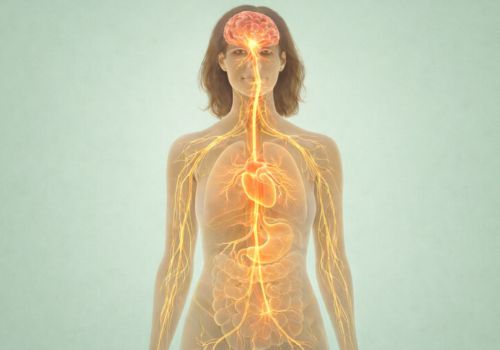
The vagus nerve (also called cranial nerve X) is the longest cranial nerve in your body. It begins in the brainstem and travels down through the neck into the chest and abdomen, connecting with important organs along the way.
It constantly carries messages between your brain and your body — helping regulate breathing, heart rhythm, digestion, and how quickly you recover after stress. In many ways, it helps your body know when it is safe to slow down again.
Where is the Vagus Nerve Located?
The vagus nerve begins in the brainstem and travels down through the neck into the chest and abdomen. Along its path, it connects with major organs including the heart, lungs, and digestive system — helping coordinate breathing, heart rhythm, and digestion.
Because it reaches so many parts of the body, it plays an important role in how stress, emotions, and physical symptoms are experienced during menopause.
How the Vagus Nerve Supports Your Body during Menopause
The vagus nerve does far more than simply carry messages. It helps guide your body back into a state of rest and recovery after stress by slowing the heart, supporting digestion, and helping the nervous system settle again. During menopause, when sleep may feel lighter and stress responses stronger, this ability to return to calm becomes especially important.
Emotional Regulation

settle and recover after stress.
The vagus nerve is closely connected to areas of the brain involved in emotion and stress regulation. It plays a role in calming pathways linked to neurotransmitters such as GABA and serotonin, which help support mood stability and a sense of emotional balance.
During menopause, when hormonal changes can make emotions feel closer to the surface, a well-supported vagus nerve may help the body settle more easily after stress, supporting greater emotional resilience.
Stress Management
The vagus nerve helps activate the body’s “rest and digest” response. Through the parasympathetic nervous system, it supports a return to calm after stress by slowing the heart rate, conserving energy, and allowing the body to recover.
When stress or perceived danger triggers the fight-or-flight response, the sympathetic nervous system prepares the body for action. The vagus nerve helps guide the body back toward balance once the stressful moment has passed.
Together, these two systems form the autonomic nervous system, which regulates many involuntary processes such as breathing, heart rhythm, digestion, and even deeper metabolic patterns like insulin resistance, especially when the body remains under prolonged stress.
Chronic nervous system activation may also influence other stress-related physical symptoms during menopause, including oral changes, such as jaw tension, dry mouth, and increased tooth sensitivity.
Immune Modulation
The vagus nerve communicates with your immune system, helping to regulate inflammatory responses. This is significant during menopause, as hormonal changes can sometimes exacerbate inflammation, contributing to symptoms like joint pain and fatigue.
Some women also notice unexpected structural changes in their bodies during menopause, including widening feet, fallen arches, or needing larger shoe sizes. Learn more about why menopause can sometimes make feet appear bigger.
By enhancing vagal tone, you can support a balanced immune response, potentially mitigating these inflammatory effects.
Cardiovascular Health
Menopause can sometimes increase cardiovascular risk as hormonal changes affect blood vessels and stress regulation. Supporting vagal tone through gentle practices such as slow breathing, relaxation, or meditation may help support heart health during this transition.
The vagus nerve plays an important role in heart rate variability (HRV), a marker of how well the heart adapts to stress. Higher HRV is generally associated with greater flexibility in the nervous system and improved recovery after stress.
Gut-Brain Connection

Menopause-related hormonal changes can sometimes affect digestion, contributing to bloating, constipation, or general digestive discomfort. The vagus nerve helps coordinate communication between the brain and the digestive system, supporting healthy gut movement and digestive function.
The vagus nerve is a key part of the gut-brain axis — the two-way communication pathway between your digestive system and your brain. Through this connection, it helps regulate inflammation, gut motility, and digestive activity.
A healthy microbiome also plays an important role in this communication system, which is why supporting gut bacteria during menopause may help support digestion, inflammation balance, and overall nervous system resilience.
Checking Your Vagus Nerve Function: Simple Self-Assessment
Your body often gives small signals about how well your nervous system is recovering after stress. While the vagus nerve itself can’t be measured directly, certain everyday responses can offer helpful clues about how well these calming pathways are working.
Here are a few simple ways to observe how your body responds over time.
Heart Rate Variability (HRV) Monitoring
Heart rate variability (HRV) reflects how flexibly your heart responds to stress and recovery. In general, a higher HRV is associated with stronger vagal activity and a nervous system that can return to calm more easily.
- Many modern smartwatches and fitness trackers now offer HRV measurement capabilities, allowing you to notice patterns over time rather than focusing on single readings.
- Pay attention to how quickly your heart rate settles after emotional stress or physical activity.
- Your resting heart rate can also offer clues. A lower resting heart rate is often linked with greater parasympathetic activity and improved recovery capacity.
Digestive Health
Regular bowel movements and comfortable digestion can be signs that the nervous system and digestive system are working well together. Because the vagus nerve helps coordinate communication between the brain and the gut, digestive comfort often reflects how easily the body settles after stress.
Body Awareness and Recovery Signals
Rather than testing specific reflexes, it can be more helpful to observe how your body responds to everyday situations. Feeling able to take a slow breath after stress, experiencing fewer stomach “knots,” or noticing that tension eases more quickly can all be signs that your nervous system is settling well.
Practical Strategies to Activate Your Vagus For Menopause Symptoms
Small, consistent habits can help support vagal activity and encourage the body to return to calm more easily — something that can make a meaningful difference during menopause.
Vocal Exercises

Practice slow, diaphragmatic breathing to gently support vagal activity and encourage the body to settle after stress.
Slow, steady breathing has been shown to improve heart rate variability (HRV), helping the nervous system return to calm more easily.
Activities that create gentle vocal vibration can also encourage relaxation by stimulating muscles connected to vagus nerve pathways. Try humming, singing, or chanting.
Even simple practices like gargling or singing along to favourite music can help activate these calming responses. Focus on the sensation of vibration in your throat and chest as you breathe slowly.
Cold Exposure
Brief exposure to cooler temperatures can encourage a calming reflex in the body and support nervous system regulation. Simple practices such as splashing cool water on the face or finishing a shower with a short burst of cooler water may help the body reset after stress.
Cold exposure should always feel gentle and optional. During menopause, when temperature sensitivity can vary, small adjustments are often more supportive than extreme approaches.
Progressive Muscle Relaxation (PMR)
Progressive Muscle Relaxation (PMR) involves gently tensing and releasing different muscle groups throughout the body. This practice can help reduce physical tension — something that often builds during menopause-related stress — and encourage the nervous system to settle into a calmer state.
Start at your toes and slowly work your way upward. Hold each muscle tension for about 5–10 seconds, then release and notice the feeling of relaxation before moving to the next area.
Connecting to Nature
Spending time in nature has been shown to have a calming effect on the nervous system. The sights, sounds, and natural rhythms of outdoor spaces can help the body shift toward relaxation and recovery.
A gentle walk in a park, sitting near water, or even tending to a small garden can offer simple moments of reset during the menopause transition.
Mindful Eating
Eating slowly and without distraction supports digestion and encourages the body to settle into a calmer state while you eat.
Pay attention to the texture, taste, and smell of your food. Slowing down meals allows the brain and digestive system to communicate more easily.
Supporting gut health also plays an important role. A balanced microbiome helps maintain the connection between the gut and the nervous system.
Sleep Hygiene

Prioritising quality sleep is essential during menopause. The vagus nerve becomes more active during deeper stages of sleep, supporting the body’s natural repair and recovery processes.
Establish a consistent sleep schedule, create a relaxing bedtime routine, and optimize your sleep environment. Gentle supports, such as calming evening routines or nutrients that promote relaxation, can also make settling into sleep easier.
Meditation and Mindfulness
Meditation and mindfulness practices can help calm the nervous system and support the body’s ability to recover after stress. Gentle techniques that focus on breathing, body awareness, or guided relaxation encourage the parasympathetic response and make it easier to return to a sense of balance.
Structured relaxation methods such as autogenic training can be especially helpful during menopause, offering simple ways to calm both body and mind.
Social Connections
Strong social connections can have a powerful calming effect on the nervous system. Moments of laughter, shared experiences, or simply feeling understood by another person can help the body shift out of stress and back toward balance.
Positive, supportive interaction encourages the release of oxytocin, sometimes called the “bonding hormone,” which supports feelings of safety and emotional well-being. Research often links nurturing relationships with healthier stress patterns, including improved heart rate variability (HRV), a sign of better recovery after stress.
At the same time, not all social interactions feel supportive. Relationships that create ongoing tension or emotional strain can keep the nervous system in a state of alertness. During menopause, it can be helpful to spend more time with people who feel safe and steady — and to gently create distance or clearer boundaries where interactions leave you feeling drained.
Yoga and Tai Chi
Yoga and Tai Chi combine gentle movement with slow, intentional breathing, making them supportive practices for calming the nervous system. The flowing movements and steady breath encourage the body to shift toward the parasympathetic “rest and recover” state, helping reduce tension and support relaxation.
Research has linked regular yoga practice with improvements in heart rate variability (HRV), a sign of greater resilience to stress. Practised consistently and without pressure, these mindful movements can help the body feel steadier and more balanced during menopause.
Empowering Your Menopause Journey

Hormonal changes during menopause can influence how the nervous system responds to stress, sleep, digestion, and emotional balance. Many menopause symptoms are closely connected, often affecting one another like falling dominoes. How easily the body is able to settle and recover after stress can shape how strongly these symptoms are experienced.
Rather than influencing just one symptom, the vagus nerve helps coordinate many systems involved in stress recovery, digestion, sleep, inflammation, and emotional balance.
If you want to explore how menopause symptoms connect across the nervous system, metabolism, sleep, digestion, and emotional health, you can continue with our comprehensive menopause symptoms guide.
Nurturing your vagus nerve is an investment in your long-term health and well-being — but it is not about doing everything perfectly. Small, consistent habits often make the biggest difference.
Gentle daily choices such as nourishing food, supportive routines, and reducing unnecessary stress can gradually help restore balance. Approaches that focus on supporting the body’s natural detox and recovery processes can also gently support recovery during the menopause transition.
Conclusion
The vagus nerve is an important part of how the body restores balance and resilience during menopause. By understanding how it supports stress recovery, digestion, sleep, and emotional well-being, you can begin to work with your body rather than against it.
Small, supportive habits practiced consistently can help create a greater sense of calm, steadiness, and confidence throughout this transition. Gentle lifestyle shifts that prioritize comfort, restoration, and emotional well-being can also help you build routines that truly support this stage of life.
If you’d like to explore this topic more deeply and learn simple ways to support your nervous system in everyday life, you can download our free ebook, Activate Your Vagus Nerve — A Holistic Guide to Gut-Brain Health and Resilience.
Related Lillepin Research
P1-035 — AI Mapping Reveals Organ-by-Organ Molecular Shifts During Menopause
A 2026 Nature Aging study suggests that menopause may affect interconnected systems, including metabolism, inflammation, nervous-system regulation, and tissue aging.
→ Read the full article: AI Just Revealed a Hidden Truth About Menopause
P1-049 — Scientists Finally Start to Understand Menopause Brain Fog
A 2026 Lancet review explores how menopause may influence memory, attention, focus, and mental clarity during midlife.
→ Read the full article Scientists Finally Start to Understand Menopause Brain Fog
P1-054 — Scientists Discover a Surprising Connection Between Your Bones and Your Brain
A 2026 Biomolecules review explores the emerging bone-brain axis, suggesting that bone health and brain function may be connected through hormones, inflammation, immune signaling, neurotransmitters, and stress-related pathways.
→ Read the full article Scientists Discover a Surprising Connection Between Your Bones and Your Brain
P2-040 — Your Gut Does Not Stay the Same After Menopause
New research shows that menopause changes the gut microbiome, reducing bacterial diversity and altering microbes involved in estrogen metabolism, inflammation, and metabolic health. Scientists believe these changes may contribute to many common menopause symptoms and could play an important role in healthy aging.
→ Read the full article: Your Gut Does Not Stay the Same After Menopause.