Why Do I Suddenly Have High Blood Pressure?

The Midlife Hormone Link
High Blood Pressure?!? You live a relatively healthy life, you always had low blood pressure, and during a health check, your doctor suddenly tells you that your blood pressure is too high.
For many women in their 40s and 50s, this sudden spike, known as hypertension, comes as a shock, and it often feels completely disconnected from any prior health history.
Many women worry, wondering what has brought on this sudden shift. They look for reasons, but the answer lies deep within the hormonal changes of midlife.
This silent condition is a major health risk, but understanding the link between falling estrogen levels and rising blood pressure is the first step toward taking control.
This guide will explain the connection and give you actionable steps, from diet and natural regulators to accurate monitoring, that you need to master this common menopausal challenge.
Table of Contents
1. Understanding the Midlife Surge: High Blood Pressure Basics

What Exactly is Hypertension?
We often talk about “high blood pressure” (at least as we get older), but what does it actually mean, and why is it suddenly a big issue during the midlife transition?
In simple terms, high blood pressure, or hypertension, means the force of your blood pushing against the walls of your arteries is consistently too high. Think of your heart as a pump and your arteries as hoses: if the pump is working overtime or the hoses are constricted and stiff, the pressure inside rises dramatically.
When you receive a blood pressure reading, you get two numbers:
Systolic Pressure (The Top Number): This measures the pressure in your arteries when your heart beats (contracts). This number is the main concern in midlife as it often rises first due to stiffening arteries.
Diastolic Pressure (The Bottom Number): This measures the pressure in your arteries when your heart is at rest (between beats).
If this pressure remains elevated over time, it silently forces your heart to work harder. This damages the arterial walls, and increases the risk of serious health events, such as heart attacks and stroke. This is a key health marker that cannot be ignored, especially for women who are going through menopause.
Is Systolic or Diastolic Pressure More Dangerous for Midlife Women

While both numbers are important, studies show that in women over 50, Systolic Blood Pressure (the top number) is the more critical factor and the better predictor of risk for stroke and heart attack.
This is because the top number reflects the rigidity and damage already present in the large arteries, which occurs as estrogen protection fades. Therefore, if your top number is consistently high, you must focus your management efforts there.
A Midlife Wake-Up Call: What High Blood Pressure Feels Like
It is common to hear that high blood pressure has no symptoms, but for many women in midlife, the body gives subtle, urgent warnings long before the diagnosis.

Here is a typical experience:
“All of my life my blood pressure was low or normal. However, as I got older, I found myself feeling slightly dizzy at times, accompanied by a strange feeling, as if I was plugged into the mains. It felt like a constant, underlying hum of nervous energy, often coupled with a slight pressure headache.
These symptoms always got worse when I was stressed, exercised, or did something strenuous. They also got worse when I was in pain (like with a sore back or joint flare-up). When I finally told my doctor about this escalating discomfort, the blood pressure reading was shockingly high, which took me completely by surprise and instantly made me worry.”
This anxiety-inducing cycle is precisely why you cannot wait for the extreme symptoms. The dizziness, the pressure headache, and the amplified response to stress and pain are often your earliest warning signs that your vascular system is under constant pressure.
How Does Normal Blood Pressure Change with Age?

Many women compare their blood pressure reading to what was “normal” for them 10 or 20 years ago, but the truth is, average blood pressure tends to increase as we age.
This is a common phenomenon, particularly for women over 50, who have entered menopause and lose the protective effects of estrogen. However, while the average may rise, the established medical standard for a healthy reading remains strict.
It’s crucial to know where your reading falls on the clinical scale, but understanding how blood pressure historically shifts can help put your midlife readings into context. Use this simplified table as a quick reference:
| Category | Systolic BP (Top Number) | Diastolic BP (Bottom Number) | Medical Guidance |
| Normal | Less than 120 | and Less than 80 | Maintain healthy lifestyle. |
| Elevated | 120–129 | and Less than 80 | Focus on diet and lifestyle changes. |
| Stage 1 Hypertension | 130–139 | or 80–89 | Lifestyle change and possible medication. |
| Stage 2 Hypertension | 140 or higher | or 90 or higher | Lifestyle change and likely medication. |
| Hypertensive Crisis | Higher than 180 | and/or Higher than 120 | Immediate medical attention is required. |
Remember: Although average blood pressure often creeps up naturally, the goal of modern health standards is to keep your BP around or below 120/80 mmHg to minimize long-term damage and cardiovascular risk, regardless of your age.
The Silent Threat: Why Symptoms Are Missed

High blood pressure is notoriously dubbed “the silent killer” precisely because, for most people, it produces no obvious symptoms. However, for women in the midst of perimenopause and menopause, your body may be giving you clues that are subtle enough to be easily dismissed menopause symptoms.
The specific, vague symptoms that often signal rising pressure in midlife include:
- Feelings of Panic or Restlessness: Sudden, inexplicable surges of anxiety or an intense feeling of being on edge.
- Pressure Headaches: A dull, persistent ache, often felt in the back of the head or temples.
- A Feeling of Chest Pressure: A sensation of tightness or a “weight on the chest.” (Note: This symptom requires immediate medical evaluation to rule out heart issues.)
- Pain or Tightness in the Neck or Arms: Chronic muscle tension that doesn’t seem to abate.
- Shortness of Breath or Difficulty Catching Your Breath (especially during light activity or at rest).
- Feeling Slightly Nauseous or having an upset stomach.
- Dizziness or Vertigo: A feeling of lightheadedness or unsteadiness, especially upon standing up quickly.
- Tinnitus: A persistent ringing or buzzing in the ears.
- Fatigue: Unusual or chronic tiredness not relieved by rest.
Unfortunately, many women dismiss these signs as they can easily be confused with other menopausal complaints, like anxiety or general stress. This can be dangerous because the symptoms are subtle.
They are not sharp or sudden, which is why they are often overlooked until a routine checkup reveals a dangerously high number. This is why paying close attention to your body’s signals, like dizziness, headaches, shortness of breath, and chest pressure, is your best defense.
Crucial Safety Note:
Heart attack symptoms in women are often very different from those in men. They may manifest as extreme fatigue, shortness of breath, jaw or back pain, or severe nausea, not always the dramatic chest-clutching pain or pain in the left arm. Any new or severe chest pressure, shortness of breath, or unusual pain requires immediate medical evaluation.
What Counts as a High Reading?

If your doctor used terms like “Stage 1” or “Elevated,” it can sound confusing. You might even wonder: Is a high reading for a 20-year-old the same as a high reading for me at 55?
This is a valid question, as average blood pressure does tend to increase with age. However, based on modern cardiovascular research, the medical community maintains a strict, universal standard because damage to your heart and arteries begins when pressure rises above optimal levels, regardless of your age.
The simplest way to define a high reading is any reading that is consistently above 120/80 mmHg.
Here is what it means when you see those numbers on your monitor:
Elevated Blood Pressure: If your systolic reading is 120–129 and your diastolic reading is less than 80, your blood pressure is considered Elevated. This is your body giving you a clear warning sign that lifestyle adjustments are urgently needed to prevent true hypertension.
Stage 1 Hypertension: This is diagnosed when readings are consistently in the range of 130–139 (systolic) OR 80–89 (diastolic). Notice the keyword “OR”! You only need to cross the threshold on one of the numbers for the diagnosis to apply. This stage usually requires active lifestyle changes and sometimes medication.
Stage 2 Hypertension: This is a more severe form, defined by readings of 140/90 mmHg or higher. At this point, medication is almost always recommended alongside comprehensive lifestyle modifications.
In Summary:
While your blood pressure may naturally creep higher in midlife, the goal is still 120/80 mmHg or below. Acknowledging the general trend does not mean accepting the risk.
2. The Hormonal Connection: Estrogen’s Protective Role
The Estrogen-Blood Vessel Link
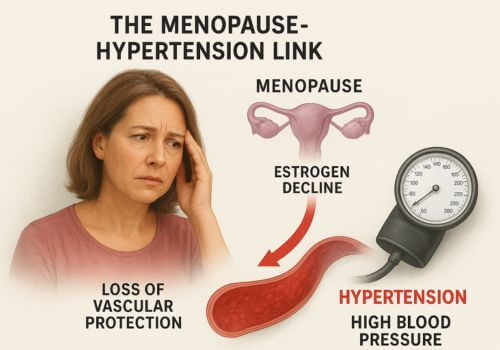
Why is your blood pressure suddenly a problem now, when it was fine during your 30s? The answer points directly to your ovaries and the decline of the mighty hormone, Estrogen.
These major shifts typically begin in the early to mid-40s (perimenopause), and with them, changes to your vascular system accelerate.
For decades, estrogen was your cardiovascular system’s best friend, acting as a natural protector and regulator in several key ways:
Vascular Flexibility: Estrogen is a powerful vasodilator, which means it helps keep your arteries relaxed, smooth, and flexible. Think of your blood vessels as soft, pliable hoses. When estrogen levels are adequate, your blood flows through easily, keeping the pressure low.
Nitric Oxide Production: Estrogen promotes the production of Nitric Oxide. This is a compound that signals the blood vessels to relax and widen, like the body’s natural pressure valve.
Inflammation Control: Estrogen helps suppress inflammation and prevents plaque from building up on artery walls.
When you enter perimenopause, your estrogen levels become erratic and then drop severely as you enter menopause. This loss is like removing a protective coating: your arteries become stiffer and lose their flexibility.
The body has to pump blood through a tighter, less pliable system, which causes the pressure to rise. This often results in the sudden onset of high blood pressure or hypertension in midlife.
It’s important to note that while hormones create this fundamental vulnerability, lifestyle issues, like stress, weight gain, and certain habits (smoking, sedentary lifestyle, etc.) will amplify and accelerate this damage.
The Sympathetic Nervous System Overdrive (The Worry-BP Cycle)

You may not be aware that the relationship between your hormones and your high blood pressure is not just physical. it is profoundly emotional, creating a vicious cycle of worry and vascular tension.
The fluctuating hormones of menopause have a direct impact on your brain chemistry and the function of your Sympathetic Nervous System (SNS), which controls your “fight-or-flight” response. Think of it as your internal panic button becoming extremely sensitive:
Lowered Threshold for Panic: As estrogen drops, the regulation of neurotransmitters like adrenaline becomes volatile. This means small stressors, like a difficult phone call or a red light when you’re in a rush, can trigger disproportionately strong responses that lead to those sudden feelings of panic and restlessness you may have experienced.
Adrenaline and Vasoconstriction: When you feel a surge of worry or anxiety, your body floods with adrenaline and cortisol. These stress hormones are immediate vasoconstrictors. They forcefully tighten your arteries, causing a sharp, immediate spike in your blood pressure.
The Feedback Loop: If you have underlying hypertension, these anxiety-fueled spikes become more frequent and more damaging. The worry causes the pressure to rise; the high pressure causes physical symptoms (like palpitations or headaches), which in turn lead to more worry, cementing the Worry-BP Cycle.
This hormonal overdrive explains why emotional symptoms like anxiety and panic are not just annoyances in midlife; They are direct drivers of your vascular risk, making the control of stress a fundamental part of managing your blood pressure.
3. Physical & Lifestyle Factors that Amplify Midlife Hypertension

Chronic Pain and Vascular Tension
It’s easy to dismiss persistent aches and pains, especially joint pain, migraines, or chronic neck/back pain, as merely irritating symptoms of midlife aging. Even if you have a high pain threshold, be aware that chronic pain is a profound amplifier of your high blood pressure risk.
When you are in pain, your body triggers a continuous, low-level stress response. This means:
Elevated Adrenaline: Pain signals tell your brain that something is wrong, leading to the continuous release of adrenaline and cortisol (the same hormones released during anxiety).
Sympathetic Dominance: This chemical bath keeps your nervous system in a constant state of defense, preventing your arteries from ever fully relaxing.
Vascular Tension: Your blood vessels remain subtly constricted, which increases the effort required for blood flow. This results in driving your hypertension readings higher.
This cycle is a self-fulfilling prophecy: The pain raises your BP, and the elevated BP exacerbates the feeling of tension and pressure in areas like the neck and head. Therefore, actively managing chronic pain is just as crucial for lowering blood pressure as reducing stress itself.
Smoking: The Vascular Accelerator

Of all the lifestyle factors that accelerate the risk of high blood pressure in midlife, smoking is perhaps the most immediate and damaging. If you are struggling with rising BP, this is a habit you must address immediately.
Smoking damages your arteries in two critical ways:
Immediate Spike: Every time you take a puff, nicotine causes a temporary, sharp increase in your blood pressure and heart rate. It acts as a powerful stimulant and vasoconstrictor, forcing your heart to work harder right away.
Long-Term Hardening: Over time, the chemicals in smoke damage the endothelium (the delicate inner lining of your blood vessels). This speeds up the process of arterial hardening and stiffening. This is the exact problem that the loss of estrogen is already causing. This double-whammy of damage significantly raises your risk of developing chronic hypertension and suffering a severe cardiovascular event.
Simply put, continuing to smoke while navigating the menopausal drop in protective hormones is like hitting the fast-forward button on vascular aging and midlife health risk.
Alcohol: The Nightly Blood Pressure Boost

While a single glass of wine may temporarily relax you, regular, moderate, or heavy alcohol consumption is a major driver of chronic high blood pressure and can severely complicate midlife health management.
A Dangerous Myth:
One of the most common, but dangerous, pieces of advice is that having a drink, like a glass of whiskey, will help lower your blood pressure and reduce stress.
Although it is true that alcohol initially causes mild vasodilation (relaxation) that might briefly lower your pressure, the effect is short-lived. Your BP will surge higher than before, especially during the night in the hours after consumption as your body begins processing the alcohol.
Alcohol raises your blood pressure through several mechanisms:
Rebound Spike: The post-consumption surge stimulates the release of stress hormones, which act as powerful vasoconstrictors, tightening your blood vessels.
Kidney Function Interference: Alcohol can interfere with the kidneys’ ability to filter fluid, which leads to fluid retention. The more fluid there is in your system, the more volume moves through your arteries. This significantly increases the pressure.
Hormonal Interference: Regular alcohol consumption can disrupt cortisol and other hormone levels, which adds to the hormonal chaos already present in menopause.
For women, guidelines suggest limiting alcohol to one drink per day or less. If you consistently exceed this limit, it will make controlling hypertension challenging, as it effectively undermines any positive dietary or exercise changes you may be making.
The Weight and Metabolism Shift

The hormonal turbulence of menopause affects not just your arteries, but your entire metabolic engine. This explains why gaining weight, particularly around the abdomen, is one of the most common and powerful amplifiers of high blood pressure risk.
Why does the midlife metabolism shift accelerate hypertension?
Belly Fat and Inflammation: When estrogen drops, fat storage often shifts from the hips and thighs to the midsection (visceral fat). This visceral fat is metabolically active and constantly releases inflammatory chemicals. This systemic inflammation damages the sensitive lining of your blood vessels and further contributes to the arterial stiffening that started with estrogen loss.
Increased Circulatory Volume: In simple terms, the bigger your body mass, the more blood your heart has to pump to supply that tissue. Increased volume automatically leads to higher pressure within your arteries.
Insulin Resistance: Menopause often triggers insulin resistance, which is closely linked to hypertension. When cells resist insulin, the body begins to produce more. High insulin levels can cause the body to retain sodium and water, which raises blood pressure.
Weight gain isn’t just a cosmetic issue in midlife; it’s a profound cardiovascular risk factor that works synergistically with your declining hormones to drive up your blood pressure readings.
Sleep Deprivation and Vascular Stress

If you’re dealing with the typical midlife combination of insomnia and night sweats, you’re not just tired; you actively increase your risk of hypertension.
Sleep deprivation is a powerful amplifier of high blood pressure because it disrupts the one time your cardiovascular system can take a break.
For many midlife women, this physical exhaustion is layered with intense emotional stress: the added worry about aging parents, the complex demands of growing children, or insecurity on the work front. This combination means your nervous system is constantly running a double shift.
During healthy, deep sleep, your body naturally lowers its blood pressure by about 10–20%. This critical drop, called nocturnal dipping, gives your heart and arteries a much-needed rest and recovery period.
However, when your sleep is chronically disrupted by night sweats, frequent waking, joint pain or emotional overload:
You Miss the Dip: Your body never reaches that restorative deep-sleep state, causing your blood pressure to remain elevated 24/7.
Stress Hormones Surge: Lack of sleep and continuous worry trigger constant releases of cortisol and adrenaline. The release of these hormones constantly constrict your blood vessels, preventing relaxation and pushing your daily readings higher.
Prioritizing healthy sleep is not a luxury! It is a necessity to effectively manage your high blood pressure because it’s the only natural, daily mechanism your body has to regulate and relax the vascular tension accumulated throughout the day.
The Inflammatory Diet

Aside from obvious culprits like smoking and excessive alcohol, the general quality of your daily diet acts as a powerful lever, either calming or aggressively accelerating your risk of high blood pressure. A diet high in processed foods, excess refined sugar, and unhealthy saturated fats accelerates the risk of inflammation.
Here’s how what you eat contributes to hypertension:
Vascular Damage: Chronic inflammation triggered by high sugar and poor-quality fats actively damages the delicate, estrogen-deprived lining of your blood vessels. This speeds up the stiffening process that makes your arteries less able to handle the pressure.
Atherosclerosis Risk: High consumption of certain fats and processed ingredients contributes to the buildup of plaque (atherosclerosis). Plaque narrows the arteries. This forces your heart to exert massive pressure to push blood through, i.e. high blood pressure.
Metabolic Dysfunction: These foods contribute to the insulin resistance mentioned earlier, which causes your body to retain sodium and volume. This puts an unnecessary load on your entire circulatory system.
In short, when the protective benefits of estrogen fade, your diet steps in as the primary regulator of vascular inflammation. Eating an inflammatory diet turbocharges the very process that leads to midlife hypertension.
4. Food and Focus: Action Steps to Naturally Lower Blood Pressure

Sodium, Salt, and Swelling
When you’re trying to manage high blood pressure, your relationship with salt must change. Excessive sodium intake is one of the fastest and most direct ways to increase fluid retention and pressure in your arteries.
It´s simple: sodium attracts water. When you consume high amounts of salt, your body holds onto extra fluid to dilute the sodium. This increased fluid volume swimming through your bloodstream forces your heart to pump harder, which directly raises your hypertension readings.
The challenge is that most of the sodium we consume doesn’t come from the salt shaker; it comes from prepared and processed foods.
The Surprising Sources of Sodium:
Restaurant and Fast Food: Even seemingly healthy salads or sandwiches often contain massive amounts of sodium.
Canned Soups and Vegetables: These rely heavily on salt for preservation and flavor.
Frozen Meals and Processed Snacks: Any food with a long shelf life is likely preserved with high levels of sodium.
Breads and Baked Goods: Sodium is used in leavening agents and flavor enhancers.
Your Action Goal: Aim to limit sodium intake to less than 1,500 mg per day, especially if you have an existing diagnosis of high blood pressure.
The Flavor Solution: Don’t let low-sodium mean low-flavor! Instead of salt, lean heavily on herbs and spices. Furthermore, you can use commercial salt substitutes that contain ingredients like potassium chloride, tricalcium phosphate, or calcium silicate. These substitutes provide a salty flavor while replacing sodium with potassium, which is a beneficial mineral for BP regulation.
Important Safety Warning: If you have kidney disease or are currently taking medication for your high blood pressure (especially ACE inhibitors or diuretics), you must consult your doctor before using salt substitutes containing potassium chloride. These substitutes can cause dangerously high potassium levels in certain individuals.
Focusing on fresh, whole foods that you prepare yourself is the most effective way to gain control over your sodium consumption and prevent unnecessary vascular strain.
Power Nutrients to Combat Hypertension

While reducing sodium is key, what you add to your diet is equally important for tackling hypertension. Three powerhouse nutrients, Potassium, Magnesium, and Fiber, work together to help stabilize your blood pressure and promote overall vascular health.
| Nutrient | How It Helps Regulate BP | Top Food Sources |
| Potassium | Directly counteracts sodium by encouraging the kidneys to excrete it. It also helps relax blood vessel walls. | Bananas, Spinach, Sweet Potatoes, Avocados, White Beans. |
| Magnesium | Acts as a natural calcium channel blocker, helping to relax smooth muscles in the arteries, leading to vasodilation. | Pumpkin Seeds, Almonds, Dark Chocolate, Black Beans, Leafy Greens. |
| Fiber | Particularly soluble fiber, it helps manage weight and lower inflammation. It also aids in reducing LDL (“bad”) cholesterol, which promotes cleaner arteries. | Oats, Apples, Berries, Lentils, Whole Grains. |
Adopting a dietary pattern rich in these three nutrients, like the heart-healthy DASH (Dietary Approaches to Stop Hypertension) diet, is one of the most effective ways to naturally manage your blood pressure, support artery flexibility, and complement the work of any medication.
Powerful Foods and Drinks
Two simple additions have demonstrated significant BP-lowering effects in clinical studies:
Hibiscus Tea: Consuming two to three cups daily of this cranberry-like tea can result in a modest but significant drop in both systolic and diastolic blood pressure. Its compounds act as natural ACE inhibitors, helping to relax blood vessels.
Garlic: Known for its potent anti-inflammatory properties, aged garlic extract or regular consumption of fresh garlic has been shown to improve Nitric Oxide production, which helps dilate and relax the arteries.
Warning:
Both garlic and hibiscus tea can interact with certain blood pressure medications (potentially lowering it too much). Always inform your doctor before significantly increasing your intake of any powerful food, drink, or supplement.
Natural Blood Pressure Regulators (Lifestyle and Supplements)
The fastest way to gain control over the stress-induced spikes in your high blood pressure is by activating your body’s natural relaxation system: the Vagus Nerve. Although supplements can also play a supportive role, they must always be discussed with a health professional.
Harnessing the Vagus Nerve Solution

The Vagus Nerve is the main nerve in your body’s “rest and digest” (parasympathetic) system. By stimulating it, you can manually interrupt the “fight-or-flight” cycle that drives hypertension and anxiety.
| Technique | How It Works | BP Benefit |
| Deep, Slow Breathing | Slow, intentional breathing (exhaling longer than inhaling) is the easiest way to signal to the Vagus Nerve that you are safe. | Immediately lowers heart rate and provides temporary BP relief. |
| Gargling | Vigorously gargling with water activates the muscles in the back of the throat, directly stimulating the Vagus Nerve. | A quick way to interrupt panic and reduce restlessness. |
| Cold Exposure | Splashing cold water on your face or neck (or taking a cold shower) triggers the “mammalian diving reflex,” which strongly activates the Vagus Nerve. | Forces a powerful systemic calming response. |
Supportive Supplements
Certain supplements have been shown in studies to support healthy blood pressure levels, particularly in conjunction with diet and lifestyle changes.
Coenzyme Q10 (CoQ10): An antioxidant that supports the health of heart muscle cells and may relax blood vessels.
Fish Oil (Omega-3s): Known for reducing inflammation and improving overall vascular health.
Beetroot Powder: Rich in nitrates, which the body converts to Nitric Oxide (the vasodilator mentioned in Section 2).
Important Caution:
Always consult your physician or a qualified healthcare provider before starting any new supplement, especially if you are already taking medication for hypertension. Supplements can interact with prescribed drugs and may be contraindicated for certain conditions.
Movement, Not Just Cardio

When doctors recommend exercise for high blood pressure, many women feel apprehensive that strenuous exercise might aggravate existing joint pain. Or worse, they may feel too scared to exercise, worrying that the increased heart rate will elevate their BP or worsen symptoms like shortness of breath and dizziness even more.
Here is the reassurance you need: movement is one of the best regulators of chronic hypertension, and the goal is gentle consistency, not high intensity.
Safety and Intensity Tip:
While you should gently push yourself to feel slightly challenged (a sign you’re building cardiovascular health), you must stop immediately if you experience any sharp pain, severe dizziness, lightheadedness, or worsening chest pressure.
Use the “Talk Test”: you should be able to speak in a full, slightly labored sentence, but you should not be able to comfortably sing or carry on a long, effortless conversation. If you are gasping for air between words, you need to ease up!
Monitoring During Movement:
If you use a clinically validated BP monitor (not a standard smartwatch) before and immediately after exercise, expect your Systolic (top) number to rise significantly. However, you should generally keep your systolic BP below 220 mmHg during peak exertion. If your BP spikes above this, or if your Diastolic (bottom) number rises above 110 mmHg, stop immediately and discuss your exercise routine with your doctor.
Exercise helps stabilize your blood pressure by making your heart more efficient and helping your arteries stay flexible.
| Type of Movement | BP Benefit | Joint-Friendly Examples |
| Aerobic Exercise | Directly strengthens the heart, allowing it to pump more blood with less effort, which naturally lowers the pressure on your arteries. | Brisk walking, cycling, swimming (excellent for joint pain), water aerobics, or using an elliptical machine. |
| Resistance Training | Building muscle mass improves metabolic function and insulin sensitivity, helping to counter the midlife weight shift. | Using light dumbbells, resistance bands, Pilates, or bodyweight squats. |
| Mind-Body Practices | Reduces cortisol levels, directly combating the Sympathetic Nervous System overdrive (the stress/panic cycle). | Yoga, Chair Yoga, Tai Chi, and simple mindful stretching routines. |
The Consistency Rule:
The key to using movement as a BP regulator is to find something you enjoy and do it regularly. Aim for at least 30 minutes of moderate activity on most days of the week. This steady, daily practice is far more effective than intense, sporadic workouts at maintaining long-term vascular health.
5. Accurate Monitoring: When to See a Doctor
How to Log and Identify Dangerous Readings

If you have been diagnosed with hypertension, home monitoring is your single most important tool for taking control. It helps you track the effectiveness of your lifestyle changes and provides your doctor with the data needed to make accurate decisions about medication.
To get useful readings, consistency is everything:
Timing: Take your BP at the same two times every day (e.g., 8:00 AM and 8:00 PM). Always take it before you take any medication.
Technique: Sit quietly for 5 minutes beforehand. Your feet should be flat on the floor, legs uncrossed, and your arm should be supported at heart level. Never talk while taking a reading.
Logging: Record both the systolic (top) and diastolic (bottom) numbers, the time, and the date. Use a simple notebook or a dedicated app.
When to Contact Your Doctor Immediately

While chronic hypertension is a long-term issue, some readings signal an immediate, urgent problem. You should call your doctor or seek emergency care if you experience the following combinations:
| Warning Sign | Action Required |
| Reading $\ge 180 / 120$ mmHg (Hypertensive Crisis) | URGENT: If you have NO other symptoms (like headache, chest pain), re-test in 5 minutes. If it remains this high, contact your doctor immediately. |
| Reading $\ge 180 / 120$ mmHg AND new or severe symptoms (e.g., severe headache, chest pain, shortness of breath, sudden numbness/weakness, or blurry vision) | EMERGENCY: Call 911 (or your local emergency number) immediately. This may indicate a stroke or other life-threatening event. |
| Consistent Readings $\ge 140 / 90$ mmHg | SCHEDULE APPOINTMENT: If your BP remains in this Stage 2 range over several days, your current treatment or lifestyle plan needs immediate adjustment by your doctor. |
Never ignore a crisis-level reading, even if you “feel fine.” Timely intervention can prevent catastrophic damage.
Choosing the Right Tool: Cuff vs. Wrist vs. Smart Monitors

Reliable monitoring starts with the right equipment. For home monitoring of hypertension, the cuff-style upper arm monitor is the gold standard and the most highly recommended tool by doctors.
| Monitor Type | Reliability and Use | Recommendation |
| Upper Arm Cuff (Automatic) | Highest Accuracy. Provides the most consistent readings when used correctly. Essential for initial diagnosis and medication adjustments. | Highly Recommended. Ensure the cuff fits your arm size properly. |
| Wrist Monitor | Less Reliable. Readings are highly sensitive to wrist position (must be held at heart level) and can be easily thrown off. | Use with Caution. If used, always confirm readings against an upper arm cuff or your doctor’s reading. |
| Smartwatches/Wearables | Not Clinically Validated. Most track heart rate, but the BP feature on non-cuff watches is generally not accurate enough for medical management of hypertension. | Avoid for Diagnosis. Use only for tracking trends or heart rate, not for medical decision-making. |
Essential Questions to Ask Your Doctor about Hypertension
An informed conversation with your healthcare provider is essential. If you are diagnosed with high blood pressure, bring your BP log and be ready to discuss these critical points:
“Is my hypertension likely related to perimenopause or menopause?” Understanding the hormonal cause may influence the treatment approach, potentially opening a discussion about Hormone Replacement Therapy (HRT) as part of the solution (if appropriate for you).
“What is my specific target BP, and what number requires an urgent call?” Clarify the goals based on your age, risk factors, and health history.
“How do my current medications (or supplements) interact with my BP?” Ask specifically about over-the-counter pain relievers (NSAIDs) or existing antidepressants, as these can affect blood pressure.
“What is the plan for diet and exercise before medication is increased?” Confirm that your doctor is working with you to prioritize lifestyle adjustments alongside any necessary prescriptions.
The Final Word: Taking Control of Midlife Health

High Blood Pressure in midlife is not a sign of failure; it is a clear biological signal that your body has lost the powerful, protective shield of estrogen. It is a common, often shocking, but fundamentally manageable challenge.
The path to control requires moving beyond simply taking a pill. It demands a holistic strategy that addresses the hormonal vulnerability, breaks the cycle of stress and anxiety, and consistently chooses foods and movements that support your vascular health.
By understanding the link between your hormones and your heart, embracing accurate monitoring, and committing to gentle, sustainable lifestyle shifts, you move from feeling like a victim of midlife changes to becoming the master of your health. Take this information, make an informed plan with your doctor, and reclaim your well-being.
Related Lillepin Research
P1-077 — Why Perimenopause Could Be One of the Most Important Times to Protect Your Heart
A 2026 Journal of the American Heart Association study suggests that perimenopause may be a critical window for identifying changes in cardiovascular health, with differences in cholesterol, blood sugar, and overall heart health appearing before menopause is complete.
→ Read the full article: Why Perimenopause Could Be One of the Most Important Times to Protect Your Heart