Autogenic Training: A Powerful Tool for Women in Menopause to Combat Stress and Boost Well-Being

Navigating the changes of menopause can be a whirlwind of physical and emotional adjustments. Hot flashes, mood swings, sleep disturbances, and anxiety are just a few of the challenges many women face during this transitional phase.
If you’ve been searching for a natural, effective way to ease menopause symptoms and regain your sense of calm, especially by helping regulate your nervous system, autogenic training could be the solution you need.
In this blog post, we’ll explore what autogenic training is, how it differs from meditation and mindfulness, and why it’s particularly beneficial for women going through menopause. Plus, we’ll provide tips on how to get started and reap its many benefits!
What is Autogenic Training?

Autogenic training (AT) is a relaxation technique that helps you achieve a deep sense of calm by focusing on physical sensations, such as warmth and heaviness, in various parts of your body. Developed by German psychiatrist Johannes Heinrich Schultz in the 1930s, AT uses self-suggestion and mental imagery to activate the body’s relaxation response.
Enhancing Focus and Reducing Stress
The goal is to clear your mind and focus inward, using specific phrases to guide your concentration. This practice helps you tune into the present moment, free from external distractions, promoting overall well-being and inner peace. By practicing regularly, you can reduce stress, lower anxiety, and improve your overall mental and physical health, especially when combined with supportive lifestyle habits like sleep support, relaxation practices, and adequate magnesium intake.
At its core, autogenic training is about teaching your body to relax on command, making it a great tool for women in menopause who are dealing with stress, sleep issues, and hormonal fluctuations. Unlike other techniques, AT specifically targets the autonomic nervous system, the part of your body that controls involuntary functions like heart rate and digestion.
How Does Autogenic Training Work?
Autogenic training involves focusing on different physical sensations in the body while engaging in mental exercises. Here’s a basic overview of the process:

Find a Quiet Space: Sit or lie down in a comfortable position in a peaceful environment where you won’t be disturbed.
Focus on Your Breathing: Begin by taking slow, deep breaths, inhaling through your nose and exhaling slowly through your mouth. This helps you begin to relax and may help calm an overstimulated nervous system during menopause.


Progressive Relaxation: As you breathe deeply, focus on different parts of your body. Start with your feet and work your way up, imagining each area becoming warm, heavy, and relaxed. For example, you might say to yourself, “My legs are warm and heavy” while focusing on that sensation.
Positive Imagery: Incorporate calming visualizations like imagining a quiet beach or a peaceful forest. Combine these images with positive affirmations like “I am calm,” “I am at peace,” or “My body feels relaxed.”


Focus on Feelings of Warmth and Heaviness: These sensations are key to activating the body’s relaxation response. You’ll continue to focus on them for 10–15 minutes or as long as you need to feel deeply relaxed.
The 3 Foundations of Autogenic Training
Autogenic Training is divided into three key stages; each one designed to help relax and improve mental and physical health.
1. Basic Stage
The first level, known as the basic stage, focuses on calming the autonomic nervous system, specific muscle groups, and calming the cardiovascular system. It’s especially helpful for beginners as it offers a complete relaxation program that consists of 7 exercises (see below).
2. Intermediate & Resolution Affirmations
The second level, for intermediate practitioners, introduces the use of self-created or preset formulas (affirmations) to enhance the relaxation techniques learned in the first stage. This level also addresses emotional and social aspects, aiming to promote behavior or attitude changes.
3. Advanced Stage
The third level, intended for advanced practitioners, focuses on deep self-exploration and self-discovery. Here, formula-based affirmations are used to access deeper layers of the subconscious, which can bring up new emotions and experiences. This level requires more experience and is not recommended for beginners.
7 Basic Exercises of Autogenic Training
To get started with autogenic training, begin with the basic level, which consists of seven exercises. Each exercise is guided by a suggestive affirmation that you repeat mentally to initiate and control the process:
1. The Calm
“I am completely calm, nothing can disturb me.” This exercise serves as an introduction, helping to calm your mind and improve concentration. Close your eyes and imagine the formula in front of you.
2. The Heaviness
“My arms and legs are very heavy.” This exercise aims to create a feeling of heaviness in your limbs, which you can achieve by mentally repeating the phrase.
3. The Warmth
“My arms and legs are warm.” This formula stimulates blood circulation in the limbs, promoting warmth and relaxation.
4. The Breathing
“My breath flows calmly and evenly.” This exercise focuses on controlled breathing to induce relaxation. Visualize the formula in your mind, ensuring your breath flows naturally without holding it.
5. The Heart
“My heart beats calmly and regularly.” Concentrate fully on the rhythm of your heartbeat, helping you to focus and relax.
6. The Solar Plexus
“My body is radiating warmth.” This exercise encourages you to focus on the center of your abdomen, promoting relaxation and warmth.
7. The Head
“My head is clear, and my forehead is cool.” This formula helps you stay alert and focused, providing clarity and mental relaxation.
By practicing these exercises regularly, you’ll enhance your relaxation, reduce stress, and improve your overall well-being.
Why is Autogenic Training Especially Beneficial for Women in Menopause?

Menopause brings a unique set of challenges, both physically and emotionally. Modern life constantly stimulates the nervous system through screens, stress, multitasking, emotional overload, and poor sleep, and many women find that this feels even more intense during menopause. Autogenic training can be incredibly helpful for managing some of these symptoms. Here’s how:
Autogenic Training Reduces Stress and Anxiety:
During menopause, fluctuating hormones can lead to increased stress and anxiety. Autogenic training’s focus on self-relaxation can lower your body’s stress response, helping you feel more in control of your emotions, while also supporting metabolic balance, including insulin resistance. Chronic stress may also contribute to low-grade inflammation over time.
Improves Sleep:
One of the most common complaints during menopause is insomnia or disrupted sleep. Autogenic training encourages deep relaxation and calm, which can help you unwind before bedtime and improve your quality of sleep.
Poor sleep can also contribute to menopause fatigue, making it harder for your body to recover and maintain balance.
Lowers Blood Pressure:

Many women experience elevated blood pressure during menopause due to stress and hormonal changes. The relaxation techniques in autogenic training help lower your blood pressure naturally, promoting heart health.
Calms Hot Flashes and Night Sweats:
While autogenic training won’t eliminate hot flashes, it can help you manage the stress and anxiety that often accompany them. The deep relaxation and focus on physical sensations can help your body remain calmer when a hot flash occurs.
Autogenic Training Revitalizes Skin

For women navigating hormonal shifts, maintaining youthful skin elasticity and hydration can be a priority. Studies indicate that autogenic training(AT) significantly enhances both skin hydration and elasticity in the cheek area.
While both AT and control groups showed improvements, the AT group experienced a notably greater increase. This suggests that incorporating autogenic training into a wellness routine could offer a natural approach to supporting skin health, potentially combating dryness and loss of elasticity often associated with aging and hormonal changes.
Enhancing Emotional Well-Being Through Autogenic Training:

Menopause can bring about mood swings, irritability, and even depression for some women. Many women also describe this emotional overload as feeling like their brain has “too many tabs open at once,” where stress, mental clutter, forgetfulness, and emotional exhaustion all collide at the same time.
For many women, it can feel less like “stress” and more like a nervous system that suddenly struggles to switch off. Some women also notice physical stress symptoms such as jaw clenching, dry mouth, or increased tooth sensitivity during periods of nervous system overload.
Autogenic training promotes a sense of peace and well-being, helping to stabilize your mood and boost emotional health.
How is Autogenic Training Different from Meditation and Mindfulness?
While autogenic training, meditation, and mindfulness all share the goal of promoting relaxation, they differ in techniques and focus:
Autogenic Training:

This technique focuses primarily on the physical sensations in the body, such as warmth and heaviness. Through self-suggestions and affirmations, you actively guide your body into a state of deep relaxation. It’s often a more structured, guided relaxation practice that targets both the body and mind.
Meditation:

Meditation typically involves focusing the mind on a particular object, sound (like a mantra), or thought, with the goal of quieting the mind and achieving mental clarity. Meditation can be either passive (sitting in silence) or active (using guided instructions). While it can be deeply relaxing, it doesn’t always involve the same physical sensations as autogenic training.
Mindfulness:

Mindfulness involves staying fully present in the moment, paying attention to thoughts, feelings, and bodily sensations without judgment. It’s less about actively trying to change the body’s physical state and more about awareness. However, like meditation, it can also help with stress and anxiety.
Tips for Getting Started with Autogenic Training
If you’re interested in trying autogenic training, here are a few tips to help you get started:
Practice Daily: Consistency is key. Aim for at least 10–15 minutes a day, especially if you’re using autogenic training to manage symptoms like anxiety or insomnia.
Find a Quiet Space: To get the most out of your practice, find a peaceful, distraction-free space. Turn off your phone and other devices.
Use Guided Resources: If you’re new to autogenic training, it can be helpful to use a guided audio or video. Many apps and online resources offer step-by-step instructions to help you relax and focus.
Be Patient: It can take time to fully embrace the practice. Give yourself grace and allow your body and mind to adjust at your own pace.
Combine with Other Relaxation Practices and Vagus Nerve Exercises: You can combine autogenic training with other relaxation techniques like yoga, deep breathing, or progressive muscle relaxation for enhanced results.
Conclusion: Empower Yourself with Autogenic Training
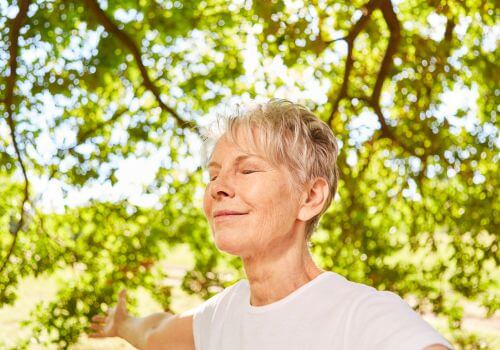
Autogenic training offers a natural, effective way for women in menopause to combat stress, improve sleep, and manage emotional fluctuations. By focusing on physical sensations and using self-suggestion, this technique allows you to relax deeply and regain control over your body and mind.
Whether you’re struggling with hot flashes, insomnia, or anxiety, incorporating autogenic training into your daily routine can help you navigate menopause with greater ease and peace of mind.
So, if you’re ready to experience the calming benefits of autogenic training, give it a try -your mind and body will thank you!
Ready to Discover More Calm?
Discover natural techniques to soothe your nervous system, reduce anxiety, and find inner peace during menopause. Your essential guide is just a click away!