Why Taking Care of Your Blood Pressure Is Your Secret Weapon for a Sharper Brain

New Blood Pressure Guidelines Prioritize Brain Health
Ever find yourself walking into a room and forgetting why you’re there? Or maybe you’re worried about those moments of midlife forgetfulness or brain fog, something many women notice during hormonal transitions.
While we often blame it on a busy schedule, new research shows that your blood pressure might be one of the clearest clues to how your brain is really doing. This becomes even more important during menopause, when hormonal shifts can influence both vascular and cognitive health.
The latest U.S. hypertension guidelines are making a big change since 2017: they are urging doctors to treat even slightly high blood pressure sooner, not just for your heart, but to protect your brain.
Why? Because high blood pressure is a silent threat. It can cause tiny, hidden injuries in your brain long before you notice any memory issues. These small “silent strokes” can take a toll over time, and they’re one of the strongest predictors of dementia later in life.
According to Dr. Shyam Prabhakaran, the neurology chair at the University of Chicago, “High blood pressure is the most modifiable risk factor for stroke and brain complications. It affects the brain in silent ways… That’s why putting brain health at the forefront of these guidelines is so important.”
Think of it this way: your brain is filled with tiny, delicate blood vessels. This kind of long-term damage is also closely linked to chronic inflammation in the body. When your blood pressure runs high, it’s like a constant, powerful force pushing against them.
Over the years, this pressure can cause those vessels to thicken and leak. But here’s the good news: You have the power to protect your brain, and it’s never too late to start.
The Silent Threat to Your Brain
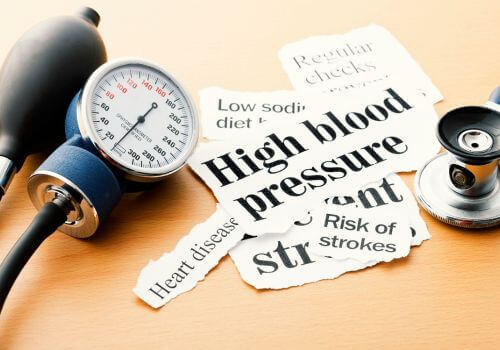
High blood pressure causes damage to the brain’s white matter, a type of injury that can be seen on MRI scans decades before any signs of memory loss. These hidden injuries are considered a strong predictor of dementia.
“High blood pressure sends force into the brain’s smallest arteries,” Prabhakaran explained. “They’re not designed to handle it, so they thicken, break, or leak.” This can lead to silent strokes, white matter damage, and even tiny brain bleeds, all of which occur long before a person notices any memory problems. A silent stroke causes actual brain damage without any obvious symptoms at the time.
According to a 2023 analysis, nearly 16% of dementia cases worldwide, about 9.5 million people, are linked to hypertension.
Researchers believe that if the onset of dementia can be delayed by just five years, it could cut the number of new cases in half. According to the dementia statistics, worldwide, 10 million new cases of dementia are diagnosed, which translates into 1 new case every 3.2 seconds! This would give millions of people extra years of sharp memory and independence.
A study from Johns Hopkins University, which followed over 13,000 adults, found a clear link between high blood pressure in midlife and faster cognitive decline over the following two decades. The study showed that those who successfully managed their blood pressure experienced less cognitive decline as they aged.
Prabhakaran emphasized, “That kind of damage can begin years before symptoms show up. Treating blood pressure early is about preserving memory and independence later in life.”
Hypertension and Menopause
During perimenopause and menopause, many women find themselves on an unexpected roller coaster, and that can include changes to their blood pressure. As our hormone levels, especially estrogen, begin to fluctuate and decline, they can affect the elasticity of our blood vessels, making them a little stiffer, which can cause our blood pressure to creep up.
This shift often overlaps with changes in weight and metabolism during midlife. It’s a natural shift that makes it even more important to pay attention to your numbers. But by understanding why it’s happening, you’re empowered to take simple steps to manage your health and feel your best.
A Push for Earlier Intervention of Hypertension

The new guidelines have not changed the official blood pressure categories:
- Normal: Below 120/80
- Stage 1 Hypertension: 130 to 139 over 80 to 89
- Stage 2 Hypertension: 140/90 or higher
What has changed is the approach to Stage 1. Previously, the advice was often to simply “keep an eye on it.” Now, the message is to take action sooner, as even a moderate elevation can cause silent damage to the vessels that supply blood to the heart and brain.
For patients with other health risks, such as diabetes, kidney disease, or a history of stroke, medication may be recommended immediately. For others, the new guidelines recommend a structured plan with closer monitoring and follow-up.
The Nuance of Treatment
While the goal is to lower blood pressure, some doctors are concerned about a one-size-fits-all approach, especially for older adults. There is concern that pushing a patient’s numbers to a very low target often requires multiple medications, which can increase costs and the risk of side effects like dizziness or fainting. Therefore, many physicians advocate for a personalized approach that balances brain protection with other risks, such as falls, rather than a general approach.
Delay Dementia with Simple Lifestyle Changes

The most important advice in these new guidelines is not about medication, it’s about daily habits. There is a lot you can do now to keep your brain sharp for as long as possible. These aren’t just for your heart; they’re your best defense for your brain.
Doctors are now recommending that you prioritize:
- Eating more plants,
- cut back on salt,
- Getting your body moving with regular exercise.
- Managing weight
- Making a good night’s sleep a top priority.
- Finding ways to ease stress (whatever that looks like for you!).
- Limiting alcohol
- Stop smoking
These simple habits are a game-changer. Supporting your nervous system plays a key role in how your body responds to stress and blood pressure changes. Even small changes, like cutting 1,000 milligrams of sodium a day, can make a difference.
And exercise has a dual benefit: it lowers your blood pressure and boosts brain chemicals that support memory. It’s like a two-for-one deal for your mind and body.
When to Take Action
The categories for high blood pressure (hypertension) haven’t changed:
- Normal: Below 120/80
- Stage 1: 130 to 139 over 80 to 89
What is new is how doctors are advised to respond to that Stage 1 number. Instead of saying, “Let’s just keep an eye on it,” they’ll now likely recommend a structured plan. This might mean starting with a 3 to 6-month period of focused lifestyle changes. If your numbers don’t come down, that’s when a conversation about medication might happen.
For those with other health concerns like diabetes or a history of stroke, medication may be recommended right away. The important thing is to have an open conversation with your doctor about what’s right for you. It’s not about a rigid rule, it’s about finding a personalized plan that balances brain protection with your overall health.
Know Your Numbers
The guidelines also highlight the importance of knowing your numbers. Your doctor’s office reading is just one piece of the puzzle. Checking your blood pressure at home with a validated cuff can uncover hidden issues and give you a more accurate picture of your health.
Keep a Log of Your Blood Pressure
It´s worth investing in a blood pressure monitor. Upper-arm cuff monitors are the most accurate and recommended by doctors, but they’re a little bit bulkier than wrist monitors, which are compact and comfortable, but they’re more prone to inaccurate readings if not positioned exactly at heart level.
Keep a log of your blood pressure that you can show to your doctor. You can download a free blood pressure log here. Taking control of your blood pressure isn’t just about avoiding a stroke or heart attack; it’s about investing in your future self.
It’s about being able to enjoy life, stay sharp, and live independently for many more years to come. As one expert put it, “Controlling blood pressure is really a preventive, anti-aging strategy for the brain.”
A Call to Action for a Healthier Future
According to the Centers for Disease Prevention and Control, only one in four adults with high blood pressure has it under control. The new guidelines are a powerful call to action for patients. The advice is simple: Know your numbers, check them at home, and take action even if you feel fine.
Framing blood pressure control around brain health may be the motivation people need to take it seriously, especially in midlife. As Dr. Prabhakaran said, “No one wants to lose independence or quality of life later on. Controlling blood pressure is really a preventive, anti-aging strategy for the brain.”
Related Lillepin Research
P1-049 — Scientists Finally Start to Understand Menopause Brain Fog
A 2026 Lancet review explores how menopause may influence memory, attention, focus, and mental clarity during midlife.
→ Read the full article Scientists Finally Start to Understand Menopause Brain Fog
P1-077 — Why Perimenopause Could Be One of the Most Important Times to Protect Your Heart
A 2026 Journal of the American Heart Association study suggests that perimenopause may be a critical window for identifying changes in cardiovascular health, with differences in cholesterol, blood sugar, and overall heart health appearing before menopause is complete.
→ Read the full article: Why Perimenopause Could Be One of the Most Important Times to Protect Your Heart