Top 21 Tips to Survive the Holidays with Menopause

How to stay calm, balanced, and in control during the most chaotic season of the year.
Important Note: Although we mention Christmas in this article, the advice is intended for ALL festive seasons, whether you celebrate Hanukkah, Christmas, or any other tradition. The goal is to support you through the stress, emotion, and busyness of the holiday period, whatever that looks like in your home.
Christmas is meant to be joyful, but when you’re in menopause, it can be quite a bumpy road to get to those joyful moments. Stress, hot flashes, insomnia, anxiety about failing to meet expectations, exhaustion, these are all hurdles along the way to those joyful moments.
If the holidays feel harder now than they used to, it’s not just your imagination. Menopause is a big game changer; It took us years to get to know our body inside out, but once the big ¨M´hits, everything changes. It’s still our body, yet it feels like that of a stranger.
Table of Contents
The Real Reason the Holidays Feel Harder in Menopause

We have to befriend and accept this new body and start getting to know it again from scratch. Our brain works differently, our hormones are on a constant rollercoaster ride, and our nervous system runs wild. Add the holiday period, and you find yourself in an involuntary masterclass on stress triggers.
This guide gives you 21 practical, compassionate, and science-backed tips to help you not only survive the season… but to actually enjoy it. Understand why this time of year hits differently:
1. Hormonal Fluctuations Increase Sensitivity
Declining estrogen levels affect our temperature regulation, mood stability, anxiety, sleep, and stress reactivity. All of these are challenged to the max during the Christmas period. What usually feels manageable suddenly feels amplified; heat becomes unbearable, emotions feel stronger, and stress hits quicker. It’s not a weakness; it’s biology.
2. Overstimulation Makes Symptoms Worse
Crowds, lights, noise, social expectations, and tight schedules overload your nervous system. Christmas songs are lovely, but after hearing ´Last Christmas´ blasting away for the 100th time in a row, they can wear a bit thin. Add in a tight schedule, over-excited kids bouncing or shouting in a shopping mall, and your nerves begin to fray.
And just when you think you’ve escaped the chaos after finishing your errands, you end up stuck in traffic queues, surrounded by flashing decorations competing with traffic lights and stressed drivers honking at anything that moves. This sensory overload is a perfect storm for hot flashes, anxiety spikes, and emotional overwhelm.
3. Diet and Alcohol Trigger Hot Flashes
What would Christmas—or even Thanksgiving—be without all that lovely, rich food, sugary treats, alcohol, and caffeine? We all intend to avoid overindulgence, but let’s be honest, we usually fail miserably! And the most common excuse? “I’ll start eating healthy in the New Year.”
It’s understandable, but unfortunately, all of these indulgences intensify menopause symptoms. Hot flashes become hotter, night sweats become more frequent, anxiety spikes feel stronger, and blood pressure jumps more easily.
It doesn’t mean you can’t enjoy Christmas food; it simply means being aware of how your body reacts, so you can make choices that help you feel good rather than overwhelmed.
4. Emotional Pressure Rises
Family dynamics, gift planning, financial stress, and high expectations often push us far beyond our limits. Even when the gifts are wrapped, the money worries are pushed aside, and our intentions are good, we still can’t control everything, especially other people.
And let’s be honest: the “never talk about religion or politics” rule doesn’t always hold up, especially when alcohol enters into the mix. A friendly gathering of family or friends can quickly shift from a light-hearted conversation into simmering tension. Sometimes it even turns into a full-blown argument over something no one will care about tomorrow.
Add in excited kids buzzing on sugary treats, and the emotional pressure is like an instant pot that’s just about to blow its lid.
Sound familiar? Then let’s move into the top 21 tips that will help you navigate the season with more comfort, confidence, and calm.
21 Tips to Survive Christmas When You’re in Menopause
1. Create a Simple, Realistic Holiday Plan
Say goodbye to unrealistic to-do lists and high expectations that everything will go perfectly. Life happens, plans change, and that’s okay. Instead of trying to do it all, choose the traditions you truly value and let go of the rest. A simpler, more intentional holiday season reduces stress, protects your energy, and leaves more room for the moments that actually matter.
2. Schedule Rest Days in Your December Calendar

These aren’t “lazy days,” and you are not indispensable. Christmas will happen either way! You are not solely responsible for every detail as the entertainer, organizer, or emotional anchor for everyone else. Ask for help and delegate to share the load.
Your rest days are essential hormone-support days: time to reset your nervous system, calm your stress response, and recharge without guilt. Treat them as non-negotiable self-care appointments that protect your physical and emotional well-being.
3. Identify Your Personal Symptom Triggers
You probably already know which things set off your menopause symptoms or make you feel uncomfortable. For many women, the biggest triggers include alcohol, sugary treats, caffeine, late nights, loud environments, or large, chaotic gatherings.
The good news? Knowing your triggers ahead of time gives you control. It allows you to plan, set boundaries, protect your energy, and make choices that help you feel your best, even during the busiest season of the year.
4. Communicate Your Needs Without Guilt
Tell people what you need, whether it’s your partner, family, friends, or a host. It’s better to be upfront if you need time alone, a cooler room, less planning pressure, or emotional space. You’re not being difficult.
You’re being honest.
Being honest prevents you from becoming overwhelmed, resentful, or exhausted, or giving others the wrong impression of who you are. Relax: the people who care about you will understand. And those who don’t? Remember, you don’t owe everyone an explanation or perfection!
5. Keep Your Home Cool and Dress in Layers
The more people gather in a room, the quicker the temperature rises. For someone in menopause, that heat can feel unbearable. Your best defense against hot flashes during holiday gatherings in your home is simple: turn the thermostat down a couple of degrees and dress in layers.
This gives you flexibility and helps you regulate your temperature without feeling uncomfortable or self-conscious.
6. Prepare a “Cool Down/Energy Kit”
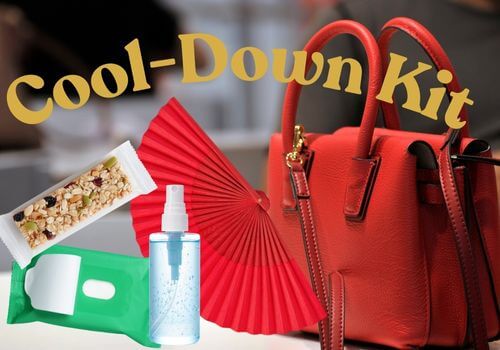
When you go out, take a small emergency bag. This could include a handheld fan, cooling wipes, or a water spray, tissues, a small water bottle, and dextrose tablets or a quick snack for energy slumps.
Knowing you’re prepared is surprisingly empowering. It gives you confidence, reduces anxiety, and helps you feel in control of your menopause symptoms wherever you go.
7. Choose Menopause-Friendly Holiday Outfits
Pick outfits made from comfortable fabrics, breathable layers, wide waistbands, and natural fibers to help keep your temperature steady. You can still look festive and stylish without overheating.
And if you love wearing high heels, go for it, just pack a pair of comfy shoes in case your feet demand mercy.
8. Limit Alcohol Without Missing Out on the Fun

Alcohol is a well-known trigger for hot flashes, blood pressure spikes, poor sleep, and increased anxiety. This is a tough combination during the holidays. But you don’t have to avoid alcohol completely.
Set yourself a limit beforehand… and most importantly, stick to it! Great alternatives include mocktails, sparkling water with lime and alcohol-free wine or beer. And if you really can’t resist the mulled wine, follow the simple 1:2 rule: For every glass you drink, have two glasses of water afterwards. Your body (and your hormones) will thank you for it.
9. Support Your Nervous System
Your nervous system needs extra support during menopause, and the best way to do that is by activating your vagus nerve, your body’s natural calming switch.
Spend 2–3 minutes every morning doing a slow breathing practice. For example, inhale for 4 seconds, exhale for 6 seconds, and repeat.
This simple technique signals to your brain that you’re safe. It helps to reduce anxiety, stabilizes your mood, and controls your stress response throughout the day. You can repeat this exercise anytime you feel overwhelmed. It works surprisingly quickly.
10. Keep a Consistent Sleep Routine

The holiday season usually means changing your sleep routine. There are things to organize, food to prepare, and parties to attend, all of which disrupt your usual sleep rhythm. But it’s important to remember that sleep is not a luxury, especially during menopause. Nighttime is when your body finally has the chance to rest, repair, and reset your hormones.
Simple Hacks for A Good Night’s Sleep
Try to stay as close as possible to your normal sleep routine. Even if your bedtime shifts, take a few minutes to wind down and calm your nervous system. A warm shower before bed and a magnesium supplement can help your body relax.
Keep a glass of room-temperature water by your bed, as heated indoor air is often extra dry. And make sure to air out your bedroom during the day, as it helps regulate temperature and improves sleep quality.
Dim the lights and avoid screens or TV before bed. The bright light and mental stimulation keep your brain active. Reading a book is a much better way to ease your mind and help you drift into sleep.
11. Stabilize Blood Sugar With Smart Eating

Skipping meals or grabbing whatever snack is within reach might seem convenient during the busy holiday season, but it wreaks havoc on your metabolism and hormones, and that means intensified menopause symptoms.
To reduce hot flashes, cravings, and anxiety spikes, eat a healthy diet that includes protein at every meal, healthy fats for steady energy, slow carbs to keep you full up, and fibre to help with digestion. When your blood sugar is stable, your hormones behave better, and Christmas becomes far more enjoyable without the hormonal rollercoaster.
12. Practice the “Pause Before Saying Yes” Rule
Many women, especially mums, are natural people pleasers. The automatic response is often, “Sure!” even when you don’t know what you’re agreeing to or whether you have the energy for it. To avoid overstretching yourself, build in a simple buffer, like saying, “Let me think about it,” or “Let me check my schedule first.”
This small pause protects your energy, your time, and your emotional well-being. This is not rude, you’re simply being responsible with your boundaries. And during menopause, this is essential to avoid stress, overwhelm, and burnout.
13. Take Micro-Breaks During Social Events
Social events can be fun, but they can also drain your energy, especially during the holiday period, when the calendar fills up with work parties, Christmas markets, nativity plays, school events, and invitations from family and friends.
If you start to feel overwhelmed, overstimulated, or simply “done,” give yourself permission to take a micro-break. Slip outside for a minute, find a quieter corner, step into the bathroom, or move away from the crowd to reset your nervous system.
These tiny pauses act like emotional breathers. They help calm anxiety, reduce heat buildup, and give you the space you need to return feeling more grounded and in control.
14. Create Menopause-Friendly Christmas Traditions

The holiday season is meant to be a time of peace and reflection, but it’s easy to fall into the trap of rushing, overcommitting, and trying to keep up with everyone else’s expectations.
Permit yourself to slow down. Allow for gentle, unhurried mornings. Take things at a pace that feels good for your body and your nervous system. Ground yourself with a leisurely walk in nature. The fresh air will revitalize you, calm your mind, and give the kids a perfect way to burn off their sugar-fuelled energy.
And remember, family gatherings don’t always need to revolve around food or noise. Lighten things up by playing games. It includes everyone, sparks laughter, and creates connection without chaos. Joy doesn’t require noise, busyness, or stress. Joy can also look like calm.
15. Keep Snacks With You to Avoid Food Triggers
Holiday prep often means rushing around, buying gifts, running errands, juggling commitments, and squeezing in last-minute appointments. It’s easy to go too long without eating, which leads to energy crashes, cravings, irritability, and worsened menopause symptoms.
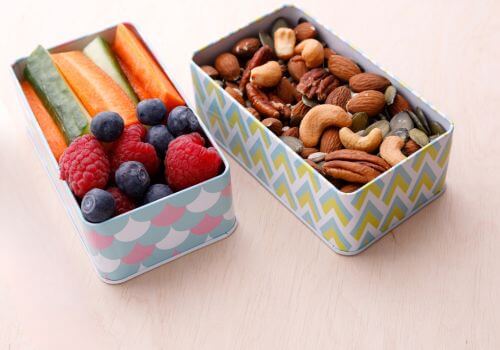
Prevent crashes and cravings by packing little energy snacks like nuts, fruit, or protein bars into your handbag. A little preparation goes a long way in keeping your blood sugar stable and your mood balanced during the holiday chaos.
16. Learn to Delegate More
Many women feel it’s their personal responsibility to organize, manage, and control everything related to Christmas, every meal, every gift, every detail. But you need to remind yourself: you are not superwoman. Christmas will happen with or without you. You don’t have to prove anything to anyone.
Delegate whenever you can. Ask others to help wrap gifts, cook dishes, set the table, or organize events, and here’s the best part: doing things together can actually be fun. It doesn’t always have to be to your perfection but it creates connection, reduces pressure, and turns tasks into shared moments instead of lonely responsibilities.
Remember, you are not responsible for everyone else’s experience. Share the load, and share the joy!
17. Don’t Compare Yourself with a Younger You

We all age! Try not to compare yourself with a younger ´you´! Remember that your body has changed, and that’s okay. You’re not failing; you’re adapting. Menopause is a continuous process of observing your body’s shifts, understanding them, and eventually making peace with this new version of yourself.
This transition can be challenging both mentally and physically. Some days you may feel strong and energized; other days, your body may ask for slower movement or more rest. Be gentle with yourself. Change what you can and gracefully accept what you can’t.
This holiday season, honor the body you have today instead of comparing yourself to who you were before. You deserve kindness, compassion, and space to evolve.
18. Use Supplements That Support Calm and Balance
Supplements can be a valuable source of support during menopause. Many studies show that certain nutrients and herbs can help with stress, hot flashes, sleep, and hormonal balance. But it’s important to remember: what works brilliantly for one woman may work differently for another. Everybody is unique.
Talk to your doctor or healthcare provider about supplements such as:
- Magnesium glycinate
- Ashwagandha
- B-vitamins
- Omega-3
- Fenugreek
- Flaxseed
These may help balance hormones, calm anxiety, support mood, and reduce the intensity of symptoms. Just keep in mind that supplements work best when taken consistently, and they’re not an immediate fix. Most women begin noticing subtle effects after 2–6 weeks, with hormone-related benefits appearing more gradually.
How well supplements work for you will depend on your overall lifestyle, your diet, blood sugar stability, stress levels, sleep quality, and hydration. Supplements work best as part of a holistic, gentle, and supportive routine.
19. Plan Moments of Joy That Belong Only to You
Recharging your batteries can make a huge difference in how you feel, physically, mentally, and emotionally.
Give yourself the gift of taking time out, just for you. Enjoy a peaceful walk alone, watch a feel-good movie, create a cozy atmosphere with soft lighting or candles, or lose yourself in a book you love.
These tiny moments of joy matter. They help regulate your nervous system, calm your stress response, and make you feel more grounded and balanced.
By creating your own personal moments of joy, you will feel calmer, more resilient, and emotionally stronger this holiday season.
20. Keeping the Little Ones Happy (So You Can Stay Calm)

The holiday season often revolves around children, and while their excitement is magical, their noise, constant movement, and boundless energy can unintentionally trigger menopause symptoms. Overstimulation increases hot flashes, anxiety spikes, irritability, and exhaustion, so planning ahead can make a huge difference.
Here’s how to keep the kids calm without dampening the fun:
Set up a separate kids’ table
Give children their own space to eat, draw, chat, and be joyfully chaotic without overwhelming you. A kids’ table reduces noise at the main table and gives them a sense of independence.
Prepare simple, entertaining activities for different age groups
Keeping their hands and minds busy prevents boredom and, therefore noise explosions.
Create mini competitions where everyone wins
Kids love games, and friendly competitions help release energy in a structured way. It doesn’t have to be extravagant or costly. There are lots of inspirations on various social media that are easy to do without major preparation.
Plan a family walk
Fresh air helps everyone reset. A short walk lowers stimulation levels, burns off excess sugar, and naturally calms overstretched nerves, yours included.
Kindly involve the parents
If someone else’s children are becoming overwhelming, you can absolutely ask their parents to help in a gentle, friendly way. Try, “Would you mind helping them with the game? They’re getting a bit excited.” You can also say,“Could you check on the kids’ table? They might need a little guidance,” or, “I’d love your help keeping things calm. It gets a bit loud for me these days.” Most parents will step in when asked nicely.
21. End Each Day With Gratitude

Everything in life happens for a reason, the good, the challenging, and everything in between. Accept your experiences, learn from them, and above all, be grateful.
During the Christmas rush, we often lose our sense of gratitude. We notice the moments of happiness, but the deeper feeling of true gratitude, the quiet recognition that we are able to experience these joyful times at all, are often overlooked.
Yet gratitude is one of the most powerful tools we have. It brings inner calm, emotional balance, and a sense of healing that touches both the mind and the body.
Ending each day with even a few moments of gratitude can shift your entire holiday experience from chaotic to peaceful, from stressful to deeply grounded.
Final Thoughts: You Deserve a Calm, Joyful Christmas
Menopause can change your holiday experience, but it doesn’t have to take away your joy. Take control!
With the right strategies and a little self-compassion, you can create a calmer, more meaningful, and more supportive Christmas for yourself.
Your well-being matters, not just for Christmas and not just as a New Year’s resolution, but always. Happy Holidays!