Ashwagandha for Menopause Symptoms: A Comprehensive Guide

Menopause can bring a wide range of changes to your body—from hot flashes and sleep disturbances to mood shifts and rising stress levels. If you’re looking for a natural way to support your body during this transition, ashwagandha may be worth exploring.
This well-known adaptogenic herb has been used for centuries in traditional medicine. It is now gaining attention for its potential to support stress resilience, hormonal balance, and overall well-being in midlife.
For many women, menopause can feel less like “just hormones” and more like a nervous system that suddenly becomes overstimulated, emotionally reactive, and unable to switch off fully.
In this guide, we’ll walk you through what ashwagandha is, how it works in the body, its potential benefits and side effects, and what to consider before adding it to your routine—so you can make a calm, informed decision that feels right for you.
If stress and overwhelm are part of what you’re experiencing, you might also find this helpful:
10 Signs of Stress You Shouldn’t Ignore (Especially If You’re Over 40)
Table of Contents
What Is Ashwagandha?

Ashwagandha (Withania somnifera) is a medicinal herb native to India and parts of North Africa. It’s classified as an adaptogen, meaning it helps the body adapt to stress and maintain internal balance—something that becomes especially important during menopause.
Often referred to as “Indian ginseng,” this natural supplement has been used for centuries in Ayurvedic medicine to support energy levels, resilience, and overall well-being.
The root and berries of the plant are used in supplements, with the root being the most common form. Today, it is widely available as a powder, capsule, or liquid extract, and is sometimes included in herbal teas.
Where Does Ashwagandha Grow?
In today’s world of constant notifications, multitasking, emotional stress, and mental overload, many women are looking for natural ways to help calm an overstimulated nervous system during menopause.
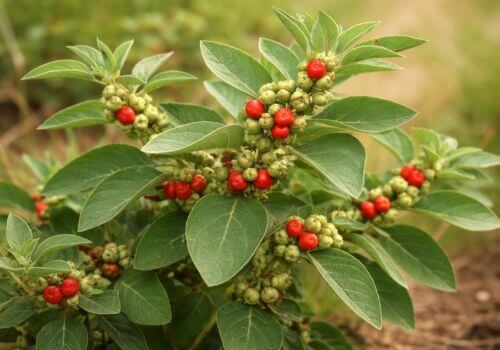
Ashwagandha thrives in dry, arid regions, particularly in India, the Middle East, and parts of North Africa. It’s a hardy shrub with small green flowers and distinctive red fruit.
The root of the plant contains most of its beneficial compounds and is carefully harvested and dried for medicinal use.
Today, it is cultivated in various regions around the world due to its growing popularity as a natural support for stress resilience and overall well-being.
How Does Ashwagandha Work for Menopause?
Best known for helping the body cope with stress, it offers potential benefits beyond simple stress relief during menopause. It works by supporting several key systems in the body that are often affected during this transition.
It works by supporting several key systems in the body that are often affected during this transition, including stress regulation, hormonal balance, and low-grade inflammation, which can influence how intensely symptoms are experienced during menopause.
1. Balancing Cortisol Levels:
During menopause, hormonal fluctuations can increase stress sensitivity, leading to anxiety, irritability, and mood swings, which often overlap with other symptoms like fatigue and disrupted sleep. Ashwagandha is known to support the body’s stress response by helping regulate cortisol—the primary stress hormone.
By supporting healthier cortisol levels, it may promote a greater sense of emotional balance and resilience during times of hormonal change.
Studies have shown that ashwagandha supplementation may help reduce cortisol levels and improve stress resilience.
2. Supporting Thyroid Function:
During menopause, changes in hormone levels can also affect thyroid function, which plays a key role in regulating metabolism, energy levels, and overall wellbeing.
Some research suggests that ashwagandha may support healthy thyroid activity by influencing hormone production and helping the body maintain balance. This may be especially relevant for women experiencing fatigue, weight changes, or low energy during menopause. If you’d like to understand how metabolism shifts during this phase, this guide on insulin resistance may help.
3. Regulating Hormones:
Ashwagandha is thought to support hormonal balance by helping the body adapt to stress and regulate key endocrine functions. During menopause, fluctuations in estrogen and progesterone can contribute to symptoms such as hot flashes, irregular cycles, and sleep disturbances.
Rather than directly replacing hormones, ashwagandha may help support the body’s ability to maintain balance during this transition, potentially easing some of these common symptoms. Many of these symptoms are part of a broader pattern that often become clearer during menopause.
4. Boosting Energy and Vitality:
Menopause can leave you feeling physically and mentally drained. Ashwagandha is known for its potential to support energy levels, stamina, and overall resilience—helping you feel more steady and capable throughout the day.
By supporting the body’s stress response and reducing fatigue, it may also help improve focus and mental clarity during periods of hormonal change.
If fatigue is one of your main symptoms, this guide may help:
5 Proven Ways for Menopause Fatigue – The Ultimate Guide
5. Improving Sleep Quality:
Sleep can become surprisingly fragile during menopause. You may fall asleep easily, only to wake in the middle of the night, or feel like your body just won’t fully settle.
Ashwagandha may help by gently supporting your body’s stress response and encouraging a more relaxed, grounded state. When stress hormones like cortisol stay elevated, your body can remain on high alert—even when you’re exhausted.
By helping your system shift out of that “always on” mode, ashwagandha may support deeper, more restorative sleep over time.
Some women also find that supportive habits like relaxation practices and adequate magnesium intake can help improve sleep quality during menopause.
Ashwagandha may also support the vagus nerve, which plays a central role in calming the nervous system and helping your body feel safe enough to rest.
If you’d like to understand how the nervous system influences sleep and stress, this guide explains it in more detail:
Unlock Your Inner Harmony: The Vagus Nerve, Menopause, and Sustainable Wellness
Potential Benefits of Ashwagandha for Menopause Symptoms

Now that you know how ashwagandha works, let’s take a closer look at how this might actually feel in your day-to-day life during menopause.
1. Stress Reduction and Emotional Support:
Ashwagandha is best known for its ability to support the body during times of stress. During menopause, emotional ups and downs can feel more intense or unpredictable, often without a clear reason. Many women feel like their brain has “too many tabs open at once” during menopause, where stress, emotional overload, poor sleep, and racing thoughts all pile up together.
By helping your body respond more calmly to stress, ashwagandha may support a more stable mood and a greater sense of emotional balance over time.
2. Hot Flashes and Night Sweats:
Hot flashes and night sweats can feel sudden and overwhelming, often intensified by stress or inner tension. While ashwagandha doesn’t replace estrogen, it may support your body in finding a more balanced state.
This can indirectly help reduce how often these symptoms occur—or how strongly you feel them. If hot flashes are one of your main symptoms, this guide may help you understand what’s happening in your body: Everything You Need to Know About Hot Flashes During Menopause
3. Improved Sleep:
If sleep has become lighter, more interrupted, or harder to return to once you wake up, you’re not alone. Ashwagandha may support more restful sleep by helping your body shift out of a stressed, alert state into a calmer, more settled rhythm.
If you want to actively support your body in calming down before sleep, this may be a helpful next step: Breathwork for Menopause Relief: Breathe Your Way to Calm
Some women also combine calming supplements with practices like autogenic training to help quiet racing thoughts and support deeper relaxation before sleep.
4. Enhanced Energy and Mental Clarity:
Many women describe menopause fatigue as a kind of deep, persistent tiredness that isn’t fixed by rest alone. Sometimes it’s not just physical exhaustion, but the feeling that your nervous system never truly gets a chance to recover.
Ashwagandha may help by supporting your overall resilience—so you feel more steady, focused, and able to move through your day with more clarity.
5. Bone Health:
Bone health becomes more important during menopause, as hormonal changes can gradually affect bone density. While ashwagandha isn’t a direct treatment, it may support overall well-being and balance in a way that indirectly contributes to long-term strength and resilience.
Possible Side Effects of Ashwagandha
Ashwagandha is generally considered safe for most people when taken in recommended amounts. Still, like any supplement, it’s important to listen to your body and be aware of how you respond.
Who Should Avoid Ashwagandha
Ashwagandha is not suitable for everyone. You may want to avoid it—or speak with your healthcare provider first—if any of the following apply:
- You are pregnant or breastfeeding
- You have an overactive thyroid (hyperthyroidism)
- You are taking medication for thyroid, blood pressure, or sleep
- You are managing an autoimmune condition or taking immunosuppressants
Taking a moment to check what’s right for your body can help you feel more confident and supported in your choices.
Digestive Sensitivity
Some women may notice mild digestive discomfort, such as an unsettled stomach, nausea, or loose stools—especially when starting or taking higher doses.
If this happens, it can help to reduce the dosage or take ashwagandha with food.
Feeling Too Relaxed or Drowsy
Because ashwagandha supports relaxation, it may make you feel more tired than expected—particularly if you’re sensitive to calming herbs.
Taking it in the evening or before bed can often feel more supportive, especially if sleep is something you’re working on.
Thyroid Considerations
Ashwagandha may influence thyroid activity by supporting hormone production. If you have a thyroid condition—particularly an overactive thyroid—it’s important to speak with your healthcare provider before taking it.
This is especially relevant if you’re already on thyroid medication.
Pregnancy and Breastfeeding
There isn’t enough reliable research on the safety of ashwagandha during pregnancy or breastfeeding. For this reason, it’s generally recommended to avoid it during these times unless guided by a healthcare professional.
Possible Interactions to Be Aware Of
Ashwagandha is generally well tolerated, but like many herbs, it can interact with certain medications. If you’re taking prescription medication, it’s always a good idea to check in with your healthcare provider before adding a new supplement.
Sedatives and Sleep Aids
Because ashwagandha has a calming effect, it may enhance the effects of medications or supplements designed to promote sleep.
If you’re taking sleep aids or medications that make you feel drowsy, it’s worth being mindful of how your body responds when combining them.
Thyroid Medications
Ashwagandha may support thyroid activity, which can be helpful for some—but if you’re already taking thyroid medication, this effect needs to be monitored.
A simple conversation with your doctor can help ensure everything stays balanced.
Blood Pressure Medications
Ashwagandha may have a gentle effect on lowering blood pressure. If you’re already taking medication for hypertension, it’s important to be aware of this and monitor how you feel.
Immunosuppressants
Ashwagandha may support immune activity. If you’re taking medications that intentionally suppress the immune system, it’s best to check with your doctor before using it.
IMPORTANT: Everyone responds a little differently to supplements like ashwagandha. You may notice subtle changes in how you feel—such as a calmer mood or better sleep—or you may need time to find what works best for you.
Starting gently and paying attention to your body can help you understand what feels supportive. If you’re unsure, checking in with your healthcare provider can give you added clarity and peace of mind.
Some women also notice that menopause can affect focus, attention, or mental clarity in ways that feel unfamiliar. Hormonal shifts can influence how the brain regulates stress and concentration, which is why symptoms sometimes overlap with or resemble ADHD.
If this feels familiar, this guide may help you understand what’s happening more clearly:
ADHD and Menopause: Why Symptoms Feel Worse
How to Take Ashwagandha During Menopause
There are several simple ways to incorporate ashwagandha into your daily routine. The best option often depends on what feels easiest and most natural for you.
Capsules or Tablets
Capsules or tablets are one of the most convenient ways to take ashwagandha. They usually contain a standardized amount, which makes it easier to stay consistent.
Many supplements suggest a daily amount in the range of 300–500 mg, but it’s always best to follow the guidance on the product you choose—or check with your healthcare provider if you’re unsure.
Choosing a high-quality standardized extract can help ensure consistency and reliability.
Powder
Ashwagandha powder can be mixed into smoothies, warm milk, or herbal teas. This form can feel more flexible and “hands-on,” especially if you enjoy creating small daily rituals.
A common approach is to start with a small amount and gradually increase, allowing your body time to adjust. This option may feel more natural if you prefer a pure, minimally processed form.
Tea
Ashwagandha can also be taken as a tea, either as part of a blend or by adding powder to warm water or another herbal infusion.
This can be a gentle way to include it in your evening routine—especially if you’re looking to wind down and support more restful sleep. A calming herbal blend before sleep can make this feel like a soothing daily ritual.
Best Time to Take Ashwagandha
The best time to take this supplement depends on what you wish to support.
- In the morning:
If your main goal is more steady energy, focus, or resilience throughout the day, taking ashwagandha in the morning may feel more supportive. - In the evening:
If stress, anxiety, or sleep disturbances are your main concerns, taking it in the evening can help your body wind down and shift into a calmer state before bed.
Some women also prefer to split the dose between morning and evening for more balanced support throughout the day.
Understanding the Bigger Picture
Want to understand the most common menopause symptoms, from hot flashes to mood and joint changes? → Menopause Symptoms Part 1
Final Thoughts: Is Ashwagandha Right for You?

Ashwagandha can be a supportive addition during menopause—especially if stress, sleep, or feeling constantly “on edge” are part of what you’re experiencing.
Rather than being a quick fix, it works more gently in the background, helping your body find a steadier, more balanced state over time.
As with any supplement, it’s important to check in with your healthcare provider before adding ashwagandha to your routine—particularly if you have existing health conditions or are taking medication.
Ultimately, the goal isn’t to fix everything at once, but to support your body in a way that feels sustainable, calm, and right for you.
When to Talk to Your Doctor First
If you have a thyroid condition, take medication for blood pressure or sleep, or are managing any ongoing health condition, it’s important to speak with your healthcare provider before trying ashwagandha.
This is especially relevant if you’re already taking hormone-related or thyroid medication, as it may influence how your body responds. Getting personalized guidance can help you feel more confident and ensure that what you choose truly supports your body during menopause.
How long does it take for ashwagandha to work?
It typically works gradually. Some women may notice subtle changes in stress levels or sleep within a few days, but more consistent benefits are often felt after a few weeks of regular use.
Can ashwagandha help with menopause weight gain?
Although it doesn’t directly cause weight loss, it supports stress regulation and cortisol balance, which may indirectly help reduce stress-related weight gain and improve overall metabolic balance.
Is it safe to take ashwagandha every day?
For most people, it is considered safe when taken daily in recommended amounts. However, it’s always best to check with your healthcare provider, especially if you have existing health conditions or take medication.
Can I take ashwagandha with other supplements?
In many cases, yes—but it depends on the combination. Because this supplement can have calming and hormone-supporting effects, it’s a good idea to introduce it gradually and monitor how your body responds.
What is the best form of ashwagandha to take?
This depends on your preference. Capsules offer convenience and consistency, while powders and teas can feel more natural and ritual-based. Choosing a high-quality, standardized extract can help ensure reliability.