Age Spots: How to Treat and Prevent Them for Glowing, Even Skin After 50

As we age, especially during menopause, our skin naturally changes, and one of the most common concerns for women over 50 is the appearance of age spots (sunspots). These dark, pigmented areas typically appear on the face, hands, shoulders, and other sun-exposed areas. And they’re certainly not just a women’s issue — men get age spots too.
The tops of the feet are another commonly overlooked area where sun damage and signs of aging feet after 40 can gradually appear over time. While they are completely harmless, many of us seek ways to reduce their appearance for a more even, youthful complexion.
Fortunately, there are plenty of age spot treatments available, ranging from over-the-counter creams to professional treatments like a chemical peel, Cryosurgery, Microdermabrasion, and laser therapy. Many of these treatments are also used to improve other signs of aging and sun-damaged skin, although the best option depends on your skin concerns and treatment goals.
Popular ingredients like vitamin C, retinol, and niacinamide have been shown to brighten skin and fade dark spots over time. These ingredients work by slowing down melanin production and promoting cell turnover, which helps to even out skin tone.

But not all treatments are created equal! Based on customer reviews and expert recommendations, some products and treatments are more effective than others.
Important Things to Be Aware Of:
- Always wear sunscreen when treating age spots, as sunlight can worsen pigmentation.
- Patience is key! Most treatments take weeks or even months to show results.
- Some topical treatments can cause more harm than do good, especially those containing Mercury and/or Hydroquinone.
- Always check with a certified dermatologist if an age spot really is an age spot and not something more serious.
- Be aware that no matter which treatment you choose, age spots can always return.
Along with commercial products, some DIY natural remedies are popular at-home solutions. We’ll walk you through simple recipes to try, too!
Let’s explore how you can brighten your skin, fade age spots, and enjoy a more even complexion with the right approach. As skin texture and pigmentation change during menopause, many women also begin exploring lighter makeup alternatives to foundation that help create a more natural, comfortable finish without feeling heavy or drying on mature skin.
DIY Remedies for Age Spots: Simple & Natural Solutions

If you’re looking for more natural ways to fade age spots and brighten your complexion, several easy DIY remedies can work wonders. Ingredients like lemon juice, aloe vera, and apple cider vinegar have been used for centuries to lighten dark spots and promote even skin tone. Here’s a breakdown of how you can use them safely and effectively at home.
1. Lemon Juice for Fading Age Spots

Lemon juice is rich in vitamin C, an antioxidant known for its skin-brightening properties. It helps to inhibit melanin production, which can reduce the appearance of dark spots over time. Additionally, its natural acidity helps exfoliate the skin, removing dead skin cells and promoting skin renewal.
Instructions:
- Squeeze fresh lemon juice and apply it directly to the age spots using a cotton ball.
- Leave it on for 10-15 minutes and rinse with lukewarm water.
- For sensitive skin, dilute the lemon juice with water or aloe vera gel to reduce irritation.
What to Do:
- Apply this treatment once a day for gradual results.
- Always wear sunscreen after using lemon juice, as it can make your skin more sensitive to the sun.
What Not to Do:
- Avoid using lemon juice on broken or irritated skin.
- Do not leave lemon juice on overnight, as it may cause dryness or irritation.
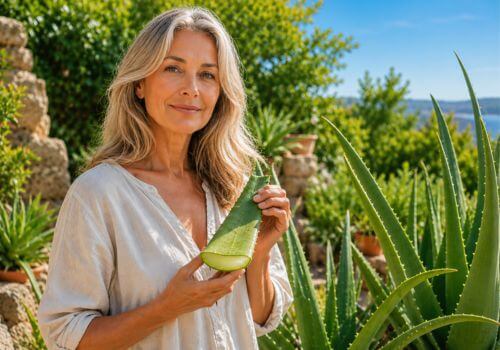
2. Aloe Vera for Skin Healing and Brightening

Aloe vera is a soothing ingredient that helps to calm irritated skin and can lighten age spots over time. It also promotes healing and skin regeneration, making it a great option for fading dark spots. Aloe vera is packed with vitamins A, C, and E, all of which are known for their skin-brightening and healing benefits.
Instructions:
- Use fresh aloe vera gel from the plant or a pure aloe vera gel product.
- Apply the gel directly to the affected areas and leave it on for 20-30 minutes before rinsing off with warm water.
- For maximum hydration, leave it on overnight and wash it off in the morning.
What to Do:
- Use aloe vera gel 2-3 times a day to see the best results.
- Combine it with other treatments like vitamin C or sunscreen for added benefits.
What Not to Do:
- Avoid using aloe vera if you have an allergy or sensitivity to the plant. Test it on a small patch of skin first.
- Don’t use aloe vera gel with added chemicals or artificial fragrances.
3. Apple Cider Vinegar for Brightening and Exfoliation

Organic Apple cider vinegar (ACV) contains acetic acid, which gently exfoliates the skin and helps to lighten pigmentation. It can help reduce the appearance of age spots by promoting cell turnover and fading discoloration.
Instructions:
- Mix 1 tablespoon of apple cider vinegar with 2 tablespoons of water to dilute it.
- Use a cotton ball to apply the mixture to the age spots.
- Leave it on for 5-10 minutes before rinsing it off with lukewarm water.
- Start by using this remedy 2-3 times a week and gradually increase as your skin becomes accustomed.
What to Do:
- Always dilute ACV before applying it to the skin to avoid irritation.
- Perform a patch test before using it regularly to ensure your skin tolerates the acid.
What Not to Do:
- Don’t leave apple cider vinegar on your skin for longer than recommended, as it may cause irritation or a burning sensation.
- Avoid using ACV on broken or sensitive skin, as it can be too harsh.

Additional Tips for Natural Remedies:
- Be Consistent: While natural remedies can be effective, they may take time. You should see noticeable results within 2-4 weeks, depending on the severity of the age spots.
- Protect Your Skin: Sunscreen for men is equally as crucial as for women when using these remedies, as some of these ingredients, like lemon juice and apple cider vinegar, can make your skin more sensitive to the sun.
- Patience is Key: The fading process can be slow, so don’t expect immediate results. Stick with it, and give your skin time to renew itself.
By incorporating these simple, natural remedies into your skincare routine, you can help lighten those pesky age spots without resorting to expensive treatments. Just remember, everyone’s skin is different, so always be sure to patch-test and listen to what your skin tells you!
Related Lillepin Research
P4-003 → Read the full article: Can Collagen Really Make Your Skin Firmer?
P4-005 → Read the full article: Comparing the Evidence for Treating Sun-Damaged and Aging Skin