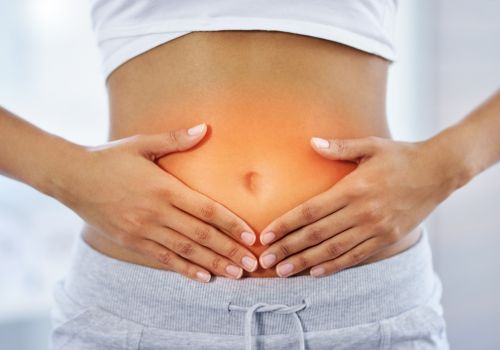
Can Oats Lower Cholesterol in Just 2 Days?

The Traditional German Oat Routine That Is Getting New Attention
Can Oats Lower Cholesterol? Oats may be one of the simplest foods for supporting healthy cholesterol during menopause.
Many women are surprised when a routine blood test suddenly shows higher cholesterol levels after 40.
You may be eating much the same way you always have. You may still be active. Yet cholesterol levels, blood sugar, and belly fat can begin to shift during perimenopause and menopause.
One reason is that hormones are changing.
As estrogen levels decline, the body often becomes less efficient at regulating cholesterol, blood sugar, and fat storage. This is one reason heart and metabolic health become increasingly important during midlife.
If you’d like to understand this process better, see Estrogen – A Guide for Women 40+.
But what if one of the simplest foods in your kitchen could help?
Researchers from the University of Bonn in Germany have recently been studying a traditional German dietary approach known as the Haferkur, or oat cure. Although it has been used for decades in parts of Europe, new research suggests it may have surprisingly powerful effects on cholesterol and metabolism.
And the most interesting part?
Some changes were seen within just two days.
Why Cholesterol Often Rises During Menopause
Many women notice changes in their cholesterol profile during perimenopause and menopause.
This is partly because estrogen plays an important role in supporting:
- healthy cholesterol balance
- insulin sensitivity
- blood vessel function
- fat distribution
As estrogen declines, LDL cholesterol may rise while the body’s ability to regulate blood sugar and store fat efficiently may become less effective. Similar changes in cholesterol, body composition, and metabolic health can also occur in men during age-related hormonal changes such as andropause.
This does not mean something is wrong with you. It simply means your body may need a different kind of support than it did in earlier decades.
Many women also notice weight changes, especially around the abdomen. If that sounds familiar, you may also enjoy Menopause Weight Gain: How to Lose Belly Fat Naturally and Regain Control.
What Makes Oats So Special?
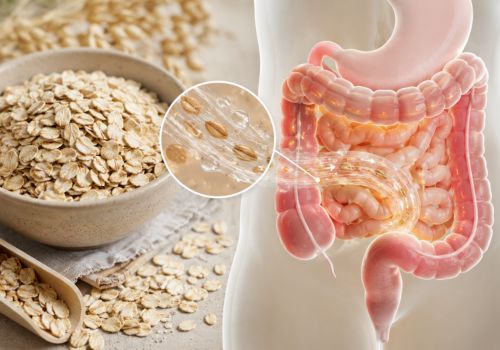
Oats contain a unique type of soluble fiber called beta-glucan.
When mixed with water during digestion, beta-glucan forms a thick gel-like substance in the digestive tract.
This fiber may help support metabolic health in several ways.
Supporting Healthy Cholesterol Levels
Beta-glucan can bind to bile acids in the digestive system.
Because bile acids contain cholesterol, the body must use cholesterol from the bloodstream to replace them. Over time, this process may help reduce LDL cholesterol levels.
Helping Blood Sugar Stay More Stable
The same gel-like fiber also slows the absorption of carbohydrates.
Instead of causing a rapid spike in blood sugar, digestion happens more gradually. This may help reduce large swings in glucose and insulin.
Because cholesterol, insulin resistance, inflammation, and weight gain are closely connected, improving one area often benefits the others.
For a deeper look at this connection, read Balancing Blood Sugar and Cholesterol After 40 and Beat Menopausal Insulin Resistance.
The Study That Sparked New Interest
Researchers at the University of Bonn investigated whether a short oat-based intervention could influence metabolic health in people with metabolic syndrome.
Metabolic syndrome is a group of risk factors that may include:
- elevated blood sugar
- increased abdominal fat
- high blood pressure
- abnormal cholesterol levels
Participants followed a very intensive oat-based eating plan for two days. They consumed approximately 300 grams of oats per day, divided across several meals.
The results were impressive.
Researchers observed a reduction of approximately 10% in LDL cholesterol. Total cholesterol levels also fell, and interestingly, some of the improvements were still detectable weeks later.
It is important to note that participants were not simply eating oats. During the two-day intervention, they also consumed significantly fewer calories than usual. Researchers believe both the oat-rich diet and the temporary calorie reduction may have contributed to the results.
Researchers also found changes in the gut microbiome. This suggests that oats may influence cholesterol through more than just their fiber content. Changes in gut bacteria and the compounds they produce may also play a role in cholesterol metabolism, highlighting the growing connection between gut health and metabolic health.
This growing understanding of the gut-metabolism connection is one reason researchers are paying increasing attention to the microbiome. (Related Lillepin Research: See the research reference box at the end of this article.)
Why Researchers Are Paying Attention to the Gut
For years, cholesterol research focused mainly on dietary fat and liver function.
Today, scientists are increasingly interested in the role of the gut microbiome.
Trillions of bacteria live in the digestive tract, helping to process food, regulate inflammation, produce beneficial compounds, and even influence hormone metabolism.
Researchers believe some of the benefits seen in the oat study may come from changes in these microbial communities.
This is particularly interesting for women in midlife because gut health may influence much more than digestion.
Emerging research suggests it may also affect estrogen balance, metabolism, inflammation, and overall health.
You can learn more about this fascinating area of research in Could Your Gut Influence Estrogen? New Research Suggests It Might.
Why This Finding Surprised Researchers
The researchers also investigated whether a smaller daily amount of oats over a longer period would produce similar benefits.
Surprisingly, the short intensive oat intervention appeared to produce stronger cholesterol improvements than the lower-dose, longer-term approach.
This suggests that, at least in some situations, the amount and concentration of oats may matter just as much as the duration of the intervention.
Oats, Inflammation, and Metabolic Health
Another reason oats may be beneficial is their potential effect on inflammation.
Chronic low-grade inflammation becomes more common as we age and is increasingly linked to heart disease, insulin resistance, cognitive decline, and other health concerns.
This process is sometimes called inflammaging.
While oats are certainly not a cure for inflammation, diets rich in fiber and plant foods are often associated with healthier inflammatory profiles.
If you’d like to explore this topic further, see Inflammaging: The New Frontier in Reversing Menopausal Symptoms.
What Is the German Haferkur?
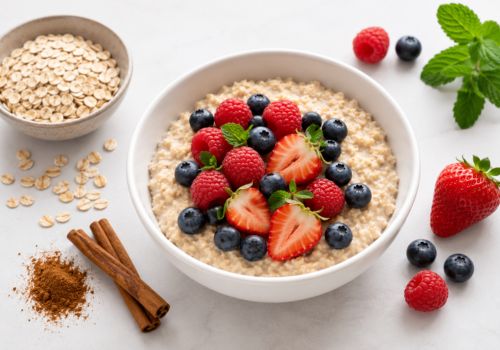
The traditional German Haferkur is a short-term oat-based routine that has been used for decades as a way to support blood sugar and metabolic health.
It is not intended as a long-term diet.
Instead, it is used as a brief intervention, often lasting just two days, to help improve metabolic markers and encourage healthier eating habits moving forward.
The idea is simple:
For a short period, meals are based primarily on oats prepared with water or vegetable broth while keeping added sugars and fats to a minimum.
A Simple Version of the Haferkur
A traditional oat meal typically includes:
- 50–100 grams of rolled oats
- water or low-sodium vegetable broth
- optional cinnamon, herbs, berries, or small amounts of vegetables
The research protocol used approximately 300 grams of oats per day, which is considerably more than most people would normally eat.
Because of this, the approach should be viewed as a short-term intervention rather than an everyday eating plan.
How to Prepare the Oats
The preparation is straightforward.
Sweet Version
Cook rolled oats in water until they become soft and creamy.
You can add:
- cinnamon
- a small handful of berries
- grated apple
while avoiding added sugars.
Savory Version
Cook oats in low-sodium vegetable broth and season with:
- herbs
- black pepper
- non-starchy vegetables
Some people find savory oats surprisingly satisfying.
Traditional Guidelines
The classic Haferkur generally follows a few simple principles.
Avoid Added Sugar
If the goal is to support blood sugar and cholesterol levels, it makes sense to avoid:
- sugar
- honey
- syrups
- sweetened toppings
during the two-day period.
Keep Added Fats Low
Traditional versions usually avoid:
- butter
- cream
- large amounts of oils
- rich sauces
The goal is to allow the oats and their soluble fiber to play the leading role.
Stay Hydrated
Oats absorb a significant amount of water.
Drinking enough fluids throughout the day can help support digestion and comfort.
Water and unsweetened herbal teas are usually the preferred choices.
Keep It Short
The Haferkur is designed as a short intervention.
It is not intended to be followed indefinitely.
Most traditional approaches limit it to around two days.
Who Should Speak With a Doctor First?
Although oats are generally considered a healthy food, a strict oat-based intervention may not be suitable for everyone.
It is especially important to seek medical advice if you:
- take medication for diabetes
- use blood pressure medication
- take cholesterol-lowering medication
- have kidney disease
- are underweight
- have a history of disordered eating
- have a complex medical condition
Because blood sugar and blood pressure may change relatively quickly, professional guidance is always sensible if you have concerns.
Is the Haferkur Really a “Cure”?
Despite the name, the Haferkur should not be viewed as a cure.
A better way to think about it is as a short-term dietary strategy that may help support certain metabolic markers.
The most important takeaway is not that oats are magical.
The most important takeaway is that nutrition can have a meaningful impact on how our bodies function.
Small changes, repeated consistently, often create the greatest long-term results.
The Easier Everyday Approach
Most women do not need a strict two-day oat routine to benefit from oats.
In fact, for many people, a regular bowl of oatmeal is a far more realistic and sustainable habit.
You can boost both nutrition and satiety by combining oats with:
- ground flaxseed
- chia seeds
- berries
- cinnamon
- walnuts
- almonds
- plain yogurt or kefir if tolerated
Flaxseeds are particularly interesting during midlife because they provide fiber and plant compounds that may support overall hormonal health. Learn more in Flaxseeds for Menopause Symptoms: A Comprehensive Guide.
Some women also find that combining oats with sensible meal timing strategies works well. If that interests you, see Fasting and Menopause: Can It Help Regulate Hormones and Boost Metabolism?.
The Bigger Picture
One of the most interesting lessons from the oat research is that the body functions as a connected system.
Cholesterol does not exist in isolation.
It interacts with:
- blood sugar
- gut bacteria
- inflammation
- hormones
- metabolism
- cardiovascular health
This broader perspective is increasingly reflected in modern menopause research.
For example, “AI Just Revealed a Hidden Truth About Menopause” highlights how menopause affects multiple organs and biological systems simultaneously, rather than influencing only reproductive hormones.
Final Thoughts
So, can oats lower cholesterol in just two days?
Research suggests that, in some people with metabolic syndrome, a short intensive oat-based intervention may lead to a measurable reduction in LDL cholesterol within 48 hours.
That does not mean oats are a miracle food.
Nor does it mean a two-day oat routine can replace medical advice, medication, or long-term lifestyle changes when they are needed.
What it does show is that simple foods can have surprisingly powerful effects on the body.
It also highlights how closely connected our hormones, gut bacteria, blood sugar, inflammation, and cholesterol levels really are. Modern menopause research increasingly shows that these systems do not operate independently—they constantly influence one another.
For women navigating perimenopause and menopause, oats may be one of the easiest, most affordable, and most overlooked foods for supporting cholesterol balance, blood sugar regulation, gut health, and long-term heart health. Women interested in improving their metabolic health may also find Balancing Blood Sugar and Cholesterol After 40 helpful.
Sometimes the most useful health tools are not exotic supplements or complicated wellness trends.
Sometimes they are already sitting quietly in the pantry.
Related Lillepin Research
P2-044 — Could Your Gut Influence Estrogen? New Research Suggests It Might
A 2026 PNAS study suggests the gut microbiome may play a larger role in estrogen recycling and hormone regulation than previously understood.
→ Read the full article: Could Your Gut Influence Estrogen? New Research Suggests It Might
P1-063 — Scientists Discover a Hidden Way the Gut May Influence Estrogen
https://lillepin.com/2026/06/13/gut-microbiome-and-estrogen-research/
A 2026 PNAS study suggests the gut microbiome may influence estrogen recycling through bacterial enzymes known as the estrobolome, potentially affecting hormone balance during menopause.
P1-035 — AI Just Revealed a Hidden Truth About Menopause
https://lillepin.com/2026/05/25/ai-menopause-whole-body-changes/
A 2026 Nature Aging review found that menopause affects multiple biological systems simultaneously, including metabolism, inflammation, cardiovascular health, immune function, and the brain.
P1-077 — Why Perimenopause Could Be One of the Most Important Times to Protect Your Heart
A 2026 Journal of the American Heart Association study suggests that perimenopause may be a critical window for identifying changes in cardiovascular health, with differences in cholesterol, blood sugar, and overall heart health appearing before menopause is complete.
→ Read the full article: Why Perimenopause Could Be One of the Most Important Times to Protect Your Heart