Could Your Gut Influence Estrogen? New Research Suggests It Might
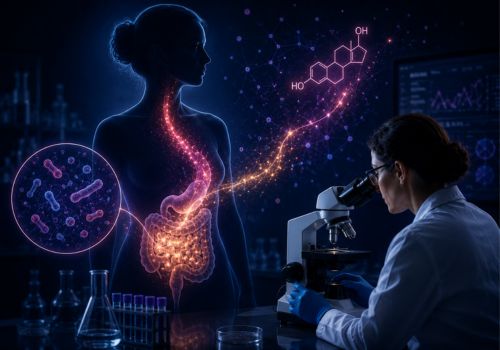
Menopause Research: A large international study suggests the gut microbiome may play a bigger role in estrogen regulation than previously understood.
Lillepin Research Reference
Study Category:
Gut Microbiome & Hormone Regulation
Primary Study:
Industrialization Increases the Estrogen-Recycling Capacity of the Gut Microbiome — Proceedings of the National Academy of Sciences (PNAS), 2026
Research ID: P2-044
The relationship between the gut microbiome and estrogen is attracting growing scientific interest. For years, scientists have known that the gut microbiome influences digestion, immunity, metabolism, and inflammation. More recently, researchers have begun exploring another possibility: that certain gut bacteria may also influence how estrogen is processed inside the body.
A new study published in PNAS examined gut microbiome data from populations across four continents. Researchers found that people living in modern industrialized societies appeared to have gut bacteria with a greater capacity to reactivate and recycle certain forms of estrogen that would otherwise be eliminated from the body than people living in more traditional, non-industrialized communities.
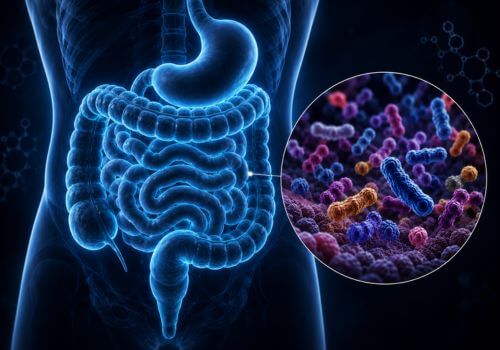
The findings highlight a little-known part of the microbiome called the estrobolome, which may help determine how much estrogen remains available within the body.
While the study does not prove that gut bacteria directly raise estrogen levels, it adds to growing evidence that the relationship between hormones and the microbiome may be far more interconnected than previously believed.
What Researchers Wanted to Understand
Scientists have long known that estrogen is not simply produced and eliminated.
After estrogen is used by the body, much of it is processed by the liver and excreted into the digestive tract for disposal. During this journey from the liver to the intestines, certain gut bacteria can reactivate some forms of estrogen, allowing them to be reabsorbed into the bloodstream rather than being completely eliminated.
The collection of microbes involved in this process is known as the estrobolome. Until now, researchers knew relatively little about how the estrobolome varies between different populations or how modern lifestyles might influence its activity.
What the Study Found
The researchers analyzed publicly available gut microbiome data from 24 populations spanning four continents and a wide range of lifestyles, including hunter-gatherers, pastoralists, rural agricultural communities, and industrialized urban populations.
They found that:
- Industrialized populations showed up to seven times greater estrogen-recycling capacity than non-industrialized populations.
- The diversity of the estrobolome was nearly twice as high in industrialized groups.
- Formula-fed infants showed two- to threefold greater estrogen-recycling capacity than breastfed infants.
- Estrobolome diversity was up to eleven times greater in formula-fed infants.
- Sex, age, and BMI were not strongly associated with estrobolome characteristics.
These findings suggest that lifestyle and environmental factors may have a stronger influence on microbial estrogen metabolism than many individual biological characteristics.
What Exactly Is the Estrobolome?
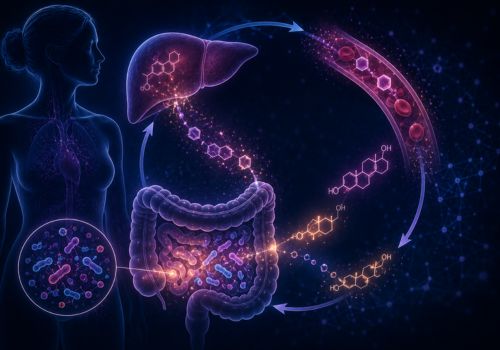
The estrobolome is a specialized subset of gut bacteria that helps process estrogen.
One way to think about it is as part of the body’s hormone recycling system.
After estrogen has been packaged for removal by the liver, certain gut microbes can break apart these inactive forms, allowing some of the hormone to be reabsorbed into the bloodstream rather than being completely excreted.
This process is completely normal and has likely existed throughout human history.
What surprised researchers was not that estrogen recycling occurs, but that the microbial capacity to perform this function appeared to differ so dramatically between populations living in different environments.
Why Might Modern Lifestyles Matter?
The study was not designed to identify the exact causes of these differences.
However, the researchers suggest that factors associated with industrialized living may play a role, including dietary patterns, sanitation, medication exposure, physical activity levels, and other environmental influences that shape the gut microbiome.
One particularly interesting finding was that industrialized populations generally have lower overall microbial diversity, yet showed greater diversity within the specific bacteria involved in estrogen recycling. This suggests that not all forms of microbial diversity behave in the same way.
Why This Matters During Menopause
Estrogen plays a central role in many of the changes women experience during perimenopause and menopause.
It influences:
- Bone health
- Brain function
- Mood
- Metabolism
- Body composition
- Cardiovascular health
- Inflammation
- Skin and connective tissue health
Because estrogen affects so many systems simultaneously, researchers have become increasingly interested in understanding all the factors that may influence its regulation.
This study suggests the gut microbiome may be one of those factors.
It is important to note that the researchers did not measure estrogen levels in blood samples. Instead, they measured the microbial genetic capacity for estrogen recycling.
That means the study cannot tell us whether individuals with greater recycling capacity actually had higher estrogen levels or whether those differences translated into health benefits or risks.
Questions Researchers Are Still Exploring
This study raises several important questions that scientists have not yet answered.
For example:
- Does greater estrogen recycling result in meaningful differences in hormone levels?
- Is more recycling beneficial, harmful, or highly dependent on context?
- Which lifestyle factors have the strongest influence on the estrobolome?
- Can dietary patterns alter microbial estrogen metabolism?
- Could the estrobolome contribute to differences in menopause symptoms or long-term health outcomes?
At present, researchers simply do not know. Further studies will be needed before any practical recommendations can be made.
What This Could Mean for Women After 40
One of the most important themes emerging from modern menopause research is that body systems rarely operate in isolation.
Hormones influence the brain, bones, immune system, and cardiovascular system.
The gut microbiome influences inflammation.
Inflammation influences metabolism.
Metabolism influences hormone signaling, and dietary factors such as oats, may also play a role by supporting healthy cholesterol levels, blood sugar balance, and gut health. Naturally bitter foods and yogurt may also support digestive health by stimulating digestive secretions and promoting bile flow.
Some women also include purified inner-leaf aloe vera as part of a gut-friendly lifestyle because emerging research suggests it may support digestive health. Learn more in our guide to Aloe Vera: The Ultimate Midlife Hydrator.
This study adds another piece to that growing picture by suggesting that the gut microbiome may also participate in the way estrogen is processed and recycled within the body.
While much remains unknown, the findings reinforce the idea that menopause is not simply a reproductive transition. It involves a complex network of interactions between hormones, metabolism, the immune system, and the microbiome.
The Lillepin Takeaway
Scientists have known for some time that gut bacteria help process estrogen. What this study adds is evidence that the microbial capacity for estrogen recycling may differ substantially between populations and lifestyles.
The findings do not prove that modern lifestyles increase estrogen levels, nor do they establish whether greater recycling is ultimately beneficial or harmful.
However, they do highlight an emerging area of research that may help explain why hormones, metabolism, inflammation, and gut health appear so closely connected during midlife and beyond.
Related Lillepin Research
P1-035 → Read the full article: AI Just Revealed a Hidden Truth About Menopause
P1-054 → Read the full article: Scientists Discover a Surprising Connection Between Your Bones and Your Brain
P1-077 → Read the full article: Why Perimenopause Could Be One of the Most Important Times to Protect Your Heart
P2-040 → Read the full article: Your Gut Does Not Stay the Same After Menopause.
P2-0120 → Read the full article: Can Eating Yogurt Help Lower Your Risk of Colorectal Cancer?
P1-098 → Read the full article: Could One Workout a Week Be as Effective as Three?
MW-058 → Read the full article: Could HRT Lower Dementia Risk?