Fasting and Menopause: Can It Help Regulate Hormones and Boost Metabolism?
Let’s face it: losing weight during the changes your body goes through in midlife can feel like trying to push a boulder uphill. Hormonal fluctuations, a slower metabolism, and stubborn fat around the belly can make every scale glance feel like a challenge.
But what if fasting could be the secret weapon to help regulate hormones, improve metabolism, and aid in weight loss? Buckle up, ladies – because fasting might just offer some menopause-friendly benefits.
In this blog post, we’ll explore the potential perks of fasting for menopausal women, what the studies say, and the important things to keep in mind when considering this strategy. Spoiler: It’s not a miracle solution, and it may not appeal to everyone; – but it can certainly be a helpful tool in your arsenal!
Does Fasting Help Boost Metabolism During Menopause?
Yes, fasting can potentially help with weight loss during menopause, when done correctly. It’s not magic, but research shows that intermittent fasting (IF) can help with hormone regulation, metabolism, and fat burning.
Researchers also discovered in a recent randomized trial of postmenopausal women that time-restricted eating may improve certain aspects of cognitive function, including planning and problem-solving.
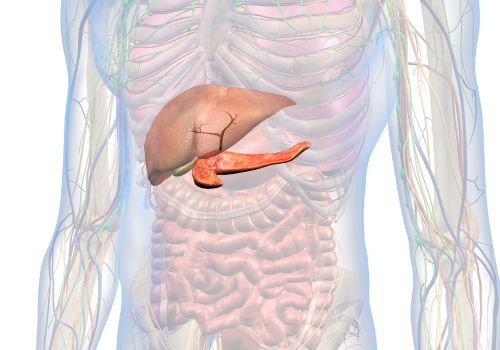
During menopause, your body experiences insulin resistance (where the body has trouble regulating blood sugar), cortisol imbalances, and lower estrogen levels. These hormonal changes can slow down your metabolism, making it harder to burn fat.
Here’s where fasting comes in:
When you reduce the window of time during which you eat, your body has longer periods to burn fat. Fasting helps regulate insulin levels, reduce cortisol, and may even improve hormone balance, making it easier for your metabolism to fire on all cylinders.
The science: Some studies suggest that intermittent fasting can improve insulin sensitivity, lower inflammation, and reduce fat accumulation—all critical factors during menopause.
The Best Fasting Methods for Menopausal Women

There are several fasting protocols out there, but not all are equally suited to women over 40. Some fasting methods may provide greater benefits for hormone regulation and fat loss, while others could be too harsh, especially if you’re already dealing with fluctuating hormone levels.
1. Intermittent Fasting (IF)
The most popular fasting method, and likely the easiest to incorporate into your routine, is intermittent fasting. This method alternates between fasting and eating windows. For example:
- 16:8 method: Fast for 16 hours, eat during an 8-hour window. (Example: Eat between 12 p.m. and 8 p.m., then fast until noon the next day.)
- 12:12 method: A gentler option, where you fast for 12 hours (e.g., from 7 p.m. to 7 a.m.) and eat during the other 12 hours.
Why it works: Intermittent fasting helps give your body more time to burn fat and regulate hormones, such as insulin and estrogen, which can be imbalanced during menopause.
2. The 5:2 Diet

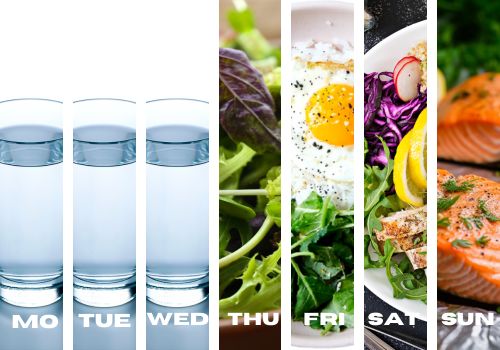
This method involves eating normally for five days of the week and severely restricting calories (about 500–600 calories) on the other two days.
Why it works: The reduced calorie days help your body enter a fat-burning state, while still allowing for regular eating most of the time.
3. Eat-Stop-Eat
This method involves fasting for 24 hours once or twice a week. For example, you could fast from dinner one day until dinner the next day.

Why it works: This method can help promote fat loss, improve insulin sensitivity, boost metabolism, and potentially support heart health by lowering blood pressure and cholesterol levels. But this method may be harder than Intermittent Fasting for some.
One of the main benefits of this type of fasting is that it provides flexibility; on fasting days, you’re not completely deprived of food, so it’s easier to stick to than a full fast. This approach is especially beneficial for women over 40, as it can help manage weight gain, improve metabolic health, and provide a boost of energy. However, it’s important to listen to your body and ensure you’re getting the right nutrients on eating days to maintain overall health and well-being.
5. 3-Day Fasting (or Longer)
A 3-day fast (or longer) is a more intense form of fasting that typically involves consuming little (300 to 500 calories) to no food for an extended period. This type of fasting should be done once a month or once a season only.
Why it works: This type of fast can offer significant health benefits, such as improved insulin sensitivity, detoxification, and fat loss. It may also promote cellular repair through autophagy, where the body breaks down and recycles old or damaged cells.
Important!
Before you try any fasting method, it’s a good idea to check with your healthcare provider beforehand, especially if you have any underlying health conditions or are on medication.
Longer fasts also come with higher risks, such as nutrient deficiencies, fatigue, and muscle loss if not done correctly. To prepare for a longer fast, it’s important to hydrate well, reduce food intake gradually in the days leading up to the fast, and ensure your body is in a healthy state.
Consulting a healthcare provider before attempting any form of fasting (especially for longer fasts) is crucial, especially for women over 40, to ensure it’s safe and appropriate for your health needs.
Do’s and Don’ts of Fasting for Menopausal Women

Do’s:
- Start Slowly: If you’re new to fasting, ease in gradually. Start with the 12:12 method and work your way up to longer fasting periods if needed.
- Stay Hydrated: Drink plenty of water throughout your fasting periods. Herbal teas and black coffee are also good options (as long as they’re without added sugar or cream).
- Focus on Nutrient-Dense Foods: When you do eat, make sure your meals are packed with whole foods—lean proteins, healthy fats, and plenty of vegetables. Avoid processed foods, which can exacerbate hormone imbalances.
- Listen to Your Body: If you feel faint, excessively fatigued, or lightheaded, stop fasting and consult your healthcare provider.
- Always check with a professional Healthcare Provider if fasting is for you!
Don’ts:

- Don’t Skip Meals on Non-Fasting Days: On the days when you’re eating, don’t overdo it. Fasting should not lead to overeating during your eating window. This will just undo the benefits.
- Don’t Starve Yourself: Fasting doesn’t mean cutting calories to extreme levels. You still need to nourish your body to maintain your muscle mass and overall health.
- Don’t Forget Your Supplements: If you take supplements (especially vitamins like B12, magnesium, or omega-3s), be sure to take them during your eating window, as fasting may affect absorption.
- Don´t just dive into a fast; always check with a Healthcare Professional first!
Is Fasting for Everyone? Contraindications and Things to Consider

While fasting has benefits for many menopausal women, it’s not for everyone. Here are some contraindications and things to think about:
- If you have a history of eating disorders, fasting might trigger unhealthy behaviors. Always consult with a healthcare professional before starting a fasting regimen.
- If you have thyroid issues: Fasting can sometimes lower thyroid function, which is already a concern for many menopausal women. It’s essential to check in with your doctor if you have hypothyroidism or other thyroid imbalances.
- If you have low blood pressure: If you have a tendency towards low blood pressure, fasting may cause dizziness or fainting. Be sure to monitor how you feel.
What Else Should You Know About Fasting During Menopause?

- Patience is Key: This is not a quick-fix solution. It can take weeks or even months to start seeing significant results. Stay consistent, and be patient with your body.
- Combine with Exercise: For optimal results, pair fasting with regular exercise, including both strength training and cardio. Some women also explore supplements such as creatine to help support muscle preservation, strength, and metabolic health during menopause. Building muscle will help combat the muscle loss that often comes with menopause.
- Check Your Stress Levels: High cortisol levels can interfere with weight loss during menopause, so managing stress is critical. Yoga, autogenic training, meditation, or even a simple walk outside can help.
Support Your Nervous System: Stimulate the Vagus Nerve
Fasting during menopause can be a stressor for your body, but it can also become a stress regulator when paired with vagus nerve activation.
The vagus nerve plays a key role in calming the nervous system, improving digestion, balancing blood sugar, and regulating inflammation. Vagus nerve exercises can support your parasympathetic (rest-and-digest) system, which helps your body adapt to the fasting state more gracefully.
Try adding 2–5 minutes of diaphragmatic breathing, a cold face rinse, or a quick morning vagus activation routine to improve your resilience and help your body better regulate hormones and metabolism during fasting.
Final Thoughts
Fasting during menopause can help regulate hormones, boost metabolism, and support fat loss. But like all things in life, it’s not a one-size-fits-all solution. Start slowly, listen to your body, and find a fasting method that works for you.
Important!
If you have any health conditions or are on medication, always check with your doctor before starting a fasting routine. With patience, consistency, and a little experimentation, fasting might just be the tool you need to manage your weight and hormonal changes during menopause.
Related Lillepin Research
P1-077 → Read the full article: Why Perimenopause Could Be One of the Most Important Times to Protect Your Heart
P1-097 → Read the full article: Could When You Eat Affect Your Brain Health?
NS-023 → Read the full article: Creatine After 40: Could It Protect Your Muscles and Boost Your Brain?