
Breathwork for Menopause Relief: Breathe Your Way to Calm

Believe it or not, breathwork is an incredibly effective way to manage many of the symptoms of menopause. Breathwork is a set of breathing exercises designed to help you tap into the power of your breath. It calms your nervous system, reduces stress, and promotes relaxation.
What is Breathwork and Why Does it Help During Menopause?

Breathwork is a practice that focuses on conscious, controlled breathing techniques to promote physical and mental well-being. During menopause, many women notice their bodies feel more reactive to stress, overstimulation, poor sleep, and emotional pressure.
Breathwork can help interrupt this constant ‘fight-or-flight’ state by supporting nervous system regulation and helping the body shift back toward a calmer recovery state. It’s about using your breath as a tool to reduce stress, improve focus, and restore balance to your body and mind.
Breathwork Calms The Nervous System
During menopause, your body undergoes significant changes, including fluctuating hormone levels, which can affect your mood, energy, and even sleep patterns. Breathwork helps by calming your nervous system, lowering stress hormones, and helping you regain control over your body’s responses. Chronic stress may also contribute to low-grade inflammation over time.
One reason breathwork is so accessible during menopause is that it requires no equipment and can often calm the body surprisingly quickly. Whether you’re experiencing hot flashes, anxiety, irritability, or fatigue, breathwork can help you manage these symptoms with ease. Plus, it’s something you can do anytime and anywhere because you need no special equipment!
How Breathwork Helps Relieve Menopause Symptoms
Breathwork is more than just a relaxing activity—it can be a powerful tool for managing menopause symptoms. Here’s how it can help:
1. Stress Reduction

One of the biggest challenges during menopause is managing stress. Fluctuating hormones can lead to mood swings, irritability, and anxiety.
Breathwork activates the parasympathetic nervous system (the “rest and digest” system), which helps you relax and reduce stress hormones like cortisol, which also plays a role in metabolic balance, including insulin resistance.
Slow, controlled breathing can help lower stress signaling in the body and create a stronger sense of physical and emotional safety.
2. Hot Flashes
Hot flashes are one of the most common and uncomfortable symptoms of menopause. Breathwork, particularly deep breathing exercises, can help lower your body’s temperature and regulate blood flow, reducing the intensity and frequency of hot flashes.
By practicing slow, controlled breathing during a hot flash, you can calm your body and ease the discomfort.
3. Improved Sleep
Many women struggle with sleep disturbances during menopause, whether it’s due to night sweats or racing thoughts. Breathwork helps calm the mind and relax the body, making it easier to fall asleep and stay asleep.
Techniques like deep belly breathing can activate the body’s relaxation response, signaling to your brain that it’s time to wind down and rest.
4. Anxiety and Mood Swings

Mood swings and anxiety are common during menopause, and they can make everyday life feel like an emotional rollercoaster. Breathwork can help you ground yourself, manage stress, and regulate emotions. By focusing on slow, steady breathing, you can help calm your nervous system and restore emotional balance.
Over time, chronic stress can subtly change breathing patterns themselves, often leading to shallow breathing, jaw tension, chest tightness, and a more activated nervous system state.
Some women also notice dry mouth or increased tooth sensitivity during prolonged periods of stress and nervous system overload.
5. Energy Boost
Feeling fatigued or drained during menopause? Breathwork can help boost your energy levels by increasing oxygen flow to your brain and body. Energizing breathwork exercises can stimulate the body, improve circulation, and help you feel more awake and alert.
Breathwork Techniques to Try for Menopause Relief
Now that you understand how breathwork helps, let’s explore some simple techniques you can try at home to relieve menopause symptoms naturally.
1. Box Breathing (4-4-4-4 Technique)
This simple but effective technique is great for reducing stress and calming your mind. Here’s how to do it:
- Sit in a comfortable position and close your eyes.
- Inhale deeply through your nose for a count of 4.
- Hold your breath for a count of 4.
- Exhale slowly through your mouth for a count of 4.
- Pause for a count of 4 before inhaling again.
- Repeat for several rounds. Box breathing helps calm the nervous system and reduce anxiety.
2. Deep Belly Breathing

Deep belly breathing is great for relaxation, reducing hot flashes, and improving sleep. It helps activate the parasympathetic nervous system, bringing you into a relaxed state. Here’s how to do it:
- Sit or lie down in a comfortable position.
- Place one hand on your chest and the other on your belly.
- Inhale deeply through your nose, allowing your belly to expand like a balloon.
- Exhale slowly through your mouth, allowing your belly to deflate.
- Repeat for 5-10 minutes, focusing on the rise and fall of your belly. This technique helps reduce stress and calms the body.
3. Alternate Nostril Breathing
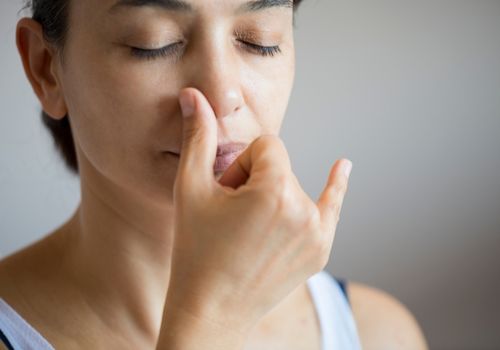
Alternate nostril breathing is a yogic purification and pranayama technique that helps balance the body’s energy and promote calm. It can be especially useful for reducing anxiety and stress naturally. Here’s how to do it:
- Sit comfortably with your spine straight and shoulders relaxed.
- Using your right thumb, close your right nostril.
- Inhale deeply through your left nostril.
- Close your left nostril with your right ring finger, and release your right nostril.
- Exhale through your right nostril, then inhale through your right nostril.
- Close your right nostril and exhale through the left nostril.
- Repeat for 5-10 rounds. Alternate nostril breathing helps calm the mind, reduce stress, and balance the body’s energy.
4. 4-7-8 Breathing

This technique is known for its calming effects, making it perfect for sleep and relaxation. Here’s how to do it:
- Sit in a comfortable position and close your eyes.
- Inhale quietly through your nose for a count of 4.
- Hold your breath for a count of 7.
- Exhale completely and slowly through your mouth for a count of 8.
- Repeat this cycle for 4-5 rounds. This technique is known for promoting relaxation and improving sleep quality.
5. Lion’s Breath

Lion’s breath is an energizing breathwork technique that can help you release tension and boost energy levels. Here’s how to do it:
- Sit comfortably with your spine straight.
- Inhale deeply through your nose.
- As you exhale, open your mouth wide, stick out your tongue, and make a loud “ha” sound, releasing tension in your jaw and face.
- Repeat 5-10 times. Lion’s breath helps release built-up tension and promotes a sense of vitality.
Breathwork Apps: Your Pocket-Sized Calm
If you prefer a little extra guidance, breathwork apps are a great way to incorporate these techniques into your daily routine. Apps like Calm, Headspace, and Breethe offer guided breathing exercises specifically designed to help manage menopause symptoms like stress, anxiety, and sleep disturbances.
They often feature customizable sessions, soothing music, and reminders to help you stay on track. Whether you’re a beginner or an experienced breather, these apps provide a convenient way to practice breathwork anytime, anywhere—making it easier than ever to breathe your way to relief.
Benefits of Breathwork for Menopause Relief

Many women find that regular breathwork supports multiple systems in the body at once, particularly stress regulation, sleep quality, emotional resilience, and nervous system recovery
- Reduces Stress and Anxiety: Breathwork helps lower cortisol levels, promoting calm and relaxation.
- Alleviates Hot Flashes: Deep breathing can regulate body temperature and reduce hot flashes.
- Improves Sleep: Breathwork calms the mind and helps you fall asleep faster and stay asleep longer.
- Balances Mood: Breathwork helps regulate emotions, reduce mood swings, and improve emotional resilience.
- Boosts Energy: Energizing breathwork techniques help you feel more awake and alert.
Pros and Cons of Breathwork for Menopause Relief
Pros:
- Easy to Learn: Breathwork is simple, quick, and can be done by anyone, anywhere.
- No Special Equipment Needed: You only need your breath; no fancy gadgets required!
- Natural and Drug-Free: Breathwork offers a natural, side-effect-free way to manage menopause symptoms.
- Immediate Relief: Many breathwork techniques provide instant relief from stress, anxiety, and physical discomfort.
Cons:
- Takes Practice: Some techniques, like alternate nostril breathing, may take a little time to master.
- Not a Quick Fix: While effective, breathwork works best with consistent practice, so be patient with yourself.
- Can Be Challenging for Beginners: If you’re new to breathwork, it may take a few attempts to feel comfortable with the techniques.
Contraindications: Who Should Avoid Breathwork?

Breathwork is generally safe for most people, but there are a few considerations:
- Respiratory Conditions: If you have asthma, chronic lung conditions, or other respiratory issues, consult with a healthcare professional before practicing breathwork.
- Pregnancy: Some breathwork techniques may not be suitable during pregnancy, particularly those that involve intense or rapid breathing. Always check with your doctor first.
Final Thoughts
Breathwork is a simple, effective tool for managing menopause symptoms naturally. Whether you’re dealing with stress, hot flashes, mood swings, or fatigue, breathwork can help you find relief by calming your mind, balancing your body, and improving your emotional well-being.
Enhance your results by pairing breathwork with Vagus Nerve exercises; Your nervous system will thank you. Because breathwork is simple, portable, and easy to practice consistently, many women find it becomes one of the most sustainable nervous system support tools during menopause.
So, take a deep breath, try out some of these techniques, and let your breath guide you toward a calmer, more balanced menopause experience!
Ready to Discover More Calm?
Discover natural techniques to soothe your nervous system, reduce anxiety, and find inner peace during menopause. Your essential guide is just a click away!