Your Ultimate Guide to Maca for Menopause
Natural remedies like Maca Root or simply Maca (Lepidium meyenii) are gaining popularity to combat various peri(menopausal) symptoms. Known as a powerful adaptogen, Maca Root is often hailed for its potential to support hormonal balance and energy levels during menopause.
In this guide, we’ll explore what Maca Root is, how it works, its benefits for menopause, potential side effects, and important things to consider before adding it to your wellness routine.
Table of Contents
What Is Maca Root?
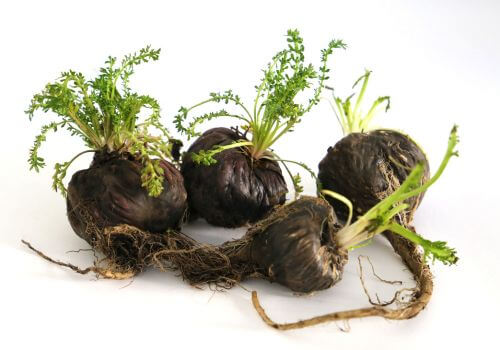
Maca Root is a vegetable native to the high-altitude regions of the Andes mountains in Peru. It’s often referred to as “Peruvian ginseng” due to its energy-boosting and adaptogenic properties. Unlike ginseng, it is actually a cruciferous root vegetable that is related to broccoli, cauliflower, and kale.
Maca: Historically a Food Source

Maca has been a staple food crop in the Andes for over 2,000 years, similar to a potato. This long history of consumption by humans is why it is often regarded as having a high safety margin. It is classified by the FDA as a Generally Recognized as Safe (GRAS) substance, confirming its history of use as a food ingredient.
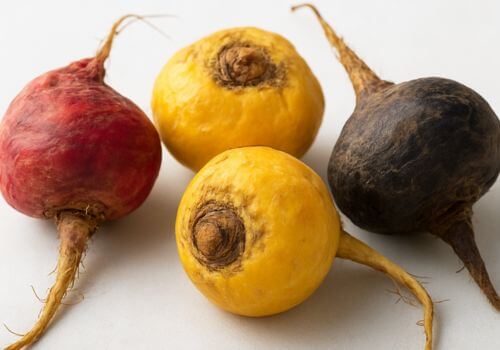
The root looks similar to a turnip and comes in several varieties, typically characterized by color, ranging from yellow to red and black. While the different colors may have slightly different effects, they all share common properties that make them beneficial for hormonal health, energy levels, and more. Maca is available in various forms: powdered (the most common), capsules, tablets, and even as a liquid extract.
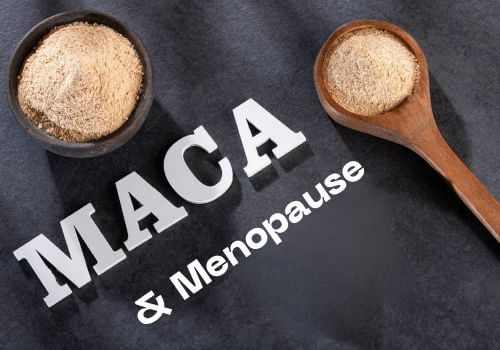
Why Maca Powder is Beige, Not Red or Black
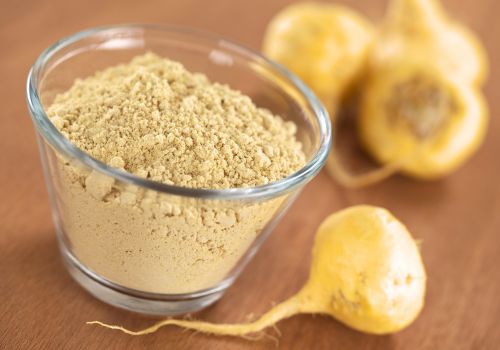
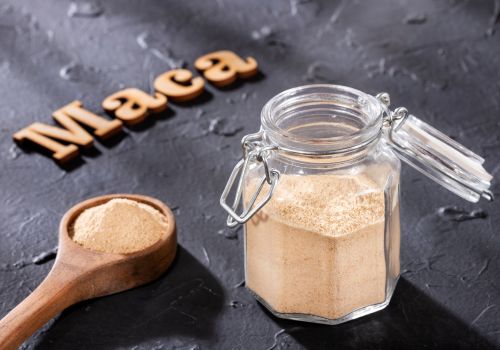
The reason the final powder often looks pale yellow, beige, or sometimes greenish, rather than the vibrant colors of the raw roots, comes down to processing: Drying and Pulverizing. The fresh roots are traditionally sun-dried, which significantly reduces the moisture content and causes the intense natural pigments to break down and fade.
When the dried material is then ground into a fine powder, all components mix together, resulting in a lighter, uniform beige or pale tan color. If maca powder has a noticeable greenish hue, it is usually because trace amounts of the above-ground leafy green parts of the plant were included in the processing and grinding, contaminating the color of the root powder. This is sometimes an indicator of less rigorous processing standards.
How Does Maca Work for Menopause?
Maca Root is often referred to as an adaptogen, a term used for plants that help the body better cope with stress. This is especially beneficial during menopause, a time when many women experience heightened stress, anxiety, and hormonal fluctuations. It works through a few key mechanisms to help alleviate some of the most common symptoms of menopause:
1. Balancing Hormones
Maca Root is not a direct source of estrogen (phytoestrogen). Instead, it may help balance hormone production by stimulating the hypothalamus and pituitary glands, which are responsible for regulating hormone levels in the body. This adaptogenic support helps the body adjust to hormonal fluctuations, which can alleviate symptoms such as hot flashes, night sweats, and mood swings.
2. Boosting Energy and Reducing Fatigue

Maca is often used to combat fatigue and low energy levels, both common during menopause. It helps increase stamina and enhance vitality. By supporting the adrenal glands (responsible for producing stress hormones like cortisol), it may also help regulate energy levels throughout the day.
- Note on Caffeine: Maca does not contain caffeine. Its energizing effects are attributed to its unique nutrient profile (including compounds called macamide and macaene) and its adaptogenic properties, which help the body manage stress and stabilize energy levels, rather than providing a direct stimulant jolt.
3. Improving Mood and Reducing Anxiety
The hormonal fluctuations during menopause can cause emotional shifts like mood swings, irritability, and anxiety. Some studies suggest that Maca can help reduce symptoms of anxiety and depression by stabilizing stress hormones and promoting better mood regulation, helping to create a greater sense of emotional well-being.
4. Enhancing Libido and Sexual Health

Maca Root has been traditionally used to enhance libido and improve sexual function. Some studies have shown that it may help with vaginal dryness, boost sexual desire, and even improve sexual satisfaction, making it a natural choice for women dealing with a reduced sex drive during menopause.
5. Supporting Bone Health
As estrogen declines during menopause, bone density can decrease, increasing the risk of osteoporosis. Some research suggests that it may help maintain bone density by influencing calcium balance and providing vital nutrients like iron and calcium.
What the Science Says: Clinical Studies

While traditional use is compelling, scientific studies have provided formal support for maca’s benefits, particularly regarding menopause symptoms.
The majority of clinical trials conducted have generally found that it:
Reduces Severity of Symptoms: Multiple studies have shown that maca can significantly reduce the frequency and severity of common perimenopausal and menopausal symptoms, including hot flashes and night sweats, when compared to a placebo.
Improves Psychological Well-being: Research indicates a notable improvement in psychological symptoms. Several placebo-controlled trials have reported that women taking maca experienced a reduction in symptoms like anxiety, depression, and mood swings, suggesting a clear benefit for emotional well-being during this transitional phase.
Boosts Libido: Perhaps the most consistent finding across different studies is it’s positive effect on sexual function. Clinical data supports its use for increasing libido and sexual desire in women experiencing hormonal changes.
It is important to note that while the studies show positive trends, most researchers conclude that more large-scale, long-term trials are still needed to fully map out all mechanisms and confirm specific optimal dosages. Nevertheless, the existing evidence strongly suggests that maca is a promising natural intervention for many common menopause complaints.
How to Use Maca Root for Menopause Symptoms

Maca Root is available in several forms, each with its own method of consumption.
- Powder: The most common form can easily be added to smoothies, juices, or food. A typical starting serving is 1–3 teaspoons per day.
- Capsules or Tablets: For a more concentrated dose, the recommended dosage typically ranges from 500 mg to 2,000 mg per day. Be sure to follow the instructions on the label or consult with a healthcare provider.
- Liquid Extract: The dosage for liquid extract typically ranges from 20–30 drops, taken 1–3 times per day.
Maca in the Kitchen: Smoothies and Baking
The earthy, slightly malt-like taste of maca powder makes it a versatile ingredient in both beverages and baked goods. Incorporating this supplement into your favorite recipes is a simple way to make it a daily habit.
Energizing Smoothie Recipe
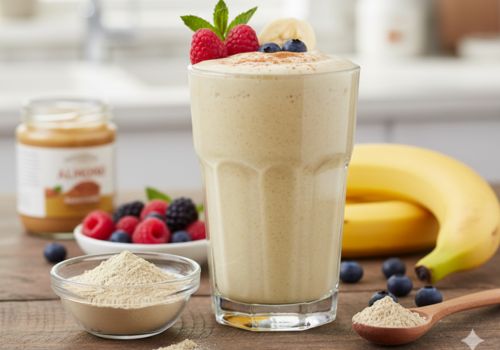
This blend is quick, delicious, and designed to balance blood sugar while delivering a sustained energy boost.
- 1 cup unsweetened almond milk (or your preferred milk)
- 1 frozen banana (for creaminess)
- 1/2 cup frozen berries (strawberries, blueberries, or raspberries)
- 1 teaspoon of Gelatinized Maca Powder
- 1 tablespoon of nut butter (almond, peanut, or cashew)
- Optional: A pinch of cinnamon for flavor and blood sugar balance.
Instructions: Combine all ingredients in a high-speed blender and blend until completely smooth. Drink immediately.
Baking with Maca (Cakes and Cookies)

You can also add the powder to cake or cookie mixtures! In Peru, it is traditionally consumed cooked. While some nutrients are sensitive to extreme heat, its primary adaptogenic compounds are relatively stable when baked.
How to Add: Start by substituting a small portion of the flour in your recipe (about 1-2 tablespoons per batch of cookies or loaf of cake). This allows you to introduce the flavor without altering the texture too much.
Flavor Note: Maca enhances the overall flavor profile of baked goods, adding a pleasant, slightly malty, butterscotch undertone that pairs especially well with chocolate, vanilla, and spices like cinnamon or nutmeg.
Since it is intended to support hormonal health, it is best to treat these baked goods as a supplement for the adult user, not as a treat for children.
Maca Supplement Shopping Guide: What to Look For

The world of maca supplements can be confusing, with different colors and processing methods advertised. Understanding these differences is key to choosing the right product.
First, consider the color; while Yellow Maca is best for general use and energy, Red Maca is often recommended for women focusing on mood, anxiety, and bone density support, and the Black variety is generally focused on stamina. Second, and most critically, look for Gelatinized over Raw Maca, especially if you have a sensitive stomach or are prone to bloating.
Gelatinization
Gelatinization is a cooking process that removes the starch content, making the final powder much easier to digest and absorb, reducing the risk of gas and stomach upset common with Raw Maca.
Finally, always prioritize quality by looking for Organic Certification (to ensure it is free from pesticides), confirmation that it is Peruvian Sourced (the most authentic and well-studied origin), and evidence of Third-Party Testing to guarantee purity and potency.
Important Safety and Medication Interactions

While generally considered safe, you must consult with a healthcare provider or the doctor prescribing your medications before adding it to your routine because of its potential effects on hormones.
Possible Side Effects of Maca Root
When used appropriately, but as with any supplement, it’s important to be aware of possible side effects:
Gastrointestinal Upset: Some people may experience mild digestive discomfort, such as bloating, gas, or diarrhea, especially when first starting. Start with a smaller dose and gradually increase it.
Hormonal Sensitivity: If you have a hormone-sensitive condition such as breast cancer, endometriosis, or uterine fibroids, you should speak to a healthcare provider before using Maca, as its hormone-regulating effects may potentially be contraindicated.
Insomnia: Some people may experience difficulty sleeping when taking Maca, particularly if they take it later in the day. Adjusting your dosage or taking it earlier may help.
Interaction with Medications (Highest Caution)
1. Hormone-Sensitive Medications:
Since maca influences the body’s natural hormone regulators, it can potentially interact with any medication designed to modulate hormones:
Hormone Replacement Therapy (HRT): It could theoretically alter the balance or effectiveness of the estrogen and/or progesterone you are taking.
Birth Control Pills: It’s potential hormone-balancing effects could interfere with the efficacy of hormonal contraceptives.
Endocrine-Disrupting Drugs: Any medication prescribed for conditions like thyroid dysfunction, PCOS, or breast/prostate cancer (where hormones are intentionally being blocked or suppressed) should not be combined with maca without strict medical oversight.
2. Blood-Thinning Medications:
Maca naturally contains Vitamin K, which aids in blood clotting.
Anticoagulants (e.g., Warfarin/Coumadin): If you are taking blood-thinning medication, the Vitamin K in maca supplements can potentially reduce the effectiveness of these drugs, increasing the risk of clotting.
Final Thoughts: Is Maca Root Right for You?
It is a powerful adaptogen with a long history of use for balancing hormones, boosting energy, enhancing libido, and improving mood, all of which can be helpful during menopause. Its ability to support hormonal health and combat symptoms like hot flashes, night sweats, fatigue, and low libido makes it a popular choice for women looking for a natural remedy.
When used appropriately, Maca can be a helpful ally in navigating the challenges of menopause, supporting both physical and emotional well-being during this important phase of life.