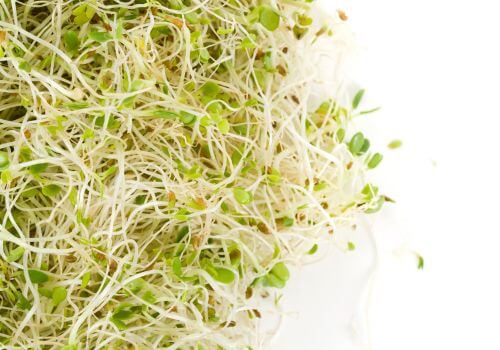
Alfalfa for Menopause Symptoms
A Comprehensive Guide
Menopause can bring a range of symptoms, from hot flashes to mood swings, leaving many women looking for natural ways to ease the transition. One herb that’s often mentioned in this context is alfalfa. While you might recognize it as feed for livestock, alfalfa has been used in traditional medicine for centuries and is now gaining attention for its potential benefits in managing menopause symptoms. In this guide, we’ll explore what alfalfa is, how it works, its benefits, side effects, and important things to consider when using it during menopause.
What Is Alfalfa?
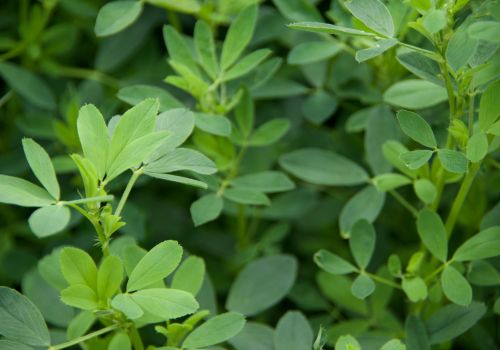
Alfalfa (Medicago sativa) is a perennial plant that belongs to the pea family. It’s native to Asia and the Middle East, though it’s now widely grown in many parts of the world. Alfalfa is nutrient-dense, containing a variety of vitamins, minerals, and antioxidants. Although it’s often grown as animal feed, alfalfa has also been used in herbal medicine, especially for its potential to support overall health and hormone balance.
When used as a supplement, alfalfa typically comes in the form of dried leaves, powder, capsules, or tablets.
Where Does Alfalfa Grow?
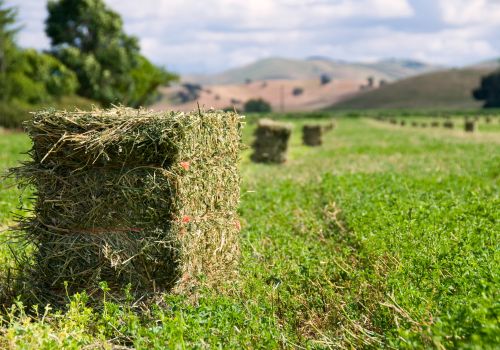
Alfalfa thrives in well-drained, fertile soil and requires a sunny climate to grow. It is cultivated around the world, particularly in temperate regions like North America, Europe, and parts of Asia. While it is commonly found in agricultural fields, alfalfa is also grown for its health benefits in both traditional and modern herbal practices.
How Does Alfalfa Work for Menopause?
Alfalfa may help with menopause symptoms through its rich nutrient profile and the presence of certain compounds that can support hormone balance and overall wellness. Here’s how it works:
1. Phytoestrogens:
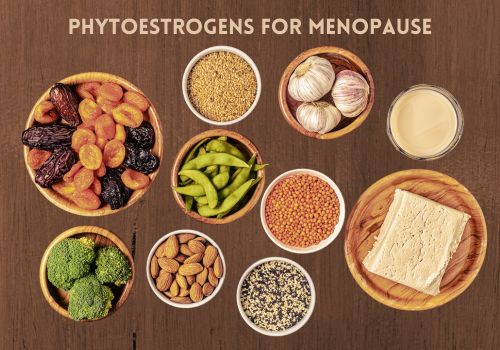
Alfalfa contains phytoestrogens – plant compounds that mimic the hormone estrogen in the body. As estrogen levels decline during menopause, these phytoestrogens may help alleviate some common symptoms, such as hot flashes, night sweats, and mood swings. While phytoestrogens are not as potent as the estrogen produced by the body, they can still provide some relief.
2. Chlorophyll:
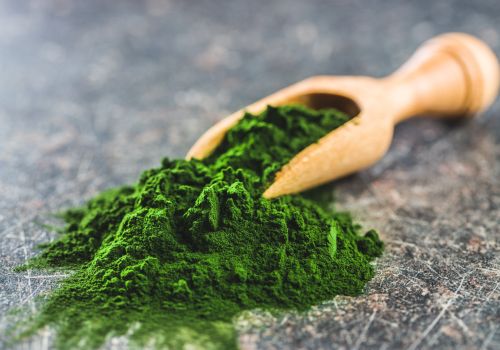
Alfalfa is rich in chlorophyll, which is known for its antioxidant properties. Chlorophyll helps the body detoxify, supports hormone balance, and may promote better digestion and skin health, all of which can be affected during menopause.
3. Vitamins and Minerals:
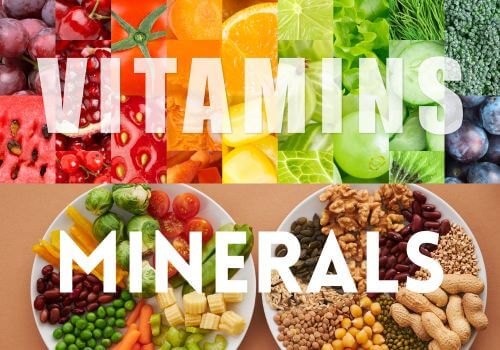
Alfalfa is rich in essential vitamins such as A, C, E, and K, as well as B vitamins. It also contains calcium, magnesium, and iron—important minerals that support bone health, energy levels, and overall wellness during menopause.
Potential Benefits of Alfalfa for Menopause Symptoms
Alfalfa offers several potential benefits for women going through menopause:
1. Hot Flashes and Night Sweats:

The phytoestrogens in alfalfa may help to reduce the frequency and severity of hot flashes and night sweats. While alfalfa isn’t a cure-all, it can help manage the hormonal fluctuations that lead to these symptoms.
2. Mood Support:
Alfalfa may help stabilize mood and reduce symptoms of anxiety, irritability, and depression that can accompany menopause. Hormonal changes during this time can significantly affect emotional well-being, and alfalfa’s nutrient profile could offer some support.
3. Bone Health:
As estrogen levels decrease during menopause, bone density may also decline. Alfalfa contains calcium and vitamin K, both of which are important for maintaining bone health and reducing the risk of osteoporosis.
4. Digestive Health:

Alfalfa is high in fiber, which can aid in digestion and help prevent constipation – an issue many women experience during menopause. Regular consumption of alfalfa may promote better digestive function.
5. Cholesterol Management:
Some studies suggest that alfalfa may have mild cholesterol-lowering effects, which can be beneficial as heart disease risk increases after menopause. It could help support cardiovascular health by promoting healthy cholesterol levels.
Potential Side Effects of Alfalfa
Although alfalfa is generally considered safe, there are a few side effects and considerations to keep in mind:
1. Allergic Reactions:
Some people may be allergic to alfalfa. Symptoms of an allergic reaction could include skin rashes, itching, or gastrointestinal discomfort. If you’re allergic to legumes (such as peanuts or soy), you should be cautious when using alfalfa.
2. Hormonal Sensitivity:
Since alfalfa contains phytoestrogens, it may not be suitable for women with hormone-sensitive conditions, such as breast cancer, uterine cancer, or endometriosis. If you have any concerns about how alfalfa might interact with your health, it’s best to speak with your doctor before using it.
3. Pregnancy and Breastfeeding:
There isn’t enough research to confirm the safety of alfalfa during pregnancy and breastfeeding, so it’s recommended to avoid using alfalfa supplements in these situations unless cleared by a healthcare provider.
4. Blood Thinning:
Alfalfa contains vitamin K, which plays a role in blood clotting. If you are taking blood thinners like warfarin or aspirin, alfalfa could interfere with the effectiveness of your medication. You should consult your doctor before using alfalfa if you’re on blood thinners.
Important Considerations:
Alfalfa and Interactions with Other Herbs, Supplements, or Medications
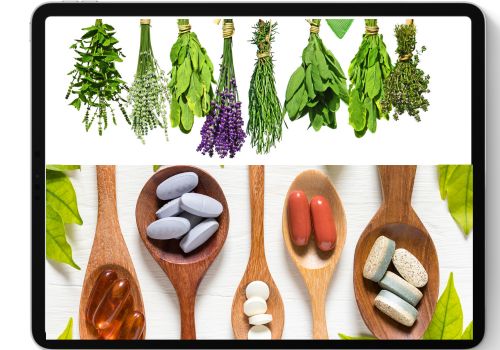
Alfalfa can interact with certain medications, supplements, and herbs. Here are some things to consider:
1. Blood Pressure Medications:
Alfalfa has mild blood pressure-lowering effects. If you’re taking medication to manage high blood pressure, you may want to monitor your levels more closely when introducing alfalfa into your routine.
2. Blood Thinners:
As mentioned, alfalfa’s vitamin K content can affect blood clotting. If you’re taking anticoagulants or blood-thinning medication, check with your healthcare provider before using alfalfa to avoid any potential interactions.
3. Diabetes Medications:
There’s some evidence that alfalfa may help lower blood sugar levels. If you’re on diabetes medication, it’s important to monitor your blood sugar levels closely, as alfalfa could potentially enhance the effects of your medication.
4. Other Hormonal Supplements:
If you’re using other hormonal therapies, such as estrogen replacement therapy (HRT), consult with your doctor before adding alfalfa to your regimen. The phytoestrogens in alfalfa could have an additive effect when combined with other hormone-related treatments.
How to Use Alfalfa for Menopause Symptoms
There are several ways to incorporate alfalfa into your daily routine:
1. Alfalfa Tea:
Alfalfa tea is an easy and relaxing way to enjoy the benefits of alfalfa. You can find pre-packaged alfalfa tea bags or use dried alfalfa leaves to make your own. Drinking alfalfa tea in the evening may help promote relaxation and aid in digestion.
2. Supplements:
Alfalfa is available in various supplement forms, including tablets, capsules, and powders. This is a convenient option if you want a more concentrated dose. Be sure to follow the dosage instructions provided by the manufacturer or your healthcare provider.
3. Alfalfa Sprouts:
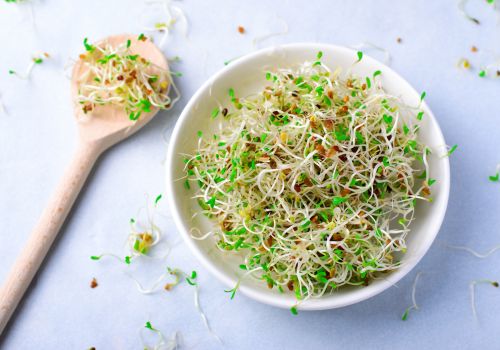
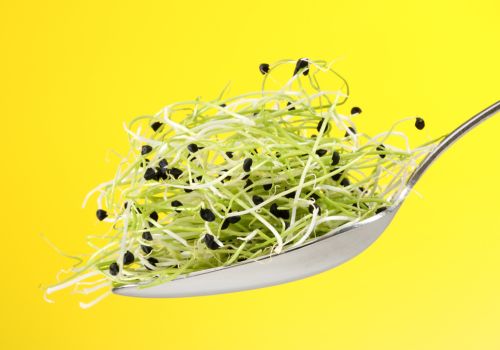
If you prefer fresh, whole foods, alfalfa sprouts are a great addition to salads, sandwiches, or smoothies. Sprouting alfalfa seeds is simple and gives you an extra dose of nutrients in their natural form.
Final Thoughts: Is Alfalfa Right for You?
Alfalfa has the potential to offer relief from some menopause symptoms, thanks to its phytoestrogens, vitamins, and minerals. It may help with hot flashes, mood swings, and bone health, but it’s important to remember that supplements affect everyone differently.
Another natural supplement that may help with menopause symptoms is black cohosh, which has also been widely studied for its potential to ease symptoms like hot flashes.
If you’re considering adding alfalfa to your wellness routine, it’s always best to consult with your healthcare provider – especially if you have any pre-existing health conditions or are taking medication.
Finding natural solutions that work for you during menopause can take some trial and error, but alfalfa could be a helpful option to explore on your journey toward better well-being.