Is Zinc Good for Menopause Symptoms?
Hormonal changes during midlife can affect both women and men. As women enter menopause and men experience andropause, many begin looking for natural ways to support their health, energy levels, mood, sleep, and overall well-being.
One such option is zinc, an essential mineral known for its many health benefits. But is zinc really effective for menopause symptoms? Let’s explore how zinc works in the body, its potential benefits for women going through menopause, and whether taking zinc and magnesium together can enhance your results.
What About Men?
Although zinc is often discussed in relation to menopause, it is an essential mineral for men as well, especially for those going through Andropause.
Zinc plays important roles in:
- Immune function
- Wound healing
- Protein synthesis
- Muscle recovery
- Fertility and sperm production
- Testosterone production
- Healthy aging
Severe zinc deficiency has been associated with lower testosterone levels, although taking extra zinc does not automatically increase testosterone in men who already have adequate levels. Zinc may be particularly important during the period when men go through hormonal changes associated with aging.
As with women, the goal is not to take large amounts of zinc, but to ensure that dietary intake and nutrient status are sufficient to support overall health.
How Zinc Works in the Body
Zinc is an essential trace mineral that supports several vital functions in the body, including:
- Immune function: Helps boost the immune system.
- Hormonal balance: Supports the regulation of hormones, including estrogen and progesterone.
- Bone health: Plays a role in bone density and mineralization.
- Mood regulation: Impacts neurotransmitters that control mood and mental health.
- Cell repair: Vital for tissue growth, skin health, and wound healing.
Given these functions, zinc may help address various menopause-related symptoms by stabilizing hormone levels, supporting mental health, and promoting overall well-being.
How Zinc Helps with Menopause Symptoms
1. Hormonal Balance

During menopause, estrogen levels fluctuate, leading to common symptoms like hot flashes, night sweats, and mood swings. Zinc is believed to support hormonal regulation by helping balance estrogen and other hormones. It may also improve thyroid function, which can help with temperature regulation in the body and reduce the intensity of hot flashes.
2. Mood and Mental Health Support
Zinc plays a key role in the production of neurotransmitters such as serotonin and dopamine, which are critical for mood regulation. Since menopause can bring about increased risk for anxiety, depression, and irritability due to hormonal changes, zinc supplementation may help alleviate these emotional symptoms.
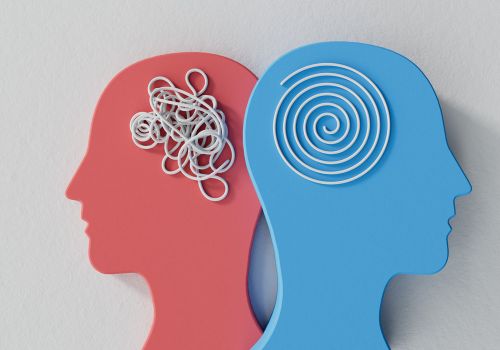
Some research shows that zinc can be particularly helpful in reducing mood swings and improving emotional stability during menopause.
3. Bone Health
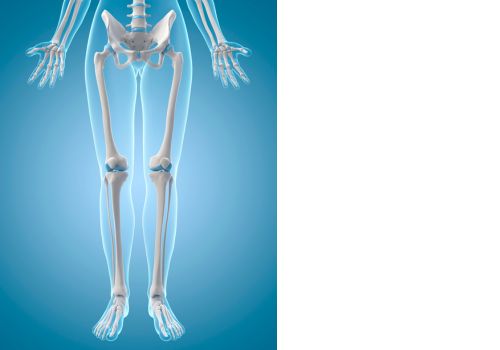
After menopause, women are at a greater risk of developing osteoporosis due to decreased estrogen levels. Zinc helps with bone mineralization and plays a role in maintaining bone density, which may help reduce the risk of osteoporosis. Regular zinc intake could support stronger, healthier bones, making it an important supplement for women going through menopause.
4. Skin Health
As estrogen levels drop during menopause, many women notice changes in their skin, such as increased dryness, wrinkles, and thinning. Zinc is essential for maintaining skin health, as it helps with collagen production and supports the repair of skin tissue. It can also improve skin hydration and elasticity, making it a helpful addition to your skincare routine during menopause.
5. Immune System Support

Menopause can impact your immune system, leaving you more vulnerable to illnesses and infections. Zinc is a powerful immune booster, helping to strengthen the body’s defense mechanisms. By supporting a healthy immune system, zinc can help reduce the risk of infection and promote overall health during menopause.
Pros and Cons of Zinc for Menopause Symptoms
Pros:
- Hormonal support: Zinc can help regulate fluctuating hormone levels, reducing hot flashes and night sweats.
- Improved mood: Zinc may help stabilize mood and alleviate anxiety and depression commonly associated with menopause.
- Supports bone health: Zinc plays a key role in maintaining bone density, which is crucial after menopause.
- Promotes skin health: Zinc helps with skin hydration and collagen production, reducing signs of aging.
- Boosts immunity: Zinc strengthens the immune system, helping prevent illness.
Cons:
- Overuse risks: Too much zinc can cause side effects like nausea, vomiting, diarrhea, and stomach cramps. Chronic high doses may also interfere with the absorption of other minerals like copper and iron.
- Medication interactions: Zinc supplements may interact with certain medications, including antibiotics, blood pressure medication, and diuretics. Always consult with a healthcare provider before adding zinc to your regimen.
- Not a standalone solution: While zinc can be beneficial, it should be used alongside other healthy lifestyle practices, such as exercise, a balanced diet, and stress management, to fully support your health during menopause.
How Much Zinc Should You Take for Menopause Symptoms?
The recommended daily allowance (RDA) of zinc for women over the age of 50 is 8 mg per day. However, some studies suggest that 15-30 mg of zinc per day may help reduce menopause symptoms like hot flashes and mood swings. Before starting supplementation, it’s important to consult with your doctor to determine the appropriate dosage for your individual needs and ensure that it won’t interfere with any medications or conditions.
Can You Take Zinc and Magnesium Together?
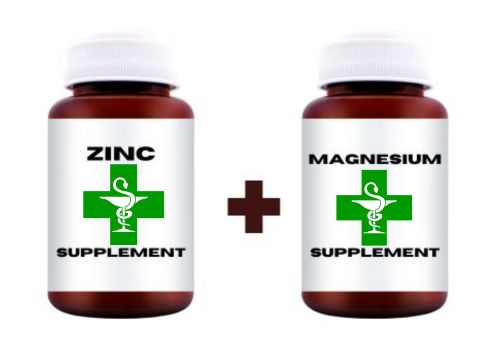
Yes, zinc and magnesium can be taken together, and in fact, they work synergistically to support overall health. Both minerals play important roles in hormonal regulation, bone health, and mood stabilization—issues that are particularly relevant during menopause. Magnesium can help with sleep, muscle relaxation, and stress reduction, while zinc supports immune health, mood regulation, and hormonal balance. Together, they may offer a well-rounded approach to managing menopause symptoms.
However, it’s important to note that taking high doses of zinc for extended periods can interfere with magnesium absorption. To avoid any imbalances, it’s best to maintain balanced dosages and consult your healthcare provider before starting a supplement regimen that includes both minerals.
Sources of Zinc

Before turning to supplements, try to incorporate more zinc-rich foods into your diet. Great dietary sources of zinc include:
- Oysters (the richest source)
- Red meat and poultry
- Pumpkin seeds and cashews
- Chickpeas and lentils
- Whole grains like quinoa and oats
- Dairy products and fortified cereals
If you’re not able to meet your zinc needs through food, supplements are available in various forms, including zinc gluconate, zinc citrate, and zinc picolinate.
Conclusion: Zinc as a Natural Ally for Menopause Relief
Zinc is a powerful nutrient that can offer significant relief from several menopause symptoms, including hot flashes, mood swings, and bone loss. Its role in balancing hormones, supporting skin health, and boosting the immune system makes it an excellent supplement for women navigating menopause. However, it’s important to use zinc alongside a healthy diet and lifestyle to see the best results.
Additionally, combining zinc with magnesium may enhance the benefits, as both minerals support key aspects of your health during menopause. If you’re considering adding zinc to your routine, be sure to consult your healthcare provider to find the right dosage and ensure it complements any medications or treatments you may already be using.