
How to Find Your Weaknesses and Turn Them Into Strengths

Strength and weaknesses – we all have them. Especially those little (or not-so-little) weaknesses that seem to hold us back. Whether it’s self-doubt, procrastination, or a tendency to avoid difficult situations, recognizing and addressing these weaknesses is key to personal growth. But here’s the good news: identifying your weaknesses isn’t about criticizing yourself; it’s about understanding yourself better and figuring out how to make those areas of weakness work for you, not against you.
So, how do you pinpoint your weaknesses without feeling like you’re poking at your flaws with a sharp stick? Let’s take a deeper dive into how you can locate negative thoughts, transform them, and ultimately become the best version of yourself.
Step 1: Recognize the Signs of Weakness
The first step in identifying your weaknesses is recognizing them. It’s easy to sweep them under the rug or dismiss them as “just the way I am,” but the key is in acknowledging them for what they are. So, how do you spot these little (or not-so-little) culprits?
Here are some classic signs that you may have a weakness lurking in the shadows:
1. Negative Self-Talk
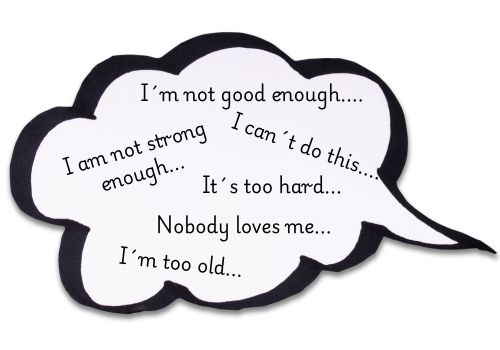
Do you often hear yourself saying things like, “I’m not good enough,” or “I’ll never be able to do that”? These negative thoughts can be a red flag for an underlying weakness, like a lack of self-confidence or fear of failure.
The mind loves to play tricks on you, and sometimes, those tricks sound like your inner critic. Recognizing these thoughts is the first step in shifting your mindset.
2. Avoiding Challenges
If you constantly find ways to avoid challenges or difficult situations, it could point to a weakness like a fear of failure or insecurity. It’s easy to stay in your comfort zone, but growth comes when we step outside of it.
3. Procrastination

Procrastination is often misunderstood as laziness, but it’s far more complex. It’s not about being unmotivated or unwilling to work, but rather a response to feelings like fear of failure, self-doubt, or overwhelm—all of which can be intensified during life transitions like menopause.
For women over 40, procrastination can stem from juggling multiple responsibilities, such as career, family, and personal health, which may leave little mental energy for tackling tasks. Others may perceive procrastination as a lack of discipline, but it’s actually often a coping mechanism for managing stress and emotional challenges.
Recognizing that procrastination isn’t a character flaw but rather a signal to address underlying concerns can be empowering. With self-compassion and proper strategies, such as setting small, manageable goals or seeking support, procrastination can be overcome, leading to greater productivity and a more balanced life.
4. Comparison to Others

If you find yourself constantly comparing your achievements to those around you, it may indicate insecurity or a fear of not measuring up. This kind of mindset can be a weakness because it prevents you from celebrating your own progress and focusing on what’s right for you.
5. Difficulty Saying No
Do you struggle to say no when people ask you for favors, even when it’s clear you’re overextended? Being a “yes person” can stem from a fear of disappointing others or a lack of healthy boundaries, which can lead to burnout and frustration.
Step 2: Dive Deeper to Uncover the Root of the Weakness

Once you’ve identified the signs of weakness, it’s time to dig a little deeper and understand why these behaviors or thoughts are showing up in your life. The goal here is to uncover the root cause of your weaknesses, so you can address them head-on.
- Are you afraid of failure? Fear is one of the most common reasons behind procrastination or avoiding challenges. Many of us avoid things we fear we might fail at. But here’s a secret: failure is not the enemy—it’s an essential part of learning. Embrace it as a stepping stone toward success.
- Are you struggling with self-worth? Negative self-talk or the constant comparison to others often stems from low self-esteem. If you don’t see your value, it can be hard to believe in your abilities. Rebuilding self-confidence takes time, but it starts with self-compassion and acknowledging your wins – big or small.
- Do you have a hard time with boundaries? If you’re always saying “yes” to others at the expense of your own needs, it could be a sign that you’re prioritizing everyone else’s needs over your own. Learning to set boundaries is essential for maintaining your mental and emotional well-being.
Step 3: Reframe Your Negative Thoughts

Once you’ve identified where your weaknesses are coming from, it’s time to reframe them into something more empowering. Reframing means shifting your perspective from something negative to something positive or constructive.
For example:
- If you struggle with procrastination, instead of thinking, “I’m just lazy and disorganized,” try thinking, “I tend to put things off because I’m afraid they won’t be perfect. But I can start small and take one step at a time to move forward.”
- If you have a fear of failure, instead of saying, “I’ll never succeed, so why bother trying?” say, “Failure is just feedback. Each setback is an opportunity to learn and improve. I can handle it.”
- If you’re constantly comparing yourself to others, try replacing those thoughts with, “Everyone’s journey is different. I’m doing my best, and that’s enough.”
By changing the way you look at your weaknesses, you begin to see them as opportunities for growth. This mindset shift is essential for building a healthier, more empowered relationship with yourself.
Step 4: Take Action to Overcome Your Weaknesses

Now that you’ve identified and reframed your weaknesses, it’s time to take action. Here are some practical steps you can take to address them:
1. Practice Self-Compassion

Start by treating yourself with the kindness and understanding you’d offer a friend. If you mess up, don’t berate yourself. Instead, ask yourself, “What can I learn from this?” and move forward with that lesson in mind.
2. Set Small, Achievable Goals
Breaking down big challenges into smaller, more manageable tasks can help you make progress without feeling overwhelmed. If procrastination is an issue, start by setting a timer for 10-15 minutes of focused work. Gradually increase the time as you get comfortable.

3. Surround Yourself with Positivity

A supportive network can make all the difference. Surround yourself with people who lift you up, challenge you, and help you stay accountable. Positive influences help shift your mindset and remind you of your worth when you forget.
4. Learn New Skills
If your weakness is tied to a lack of skill or knowledge (for example, if you avoid a particular task because you don’t feel confident doing it), take the time to learn and practice. The more knowledgeable you become, the more your confidence will grow.
5. Create Healthy Boundaries
If you’re a people-pleaser who has trouble saying “no,” start small by setting boundaries with simple things, like not answering work emails after a certain time. Gradually, this will empower you to set stronger boundaries in all areas of your life.

Step 5: Celebrate Progress and Patience

Finally, as you start making strides in addressing your weaknesses, take time to celebrate the wins—no matter how small. Every step forward is progress. Remember, growth is not linear, and there will be setbacks along the way. But the important thing is to keep moving forward.
You’ve got this! Identifying and addressing your weaknesses doesn’t mean you’re broken—it means you’re actively working toward becoming a better version of yourself. By shining a light on your weaknesses, you create an opportunity to transform them into strengths. So, embrace the process, be patient with yourself, and remember that you have the power to change.
What weakness are you working on overcoming today? Share your thoughts in the comments! 💪🌟