Why Eggs for Menopause Are a Powerful High-Protein Superfood
Are Eggs Good for Menopause?
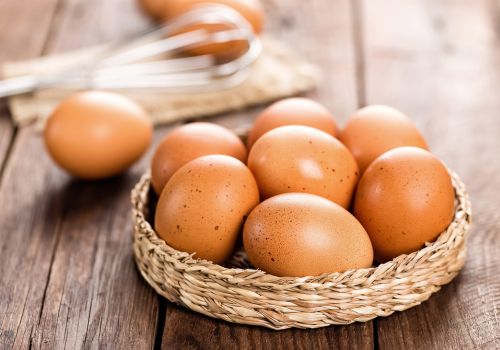
Eggs for menopause might be one of the simplest, most affordable ways to support hormones, metabolism, and energy after 40. Once unfairly blamed for cholesterol problems, eggs are now recognized as a nutrient-dense superfood packed with high-quality protein, choline, vitamin D, and healthy fats, exactly what the menopausal body needs most.
Eggs were labelled the “villain” of the breakfast table for decades. We were told the yolk was bad for us, to count cholesterol, and choose bland egg-white omelets instead. Thankfully, science has finally caught up with common sense, and for women navigating menopause, this comeback couldn’t have happened at a better time.
If you’re just starting your menopause health journey and want to reset your hormones first, you might also like our guide Spring Cleaning Your Hormones: A Detox That Isn’t a Diet, where we explain how liver health, blood sugar, and stress affect hormone balance before nutrition even begins.
Table of Contents
Why Eggs for Menopause Aren’t the Cholesterol Villain
The old advice was simple: eggs have cholesterol, therefore they raise your blood cholesterol. We now know the human body is far more sophisticated than that. Science has proven that for the vast majority of people, dietary cholesterol has very little impact on blood cholesterol levels.
The bulk of the cholesterol your body needs for hormones and cell membranes is actually produced by your liver, so when you eat eggs, your liver simply produces less.
Furthermore, eggs help shift your LDL (the “bad” cholesterol) from small, dangerous particles to large, “fluffy” ones, which are far less likely to get stuck in your artery walls than small, dense ones.
This means that, especially in menopause, when heart health becomes a top priority, eggs are an ally, not an enemy. They contain Choline, a powerhouse nutrient that helps the liver process fat, which makes them a secret weapon for those of us keeping an eye on liver health.
Did you know?
80% of postmenopausal women develop signs of liver or muscle dysfunction when deprived of choline, compared to only 44% of premenopausal women. Eggs are the ¨king¨of choline. Two eggs provide about half of a woman’s daily requirement. (DNA Labs)
Why Eggs for Menopause Support Hormones and Metabolism
When estrogen levels begin to drop, the body’s “instruction manual” changes. You might notice that foods you used to tolerate now cause bloating, or that weight settles around your midsection even if you haven’t changed your habits. This is the “Menopause Nutrient Gap.”
It’s simply that the scales start to tip: with the decline of estrogen, our risk for bone loss, muscle wastage, and insulin resistance climbs. We can no longer afford ’empty calories’; we need nutrient density. For women in menopause, eggs offer an elegant and affordable solution. They are essentially a biological “multivitamin” packed into a 70-calorie shell, providing exactly what the menopausal body is starving for: healthy fats, essential minerals, and high-quality fuel.
Nutrition works best after you’ve supported your body’s natural hormone clearance. If you haven’t yet, start with our Spring Cleaning Your Hormones guide to gently reset liver and blood sugar balance first.
High-Protein Breakfast for Women Over 40: Why Eggs Work Best
Not all protein is created equal. During menopause, your body becomes less efficient at processing protein, leading to a loss of muscle mass (sarcopenia). Because of this, bioavailability, i.e., how much of the protein your body can actually use, is the new gold standard.
Eggs have a “biological value” of 100, the highest of any whole food, which means your body can absorb and utilize almost every gram of protein in an egg to repair tissues, balance hormones, and keep your metabolism firing.
When you are fighting to beat ‘menopause belly’ or fatigue, you don’t just need protein; you need the perfect protein. This is exactly why eggs are often recommended for a high-protein breakfast during menopause.
Some women also combine high-quality protein intake with supportive strategies such as creatine to help preserve muscle mass, strength, and metabolic health during menopause.
Brain Fog & Bone Health: The Powerhouse Nutrients Inside the Shell

When you’re in menopause, two of the most common symptoms women face are not visible in the mirror. They are cognitive decline and bone density loss. While these symptoms can feel like an inevitable part of aging, the nutritional profile of an egg provides a targeted defense against both.
Choline: The Ultimate Brain Booster
Have you ever walked into a room and forgotten why you’re there? Or struggled to find a word that’s on the tip of your tongue? This “menopause fog” is often linked to fluctuating hormone levels affecting your brain chemistry.
This is where Choline comes into play: Eggs are one of the single best sources of this essential nutrient. Your brain uses Choline to produce acetylcholine, a neurotransmitter responsible for memory, mood, and intelligence. Choline acts as “fuel” for your brain’s communication lines. Because our internal production of choline drops alongside estrogen levels, incorporating eggs into your daily routine is a simple, effective way to keep your mind sharp and your focus clear.
Vitamin D & Calcium’s Best Friend
With the drop in estrogen levels, our bones lose their primary protector. This means the risk of osteoporosis becomes a significant concern for women in their 50s and 60s. We all know we need calcium, however, calcium is useless if your body can’t absorb it.
The previously deemed ¨bad¨ egg yolk is actually one of the few natural food sources of Vitamin D. It is the “key” that unlocks calcium absorption in the gut. Eggs also contain high-quality phosphorus and proteins that help maintain the structural matrix of the bone. We often think of bones as just minerals, but they are actually made of a protein matrix. The high-bioavailability protein in eggs provides the building blocks for this scaffold, while the Vitamin D ensures the minerals are there to reinforce it. Therefore, for menopausal women, eating an egg is like a daily insurance policy for skeletal strength.
The Energy Blueprint: Fighting Fatigue
Menopausal fatigue is a deep, cellular tiredness that a cup of coffee often won’t fix. Eggs provide a steady, slow-burning energy thanks to their rich concentration of B-Vitamins (B12 and Riboflavin).
Unlike a sugary cereal or toast, which will lead to a mid-morning “sugar crash,” the B-vitamins in eggs help convert the food you eat into actual cellular energy. By providing your body with these essential co-factors without a spike in insulin, eggs keep your metabolic engine running smoothly until lunch. This will keep your engine running smoothly until lunch.
How Eggs Help With Menopause Weight Gain and Blood Sugar
While the science inside the shell is impressive, the real magic happens in how it will make you feel! Here are five ways that explain how eggs can directly tackle the unique challenges of the menopausal transition and many of the common menopause symptoms women experience.
1. Crushing Insulin Resistance and “Belly Bloat”
As estrogen declines, our bodies become less efficient at processing carbohydrates. This often leads to insulin resistance and the dreaded “menopause belly.” Eggs are a metabolic miracle: with nearly zero carbs and a high, healthy-fat profile, they provide a steady fuel source that doesn’t spike your insulin. By swapping a bagel or cereal for eggs, you help your body maintain a fat-burning state, instead of feeling bloated and storing it around your waistline.
2. The Satiety Secret: Ending the 3 PM Sugar Craving
Have you ever noticed that a “healthy” oatmeal breakfast leaves you starving by 10 AM? This is because it lacks the staying power of high-quality protein and fats. Eggs are incredibly satiating. Studies show that people who start their day with eggs feel fuller for longer and naturally consume fewer calories throughout the rest of the day. It’s the simplest way to kill those mid-afternoon sugar cravings before they start.
3. Mood & Serotonin Support
The “menopause mood rollercoaster” is real. Fluctuating hormones can lead to irritability and anxiety. Eggs contain Tryptophan, an amino acid that serves as the building block for serotonin, the “feel-good” hormone. Combined with the healthy fats that nourish your nervous system, eggs are a natural, healthy stabilizer for your emotional well-being.
4. Inner & Outer Beauty: Hair, Nails, and Skin
Menopause can also take a toll on our “vanity” metrics. Thinning hair and brittle nails are just a couple of common complaints. Eggs are rich in Biotin and Sulfur, often referred to as “beauty minerals.” These nutrients are essential for the production of keratin, the protein that gives your hair its shine and strengthens your nails.
5. Vision Protection for the Long Haul
As we age, the risk of macular degeneration and cataracts increases. Egg yolks are packed with Lutein and Zeaxanthin. These are powerful antioxidants that accumulate in the retina. They act like “internal sunglasses” by filtering out harmful blue light and protecting your vision so you can stay active and independent for decades to come.
| Focus Area | Key Nutrient | Why It Matters for Menopause |
| Brain Fog 🧠 | Choline | Supports memory and mood as estrogen levels dip. |
| Bone Health 🦴 | Vitamin D | The “key” that unlocks calcium absorption for skeletal strength. |
| Heart & Liver ❤️ | Lecithin & HDL | Cleanses the liver and shifts cholesterol to heart-healthy “fluffy” particles. |
| Metabolism 🔥 | Bioavailable Protein | Highest “Biological Value” to protect muscle and fight “menopause belly.” |
| Beauty & Eyes ✨ | Lutein & Biotin | Protects vision from blue light and strengthens hair and nails. |
Heart Health & The Liver: Setting the Record Straight
For years, we were told that eggs were a “clogged artery” waiting to happen. But modern cardiology and hepatology are telling a very different story. For menopausal women, eggs are not just safe; they are a vital tool for internal cleansing. And there may be more good news for your liver: recent research suggests your morning coffee could have some benefits too.
LDL Alchemy: Why Size Matters More Than Count
When you look at a blood test, you see “LDL” (the “bad” cholesterol). However, the total number does not tell the whole story. Think of your bloodstream as a highway.
Small, Dense LDL: These are like tiny, sharp pebbles. They get stuck in the cracks of your artery walls, causing inflammation and blockages.
Large, Buoyant LDL: These are like big, soft beach balls. They bounce right off the artery walls and keep moving.
Science has shown that eating eggs can actually help transform your LDL from those dangerous “pebbles” into harmless “beach balls.” This “LDL Alchemy” means that eggs can actually improve the quality of your cholesterol profile, making it much safer for your heart during the post-menopausal years.
The Lecithin Factor: Your Liver’s Secret Weapon
If you have been diagnosed with Fatty Liver (Steatosis), the goal is to get the excess fat out of your liver cells. This is where the egg yolk becomes a hero.
Eggs are a premier source of Lecithin and Choline. Lecithin is like a biological “detergent.” Its job is to help the body break down and transport the fats away from the liver so they can be used for energy instead of being stored as sludge. Without enough Choline and Lecithin, your liver starts “stalling”, meaning it becomes unable to move fat out. By including eggs in a balanced, low-sugar diet, you provide your liver with the exact tools it needs to clean itself and function at its peak.
The Best Way to Eat Eggs for Maximum Menopause Benefits
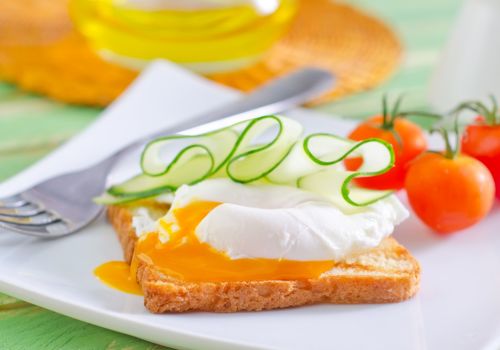
It’s not just about what you eat, but how you prepare it. To get the full menopause-fighting power out of an egg, you need to treat it with a little bit of culinary respect. Here is how to hack your kitchen for maximum health.
The “Runny Yolk” Advantage: Don’t Kill the Antioxidants
Many of the most powerful compounds in an egg, specifically the Lutein (for your eyes) and the heat-sensitive antioxidants, are tucked away in the yolk. When you overcook a yolk until it’s chalky and gray, you essentially “cook out” the very medicine you need.
The goal is to cook the whites fully (it makes the protein easier to digest and neutralizes avidin, which can block biotin absorption) while keeping the yolk runny or creamy. Poached, soft-boiled, or “sunny-side-up” eggs aren’t just delicious; they are a nutritional bio-hack that keeps those delicate nutrients intact and ready for your body to use.
The Power Couple Strategy: Synergistic Pairings
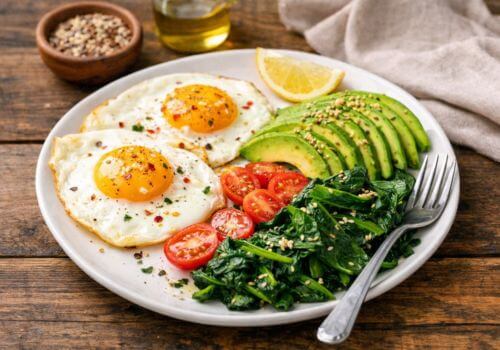
Food works better in teams. To supercharge your menopause meal plan, try these two “Power Couples”:
Eggs + Avocado (Hormone Synthesis): The healthy monounsaturated fats in avocado work with the cholesterol in the egg yolk to provide the raw materials your body needs to synthesize hormones. This pairing is a “must” for balancing mood and skin health.
Eggs + Leafy Greens (The Bone Builder): Eggs contain Vitamin D, and leafy greens (like spinach or kale) provide Vitamin K. Think of these two nutrients as the “architect” and the “builder” for your bones! You need both to ensure calcium is actually absorbed into your skeletal structure and stays there.
The Boiled Egg “Survival” Hack: Your High-Stress Secret Weapon
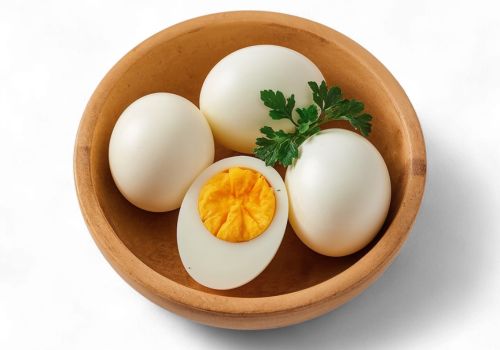
We’ve all had those days when “menopause fatigue” hits hard. It’s easy to reach for the nearest processed snack but this is where the Hard-Boiled Egg saves your day.
By keeping a bowl of pre-boiled eggs in the fridge, you have a 2-second, high-protein snack that not only stabilizes your blood sugar, it also prevents a “stress-eating” episode. It’s the ultimate survival tool for busy women who need to stay fueled without the sugar crash.
The Market Guide: How to Choose a Truly “Super” Food
Eggs are not eggs! If you are using eggs as a “menopause medicine,” you want to ensure you’re getting the most potent version available. Unless you can buy fresh eggs straight from the farm, here is how to decode the carton labels and what to look for once you crack the shell.
Pasture-Raised vs. Conventional: Decoding the Labels
Walking down the dairy aisle can be confusing. You’ll see “Cage-Free,” “Free-Range,” and “Pasture-Raised.” Here is the reality:
Cage-Free/Free-Range: These labels often mean the hens are still kept in crowded indoor barns with very little (if any) access to the outdoors.
Pasture-Raised: This is the gold standard. These hens live outdoors, eat grass, and forage for bugs.
The Science: Research shows that Pasture-Raised eggs contain up to 2x more Vitamin E, a significantly higher level of Vitamin A, 3x more Vitamin D, and double the Omega-3 fatty acids compared to conventional eggs. So if you are managing cholesterol and inflammation, those extra Omega-3s are worth every penny.
The Yolk Color Test: The Orange “Glow”
The truth lies in the color. Have you ever noticed that some yolks are a pale, sickly yellow, while others are a vibrant, deep orange?
That deep orange color is a sign of Carotenoids (antioxidants like lutein). A hen that eats a diverse, natural diet outdoors deposits these powerful nutrients into the yolk. When you see a “glowy” orange yolk, you are looking at a concentrated dose of eye-protecting and brain-boosting medicine. If your yolk is pale, the hen likely lived on a mono-diet of grain, and the nutritional value is significantly lower.
The Ultimate Egg Freshness Hack: The Simple Float Test
Freshness is vital for both food safety and culinary success. When an egg is laid, it is a chemically dynamic package. However, with time, the physical structure and chemical pH of the egg change significantly. This affects how it behaves when you cook it.
Understanding these changes will allow you to choose the right egg for the right dish, whether you need a sturdy yolk for poaching or a shell that slips off easily after boiling.
Here is a summary of how to master egg freshness.
The Science of Freshness
As an egg ages, the porous shell allows air to enter and moisture to evaporate. This process creates an expanding air pocket and changes the egg’s internal chemistry. Basically a fresh egg is more acidic (it has a lower pH), whereas and older egg is more alkaline (it has a higher pH).
In addition, the air pocket in a fresh egg is very small compared to a larger and therefore more buoyant one in older eggs. You can also tell the freshness by its egg white: Thick, cloudy, and ´perky´ egg white means the egg is fresh compared to a thin, clear, and watery egg white in older eggs.
The Float Hack
The easiest way to test an egg without cracking it is the water test. This relies on the size of the internal air pocket.
- If the egg sinks and lies flat it means it is very fresh.
- If it sinks but stands on one end it means it is about one or two weeks old, but still great to eat.
- If it floats to the top, it´s old and likely stale.
The Peeling Paradox
If you haven’t done the float test and boiled your eggs, there’s another simple way to check whether the egg is old or fresh: fresher eggs are harder to peel. This is because in fresh eggs, the acidic environment causes the membrane to bond tightly to the shell.
When the egg is boiled, the white “glues” itself to the shell, leading to those frustrating chunks being torn out. Whereas in older eggs, the pH rises and the air pocket grows. The membrane pulls away from the shell, which creates a natural “slip” that allows the shell to slide off easily.
Should Eggs be refrigerated or not?
Although opinions on this vary, there’s an easy explanation:
To determine if eggs need refrigeration, you first have to look at how they were processed. In countries like the United States, Canada, and Japan, commercial eggs are washed and sanitized to eliminate bacteria.
This process removes the cuticle (or “bloom”), a natural protective coating that seals the pores of the shell. Without this shield, the eggs become vulnerable to bacteria and moisture loss, making refrigeration essential to keep them safe.
However, in many parts of Europe and Latin America, including Mexico, hens are often vaccinated against Salmonella instead of the eggs being washed. Because the natural cuticle remains intact, these eggs can safely stay at room temperature for several weeks. The same applies to unwashed eggs from farm shops.
Did you know? Blue-water sailors used to coat eggs in vaseline or petroleum jelly to create an artificial cuticle. This heavy seal blocks the pores of the shell, preventing oxygen from getting in and moisture from escaping, hence the eggs keep fresh for months at sea.
Why You Shouldn’t Leave Cold Eggs on the Counter
We’ve all done it…. Take eggs out of the fridge and leave them on the countertop for a while. This could be a serious risk of contamination. As the cold shell meets warmer air, a thin layer of moisture (“sweat”), or condensation forms on the egg’s surface.
Because eggshells are naturally porous, the condensation creates a “moisture bridge”, allowing surface bacteria like Salmonella to enter directly into the nutrient-rich interior of the egg. In a dry environment, these bacteria are often trapped on the outside, but the moisture from temperature shifts transports these bacteria inside the egg.
Why Eggs for Menopause Are One of the Simplest Daily Superfoods
Back to Basics: The Power of Simplicity
Menopause is one of the most complex biological shifts a woman will ever experience. In a world of expensive supplements and confusing hormone therapies, it is easy to feel overwhelmed. However, sometimes the most sophisticated medicine is hiding in plain view in our kitchens.
Eggs for menopause are one of the simplest daily nutrition upgrades you can make. By returning to the ‘Perfect Protein,’ you provide your body with the high-quality Choline your brain craves, the Vitamin D your bones need, and the Lecithin your liver requires to stay lean and clean. Eggs are a powerful reminder that fueling our bodies through ‘the change’ doesn’t have to be expensive or complicated; it just has to be intentional.
Remember, menopause is a new chapter, not an ending. By choosing nutrient-dense, whole foods like eggs, you aren’t just managing menopause symptoms; you reclaim your vitality.
The Lillepin 7-Day Challenge
We don’t want you to just take our word for it, we want you to feel the difference. That’s why we invite you to join us in our 7-Day challenge.
For one week, replace your usual breakfast (especially if it’s high-carb) with two pasture-raised eggs. Start with a carton of the best pasture-raised eggs you can find. You can cook them however you like, but ideally with a creamy yolk.
After Day 2 ask yourself:
Do you feel less hungry until lunch?
Is your “brain fog” a little lighter by Day 4?
Do you have more steady energy for your afternoon walk?
Is that “tip-of-the-tongue” forgetfulness starting to fade?
Are you skipping the 3 PM nap or the sugar-filled pick-me-up?
Do you feel more satisfied and less “snacky” throughout the day?
Give it a try for one week, then come back and tell us how you feel. Your story could help another woman feel less alone in her menopause journey.
Related Lillepin Research
P1-098 — Could One Workout a Week Be as Effective as Three?
P2-040 Your Gut Does Not Stay the Same After Menopause.
P2-044 Could Your Gut Influence Estrogen? New Research Suggests It Might
P1-077 Why Perimenopause Could Be One of the Most Important Times to Protect Your Heart
P2-0120 Can Eating Yogurt Help Lower Your Risk of Colorectal Cancer?
P2-105 Could Your Morning Coffee Help Protect Your Liver?
Can Oats Lower Cholesterol in Just 2 Days?