Does Late Period Mean Late Menopause? What to Know

Understanding the Link Between Menstruation and Menopause
Does a late period mean late menopause? As women approach their 50s, many begin to wonder about the inevitable transition into menopause (climacteric or MENO), preceded by perimenopause. It’s a time of life that brings with it numerous questions. One of the most common questions is whether starting menstruation later in life could lead to a later MENO.
Since both menarche (the first menstrual period – FMP) and menopause are pivotal moments in a woman’s reproductive journey, understanding their connection can offer valuable insight into what to expect as you get older.
So, does a late FMP mean a delayed MENO? Let’s dive into the science and uncover the truth.
Table of Contents
What is Menopause?
To answer the question “does late period mean late menopause” clearly, the relationship is more complex than it may seem.
MENO is the natural biological process that marks the end of a woman’s monthly cycles. Typically, this occurs between the ages of 45 and 55, with the average age being 51. It is officially defined as the point when a woman has gone 12 consecutive months without monthly bleeding, signaling that the ovaries are no longer releasing eggs.
However, the transition into MENO, known as perimenopause, can begin years before this happens, and during this time, women often experience symptoms like hot flashes, mood swings, and irregular menses.
Does Late Period Mean Late Menopause?
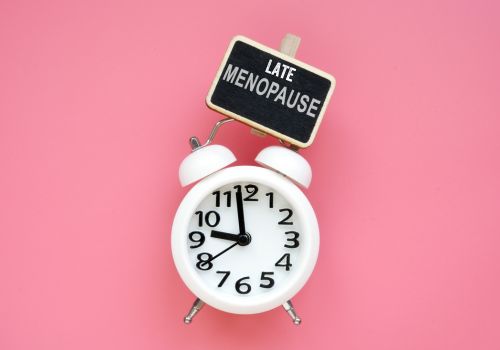
So, does late period mean late menopause in a predictable way, or is the connection more complex? While it might seem logical to assume that starting the FMP later would result in a delayed MENO, the relationship between these events is not a direct one.
The age at which a woman starts her FMP (usually between 10 and 16) and the age when menopause begins can both be influenced by various factors, but they do not necessarily correlate. However, there are some patterns worth noting.
Research suggests that women with a late FMP, after age 15, may have a slightly higher chance of experiencing a later climacteric. While this is an interesting possibility, it’s just one factor among many that determine the timing of MENO. In other words, late FMPs do not guarantee that MENO will be delayed, but there could be a small connection.
While the connection between the first period and menopause isn’t straightforward, new research suggests these reproductive milestones may provide clues about how the body ages biologically later in life.
How Late Onset of Menstruation Affects Menopause
According to a research, late onset of FMP depends on various factors, such as genetics, lifestyle, and underlying health conditions:
Timing

This raises the question again: does late period mean late menopause, or are other factors more important? The timing of both menarche and MENO is influenced by various factors such as genetics, health history, lifestyle, and hormonal regulation. Here are some ways in which late FMP might impact MENO
Genetics:
One of the strongest factors influencing the timing of both FMP and MENO is genetics. If your mother or grandmother experienced a late menopause, you may also be more likely to have a delayed onset.
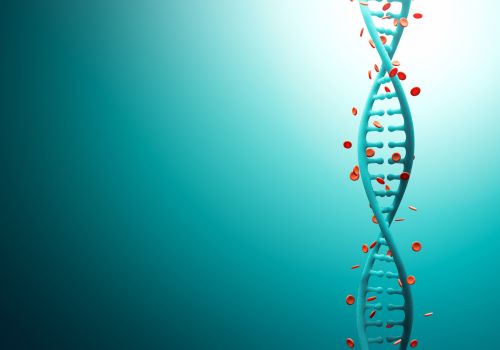
Women often inherit the timing patterns of their menstrual cycle from their family lineage, meaning that genetic predispositions play a big role.
Number and Timing of Pregnancies:

The number of pregnancies and the timing of those pregnancies can also impact climacteric timing. Women who have had multiple pregnancies, particularly later in life, tend to experience MENO later.
This is because pregnancy leads to hormonal changes that temporarily suppress ovulation, giving the ovaries a “rest.” The hormonal reset might delay the age at which the ovaries stop functioning altogether, thus postponing MENO. Conversely, women who have fewer pregnancies, or who gave birth at a younger age, might experience Meno earlier.
Menstrual Cycle Patterns:
The way a woman’s menstrual cycles have functioned throughout her life can also influence MENO timing. Women with longer menstrual cycles and less frequent periods may tend to experience MENO later than those with irregular or shorter cycles.
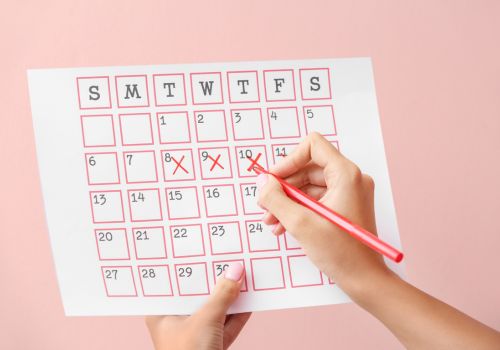
This is often associated with a more prolonged ovarian function, which might delay the onset of MENO. In contrast, women with irregular cycles or conditions like polycystic ovary syndrome (PCOS) may experience MENO earlier due to hormonal imbalances.
Medications:

Certain medications, especially those that influence hormonal levels, can affect both the timing of the FMP and MENO. For example, women who use birth control pills or hormone replacement therapy (HRT) may experience temporary changes in their menstrual cycles.
While these medications don’t directly delay MENO, they can impact the timing of natural hormonal changes in the body, potentially masking or delaying the onset of perimenopause symptoms. On the other hand, treatments like chemotherapy or radiation therapy, which affect the ovaries, can lead to earlier MENO.
Lifestyle Patterns:
Your lifestyle choices – especially diet, exercise, and smoking habits – can play a significant role in the timing of MENO. Women who maintain a healthy weight, engage in regular physical activity, and avoid smoking are more likely to experience MENO later.

Smoking, in particular, has been associated with an earlier MENO due to its negative effects on ovarian function. On the other hand, a balanced diet rich in nutrients that support hormonal balance may help delay MENO by supporting overall reproductive health.
The Pros and Cons of Late Menopause
While the timing is highly individualized for every woman, there are several advantages and challenges associated with experiencing the climacteric later in life. At this stage, many women still wonder: does late period mean late menopause, or are these benefits influenced by entirely different factors? Here’s a breakdown of the pros and cons of a late MENO:
Pros of Late Menopause
Longer Fertility Window:
Women who experience MENO later in life may also have a longer fertility window, especially if they had children later. A delayed climacteric can extend a woman’s reproductive years, which could be important for those seeking to have children later in life.
Increased Bone Density:
Estrogen, the hormone that regulates the menstrual cycle, also helps maintain bone density. Women who experience later MENO benefit from a longer period of estrogen protection, potentially reducing their risk of developing osteoporosis or bone fractures.
Heart Health:
Some studies suggest that women who experience a later MENO may have a slightly lower risk of heart disease, as the protective effects of estrogen on the cardiovascular system last longer.
Cons of Late Menopause
Higher Cancer Risks:
Prolonged exposure to estrogen, especially if MENO occurs later, can increase the risk of certain hormone-sensitive cancers, such as breast or ovarian cancer. Women who experience a delayed MENO should monitor their health more closely and speak with their healthcare provider about the risks.
Longer Perimenopause Symptoms:
While MENO may be delayed, the symptoms of perimenopause can last longer. Women may experience hot flashes, mood swings, and irregular periods for longer, which can affect quality of life.
Fertility Decline:
While starting FMP later may offer a longer window for fertility, fertility naturally declines after age 35, and women may still face challenges conceiving later in life, even with a delayed MENO.
Factors That Can Determine Late Onset of Menopause

Several factors, beyond just the age of menarche, can affect the timing of MENO. These include:
Genetics:
Family history is one of the strongest predictors of when MENO will occur. If your mother or sisters started late, you are more likely to follow a similar pattern.
Health Conditions:
Certain medical conditions like polycystic ovary syndrome (PCOS) or autoimmune diseases can alter hormonal levels and potentially delay MENO. Conversely, some treatments for these conditions may accelerate the process.
Medications:
Hormonal contraceptives, hormone replacement therapy (HRT), and other medications that regulate hormones can affect menstrual cycles and the onset of MENO, sometimes masking or delaying its symptoms.
Lifestyle Choices:
Diet, exercise, smoking, and alcohol consumption all influence the timing of MENO. Maintaining a healthy weight, staying active, and avoiding smoking can also help delay it, while excessive alcohol intake and smoking may bring it on earlier.
Ethnicity:
Ethnicity also plays a role, with research suggesting that women of certain ethnic backgrounds, such as Black women, may experience MENO later, while Asian women may experience it earlier.
Conclusion

If you’ve ever wondered, does late period mean late menopause? The answer depends on multiple factors, not just timing alone. While there is some evidence to suggest that women who start FMP later may experience MENO later, it’s just one factor in a larger, more complex equation. Genetics, health conditions, lifestyle habits, and hormonal influences all play critical roles in determining when MENO will occur. There is no one-size-fits-all answer, and the timing varies widely from woman to woman.
Understanding the many factors that influence MENO can help you feel more in control as you navigate this natural phase of life.
By staying healthy, maintaining a balanced lifestyle, and staying informed, you can manage the transition with confidence and ease, regardless of when it arrives.
Related Lillepin Research
P4-015 — Could Your First Period and Menopause Predict How You Age?
A 2026 study examined whether reproductive milestones—including age at first period, age at menopause, pregnancies, live births, and reproductive lifespan—were associated with biological aging measured using DNA methylation clocks.
→ Read the full article: Could Your First Period and Menopause Predict How You Age?