Glowing Skin After Menopause: 3 Tips for Radiance

Glowing skin after menopause is still possible — it just looks a little different. Your body goes through a variety of changes, including many menopause symptoms, and your skin is no exception. You might notice that your skin feels drier, less elastic, or even more sensitive.
But here’s the gentle truth: this doesn’t mean your skin is “fading” — it’s simply changing. And with the right care, your skin can continue to glow in a softer, deeper way that reflects this stage of life.
Here are 3 simple, yet effective tips to help keep your skin looking vibrant and healthy after menopause. Think of them as small, supportive habits that help your skin feel balanced and alive again.
1. Hydrate, Hydrate, Hydrate! (Seriously!)

As you age, your skin naturally becomes a little less able to retain moisture, which can show up as dryness or a rougher texture. This is especially common after menopause, when hormonal changes begin to influence your skin’s hydration levels.
The good news? With a few gentle adjustments — like drinking enough water and choosing nourishing skincare — you can help your skin feel comfortable, soft, and supported again.
What to do:

Drink enough water consistently throughout the day, especially if your skin feels drier or more reactive than it used to.
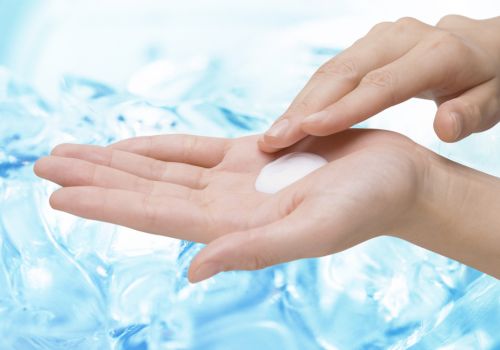
Use a rich, nourishing moisturizer that helps lock in moisture. Look for ingredients like hyaluronic acid, glycerin, and ceramides — they help your skin retain hydration and restore that soft, plump glow.
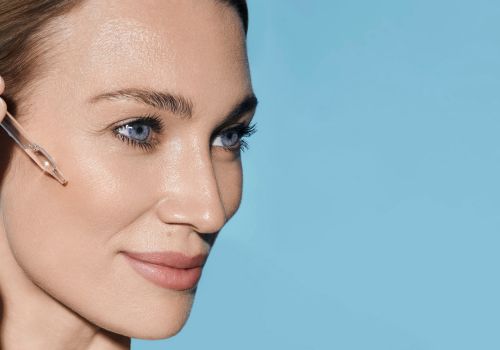
Try facial oils like rosehip or argan oil. They can add an extra layer of comfort and give your skin a naturally healthy glow, especially when it feels a little more fragile than it used to.
Your skin is also closely connected to your nervous system, which means that ongoing stress can quietly affect how well it hydrates and repairs itself.
Remember, your skin is often simply asking for a little more support — and consistent hydration is one of the most powerful ways to give it exactly that.
2. Boost Collagen with a Simple Skincare Routine

You might have heard about collagen, the protein that helps keep your skin firm, smooth, and supported. As you move through midlife, your body naturally produces less collagen, which is why fine lines or a loss of firmness can start to appear.
But this isn’t something to fight — it’s something to gently support. With the right care, your skin can still feel strong, resilient, and beautifully alive.
What to do:
Use retinoids or retinol: These are powerful ingredients that help support collagen production and soften the appearance of fine lines over time. If your skin feels sensitive, start slowly and let your skin adjust at its own pace.
Vitamin C serums: These are a helpful addition to your post-menopausal skincare routine. Vitamin C helps support collagen while also bringing back brightness and clarity to your complexion.
Try gentle facial stimulation: Practices like face yoga can help support circulation and give your skin a naturally more lifted, refreshed look over time.
Exfoliate regularly (but gently): Exfoliating once or twice a week helps remove dull, dead skin cells and encourages fresh skin to come through, creating a smoother, softer appearance.
Some women also enjoy supportive body-care practices such as dry brushing, which may help stimulate circulation, encourage gentle exfoliation, and create a calming self-care ritual during menopause.
Some women also find it helpful to occasionally do a gentle spring skin reset after 40 by simplifying products, reassessing skincare routines, and focusing on hydration and barrier support during menopause.
Incorporate these small, supportive habits into your routine, and over time, you’ll notice your skin feeling more alive, more responsive, and more like you again.
3. Sun Protection is Non-Negotiable for Glowing Skin!
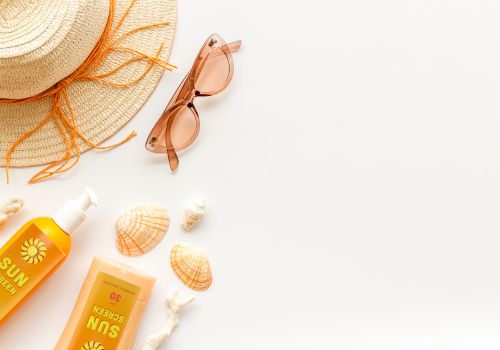
The sun can feel comforting and energizing, but over time, it’s also one of the main factors that accelerates visible skin aging. UV rays gradually break down collagen and elastin — the very things that keep your skin feeling firm and resilient.
After menopause, your skin often becomes a little more delicate and responsive, which makes sun protection an important form of daily care rather than a strict rule.
What to do
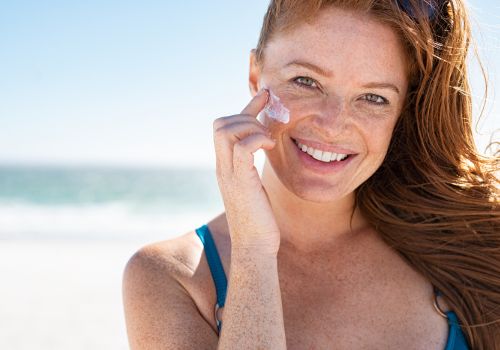
Wear sunscreen every day: Even on cloudy days or when you’re mostly indoors, consistent protection makes a real difference over time. Look for a broad-spectrum sunscreen with SPF 30 or higher and make it part of your morning routine.
Create gentle shade habits
Whenever possible, stay out of direct midday sun (around 10 AM to 4 PM), and support your skin with simple things like a wide-brimmed hat or sunglasses.

It’s not about being perfect; it’s about understanding what’s changing in your body. Skin changes during menopause are often connected to broader hormonal, metabolic, and nervous system shifts happening throughout the body. Understanding these deeper changes can make it easier to support your skin gently and realistically during this stage of life.
What to Look for (and Avoid) in Sunscreen After Menopause
Choosing the right sunscreen can feel overwhelming, especially with so many options available. As a gentle guideline, look for formulas that are broad-spectrum (protecting against both UVA and UVB rays) and suitable for sensitive skin.
If your skin has become more reactive after menopause, it can help to avoid heavy fragrances, alcohol-based formulas, or filters that tend to cause irritation for some people (like oxybenzone), as these can sometimes leave the skin feeling dry or uncomfortable.
Many women find that mineral sunscreens with zinc oxide or titanium dioxide feel calmer and more supportive. The goal isn’t perfection — it’s simply finding something your skin feels at ease with, so using it daily becomes effortless.
As skin texture and hydration change during menopause, many women also begin exploring lighter makeup alternatives to foundation that feel more comfortable on dry or sensitive skin while still creating a natural, healthy glow.
Final Thoughts: Age Gracefully, Glow Brightly!

Post-menopause skincare doesn’t have to be complicated. By focusing on hydration, collagen support, and consistent sun protection, you can help your skin stay comfortable, resilient, and naturally radiant — no matter what stage of life you’re in.
So here’s your gentle reminder: your skin isn’t something to “fix” — it’s something to support. A little extra care, consistency, and understanding can go a long way in helping it feel balanced and alive again.
Many women also notice that this stage of life encourages a more supportive approach to overall body care — including foot care after 40, hydration, circulation, and daily comfort habits that help the body feel cared for from head to toe.
Supporting your skin during menopause is ultimately about supporting comfort, resilience, and confidence in a way that feels realistic and sustainable for this stage of life.
And that kind of confidence tends to show in everything, from how you carry yourself to how you feel in your own skin.
Related Lillepin Research
P1-035 — AI Mapping Reveals Organ-by-Organ Molecular Shifts During Menopause
A 2026 Nature Aging study suggests that menopause may affect interconnected systems, including metabolism, inflammation, nervous-system regulation, and tissue aging.
→ Read the full article: AI Just Revealed a Hidden Truth About Menopause
P4-003 — Can Collagen Really Make Your Skin Firmer?
A clinical trial found that a specific bioactive collagen peptide improved skin firmness and hydration, with some benefits continuing after supplementation ended.
→ Read the full article: Can Collagen Really Make Your Skin Firmer?