Aromatherapy for Menopause Relief: Nature’s Scent-Sational Solution
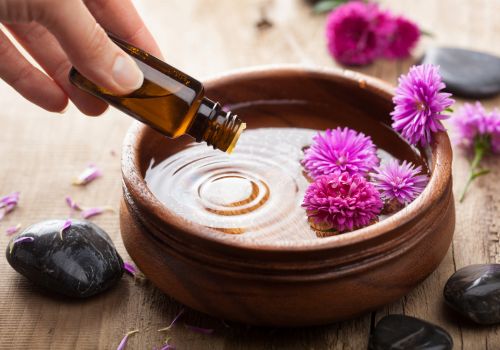
Let’s face it: menopause can be a whirlwind of symptoms. From hot flashes and mood swings to sleepless nights and fatigue, it’s easy to feel overwhelmed by the changes your body is going through. But what if nature’s fragrances could offer a little relief? Aromatherapy might just be the soothing solution you’re looking for.
Essential Oils
Aromatherapy involves using essential oils derived from plants to improve physical and emotional well-being. Whether inhaled or applied topically, these oils can help alleviate many of the symptoms associated with menopause, including stress, anxiety, hot flashes, and even sleepless nights.
In this blog post, we’ll explore how aromatherapy works, which oils are most effective for menopause relief, and how you can use them to feel your best during this life stage.
How Aromatherapy Works for Menopause Relief

Aromatherapy relies on the powerful scents of essential oils to trigger physiological responses in the body. When inhaled, the molecules in essential oils travel to the brain, where they interact with the limbic system, the part of the brain responsible for emotions, memories, and hormone regulation.
This connection helps to soothe your nervous system, reduce stress, and bring balance to your emotions. Combined with practices like breathwork, aromatherapy may help support a calmer stress response during menopause.
The physical and emotional changes brought on by fluctuating hormones can lead to hot flashes, anxiety, mood swings, and sleep disruptions. Many women describe this constant mental overload as feeling like their brain has “too many tabs open at once,” where stress, emotional overwhelm, forgetfulness, and racing thoughts all pile up at the same time.
Some women also combine aromatherapy with calming nervous system practices like autogenic training to help quiet racing thoughts and emotional overwhelm.
Aromatherapy offers a natural, drug-free way to support your body and mind as you navigate these changes. For many women, menopause can feel less like “just hormones” and more like a nervous system that suddenly becomes overstimulated, emotionally reactive, and unable to switch off fully.
Why Organic Essential Oils are Essential for Effective Aromatherapy
For effective aromatherapy, always choose therapeutic-grade essential oils, with organic oils being the best option. Organic oils are pure, free from pesticides, and offer the highest therapeutic benefits for relaxation, mood enhancement, and overall well-being. These oils are naturally derived from plants, ensuring a safe and effective experience.
Important! Avoid synthetic or diluted oils, as they may contain harmful chemicals and artificial fragrances, reducing their therapeutic effects. Also, be cautious with oils that may not be safe for sensitive skin or specific health conditions, such as during pregnancy. Always opt for high-quality oils from reputable, organic sources to ensure safety and effectiveness in your aromatherapy practice.
Essential Oil Storage Tips: Preserving Quality and Potency
Proper storage of aromatherapy oils is essential to maintain their effectiveness and longevity. Essential oils should be kept in dark, airtight glass bottles, stored in a cool, dry place away from direct sunlight and heat. The longevity of each oil can vary depending on its note.
Essential oils are classified into three categories: top notes, middle notes, and base notes. Top notes evaporate quickly and typically last 6 months to a year, while middle notes last 1 to 2 years, and base notes can last 3 to 5 years or longer.
Understanding these notes helps you know how long to expect your oils to stay potent and effective. Proper storage and note knowledge ensure you get the full therapeutic benefits from your essential oils.
Top 10 Aromatherapy Oils for Menopause Symptoms
Now that you understand how aromatherapy works, let’s dive into the essential oils that can help alleviate menopause symptoms. Each of these oils has unique benefits, and many can be used in various ways, including diffusing, applying topically, or adding to a bath.
Remember, aromatherapy is a personal experience, so feel free to experiment with different oils or ready-mixed blends until you find the one that works best for you. For best results, always use organic aromatherapy oils. With the right oil by your side, you can make menopause feel a little less overwhelming and a lot more manageable.
1. Lavender
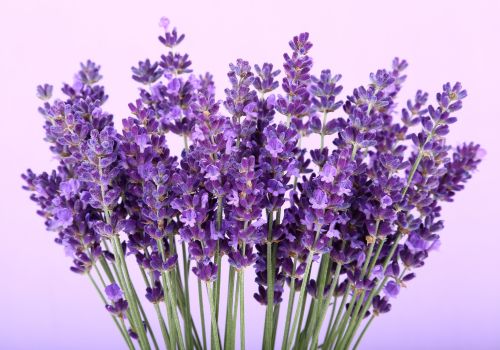
Lavender is perhaps the most well-known aromatherapy oil, and for good reason. It’s famous for its calming effects and can help with insomnia, stress, and anxiety. Lavender oil is also great for reducing mood swings and promoting a sense of overall relaxation.
2. Clary Sage
Clary sage is an excellent choice for balancing hormones and managing hot flashes. This oil has a mild estrogenic effect, helping to regulate hormone levels during menopause. Clary Sage is also helpful for reducing anxiety and promoting relaxation.

3. Peppermint
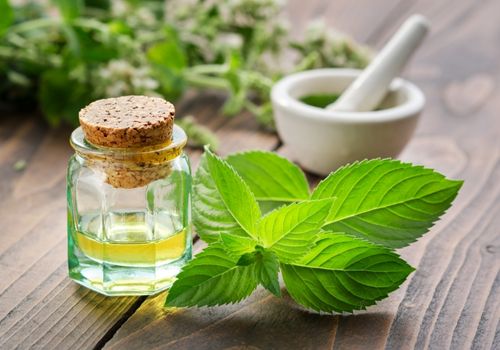
If hot flashes are one of your main symptoms, peppermint oil can provide immediate relief. Peppermint oil helps cool down the body and has a refreshing, energizing effect. It’s also great for headaches, nausea, and improving focus.
4. Geranium
Geranium oil is a fantastic oil for balancing hormones and improving emotional well-being. It can help with mood swings, stress, and anxiety, while also promoting a sense of calm and balance. Plus, it’s a natural anti-inflammatory!

5. Frankincense

Frankincense oil is often used in meditation due to its grounding and calming properties. It can help with stress and anxiety, while also supporting hormonal balance and alleviating feelings of emotional instability.
6. Rose
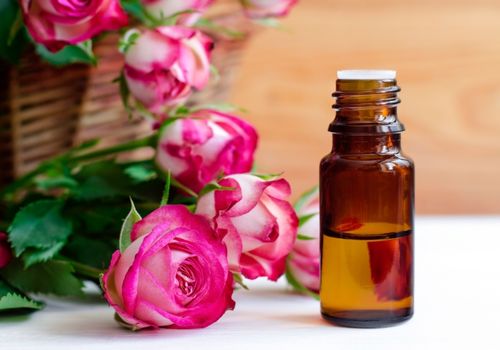
Rose essential oil is an uplifting and emotionally soothing oil. It’s particularly helpful for managing mood swings, irritability, and depression. Plus, it’s often used in skincare for its ability to rejuvenate and nourish the skin.
7. Bergamot
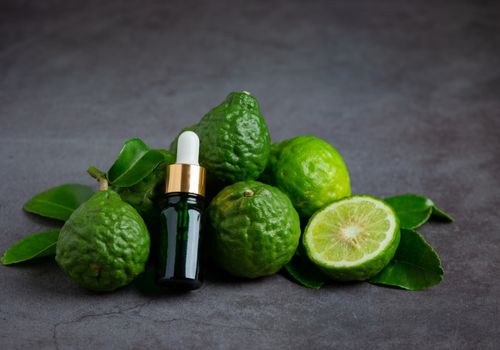
Bergamot oil is widely used for its ability to reduce stress and anxiety. It’s also great for improving mood and helping you feel more relaxed and emotionally balanced. Plus, it has a fresh, citrusy scent that’s perfect for lifting your spirits.
8. Ylang Ylang
Ylang Ylang is known for its ability to promote relaxation and reduce stress. It can also help with mood swings and increase libido. Ylang Ylang oil has a sweet, floral scent that can be both calming and energizing.

9. Sandalwood

Sandalwood oil has grounding properties that help reduce anxiety and stress. It’s particularly helpful for promoting emotional stability and relaxation. The rich, woody scent of sandalwood makes it a popular choice in meditation and spiritual practices.
10. Cypress
Cypress oil is great for improving circulation, which can help with the physical discomfort associated with menopause, such as leg cramps and swollen ankles. It’s also helpful for reducing stress and improving overall emotional well-being.

Ready-Mixed Aromatherapy Oils
If you’re looking for ready-mixed aromatherapy oils that can help relieve menopause symptoms, you’re in luck! These pre-blended oils are convenient, easy to use, and often come with the perfect combination of essential oils to support your needs. In today’s constantly connected world of notifications, multitasking, stress, and mental overload, many women find calming sensory rituals more important than ever during menopause.
How to Use Aromatherapy for Menopause Relief
There are several ways to incorporate aromatherapy into your routine. Here are some simple methods you can try:
1. Diffusion
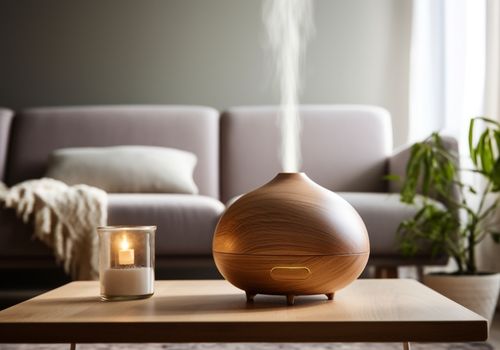
One of the easiest ways to experience the benefits of essential oils is by using a diffuser. Simply add a few drops of your chosen oil (or blend of oils) to a diffuser filled with water, and let it release the scent into the air. This helps to create a calming atmosphere and can be used to reduce stress, improve mood, or aid with sleep.
TIP: Mixing essential oils with a tablespoon of milk before adding them to the water in the diffuser ensures they blend well with the water. The fat in the milk helps dissolve the oils, so they disperse evenly in the diffuser.
2. Topical Application
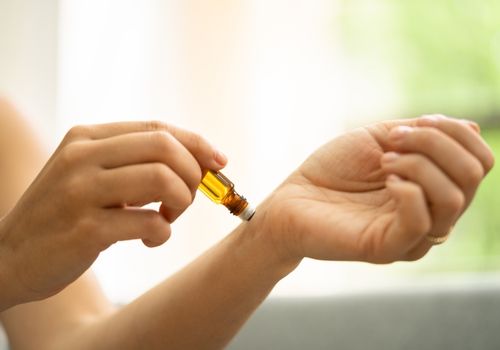
Essential oils can be applied directly to the skin (when properly diluted with a carrier oil, such as coconut or jojoba oil). Common application points include the wrists, temples, neck, or the bottoms of the feet. Just make sure to patch test before use to avoid skin irritation. This method is particularly helpful for headaches, hot flashes, or anxiety.
3. Baths
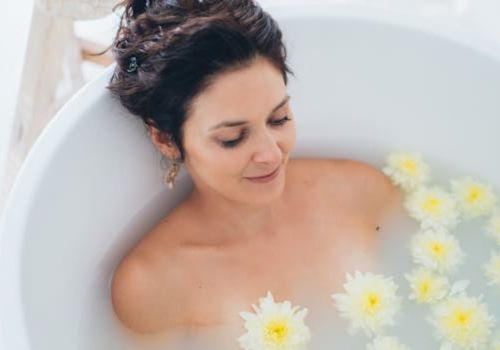
Aromatherapy baths are a luxurious way to relax and relieve menopause symptoms. Add a few drops of your favorite essential oil to your bath water, and enjoy the soothing effects. This is great for easing muscle tension, reducing stress, or promoting sleep.
TIP: Mixing essential oils with a tablespoon of milk before adding them to your bath is another great way to ensure they blend well with the water. The fat in the milk helps dissolve the oils, allowing them to disperse evenly and provide the full benefits of aromatherapy for menopause relief.
4. Inhalation
Simply inhale the aroma of essential oils directly from the bottle or place a drop on a tissue or cotton ball and breathe deeply. This method is ideal for a quick mood lift or to relieve headaches, hot flashes, or stress.
5. Massage

Add a few drops of your chosen oil to a carrier oil and gently massage it into areas of tension, such as your neck, shoulders, or lower back. Massage with lavender, frankincense, or geranium oils can help reduce stress, muscle tension, and anxiety.
The Vagus Nerve and Aromatherapy
One reason aromatherapy can be so effective during menopause is its ability to stimulate the vagus nerve, the body’s main “rest and digest” pathway. The vagus nerve connects the brain to many organs and plays a central role in regulating stress, digestion, heart rate, and hormone balance.
When you inhale calming essential oils like lavender, frankincense, or bergamot, the olfactory signals travel to the limbic system and can activate the vagus nerve. This helps reduce anxiety, lower heart rate, improve digestion, and support overall emotional and hormonal balance. Many women also use aromatherapy as part of a broader emotional well-being routine during menopause. This makes it a powerful tool for navigating menopause with more ease and calm.
Benefits of Aromatherapy for Menopause Relief
Reduces Stress and Anxiety: Aromatherapy can calm your nervous system, reduce cortisol levels, and support metabolic balance, including insulin resistance, while promoting relaxation. Chronic stress may also contribute to low-grade inflammation over time.
Alleviates Hot Flashes: Certain oils, like peppermint and clary sage, can help cool your body down and regulate temperature.
Improves Sleep: Essential oils like lavender and chamomile promote relaxation and restful sleep. Poor sleep can also contribute to menopause fatigue, making it harder for your body to recover and maintain.
Balancing Hormones: Oils such as geranium and clary sage help support hormone regulation.
Elevates Mood: Citrus oils like bergamot and rose can help lift your spirits and reduce irritability.
Pros and Cons of Aromatherapy for Menopause
Pros:
- Natural and Non-Invasive: Aromatherapy is a natural remedy with no side effects when used properly.
- Easy to Use: You can use essential oils at home, in the office, or even while traveling.
- Immediate Results: Many people experience immediate relief from symptoms like anxiety, stress, or hot flashes.
- Customizable: You can experiment with different oils and blends to find what works best for you.
Cons:
- Not a Cure-All: While aromatherapy is helpful for symptom relief, it’s not a substitute for medical treatment if you have serious menopause symptoms.
- Skin Sensitivity: Some oils may cause skin irritation if not diluted properly, so be cautious when applying them topically.
- Not All Oils are Equal: Quality matters when it comes to essential oils. Be sure to choose pure, therapeutic-grade oils from reputable sources.
Contraindications: Who Should Avoid Aromatherapy?
While aromatherapy is generally safe for most people, there are a few things to consider:
- Pregnancy: Some essential oils, like clary sage and basil, are not recommended during pregnancy. Always consult your doctor before using essential oils if you’re pregnant or breastfeeding.
- Allergies: If you have allergies to certain plants, avoid using oils derived from those plants.
- Skin Sensitivity: Always dilute essential oils with a carrier oil to prevent skin irritation or allergic reactions.
Final Thoughts
Aromatherapy is a wonderful, natural way to help manage menopause symptoms. Whether you’re dealing with hot flashes, mood swings, or stress, the right essential oils can offer relief and help you feel more balanced.
With so many oils to choose from and various methods of application, it’s easy to find a routine that works for you. So, breathe in the calming scents of nature, and let aromatherapy be your ally as you navigate the beautiful changes of menopause.
Feel free to experiment with these oils, explore different blends, and make aromatherapy part of your daily self-care routine. Your body – and your mind – will thank you!
Ready to Discover More Calm?
Discover natural techniques to soothe your nervous system, reduce anxiety, and find inner peace during menopause. Your essential guide is just a click away!