
Why Do Feet Seem to Grow with Age?
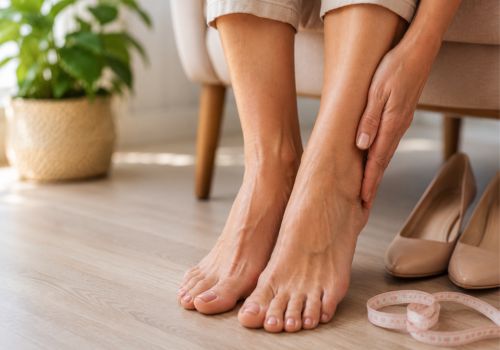
Ladies, let’s talk about something that’s baffled many of us: why do our feet suddenly seem to get bigger? One day, you’re happily slipping into your favorite pair of shoes, and the next, they’re way too tight.
Have your shoes mysteriously shrunk? Or are your feet secretly growing? Turns out, it’s not a magic trick. There are a few perfectly natural reasons why our feet might change over time, and we’re here to explain the “secret” behind our growing feet.
1. Why do Feet get bigger with Age? – It’s Not Just the Shoes
First off, let’s clear something up: your feet don’t actually grow like they did when you were a kid. But they can get wider or longer due to natural changes that happen as we age.
Foot changes can feel even more noticeable for women whose jobs involve standing or walking for long periods of time. Nurses, teachers, hairdressers, retail workers, caregivers, and hospitality staff often place repeated daily pressure on their feet for years.
Over time, that constant strain — combined with aging, hormonal changes, and reduced support in the feet — may contribute to discomfort, swelling, stiffness, or changes in shoe size.
On the other hand, sitting for long periods can also affect foot comfort and mobility. When the feet stay inactive for too long, muscles and connective tissues may become stiff, circulation can slow down, and the feet may feel tighter or less flexible over time. Gentle movement and regular stretching can help keep the feet mobile and supported.
Some women who spend long hours sitting at a desk also find it helpful to use a small under-desk foot rocker or foot exerciser to keep the feet gently moving throughout the day. These devices are designed to encourage light movement and circulation without putting additional strain on the joints.
Why Your Feet Matter More Than You Think
Think of your feet as the foundation of a building. They are the body’s “ground base,” supporting everything above them — from your ankles and knees all the way up to your hips, spine, shoulders, and neck.
Your feet also act like natural shock absorbers. Every time you walk, stand, or move, they help absorb and distribute pressure throughout the body. When the feet become stiff, unbalanced, or lose support over time, that shock absorption becomes less effective.
As a result, the effects can travel upward through the body. Even small changes at the base can become more noticeable higher up, potentially affecting posture, balance, movement, and overall comfort.
It’s a little like standing at the bottom of a sailboat mast. A small sway near the base may not seem dramatic, but by the time you reach the top of the mast, the movement feels much larger and more unstable. The body often works in a similar way.
That’s one reason foot health becomes increasingly important as we age — especially during midlife, when hormonal changes, connective tissue changes, and years of daily wear can all begin affecting the body’s natural support systems.
Many women are surprised to discover that these changes can also affect how their feet look. More visible veins, thinner skin, dry heels, and prominent tendons are all common signs of aging feet after 40.
The Foot Is More Complex Than Most People Realize
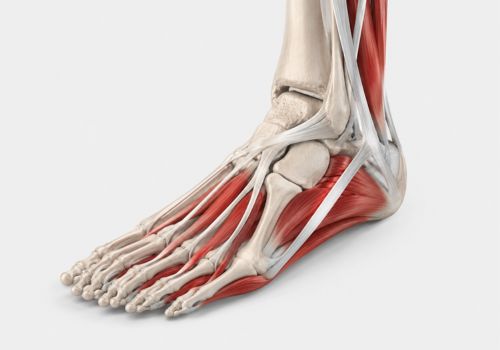
Each foot contains 26 bones, more than 30 joints, and over 100 muscles, tendons, and ligaments working together to support balance, movement, and posture.
As we age, changes in connective tissue, muscle strength, circulation, and ligament support can gradually affect how the foot functions and feels. Hormonal changes during menopause may also play a role, since estrogen helps support connective tissues, collagen, circulation, and overall structural support throughout the body.
That’s one reason some women notice increased stiffness, swelling, discomfort, or changes in foot shape and shoe size during midlife.
According to experts, the change in shoe size is often more about the shape and structure of the foot than actual growth.
Flattening Arches
As we get older, the arch of the foot tends to sink. This is just a part of the aging process, and when the arch flattens, your foot becomes wider.
Hormonal changes, connective tissue changes, years of standing or walking, excess weight, changes in arch support, and even long-term use of unsupportive or high-heeled shoes can all contribute to gradual structural changes in the feet over time.
High heels, in particular, may place repeated pressure on the front of the foot and alter natural alignment, especially when worn regularly over many years.
At the same time, gentle movement, supportive footwear, and spending some time walking barefoot on natural surfaces may help keep the feet stronger, more flexible, and more mobile as we age.
It’s not a shoe-sizing conspiracy; it’s just your body going through changes.
Losing Support
Over time, the bones, ligaments, and muscles in your feet don’t have the same strength and support they once did. This can cause your feet to spread out, making that size 38 feel more like a 39—or even a 40.
So, if your favorite flats are suddenly feeling a bit snug, it might not be the shoes. It’s your body changing, and it’s completely normal!
2. Pregnancy and Weight Gain: The Foot Growth Culprits
While your feet might get wider over time due to aging, other factors contribute to changes in foot size—and pregnancy is one of the biggest offenders.
During pregnancy, the extra weight carried on your feet can cause them to flatten and widen. But the kicker? After childbirth, your feet may not return to their pre-pregnancy size.
That comfy pair of size 38 shoes you loved may feel a little too snug as the wider foot tends to stay.
Hormonal changes during menopause may also play a role in how the feet change over time.
As estrogen levels decline, connective tissues and ligaments throughout the body can become less elastic and supportive.
Some women also notice increased swelling, changes in weight distribution, or reduced arch support during midlife, which may make shoes suddenly feel tighter or less comfortable than before.
Weight gain can also lead to the same effect. When you gain weight, your feet have to carry more, which can result in flatter, wider feet.
So, if you’ve noticed that your shoes are now feeling tighter around your toes, it’s likely your body’s way of adjusting to a bit of extra weight.
A stretchy, comfortable shoe is your new best friend!
3. Misalignment and High Heels: Not Helping Your Feet
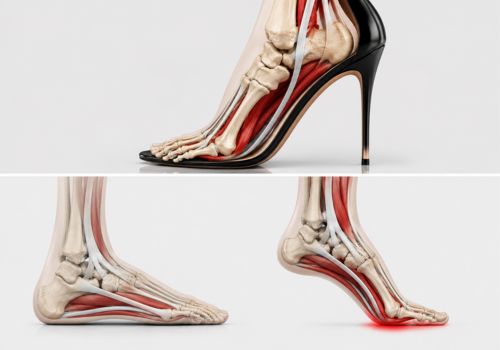
If you’ve ever spent an evening teetering around in high heels, you may have noticed that your feet feel a little off the next day—sometimes even longer-term.
Misalignment, like hallux valgus (that painful bump at the side of your big toe), or flat feet can cause permanent changes in foot size.
Wearing ill-fitting shoes—like those cute but cruel high heels—can weaken the muscles in your feet, causing them to change shape over time.
And here’s a helpful tip: if you have any issues with foot alignment or persistent pain, it might be time to visit a specialist.
A good foot doctor can give you tailored advice on treatments and proper footwear to prevent any further changes and ease discomfort.
4. Can Feet Shrink or Become Shorter?
While it’s not typical for feet to actually get shorter as we age, there are a few things that can create the illusion of a smaller foot size.
Misaligned toes—like hammer toes or claw toes—can make your foot appear shorter, especially if the condition leads to a reduction in foot length.
The culprit? Tight shoes.
When shoes are too snug, they can compress your toes and shorten tendons, which can promote misalignment and even alter the length of your foot over time.
On the flip side, tight shoes can lead to permanent foot problems, so always opt for shoes that fit properly, especially if you’ve noticed any toe discomfort or swelling.
5. What Else Affects Your Foot Size?
You may have noticed that your feet seem to swell more easily during hot weather, hot flashes, long flights, or after sitting for extended periods of time.
That’s completely normal!
Swelling occurs due to increased blood flow and warmer temperatures—not to mention your feet have been on the go all day.
Long periods of sitting — especially during long-haul flights, desk work, road trips, or extended travel — may also contribute to temporary swelling and stiffness in the feet and ankles. Many women notice their shoes feeling tighter after flying or spending long hours without moving around regularly.
But what about when your feet seem smaller?
That’s usually thanks to diet changes or a reduction in fatty tissue.
As you lose weight or go on a diet, the fat on your feet can decrease, making your feet appear narrower.
So, Can You Do Anything About It?
Well, unfortunately, you can’t exactly reverse your foot size once it has changed, but there are plenty of things you can do to make sure your feet stay happy:
Opt for Comfort
It’s time to let go of those ultra-tight, pointed-toe shoes.
A little extra space in your shoes can go a long way toward keeping your feet comfortable as they naturally change with age. For everyday wear, a low, stable heel is usually kinder to the feet than very high heels or completely unsupportive shoes, as higher heels tend to shift more pressure toward the forefoot.
Interestingly, research suggests that extremely high heels may place extra pressure on the forefoot and affect balance, posture, and foot alignment over time. However, completely flat, unsupportive shoes may not always be ideal either.
Some studies suggest that a moderate heel height — roughly around 3–4 cm — combined with good support and a wider, more stable heel base may help improve comfort and walking stability for some women.
Supportive insoles, cushioning, and shoes with enough toe room may also help reduce pressure on the feet during long periods of standing or walking.
Look for shoes with enough toe room, gentle arch support, a stable sole, and a heel that feels secure rather than wobbly. Your shoes should support your feet — not force them to fight for balance all day.
You may also find it helpful to pay more attention to foot care and comfort routines, especially during warmer months when sandals and open shoes become part of everyday life.
Foot Exercises
Gentle foot exercises and regular stretching may help improve comfort, flexibility, and support as the feet naturally change over time.
We’ve also created a free downloadable guide, Happy Feet: Foot Exercises for Women Over 40, with simple movements and comfort tips designed specifically for midlife women.
Stretching and moving your feet regularly may help keep the feet comfortable, mobile, and supported over time.
See a Specialist
If you’re dealing with pain, misalignment, or drastic foot changes, consider visiting a podiatrist who can help you find the right treatment and footwear to keep your feet in tip-top shape.
Final Thoughts: It’s Not You, It’s Your Feet!
So, if you’ve been wondering whether your feet have suddenly “grown,” rest assured—it’s not a mystery or a curse.
It’s just a natural part of aging, pregnancy, weight gain, and many other changes the body goes through over time.
Understanding the why behind these changes can help you make informed choices about your footwear and overall foot health.
And remember: Just because your feet are a little wider or longer doesn’t mean you can’t still rock your favorite shoes.
You just might need to invest in a comfy pair that offers a little more wiggle room.
After all, happy feet make for a happy life!


