What Is Perimenopause? A Friendly Guide for Women Over 40

Perimenopause is a natural phase in a woman’s life, but let’s face it – it can be a little confusing. For some women, it can also feel surprisingly lonely. You’re experiencing changes in your body, moods, and hormones, but is it perimenopause? How long does it last? What’s normal? And can it really cause those hot flashes everyone talks about?
If you’re asking yourself these questions, you’re in the right place! Let’s break down everything you need to know about perimenopause: what it is, when it starts, how to manage the symptoms, and when it’s all over.
Many of these changes are also influenced by deeper processes such as inflammation, metabolism, and nervous system regulation, which shape how symptoms develop over time.
Table of Contents
What Is Perimenopause?
Perimenopause is the transitional phase leading up to menopause. It marks the time when your body begins to change and prepares for the end of your menstrual cycle. The term “perimenopause” means “around menopause,” meaning the years leading up to menopause, when the body starts to experience hormonal fluctuations.
It’s the period during which hormonal imbalances start to happen, leading to changes in your menstrual cycle and a variety of physical and emotional symptoms. So, while menopause officially occurs when a woman has gone 12 consecutive months without a period, perimenopause is like the “prelude” to that stage, and it can last anywhere from four to ten years.
Although the timing of menopause varies greatly from woman to woman, researchers are now exploring whether the age at menopause and the length of a woman’s reproductive lifespan may offer clues about biological aging later in life.
Are Perimenopause, Early Menopause, and Premature Menopause the Same?
No, early menopause and premature menopause are two terms often used to describe menopause that occurs earlier than usual, but they differ in timing and causes. Early menopause refers to when a woman experiences menopause between the ages of 40 and 45, typically due to natural changes in hormone levels.
What is Premature Menopause?
Premature menopause, on the other hand, occurs before the age of 40 and may be triggered by factors such as genetics, medical treatments like chemotherapy, or certain health conditions.
While both can bring similar symptoms, understanding the difference can help women in their 40s better manage their health and seek appropriate support. If you’re experiencing symptoms of early or premature menopause, it’s important to consult a healthcare provider for guidance and care tailored to your needs.
What Causes Perimenopause?
The main cause of perimenopause is the decline in estrogen levels that occurs naturally as women age. This reduction in estrogen impacts several systems in your body, including your menstrual cycle and reproductive system. The transition occurs as your ovaries gradually stop producing eggs and estrogen, causing the various symptoms mentioned above.
When Does Perimenopause Start?
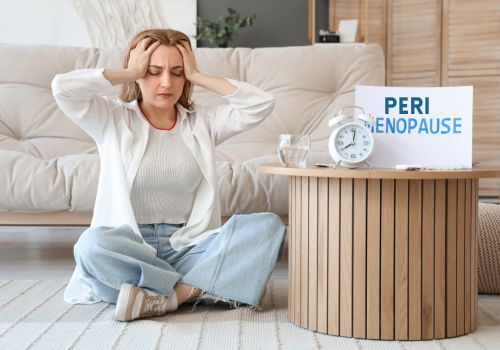
Perimenopause typically starts in your late 30s to early 40s but can sometimes begin as early as your mid-30s. Some women may experience it earlier, while others may not experience noticeable symptoms until they are closer to their 50s.
Genetics can play a role in when you enter perimenopause, so if your mother or sisters went through it early or late, you might experience a similar pattern.
Can Medical Conditions Bring on Early Perimenopause?
If you’ve had a total hysterectomy (where both the uterus and ovaries are removed), you will immediately enter menopause since the ovaries, which produce most of the body’s estrogen, are no longer present.
This is called surgical menopause, and it can happen at any age, even before 40. Women who undergo a total hysterectomy will experience menopause symptoms, including hot flashes, night sweats, and mood swings, typically right after surgery because their hormone levels drop suddenly.
Total or Partial Hysterectomy
However, if only your uterus is removed (a subtotal or partial hysterectomy), but your ovaries are left intact, you may still experience perimenopause naturally when you reach that age range. Your ovaries will continue to produce estrogen and progesterone until they begin to age and slow down their production. In this case, the onset of perimenopause will follow a more typical timeline, starting in your late 40s or early 50s, even though you’ve had the surgery.
While hysterectomy is one obvious cause of early menopause or perimenopause, there are several medical conditions and other factors that can also cause the early onset of perimenopause or premature ovarian insufficiency (POI). Here are a few of the main ones:
1. Chemotherapy or Radiation Therapy
Chemotherapy and radiation treatments, especially those used to treat breast cancer or gynecological cancers, can damage the ovaries and trigger early menopause. These treatments often stop the ovaries from functioning properly, leading to a quicker decline in hormone levels. Some women may experience temporary infertility, while others may enter menopause suddenly.
2. Autoimmune Diseases
Certain autoimmune disorders, like rheumatoid arthritis, lupus, and Hashimoto’s thyroiditis, can affect the ovaries. In these conditions, the body’s immune system mistakenly attacks its own tissues, and in some cases, this includes the ovaries, which can lead to early ovarian failure and premature menopause.
3. Premature Ovarian Failure (POF)
Also known as primary ovarian insufficiency, POF occurs when the ovaries stop functioning before the age of 40. Women with POI may experience irregular periods, hot flashes, and other menopause-like symptoms. The exact cause of POI can be unknown, but it is sometimes linked to genetic factors, autoimmune disorders, or infections.
4. Endometriosis
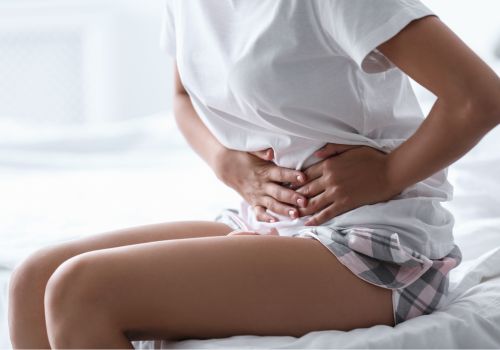
Endometriosis is a condition where tissue similar to the lining of the uterus grows outside the uterus, often on the ovaries or fallopian tubes. This can cause hormonal imbalances, ovarian damage, and sometimes early menopause.
Women with endometriosis may experience more severe menstrual cycles, pelvic pain, and an increased risk of infertility, which could lead to earlier perimenopausal symptoms.
5. Turner Syndrome
Turner syndrome is a genetic disorder where a female is born with only one complete X chromosome. This condition can cause the ovaries to stop functioning properly or fail early, leading to early menopause. Many women with Turner syndrome have normal life expectancies, but they often need hormone replacement therapy (HRT) to manage menopause-like symptoms.
6. Fragile X Syndrome or Genetic Conditions
Fragile X syndrome, which is often associated with intellectual disabilities, can also lead to early menopause in women who carry the gene for this condition. Women with this syndrome may experience early ovarian insufficiency and can go into menopause as early as their 30s or 40s.
7. Smoking
Smoking accelerates the depletion of ovarian eggs and can lead to earlier menopause. Women who smoke are more likely to enter menopause 1-2 years earlier than non-smokers. The toxins in cigarettes can damage the ovaries and disrupt hormone production, contributing to the earlier onset of perimenopause.
8. Obesity
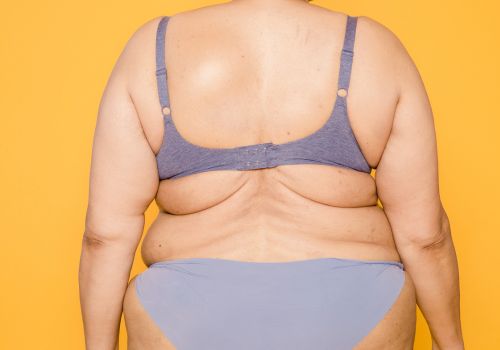
While obesity doesn’t directly cause early perimenopause, it can contribute to a range of health conditions that might. For example, obesity is linked to insulin resistance, which in turn can affect hormone levels. This may make women more susceptible to early hormonal changes, including perimenopause.
9. Family History
Genetics can play a major role in determining when a woman experiences perimenopause. If your mother or grandmother entered menopause early, there’s a chance you may experience similar timing. While there’s no direct “menopause gene,” family history plays a big role in determining when your ovaries will naturally start winding down.
10. Chronic Stress
Chronic stress can affect the hypothalamus and the hormonal systems that regulate your menstrual cycle. While stress won’t directly cause early menopause, it may exacerbate perimenopausal symptoms like hot flashes and night sweats. The longer stress is present in the body, the more it can influence the reproductive system.
What Are the Symptoms of Perimenopause?
Perimenopause can feel like a rollercoaster of emotional, physical, and mental changes. If you’d like to explore the full range of menopause symptoms in detail, you can start with our complete guide.
You can also continue exploring the full symptom list and how these changes evolve over time:
1. Irregular Periods
Your periods may start becoming irregular, with changes in cycle length, flow, and frequency. You might have shorter cycles, longer cycles, or skip a period altogether. This is one of the hallmark signs of perimenopause.
2. Hot Flashes and Night Sweats
Hot flashes are sudden waves of heat that can make you feel flushed or sweaty. When these happen at night, they’re known as night sweats, and they can disrupt your sleep, leaving you feeling drained the next day.
3. Mood Swings and Irritability
Hormonal shifts can leave you feeling more emotional than usual. Mood swings, irritability, and even feelings of sadness or anxiety can occur. It’s like your emotions are on a rollercoaster, and you’re not sure when the next drop will happen.
4. Sleep Problems
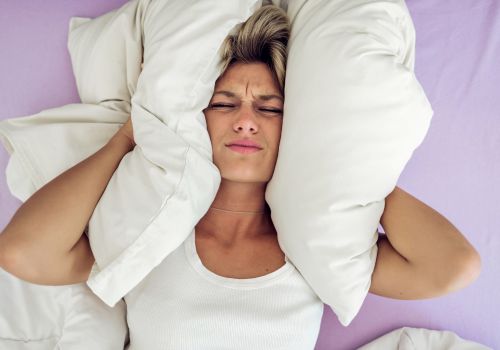
With night sweats, stress, or general discomfort, sleep disturbances can become common during perimenopause. You might have trouble falling asleep, staying asleep, or waking up feeling less rested. These sleep issues are often closely linked to how your nervous system responds to stress and hormonal fluctuations.
5. Vaginal Dryness and Bladder Changes
As estrogen levels decline, vaginal dryness, irritation, and discomfort become a common issue. This can make intercourse uncomfortable or even painful. Some women may also find it harder to get sexually aroused or their desire for sex changes.
It can also affect bladder control, leading to increased frequency or urgency to urinate. As our body produces less estrogen, it may become more prone to bladder or vaginal infections. Additionally, the decrease in muscle tone can affect our pelvic floor muscles, which may lead to issues like incontinence.
These changes can be a little annoying, but the good news is, there are plenty of remedies out there! From lubricants and moisturizers to pelvic floor exercises, you don’t have to suffer in silence. Speak to your doctor about potential treatments like estrogen creams or oral medications to help keep things flowing smoothly.
6. Fatigue and Low Energy
Perimenopause can leave you feeling tired, even after a full night’s sleep. Hormonal fluctuations, disrupted sleep, and changes in metabolism can all contribute to feeling less energetic.
These changes are also connected to how your body regulates blood sugar and energy during this phase.
7. Memory Problems and Brain Fog
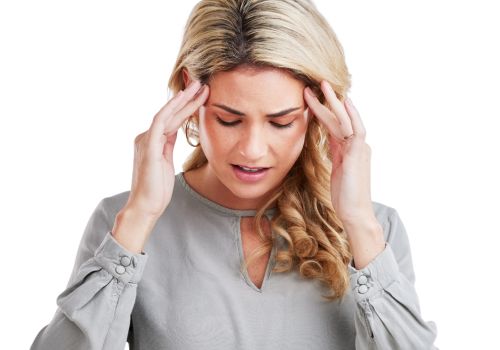
Many women report feeling a bit “foggy” during perimenopause, with difficulty concentrating or remembering things. This is sometimes referred to as “brain fog” and can be caused by hormonal shifts or disrupted sleep.
8. Changes in Skin and Hair
You may notice your skin becoming drier or more prone to wrinkles, and your hair might thin or change texture. Hormonal changes can affect collagen production, leading to these visible signs of aging.
Some women also notice increased facial hair on the chin or upper lip as hormone levels change during perimenopause.
9. Joint and muscle aches
It’s not just your mood that’s changing; your body may be feeling a little more creaky as well.
Joint and muscle aches are common during perimenopause due to hormonal fluctuations that affect bone density and muscle strength. You might notice your knees aching after a walk or your lower back protesting after a long day.
Regular exercise, stretching, and even yoga can help maintain flexibility. If the discomfort is persistent, it’s worth talking to your healthcare provider about supplements like calcium and magnesium to support joint health.
10. Bone Loss -Osteoperosis
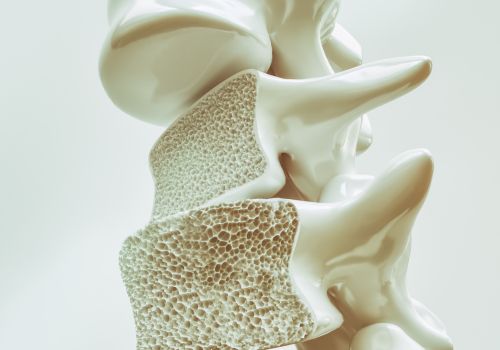
As estrogen levels decline, the risk of bone loss increases. This puts women at greater risk for osteoporosis. After menopause, bones can become more fragile. Osteoporosis often doesn’t show symptoms until a fracture occurs, so it’s important to take preventative steps. A bone density test from your doctor can give you more insight into your bone health.
11. Headaches
Headaches are a common complaint during perimenopause. Fluctuating hormone levels, especially estrogen, can trigger or intensify headaches. You may find yourself reaching for the aspirin more often than before, but there are other ways to reduce these annoying episodes.
Keep a headache diary to track triggers, get plenty of sleep, stay hydrated, and manage stress. If headaches become severe or frequent, consult with your healthcare provider to explore treatments or medications that may help.
12. Change in Cholesterol Levels
As you enter perimenopause, your cholesterol levels might also experience a shift. Decreasing estrogen production can lead to higher levels of LDL (bad cholesterol) and lower levels of HDL (good cholesterol).
This can increase the risk of heart disease. Keep an eye on your blood work, and if needed, your doctor may recommend cholesterol-lowering treatments or lifestyle changes to keep your heart healthy.
A recent Lillepin Research article also highlights that perimenopause may be an important opportunity to identify changes in cardiovascular health early, before they become more significant.
How Long Does Perimenopause Last?
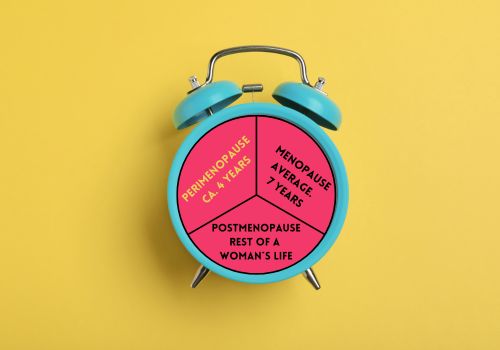
The duration of perimenopause can vary widely. On average, it lasts about four years, but some women may experience it for as long as 10 years. The most intense symptoms often occur in the first few years, and they may gradually subside as you approach menopause.
The end of perimenopause is marked by your last period (also known as menopause), which occurs when you haven’t had a period for 12 consecutive months. Once menopause occurs, many of the symptoms of perimenopause will begin to fade, though some symptoms, such as hot flashes and mood swings, may continue for a few years.
Does Every Woman Go Through Perimenopause?
Yes, every woman goes through perimenopause as part of the natural aging process, but the timing and intensity of symptoms can vary greatly. Some women may experience very mild symptoms or no symptoms at all, while others may experience a range of physical and emotional changes.
If you’re in your 40s or 50s and experiencing symptoms like irregular periods, hot flashes, or mood swings, it’s likely that you’re in the perimenopausal phase. If you’re not sure, a visit to your healthcare provider can help clarify things.
How Do You Know When You’re in Perimenopause?
You’ll know you’re in perimenopause if you start to notice changes in your menstrual cycle, along with other symptoms like hot flashes, mood swings, or sleep disturbances. However, because the symptoms of perimenopause are so similar to those of other conditions (such as thyroid imbalances), it’s always a good idea to check in with your doctor.
How Do You Know When Perimenopause Is Over?
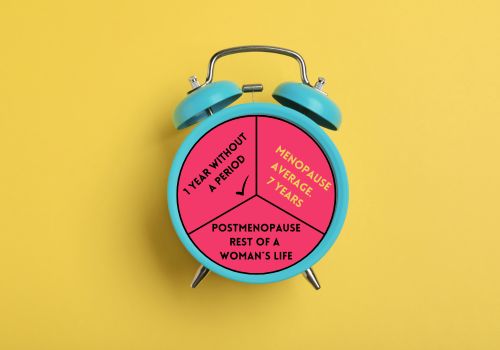
You’ll know perimenopause is over when you’ve gone 12 consecutive months without a period, which means you’ve officially reached menopause. Some women may experience relief from the symptoms of perimenopause once they enter menopause, while others may continue to have symptoms for some time.
How to Relieve Perimenopause Symptoms
If you’re dealing with several symptoms at once and don’t know where to begin, it may help to first prioritize your menopause symptoms according to how much they affect your health and daily life. Once you know where to focus, there are several ways to find relief:
1. Lifestyle Changes
- Exercise: Regular physical activity can help balance hormones and reduce symptoms like hot flashes and mood swings.
- Diet: A healthy diet rich in omega-3s, fiber, antioxidants, naturally bitter foods, and foods such as flaxseeds can support hormone balance, healthy digestion, and overall well-being during perimenopause.
- Stress Management: Practices like yoga, meditation, autogenic training or deep breathing can help reduce stress and ease mood swings.
2. Hormone Replacement Therapy (HRT)
If symptoms are severe, your doctor may recommend hormone replacement therapy (HRT), which can help balance estrogen levels and alleviate symptoms like hot flashes, vaginal dryness, and mood swings.
3. Over-the-Counter Relief
- Black Cohosh: Some studies suggest that black cohosh can help reduce hot flashes and night sweats.
- Vitamin E: Known to support skin health, vitamin E may help reduce hot flashes for some women.
4. Alternative Therapies
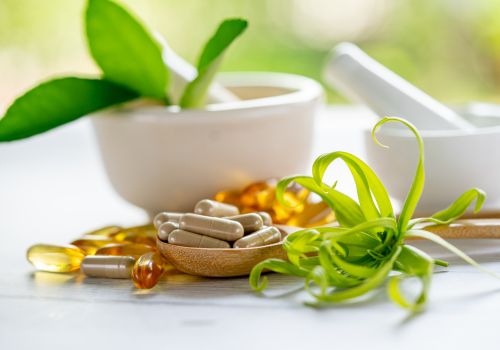
- Acupuncture and herbal remedies are becoming popular options for women who want natural relief.
Where to Go Next
If you’re starting to recognize these symptoms, it can help to explore them in more detail and understand how they connect.
- Want a full overview of symptoms? → Menopause Symptoms Part 1
- Exploring patterns and progression? → Menopause Symptoms Part 2
- Understanding deeper causes? → Menopause Symptoms Part 3
- Struggling with hot flashes? → Hot Flashes Guide
Conclusion: Perimenopause Doesn’t Have to Be Scary!
So, does every woman experience perimenopause? No, not everyone will face this transitional phase in the same way. It’s always good to know where you are in your hormonal journey, whether it’s perimenopause or something else.
Perimenopause is a natural and inevitable part of life, but it doesn’t have to be overwhelming. By understanding the symptoms, causes, and options for relief, you can feel more prepared to navigate this transition with confidence.
Whether it’s hot flashes, mood swings, or sleep disruptions, remember that you’re not alone. Many women experience the same challenges, and with a little self-care, lifestyle changes, and support from your healthcare provider, you can manage this phase with grace.
Understanding your body, learning about your health conditions, and seeking guidance from medical professionals can help you navigate these changes with confidence and grace. So, while perimenopause can be a challenging time, it can also be a great opportunity to take charge of your health, prioritize self-care, and focus on your well-being!
Related Lillepin Research
P1-006 → Read the full article: Could Loneliness Affect Memory and Thinking During Perimenopause?
P1-035 → Read the full article: AI Just Revealed a Hidden Truth About Menopause
P1-049 → Read the full article Scientists Finally Start to Understand Menopause Brain Fog
P1-077 → Read the full article: Why Perimenopause Could Be One of the Most Important Times to Protect Your Heart
P1-073 → Read the full article Female Pattern Hair Loss Affects More Than Half of Postmenopausal Women
P4-015 → Read the full article: Could Your First Period and Menopause Predict How You Age?
P1-098 → Read the full article: Could One Workout a Week Be as Effective as Three?