Oops! Understanding (Peri-)Menopause and Bladder Leakage
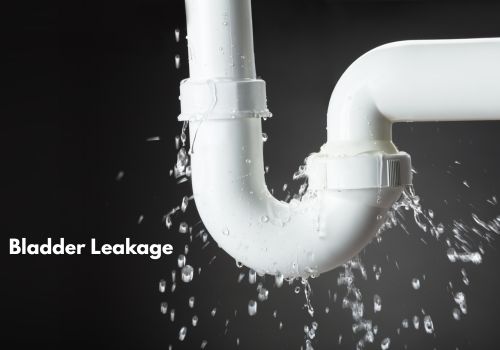
Bladder Leakage… As if hot flashes and sweating weren’t enough, as a bonus, many of us also start experiencing bladder leakage. Another joy of (peri)menopause! And for many women, it’s closely connected to deeper hormonal and nervous system shifts happening beneath the surface.
We remember those days, don’t we? The relief of finally saying goodbye to sanitary pads after our periods ended. Little did we know that many of us might find ourselves reaching for them again as we navigate (peri)menopause.
You Are Not Alone…
I remember walking back from the shop one day, when I was suddenly overwhelmed by the urge to pee. I was angry with myself because I briefly contemplated using the bathroom in the shop before walking out, but then dismissed the idea, seeing it was only a 5-minute walk home.
Thankfully, I was wearing an ankle-length, flowy dress. Armed with a shopping bag in each hand, I felt the floodgate suddenly open to my horror, but there was nothing I could do to stop it.
To make it less embarrassing, I decided to bend down and pretend I was doing up my shoes just in case someone was watching. It was hard for me to understand that one minute I was fine and the next I couldn´t control myself.
Being on Constant Alert…
I can’t tell you how many times I visited the bathroom or planned my journey around public toilets just because I was excited or nervous about a trip or a meeting. The feeling is overwhelming and gives me anxiety because if I need to go, it´s now, not in five minutes, and there’s no holding on!
For many women, symptoms like urgency, anxiety, hot flashes, or brain fog become especially stressful in professional settings, which is why more attention is finally being given to workplace menopause support and understanding.
This kind of constant alert state can also be linked to how your nervous system responds during menopause.
A Common Misconception
For years, I put it down to having two heavy babies and never once considered that my shifting hormones could be the reason, especially during the hormonal transition of menopause. And as a single woman thinking about getting back into dating, the thought of trying to find the right moment to discreetly remove a sanitary pad feels almost like an insurmountable barrier.
If you’ve felt any of this, know that it’s a very real and common experience, and we’re here to talk about it openly. At Lillepin, we believe in open conversations about all aspects of women’s health, especially those that can feel a little embarrassing or taboo. So, let’s dive into why bladder leakage can happen during (peri)menopause and, more importantly, what you can do about it.
Table of Contents
Why the Change? Hormones and Your Bladder
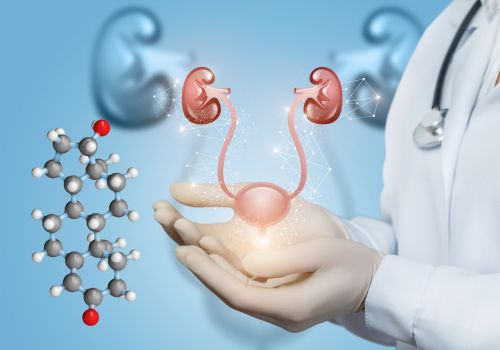
Firstly, it needs to be stressed that it´s not your fault! There is very little you could have done to prevent it. The primary culprit behind increased bladder leakage during (peri)menopause is the decline in estrogen levels.
Estrogen plays a crucial role in maintaining the strength and health of the tissues in your pelvic floor, urethra (the tube that carries urine out of your body), and the lining of your bladder. Think of estrogen as a key supporter for these areas, keeping them toned and resilient.
When these systems become less supported, it can also affect how your body manages pressure, circulation, and even inflammation. As estrogen levels fluctuate and eventually decrease during perimenopause and menopause:
Pelvic Floor Muscles Weaken:
The muscles that support your bladder and urethra (pelvic floor muscles) can lose some of their strength and elasticity, which makes it harder to control the flow of urine, especially when there’s increased pressure. This is why supporting your overall muscle and metabolic health becomes increasingly important in midlife.
Urethral Lining Thins:
The lining of the urethra can become thinner and less supportive, making it more prone to leakage.
Bladder Sensitivity May Increase:
Some women experience an increased sensitivity or overactivity of the bladder muscle, leading to sudden, strong urges to urinate. These sensitivity changes can feel similar to other menopause symptoms, where the body becomes more reactive overall, such as:
Stress Incontinence:
Stress incontinence is the most common type during this phase. It happens when physical stress or pressure on your bladder (from coughing, sneezing, laughing, exercising, or lifting something heavy) causes involuntary urine leakage.
Urge Incontinence (Overactive Bladder):
This involves a sudden, intense urge to urinate that’s difficult to control, often leading to leakage before you can reach the toilet.
Natural Ways to Support Bladder Control
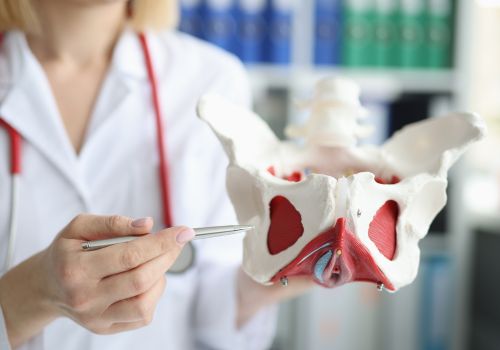
The good news is that there are many natural and effective strategies you can implement to help manage and even prevent bladder leakage during (peri)menopause.
1. Strengthen Your Foundation: Pelvic Floor Exercises (Kegels)
Just like any other muscle in your body, your pelvic floor muscles can be strengthened with regular exercise. Kegel exercises involve consciously contracting and relaxing these muscles.
How to do them:
Imagine you’re trying to stop the flow of urine or prevent yourself from passing gas. Squeeze those muscles, hold for a few seconds (start with 2-3 seconds and gradually work up to 10), and then relax for the same amount of time.
Consistency is key:
Aim for 2-3 sets of 10-15 repetitions several times a day. You can do them discreetly almost anywhere – while waiting in line, sitting at your desk, or watching TV.
Make it a habit:
Incorporate Kegels into your daily routine. You might find it helpful to link them to something you already do regularly, like brushing your teeth.
While you can do Kegels on your own, there are also tools that can help. You can find everything from simple manual pelvic floor weights to sophisticated electronic devices that guide you through the exercises. These can be helpful for ensuring you’re using the correct muscles and tracking your progress. We’ll be doing a deeper dive into these options in an upcoming blog post so stay tuned!
2. Mind Over Matter: Bladder Training

Believe it or not, you can actually train your bladder. Think of it as mindfulness training for your bladder. This approach works in a similar way to other calming techniques that help regulate your body’s stress response. It can help you regain control over your bladder and reduce the frequency of urination and urge incontinence.
Keep a bladder diary:
For a few days, track when you urinate and any episodes of leakage. This will help you understand your patterns. You can use your smartphone or jot it down on paper.
Establish a urination schedule:
Based on your diary, try to urinate at regular intervals, even if you don’t feel a strong urge. Start with every hour and gradually try to lengthen the time between bathroom breaks. This is also a great mindfulness training.
Manage urges:
When you feel a sudden urge, try hold on for a few minutes. You can try deep breathing, squeezing your pelvic floor muscles, or distracting yourself. You will find that you can gradually increase the amount of time you can comfortably wait.
Avoid “just in case” urination:
Going to the bathroom too frequently can actually make your bladder more sensitive. Try to wait until you have a genuine urge. Think of ´just in case´ as not being able to trust your bladder that you can hold on for a short while. It´s counterproductive for your bladder training.
3. Lifestyle Adjustments for a Happier Bladder
Small changes to your daily habits can make a big difference:
Fluid Management:
While it might seem counterintuitive, restricting fluids too much can actually irritate your bladder and worsen leakage. Drink adequate amounts of water throughout the day, but try to limit large fluid intakes close to bedtime.
Identify Bladder Irritants:
Certain foods and drinks can irritate your bladder and increase urgency and frequency. Common culprits include caffeine, alcohol, carbonated drinks, citrus fruits and juices, spicy foods, and artificial sweeteners.
Try eliminating these for a while to see if your symptoms improve. Many of these triggers can also impact your gut health, which plays a surprisingly important role in menopause.
Maintain a Healthy Weight:
Excess weight puts extra pressure on your bladder and pelvic floor muscles, which can contribute to stress incontinence. That’s not always an easy task if you suffer from menopause weight gain and find it hard to lose the extra pounds.
Manage Constipation:
Straining during bowel movements can weaken your pelvic floor muscles. Ensure you’re eating a fiber-rich diet and staying hydrated to promote regular bowel movements. You may also find it helpful to elevate your feet slightly using a small stool to support a more natural position when going to the bathroom.
A small footstool or a product like a Squatty Potty helps your body into a more natural position for passing stool without straining. Another great tip is that a daily shot of organic aloe vera juice can be a fantastic, natural trick to help things move along smoothly. Supporting digestion is another key pillar of overall menopause wellness.
Medical Options: When Natural Support Needs a Little Help

If natural strategies aren’t providing enough relief, there are medical options available to discuss with your doctor.
1. Hormone Replacement Therapy (HRT)
For postmenopausal women who also experience vaginal dryness, irritation, recurrent urinary infections, or other symptoms of genitourinary syndrome of menopause, a healthcare professional may recommend local vaginal estrogen, such as a cream, ring, or tablet.
It can improve the health of tissues around the vagina and urethra and may help some urinary symptoms. This is different from systemic HRT, which is not used specifically as a treatment for urinary incontinence.
The most appropriate option depends on your symptoms, medical history, and personal hormonal circumstances, so discuss the benefits and risks with a qualified healthcare professional.
2. Medications for Overactive Bladder
For urge incontinence, your doctor may prescribe medications that help to relax the bladder muscle and reduce those sudden, strong urges. These include:
- Anticholinergics: These medications block certain nerve signals that can cause the bladder to contract too frequently.
- Beta-3 Agonists: These drugs relax the bladder muscle and increase its capacity to hold urine.
3. Medications for Stress Incontinence
While there aren’t specific medications solely for stress incontinence, some medications used for other conditions may have a positive effect on bladder control. Your doctor can advise you on the best options.
4. Medical Devices and Procedures
In some cases, medical devices or procedures may be recommended:
- Pessaries: These are silicone devices inserted into the vagina to support the bladder and urethra, helping to reduce stress incontinence.
- Bulking Agents: These substances are injected into the tissue around the urethra to help thicken it and reduce leakage.
- Surgery: In more severe cases of stress incontinence, surgical procedures can be performed to provide better support to the bladder and urethra.
Vaginal HIFU (High-Intensity Focused Ultrasound)
High-Intensity Focused Ultrasound (HIFU) is being studied as a non-surgical treatment for urinary incontinence, particularly stress urinary incontinence. Early research, including a 2024 retrospective study and a 2025 non-randomised study, has reported improvements in bladder control, leakage and quality of life, with few short-term adverse effects.
However, the studies conducted so far have been relatively small or non-randomised. The Focused Ultrasound Foundation currently classifies this treatment as early-stage and still under clinical investigation. HIFU is therefore a promising emerging option rather than a standard first-line treatment, and anyone considering it should consult a qualified pelvic-health or urogynecology specialist.
The Great News is: You Don’t Have to Live with Bladder Leakage

Experiencing bladder leakage during (peri)menopause can be frustrating, but it’s important to remember that it’s a common issue with many effective solutions. Start with natural strategies like pelvic floor exercises and bladder training, and don’t feel ashamed to talk to your doctor about medical options if needed. If you’re navigating multiple symptoms at once, it can help to step back and understand the bigger picture.
At Lillepin, we’re here to empower you with information and support as you navigate every stage of your wellness journey. You don’t have to feel embarrassed or isolated, nothing is taboo when it comes to your body! Take charge of your bladder health and reclaim your comfort and confidence.