Beyond the Bra: 10 Critical Breast Health Secrets for Women Over 40
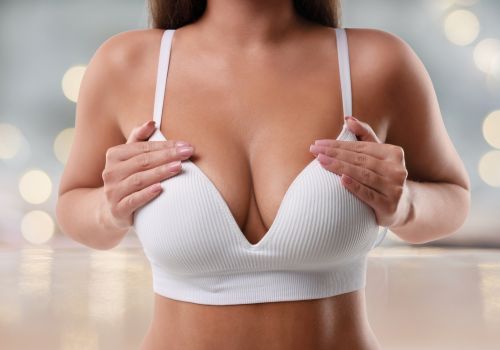
With summer upon us and light clothing becoming the wardrobe of choice, the age-old question of whether to wear a bra or go without often resurfaces. For women navigating the vibrant landscape of life over 40, this decision takes on fresh significance.
As our bodies gracefully evolve through hormonal shifts, the focus shifts from simply achieving a youthful lift to prioritizing comfort, adequate support, and an expression of individual style. So, let’s explore the real facts and common misconceptions surrounding this intimate choice.
Table of Contents
I. Setting the Stage: The Bra & Your Body Over 40
The Sagging Myth: Uncovering the Braless Reality
A widely held belief suggests that opting out of a bra will inevitably lead to breast ptosis, commonly known as sagging. However, according to experts, this notion isn’t supported by evidence.
The truth is, wearing a bra doesn’t actively prevent sagging, nor does going braless cause it. Factors like genetics, the natural aging process, and significant shifts in body weight are the primary determinants of breast shape and position over time.
While bras certainly offer immediate support and can enhance comfort, particularly for those with a fuller bust, they do not influence the long-term structural integrity or risk of sagging.
The Bra Debate: Weighing the Benefits and Drawbacks
Unthinkable for some women, a nuisance and restrictive piece of clothing for others – the bra!
Did you know?
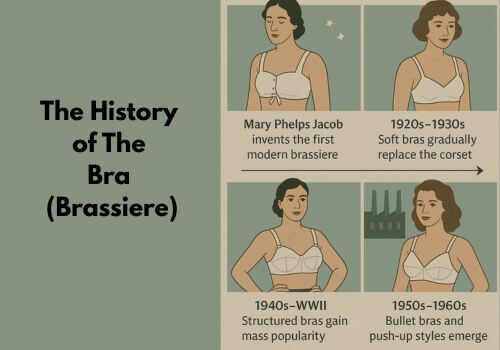
The first bra was invented in 1913 by Mary Phelps Jacob (later known as Caresse Crosby), a New York socialite. She patented her invention in 1914 under the name “brassiere” (Patent No. 1,115,674) and later sold it to the Warner Brothers Corset Company for $1,500. By the 1940s Bras gained mass popularity when women entered the workforce and needed practical undergarments.
So, let’s consider the practical aspects of wearing or not wearing a bra.
Advantages of Wearing a Bra:
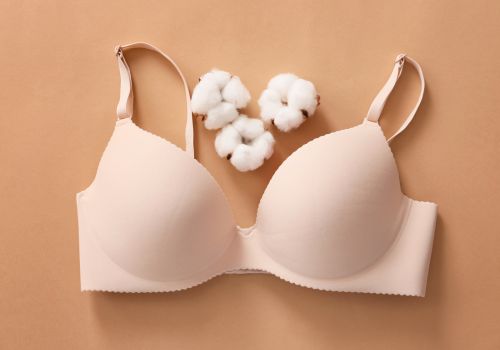
Support and Comfort: For many, especially those with larger breasts, a well-fitted bra provides essential support, alleviating strain on the back and shoulders that can result from gravity’s pull.
Improved Posture: A well-fitting bra can subtly encourage better posture, contributing to a more confident appearance and feel.
Shape and Silhouette: Bras can create a smoother, more defined silhouette under clothing, enhancing one’s overall look.
Reduced Discomfort During Activity: For active lifestyles, a sports bra is indispensable for minimizing breast movement and preventing discomfort or pain during exercise.
Considerations of Going Braless:
Potential Discomfort: Without adequate support, physical activity can lead to discomfort or even pain, particularly for larger busts.
Sense of Freedom: While some women may find going braless uncomfortable, others feel liberated, experiencing a sense of “freedom”.
Nipple Visibility: Depending on the fabric and style of clothing, nipple prominence might be a concern for some individuals.
Social Perceptions: While increasingly accepted, societal norms still vary, and going braless might be perceived differently in various social or professional environments.
The Braless Evolution: Shifting Social Norms

The landscape of social acceptance for going braless is continually evolving. Not wearing a bra began to gain social acceptance in the 1960s with the hippie movement and particularly in the context of the women’s liberation movement.
Nowadays, Influencers and public figures increasingly embrace the braless aesthetic again, contributing to a more open and accepting cultural dialogue. However, it’s important to remember that what is considered appropriate can vary greatly by context:
Informal Settings: In relaxed environments like your home, while running errands, or socializing with close friends, choosing to go braless is generally well-accepted.
Professional Environments: In formal work settings, a bra is still widely considered the standard. Nevertheless, with carefully selected clothing, a subtle braless look can be achieved.
Formal Occasions: For special events requiring more formal attire, most women still prefer the shaping and support a bra provides. However, it is quite acceptable, in particular for low-cut dresses, to go braless or use taping to give breasts a better shape or lift.
The Physical Realities of Going Braless
Beyond the aesthetic and social aspects, going braless can present certain physical realities. For those with larger breasts, the lack of support can lead to increased breast movement during daily activities, potentially causing discomfort or even pain in the breasts, back, and shoulders. This can be particularly noticeable during exercise or even brisk walking.
Additionally, some individuals may experience increased friction or chafing without the protective layer of a bra. Ultimately, the physical experience of going braless is highly individual and depends on breast size, tissue density, and activity level.
Addressing the Myth: Bras and Breast Cancer Risk
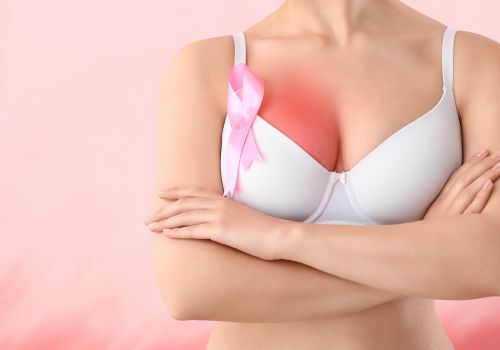
The idea that wearing a bra, especially one that is tight or has an underwire, could increase the risk of breast cancer has circulated for years. This theory often suggests that bras restrict lymphatic drainage, leading to a buildup of toxins in breast tissue. However, extensive research has largely debunked this claim.
A comprehensive study, published in Cancer Epidemiology, Biomarkers & Prevention, found no association whatsoever between any aspect of bra wearing, including cup size, duration of wear, or the presence of underwire, and the risk of developing common types of breast cancer, such as invasive ductal carcinoma (IDC) or invasive lobular carcinoma (ILC).
This significant research provides strong reassurance, dispelling a long-held myth and confirming that your bra-wearing habits do not contribute to breast cancer development.
Finding Your Perfect Fit & Alternatives
If you choose to wear a bra, comfort is absolutely paramount. This is especially true as our bodies change, and a well-fitting bra can make all the difference.
A study revealed that 85 % of women wear the wrong bra size! Therefore, it is highly recommended that you take your measurements professionally.
What to Look for in a Comfortable Bra:

The Band is Key: While straps are often thought to be the main support system, it’s actually the bra’s band that does most of the work. The band should fit snug and level all the way around your back, and should not ride up. You should be able to fit only two fingers comfortably under the band.
Cups That Contain: Your breasts should fit fully into the cups without spilling over the top, sides, or bottom. There should be no gaping or wrinkling in the fabric.
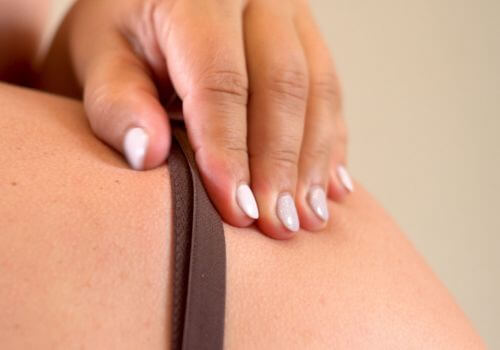
Straps for Support, Not Lifting: Straps should feel secure but not dig into your shoulders. They are there to keep the cups in place, not to bear the full weight of your bust.
Underwire or Wireless?
Underwire: If opting for underwire, ensure it lies flat against your rib cage, encircling the breast tissue without poking or digging into your breast or armpit.
Wireless: Many women over 40 find wireless bras incredibly comfortable, offering gentle support without the rigidity of an underwire. Look for designs with wide bands and supportive cup construction.
Adjustability: Look for bras with adjustable straps and multiple hook-and-eye closures on the band to allow for a customized fit as your body fluctuates. If the cup size fits but the band is a little tight, you can always buy a bra extender.
Best Materials for Bra Comfort:
The fabric of your bra significantly impacts comfort, breathability, and feel. Here are some top choices:
Cotton: A natural fiber, cotton is soft, breathable, and hypoallergenic, making it excellent for everyday wear, especially in warmer climates. It’s gentle on sensitive skin.
Microfiber: This synthetic material is known for being incredibly soft, smooth, and lightweight. It wicks away moisture, dries quickly, and often provides a seamless look under clothing.
Modal: Derived from beechwood, modal is a semi-synthetic fabric that is exceptionally soft, smooth, and resistant to shrinking and fading. It’s more absorbent than cotton and has a luxurious feel.
Spandex/Elastane (Blends): Often blended with other materials, spandex provides stretch and recovery, ensuring the bra moves with your body and retains its shape.
Lace (with soft lining): While lace adds beauty, ensure any lace directly against the skin is soft and non-irritating, or that the bra has a comfortable lining.
Silk: For ultimate luxury and breathability, silk bras are soft, smooth, and gentle on the skin. They are often chosen for special occasions or for those with very sensitive skin.
Bamboo: A natural fiber that is incredibly soft, smooth, highly breathable, and has excellent moisture-wicking properties. It’s also naturally antibacterial.
Merino Wool: A fine, natural wool known for its exceptional temperature-regulating properties. It wicks moisture, resists odor, and provides warmth without bulk, even when wet.
Choosing Bra Material by Climate:
Selecting the right bra material can significantly enhance your comfort throughout the day, depending on the weather conditions.
Cold & Wet Climates:
Best: Merino Wool is ideal. It provides excellent insulation even when damp, wicks moisture away from the body, and helps regulate temperature.
Avoid: Cotton and Modal can absorb moisture and stay wet, leading to a chilling effect.
Cold & Dry Climates:
Best: Merino Wool or blends with Modal can provide warmth and softness.
Good: Silk can also offer a luxurious, warm layer against the skin.
Moderate Climates:
Best: Cotton, Modal, Bamboo, and Microfiber are all excellent choices for everyday comfort. They offer a good balance of breathability and softness.
Warm Climates:
Best: Cotton, Bamboo, and Modal are highly breathable and comfortable for warm, but not excessively humid, conditions.
Good: Microfiber can also work well due to its quick-drying properties.
Hot & Dry Climates:
Best: Cotton and Bamboo excel here due to their breathability, allowing air circulation to keep you cool.
Good: Microfiber can also be a good option as it wicks sweat efficiently, preventing a clammy feeling.
Hot & Humid Climates:
Best: Microfiber and Bamboo are superior in these conditions. Their excellent moisture-wicking and quick-drying properties help keep you feeling drier and more comfortable by drawing sweat away from your skin.
Avoid: Cotton and Modal can absorb a lot of sweat and feel heavy or clingy in high humidity.
Breast Taping: A Strapless, Backless Solution
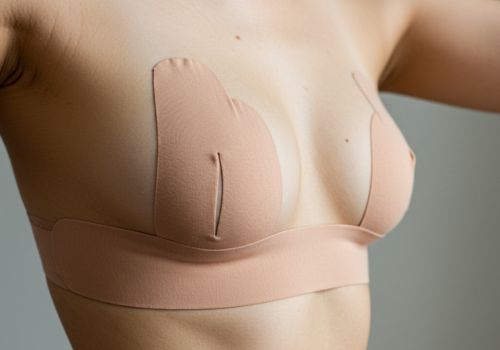
For outfits that defy traditional bras, breast taping offers a versatile alternative, providing lift, support, and shaping. This method involves applying adhesive body tape directly to the skin. Regardless of your breast size or shape, the key to successful taping lies in proper preparation and technique.
Before You Tape: Essential Preparation
Patch Test: Always perform a patch test with a small piece of tape on a sensitive area of your skin (like your inner arm or side of your breast) at least 24 hours before full application. This is crucial to check for any allergic reactions or irritation.
Clean and Dry Skin: Ensure your skin is completely clean, dry, and free of any lotions, oils, powders, or sweat. These can prevent the tape from adhering properly, leading to slippage.
Nipple Protection: Crucially, always use nipple covers or cotton pads to protect this sensitive area before applying any tape. This prevents discomfort and irritation during removal.
Measure and Cut: Measure the approximate length of tape you’ll need for each strip based on the desired lift and the style of your outfit. It’s often better to cut slightly longer and trim excess later.
Taping Techniques for Different Needs and Shapes
While there’s no single “right” way, these common techniques can be adapted for various breast sizes and outfit styles. For visual guidance, search online for “breast taping diagrams” or “boob tape tutorials” for the specific technique you’re interested in.
For Lift and Support (Ideal for larger busts or general lift):
This technique aims to lift the breasts upwards and provide overall support, similar to a traditional bra.

How to Apply:
- Hold your breast in the desired lifted position with one hand.
- Start applying a strip of tape from the very bottom of your breast, near your ribcage.
- Smooth the tape upwards, over the top of your breast, and extend it towards your collarbone or shoulder.
- Apply additional strips, overlapping them slightly, working from the outside of your breast inwards, always pulling upwards for lift.
- For very large busts, you might also add a horizontal strip across the bottom of your breasts for extra anchoring.
For Cleavage (Ideal for plunging necklines):
This method focuses on pushing the breasts together to create cleavage, while also providing some lift.
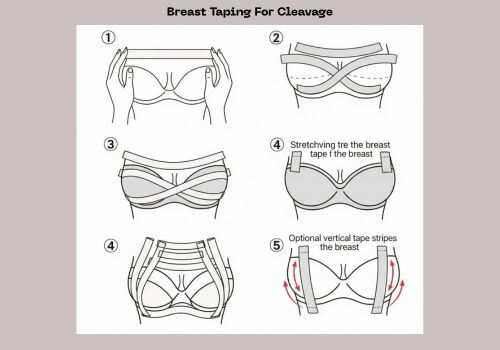
How to Apply:
- Hold your breasts together in the desired cleavage position
- Start a strip of tape from the outer side of one breast, near your armpit.
- Pull the tape horizontally across your chest, over the top of both breasts, and adhere it to the outer side of the other breast, ensuring your breasts are pressed together.
- Apply additional horizontal strips, layering them upwards from the bottom of your breasts, always pulling inwards to enhance cleavage.
- You can also add vertical strips from the bottom of each breast, pulling them slightly inwards and upwards towards the center of your chest to further define the cleavage.
For Strapless or Backless Outfits (Bandeau or “Mermaid Cup” Effect):
This technique creates a smooth, bra-free look under strapless or backless garments.
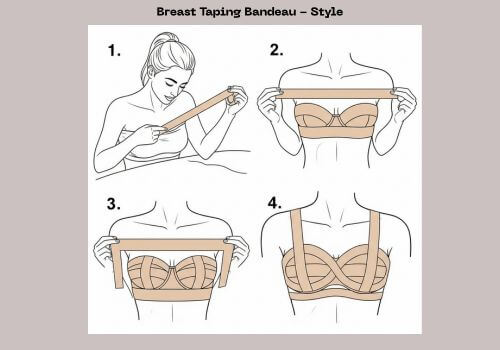
How to Apply (Bandeau Style):
- Lean forward slightly.
- Start a long strip of tape from one side of your ribcage, just under your breast.
- Pull the tape horizontally across your chest, under both breasts, and adhere it to the other side of your ribcage. This creates a supportive “band.”
- Apply additional horizontal strips, layering them upwards over your breasts, ensuring they are smooth and flat. This creates a bandeau-like shape.
How to Apply (“Mermaid Cup” for tricky necklines like triangle tops):

- For each breast, apply smaller horizontal strips from the bottom of the breast, working upwards towards the nipple or top. Each strip should slightly overlap the one below it, forming an individual “cup” shape.
- You can pull slightly upwards and inwards with each strip to create lift and subtle cleavage within each “cup.”
Important Considerations for Taping:
Wear Duration: Most breast tapes are designed for temporary wear, typically up to 6-12 hours. Avoid wearing tape for extended periods, as the adhesive can become more difficult to remove and may irritate the skin.
Humidity and Sweat: While many tapes are designed to be sweat-resistant, excessive humidity or heavy sweating can impact adhesion. Ensure your skin is completely dry before application, and consider a stronger adhesive tape if you anticipate a very active or hot environment.
Quality of Tape: Invest in high-quality, breathable, and hypoallergenic body tape specifically designed for breast support. Avoid using general-purpose tapes (like duct tape or gaffer tape) as they are not safe for skin and can cause severe irritation or injury upon removal.
Skin Sensitivity: If you have very sensitive skin, even with a patch test, be extra cautious. Some brands offer tapes specifically formulated for sensitive skin.
Removal is Crucial: Always follow the safe removal instructions (using oil) to protect your skin. Ripping off tape can cause pain, redness, and even skin tearing.
II. Your Roadmap to Breast Health: 10 Critical Secrets Revealed
While your bra choice is deeply personal and often driven by comfort and style, true breast health extends far beyond what you wear. As women over 40 enter perimenopause, understanding and proactively managing our breast health becomes paramount.
Here are 10 critical secrets and practices every woman should know to safeguard her well-being:
1. Breast Self-Awareness and Regular Self-Checks

While formal monthly breast self-exams (BSEs) are no longer universally recommended as the primary screening tool, breast self-awareness is crucial. This means knowing how your breasts normally look and feel so you can detect any changes early.
Know Your Normal: Familiarize yourself with the usual appearance and texture of your breasts. This includes their size, shape, color, and how they feel to the touch. Pay attention to any lumps, thickening, dimpling, puckering, skin changes (like redness or rash), nipple discharge, or nipple inversion.
Regular Checks: While there’s no strict schedule, regularly checking your breasts (e.g., once a month, perhaps after your period for pre-menopausal women, or on a consistent day each month for post-menopausal women) can help you notice changes.
How to Check (General Guidance):
Visual Inspection: Stand in front of a mirror with your arms at your sides, then raised above your head, and then with your hands on your hips, leaning forward slightly. Look for any changes in size, shape, skin texture, or nipple appearance.
Manual Examination (Lying Down): Lie on your back with a pillow under your right shoulder and your right arm behind your head. Use the pads of the middle three fingers of your left hand to examine your right breast. Use a systematic pattern (e.g., circular, up-and-down, or wedge pattern) to cover the entire breast area, from your collarbone to your abdomen, and from your armpit to your breastbone. Use light, medium, and firm pressure to feel different depths of tissue. Repeat on the left breast.
Manual Examination (In the Shower): The wet, soapy skin can make it easier to feel changes. Use the same systematic pattern as when lying down.
Report Any Changes: If you notice any persistent changes, even if they seem minor, contact your healthcare provider immediately. Most changes are benign, but prompt evaluation is essential.
2. The Power of Professional Screenings: Clinical Breast Exams (CBEs) & Mammograms

These professional screenings are vital for early detection, especially for women over 40.
Clinical Breast Exams (CBEs): A physical examination of your breasts performed by a healthcare professional. Recommendations vary, but many guidelines suggest a CBE every 1-3 years for women in their 20s and 30s, and annually for women 40 and older.
Mammograms: A specialized X-ray of the breast that can detect abnormalities, often before they can be felt.
Importance for Women Over 40: Breast cancer risk increases with age, and mammograms are highly effective at detecting cancers at their earliest, most treatable stages.
Screening Recommendations: Major health organizations (like the American College of Radiology, Society of Breast Imaging) generally recommend annual screening mammograms starting at age 40 for women of average risk and continuing as long as they are in good health. Discuss your personal risk factors and family history with your doctor to determine the most appropriate screening schedule for you.
Benefits: Mammograms significantly reduce breast cancer mortality, lead to less invasive treatments, and improve overall outcomes. Advances like 3D mammography (tomosynthesis) offer even greater accuracy.
3. Demystifying Mammogram Safety: Addressing Radiation Concerns

It’s a common and valid concern to worry about the safety of medical procedures, especially those involving radiation (I have to admit, I am one of them!). Here’s a look at the scientific evidence regarding mammograms:
Low Dose of Radiation:
Mammograms use a very low dose of ionizing radiation to create images of the breast. For example, a typical 2D mammogram (two views of each breast) exposes you to about 0.4 millisieverts (mSv) of radiation.
To put this in perspective, this is roughly equivalent to the amount of natural background radiation you’d be exposed to from your environment over a period of 2 to 7 weeks, or the radiation from a short plane flight.
Modern 3D mammograms (tomosynthesis) use a similar or slightly higher dose (around 0.5-1 mSv), but offer clearer images, especially for women with dense breast tissue.
Risk of Radiation-Induced Cancer is Extremely Low:
While any exposure to radiation carries a theoretical, very small risk of inducing cancer, the dose from a mammogram is so low that this risk is considered negligible compared to the significant benefits of early detection.
Scientific Consensus:
Leading health organizations worldwide, including the National Cancer Institute (NCI), American Cancer Society (ACS), and American College of Radiology (ACR), agree that the benefits of regular mammogram screenings for early breast cancer detection far outweigh the potential risks associated with the minimal radiation exposure.
Studies and Modeling:
Research and modeling studies have consistently shown that the number of breast cancer deaths prevented by mammography screening is vastly greater than the number of potential cancers that might theoretically be induced by the radiation.
For instance, one modeling study projected that annual screening of 100,000 women aged 40 to 74 years might induce about 125 breast cancer cases and 16 deaths, but would avert 968 breast cancer deaths due to early detection. This indicates that the benefits of early detection are at least 100 times greater than the potential risks from radiation.
Regulation and Safety:
Mammography equipment is strictly regulated by agencies like the U.S. Food and Drug Administration (FDA) and adheres to quality and safety standards (e.g., Mammography Quality Standards Act).
This ensures that radiation doses are kept “as low as reasonably achievable” (ALARA) while maintaining high image quality.
False Positives and Overdiagnosis:
Although these are not a radiation risk, other “harms” associated with mammograms include:
False Positives: When a mammogram shows an abnormality that turns out not to be cancer. This can lead to anxiety and additional tests (like diagnostic mammograms, ultrasounds, or biopsies), which can be stressful and costly. However, less than 10% of women recalled for further testing actually have cancer.
Overdiagnosis: The detection of cancers that would never have grown or spread to cause harm during a woman’s lifetime, like encapsulated little tumors in the milk canal.
Since it’s currently impossible to distinguish these from aggressive cancers, all detected cancers are typically treated, potentially leading to unnecessary treatments and their side effects.
While this is a recognized limitation, the overall consensus remains that the benefits of finding life-threatening cancers early outweigh this risk.
Understanding Breast Compression:
A common concern for many women undergoing mammography is the sensation of intense pressure or even pain caused by breast compression. This compression, even though it is very uncomfortable, is a crucial part of the procedure.
It is necessary to flatten the breast tissue, which helps to spread out overlapping structures, as this gives clearer and more detailed images. Compression is not a risk to your health, but It can affect how likely women are to continue with regular screenings, which is important for early detection of breast cancer.
On the positive side, flattening the breast also reduces the amount of radiation needed to penetrate the breast tissue and minimizes the chance of motion blur, ensuring high-quality, reliable results.
The level of discomfort can vary depending on individual pain tolerance, breast size and density, and hormonal sensitivity (breasts may be more tender around the menstrual cycle).
Modern Mammography Equipment:
Modern mammography equipment and skilled technologists aim to apply the necessary compression as gently and quickly as possible. To help alleviate discomfort, women can schedule their mammogram for a time when their breasts are less sensitive, avoid caffeine before the appointment, and communicate openly with the technologist about any pain they experience.
In conclusion, while mammograms involve a small amount of radiation, the scientific evidence overwhelmingly supports their safety and effectiveness as a crucial tool for early breast cancer detection. The potential for radiation-induced cancer is extremely low, and the life-saving benefits of early diagnosis far outweigh these minimal risks.
4. Understanding Breast Density & Personalized Screening

As women age, particularly around and after menopause, hormonal shifts significantly impact breast tissue. Understanding these changes, especially breast density, is crucial for effective breast health monitoring.
What is Breast Density?
Breast density refers to the proportion of fibrous and glandular tissue compared to fatty tissue in the breast. It’s not about breast size or firmness, but rather how the tissue appears on a mammogram.
Dense breast tissue looks white on a mammogram, as do tumors, making it harder to distinguish abnormalities. Fatty tissue, in contrast, appears dark, allowing abnormalities to stand out more clearly.
How Age and Hormones Affect Density:
Younger women or those who never breastfed usually have denser breast tissue. However, as women approach and go through menopause, declining estrogen levels often lead to a decrease in glandular and fibrous tissue. This results in breasts becoming less dense and more fatty, which can make mammograms easier to interpret for many postmenopausal women.
Impact of Hormone Replacement Therapy (HRT):
For women using HRT, breast density may remain stable or even increase, which can sometimes complicate mammogram readings. It’s important to inform your healthcare provider if you are on HRT, as this information is relevant for interpreting your mammogram.
Implications for Screening:
Increased Risk: Women with dense breasts have a slightly higher risk of developing breast cancer. The exact reason for this link is still being researched, but it may be due to a higher concentration of cells that can become abnormal.
Masking Effect: Dense tissue can obscure cancers on a mammogram, potentially leading to false-negative results (where cancer is present but not detected).
Additional Screening: If you have dense breasts, your doctor might recommend supplemental screening tests in addition to mammograms, such as:
Breast Ultrasound: These are sound waves to distinguish between solid masses and fluid-filled cysts, which can detect some cancers not visible on mammograms in dense breasts.
Breast MRI (Magnetic Resonance Imaging): This is a highly sensitive imaging technique often used for women with very dense breasts or those at high risk. It can detect more cancers than mammography or ultrasound. However, it can also lead to more false positives and additional follow-up procedures.
Discussing your breast density with your healthcare provider is important to determine the most appropriate and personalized screening strategy for your individual risk profile.
5. Navigating Breast Lumps: Commonality and When to Consider Surgical Removal
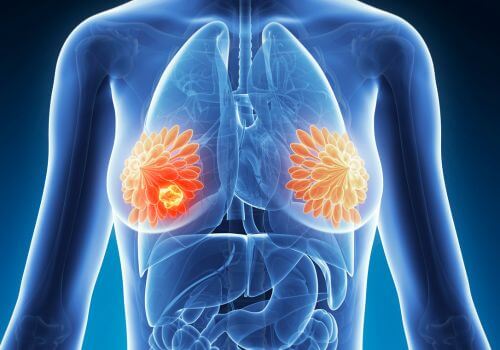
Finding a breast lump can be alarming, but it’s important to remember that most breast lumps are benign (non-cancerous). Up to half of all women will experience breast lumps at some point in their lives, and 60-80% of these are benign. However, any new or changing lump should always be evaluated by a healthcare provider.
Common Benign Breast Lumps in Women Over 40:
As women age, especially after 40, hormonal changes can influence the types of lumps that appear. Some common benign lumps include:
Fibrocystic Changes: This is a very common condition where breast tissue overreacts to normal hormonal fluctuations, leading to lumps, tenderness, and swelling, often before a menstrual period. The lumps may feel smooth and mobile. These changes do not increase breast cancer risk.
Breast Cysts: These are fluid-filled sacs that can vary in size and may feel soft or hard. They are common in women over 35 and often decrease after menopause (unless on HRT). Simple cysts are harmless and usually don’t require treatment unless they are large and cause discomfort.
Fibroadenomas: These are solid, benign tumors made of glandular and fibrous tissue. While most common in younger women (20s-30s), they can occur or persist into the 40s due to hormonal fluctuations or delayed detection. They typically feel rubbery or smooth, are mobile, and usually painless. Simple fibroadenomas do not increase breast cancer risk, though complex ones might slightly.
Intraductal Papillomas: These are small, wart-like growths that develop in the milk ducts, often near the nipple. They are more common in women over 40 and can sometimes cause nipple discharge (which may be clear or bloody). Most do not increase cancer risk, but multiple papillomas or those with atypical cells may slightly increase risk.
Fat Necrosis: This occurs when an area of fatty breast tissue is damaged (e.g., from injury or surgery), forming a firm lump. It is benign and often resolves on its own.
Lipomas: These are slow-growing, fatty lumps that form just under the skin. They are soft, mobile, and usually painless.
Should All Breast Lumps Be Surgically Removed?
No, most benign breast lumps do not require surgical removal. The primary goal when you find a lump is to get an accurate diagnosis to rule out cancer. This typically involves a “triple assessment” that consists of a Clinical breast exam, which is a physical examination by a doctor, Imaging, which is either a Mammogram and/or ultrasound (and sometimes MRI).
In addition, there will be a Biopsy if the imaging is inconclusive or suspicious. During a needle biopsy, a fine needle aspiration or core needle biopsy is performed. This is to get a tissue sample for microscopic examination and although it can cause some discomfort, most women report only mild to moderate pain for a short moment.
If the triple assessment confirms a lump is benign and shows no concerning features, it is often monitored with regular follow-up exams and imaging rather than immediate surgical removal.
When Should You Opt for Surgical Removal Even if a Lump is Benign?
Although it is not always necessary, doctors may recommend the surgical removal of a benign breast lump in specific situations, like:
Large Size or Rapid Growth: If a benign lump, such as a fibroadenoma, is very large or is growing quickly, removal may be recommended to prevent it from causing significant breast distortion or discomfort.
Pain or Discomfort: If a benign lump is causing persistent pain, tenderness, or significant discomfort that impacts your quality of life, surgical removal can provide relief.
Cosmetic Concerns: Some women may choose to have a benign lump removed for cosmetic reasons, especially if it’s visible or affects the breast’s appearance.
Patient Anxiety: Even with a confirmed benign diagnosis, some women experience ongoing anxiety about having a lump in their breast. In such cases, surgical excision can offer peace of mind.
Atypical Features or Inconclusive Biopsy: If a biopsy shows “atypical” cells (cells that are not cancerous but are abnormal and could potentially become cancerous over time), or if the biopsy results are inconclusive, surgical removal may be performed to ensure a definitive diagnosis and remove any potentially problematic tissue.
Certain Types of Benign Lumps: Some benign tumors, like phyllodes tumors, even if initially benign, have a tendency to grow rapidly and can recur or, in rare cases, become malignant.
For this reason, even benign phyllodes tumors are typically removed with a wide margin of healthy tissue. Intraductal papillomas, especially if multiple or associated with atypical cells, may also be removed.
Difficulty in Monitoring: If a lump’s location or characteristics make it difficult to monitor effectively with imaging, removal might be considered.
Therefore it is crucial to have an open discussion with a healthcare provider you trust about the specific characteristics of your lump, your personal risk factors, and your preferences to make an informed decision about the best course of action.
6. The Therapeutic Touch: Benefits of Breast Massage
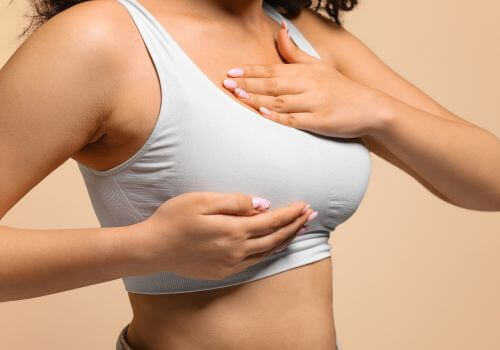
Beyond its use in breastfeeding, breast massage offers several potential benefits for general breast health and well-being.
Benefits of Breast Massage:
Improved Lymphatic Drainage: Gentle massage can stimulate the lymphatic system, which helps remove waste products and reduce fluid accumulation, potentially easing swelling.
Pain Relief: For some, breast massage can alleviate discomfort associated with hormonal changes, fibrocystic breasts, or general soreness.
Increased Body Awareness: Regular self-massage helps you become more familiar with your breast tissue, making it easier to notice any unusual changes.
Relaxation and Stress Reduction: The act of massage can be calming and promote a sense of well-being, releasing hormones like oxytocin.
Improved Circulation: Massage can enhance blood flow to the breast tissue.
How to Perform (General Technique):
- Use a gentle, non-irritating oil or lotion.
- Start with light, circular motions, covering the entire breast area, including the armpit and up to the collarbone.
- Vary the pressure from light to medium to feel different depths of tissue.
- You can also use gentle strokes towards the armpit to encourage lymphatic flow.
- Listen to your body; the massage should always feel comfortable and never painful
Involve Your Partner:
Enhanced Bonding and Intimacy: Partner breast massage can be a deeply intimate experience, fostering connection and communication within your relationship. The act of caring touch can strengthen emotional bonds and create a shared sense of well-being.
Increased Comfort and Relaxation: For some, having a partner perform the massage can lead to deeper relaxation, as they can fully surrender to the experience without the effort of self-massage. This can amplify the stress-reducing benefits.
Another Pair of Hands for Awareness: A partner can also become familiar with the normal feel of your breasts, potentially aiding in the early detection of any changes. This shared awareness can be empowering and provide an additional layer of support in your breast health journey.
Open Communication: Engaging in partner breast massage can open up conversations about body image, health, and intimacy, strengthening communication within the relationship.
7. Fueling Breast Health: Strategic Nutrition for Wellness

Your dietary nutrition choices play a significant role in your overall health, including breast health. A nutrient-rich diet can help reduce inflammation, regulate hormones, and support cellular health.
Fruits and Vegetables: Rich in antioxidants (like carotenoids, vitamins C and E) and fiber. Aim for a wide variety, especially dark leafy greens, cruciferous vegetables (broccoli, cauliflower, cabbage), and berries. Antioxidants help protect cells from damage, and fiber aids in eliminating excess estrogen.
Healthy Fats: Incorporate sources like olive oil, avocados, nuts, and seeds, which contain beneficial fatty acids (e.g., omega-3s). Some studies suggest omega-3s may have anti-inflammatory properties that could be protective.
Lean Proteins: Include lean meats, poultry, fish (especially oily fish rich in Vitamin D and omega-3s like salmon and tuna), eggs, beans, and lentils. Some studies suggest a diet with more plant-based protein may be beneficial.
Fiber-Rich Foods: Whole grains, legumes (beans, lentils), fruits, and vegetables are excellent sources of fiber, which can help regulate estrogen metabolism and eliminate toxins.
Soy Foods (in moderation): While past concerns existed, current research suggests that healthy soy foods like edamame, tofu, and tempeh are safe and may even have protective phytonutrients (isoflavones) that could help prevent cancer.
Limit Processed Foods, Red/Processed Meats, and Added Sugars: These have been linked to increased inflammation, weight gain, and higher breast cancer risk.
Vitamin D Levels: Some research suggests a potential link between low vitamin D levels and increased breast cancer risk. Ensure adequate vitamin D intake through sunlight exposure, diet, or supplements, as advised by your doctor.
8. Moving for Health: The Essential Role of Physical Activity

Regular physical activity is a powerful tool for breast health, influencing hormone levels, immune function, and weight management.
Regular Physical Activity: Engaging in regular exercise (e.g., at least 150 minutes of moderate-intensity activity or 75 minutes of vigorous activity per week) can help reduce breast cancer risk.
Exercise helps regulate hormone levels, particularly estrogen, and can improve insulin sensitivity, both of which are linked to breast cancer risk. It also boosts your immune system and reduces inflammation.
Maintain a Healthy Weight: Being overweight or obese, especially during and after menopause, is linked to an increased risk of breast cancer, according to a study.
Fat cells produce estrogen, and higher estrogen levels can fuel certain types of breast cancer. Regular physical activity, combined with a healthy diet, is key to achieving and maintaining a healthy BMI.
9. The Mind-Body Connection: The Impact of Sleep and Stress

Often overlooked, the quality of your sleep and your ability to manage stress are integral components of overall health, including breast health.
Sleep and Circadian Rhythms:
Hormonal Balance: Sleep disruptions, especially those affecting your circadian rhythm (your body’s internal clock), can lead to hormonal imbalances.
Melatonin, a hormone that regulates sleep and has anti-cancer properties, can be suppressed by irregular sleep schedules or exposure to light at night. Lower melatonin levels have been linked to an increased risk of breast cancer.
Cell Repair and Immune Function: Adequate, restorative sleep is essential for the body’s ability to repair DNA damage and maintain a robust immune system, both crucial for preventing abnormal cell growth. Chronic sleep deprivation can weaken these protective mechanisms.
Stress Management:
Inflammation and Hormones: Chronic stress can lead to increased levels of stress hormones like cortisol, which can promote inflammation and potentially influence hormone-sensitive breast cells.
While the direct link between stress and breast cancer is complex and still being researched, managing stress supports overall well-being and a healthier internal environment.
Lifestyle Choices: Stress can also lead to unhealthy coping mechanisms like overeating, increased alcohol consumption, or smoking, all of which negatively impact breast health.
Tips for Better Sleep and Stress Management: Prioritize 7-9 hours of quality sleep per night, establish a consistent sleep schedule, create a relaxing bedtime routine, and minimize screen time before bed. For stress, incorporate practices like meditation, yoga, deep breathing exercises, spending time in nature, or engaging in hobbies you enjoy.
10. Protecting Your Environment: Reducing Toxin Exposure
While not always immediately apparent, exposure to certain environmental factors and chemicals can subtly impact breast health over time. Being mindful of your environment is a proactive step.
Endocrine Disrupting Chemicals (EDCs):
Many everyday products contain EDCs, which are chemicals that can interfere with the body’s endocrine (hormone) system. Some EDCs mimic estrogen, potentially influencing breast tissue. Examples include:
- Phthalates: Found in some plastics, cosmetics, and personal care products.
- Parabens: Used as preservatives in cosmetics and personal care items.
- BPA (Bisphenol A): Found in some plastic containers and can linings.
- Pesticides: Residues can be found on non-organic produce.
Reducing Exposure:
Choose BPA-free plastics: This is the time to go green! Opt for glass or stainless steel containers for food and drinks.
Read cosmetic labels: Look for “paraben-free” and “phthalate-free” products.
Eat organic: When possible, choose organic fruits and vegetables to reduce pesticide exposure.
Filter your water: Consider a water filter to remove contaminants.
Limit alcohol consumption: Even moderate alcohol intake is associated with an increased risk of breast cancer. If you drink, limit consumption to no more than one alcoholic beverage per day for women. Alcohol can increase estrogen levels and damage DNA.
Avoid smoking: Smoking is a known risk factor for many cancers, including breast cancer. It introduces numerous carcinogens into the body that can damage cells and promote cancer growth. Quitting smoking is one of the most impactful steps you can take for your health.
III. Finding Your Personal Balance: An Empowering Conclusion
Navigating breast health, especially as a woman over 40, is a journey of self-awareness and proactive care. While the “bra or no bra” question is a personal choice influenced by comfort, style, and social context, it’s just one small piece of a much larger picture.
The true secrets to breast health lie in a holistic approach: understanding your body, embracing regular screenings, making informed lifestyle choices, and advocating for your well-being. By integrating these 10 critical secrets into your life, you empower yourself with knowledge and take significant steps towards a healthier, more confident future.
Always remember to discuss your individual health needs and screening schedules with your healthcare provider.