10 Signs of Stress You Shouldn’t Ignore (Especially If You’re Over 40)

Stress is a natural part of life. It’s something we all experience from time to time. But sometimes, we don’t fully realize just how much stress is affecting our bodies. When stress becomes ongoing or overwhelming, it can begin to impact your health in deeper, less obvious ways — often through how your nervous system responds to stress.
As we move through midlife, these effects can become more noticeable and harder to ignore. That’s why it’s so important to listen to your body and recognize the signs of stress before they build up.
In this guide, we’ll walk through 10 common stress signals women over 40 may experience. While this article focuses on women during midlife and menopause, many of these stress responses can affect men as well.
1. Frequent Illnesses: Stress Weakens Your Immune System

If you find yourself catching every cold or bug that comes your way, stress may be playing a role. When you’re under ongoing pressure, your body releases hormones like cortisol, which can suppress the immune system. This makes it harder for your body to fight off infections.
If you’re feeling run down more often than usual, it may be a sign that your system needs a little more support.
What to Do:
Focus on strengthening your immune system through nourishing foods (like vitamin C, zinc, and antioxidants), staying well hydrated, and getting enough rest.
You can also gently support your body through practices that calm your nervous system, such as meditation, yoga, or simply creating small moments of rest throughout your day.
If you’d like a deeper guide, these natural ways to boost your immune system can help you get started.
2. Digestive Troubles: Stress Can Mess with Your Gut
Stress can play a significant role when it comes to digestive issues. When you’re under pressure, your body may produce excess stomach acid, which can lead to heartburn, acid reflux, or stomach discomfort. Chronic stress can also contribute to low-grade inflammation throughout the body over time.
In some cases, stress can also disrupt normal digestion, contributing to symptoms like diarrhea or constipation. Stress may also influence the balance of your gut microbiome during menopause, which can affect digestion, inflammation levels, and even emotional resilience through the gut-brain connection.
What to Do:
If your digestion feels off during stressful periods, try focusing on smaller, more regular meals, avoiding overly acidic foods, and slowing down while you eat.
Drinking calming teas like peppermint or chamomile can gently support your digestive system. You can also explore simple relaxation practices like autogenic training or gentle breathing exercises to help your body settle and support digestion more naturally.
If you’d like to understand this connection more deeply, your gut health plays an important role in how your body responds to stress.
3. Loss of Libido: Stress and Cortisol Can Affect Your Desire

Stress can have a significant impact on your libido. The stress hormone cortisol can interfere with the hormonal signals that support your natural desire.
If you’ve noticed a shift in your interest in intimacy or feel less connected to your body, ongoing stress may be one of the underlying factors.
What to Do:
Manage stress through mindfulness practices, gentle movement, and open communication with your partner. Taking time for self-care and relaxation can make a meaningful difference in how your body responds.
You may also consider supportive options like adaptogenic herbs such as ashwagandha or rhodiola, which can help your body adapt to stress and support overall well-being.
4. Sleep Disturbances: Stress Keeps You Up at Night

Stress doesn’t just affect your mood — it can also interfere with your sleep. If you find yourself tossing and turning, waking during the night, or struggling to fall back asleep, your stress levels may be playing a role.
Ongoing stress can raise cortisol levels, which may disrupt your natural sleep cycle, leaving you feeling tired and less restored the next day. Some women also notice stress-related symptoms, such as jaw clenching, dry mouth, or tooth sensitivity, becoming more pronounced during stressful periods. Sleep disruption is one of the most common ways stress affects both women and men, particularly during periods of hormonal change, such as andropause.
What to Do:
Create a simple, calming bedtime routine that signals to your body that it’s safe to rest. This might include meditation, gentle breathing, or a warm bath.
If you find yourself waking during the night — for example due to bladder leakage or nighttime urgency — it can be helpful to gently guide your body back into a relaxed state rather than becoming frustrated or alert.
Try to limit screen time before bed, as blue light can interfere with your natural sleep rhythm. And if sleep challenges continue, it can be helpful to speak with a healthcare professional for additional support.
If stress-related sleep disruption is made worse by night sweats or overheating, improving your bedroom comfort with simple cooling tools such as cooling pillows may also help your body settle more easily at night.
5. Skin Breakouts: Stress Can Affect Your Skin
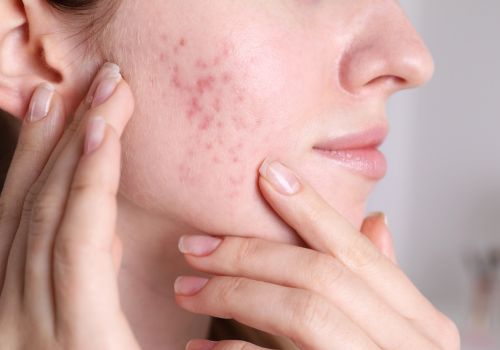
Have you noticed your skin flaring up during stressful times? Stress can increase oil production, which may lead to breakouts, irritation, or changes in your skin’s overall balance.
For women over 40, this can feel especially frustrating, as your skin is already adapting to hormonal changes during menopause.
What to Do:
To support your skin during stressful periods, focus on a gentle, consistent routine using skincare products that support your skin’s balance.
Incorporating calming ingredients like aloe vera or tea tree oil can help soothe irritation, while simple habits like regular movement, relaxation, and rest can support your skin from within.
6. Increased Hair Loss: Stress Affects Your Locks
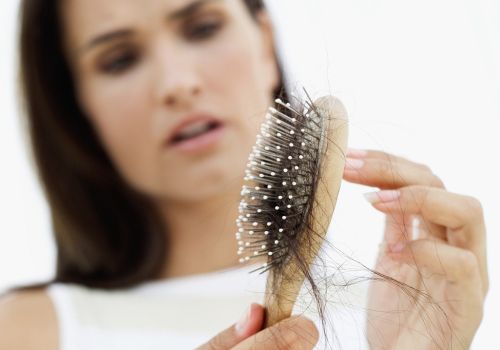
If you’re noticing more hair in your brush than usual, stress may be playing a role. Chronic stress can raise cortisol levels, which may disrupt your hair growth cycle, leading to thinning or increased shedding.
For women over 40, this can feel especially concerning, as hair is already responding to natural hormonal changes. Many women also begin paying closer attention to what hair really needs after 50, including scalp health, protein intake, stress regulation, and nutrient support during menopause.
What to Do:
Support your hair from within by focusing on a balanced diet rich in nutrients like biotin, iron, and zinc.
You can also explore gentle stress-relief practices such as massage, mindfulness, or aromatherapy, which may help your body return to a more balanced state.
If hair changes continue, it can be helpful to explore this in more detail — this guide to hair loss during menopause can help you understand possible causes and next steps.
7. Thinning Eyebrows: Stress May Affect Your Brow Game Too
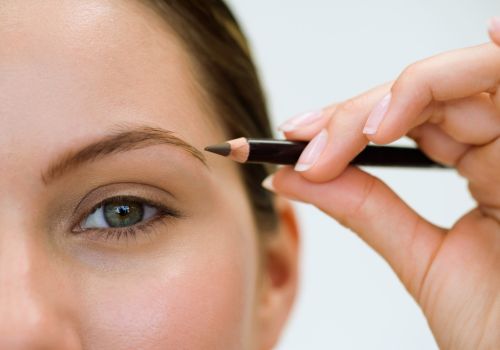
Stress doesn’t just affect the hair on your head — your eyebrows can become thinner as well. If you’re noticing sparse areas or small gaps, stress may be one of the contributing factors.
Elevated cortisol levels can influence hair follicles, including those on your face, which may lead to reduced growth over time.
What to Do:
Care for your brows gently by using nourishing oils like castor oil or coconut oil, which can help support healthy hair growth.
It’s also worth keeping in mind that past habits can play a role — for example, if your eyebrows were heavily overplucked in the past (a very thin brow shape was once quite popular), regrowth may be slower or more limited in those areas.
Continue supporting your body through stress-reducing practices, and if changes persist, consider consulting a dermatologist to rule out other causes such as nutritional deficiencies or skin conditions like eczema.
8. Weight Fluctuations: Stress Can Lead to Weight Changes
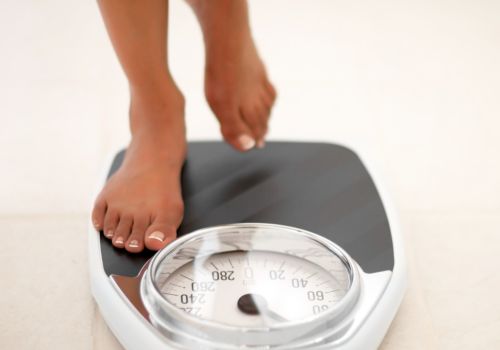
Stress can affect both your appetite and your eating habits. Some women may reach for comfort foods like chocolate or chips during stressful periods, while others may lose their appetite altogether. Celebrations such as Thanksgiving and Christmas can make mindful eating more difficult, especially when stress, large portions, and rich foods all come together.
Either way, stress can become a significant factor in menopause weight gain, especially when your body is already adapting to midlife changes.
Many women also notice that stress quietly reinforces unhealthy coping patterns over time, which is why learning how to break bad habits gently and realistically can become an important part of long-term menopause wellness.
What to Do:
To support your body, focus on balanced, nutrient-rich meals that include fiber, lean protein, and healthy fats.
Practices like mindful eating and gentle portion control can help you stay more in tune with your body’s needs, rather than reacting to stress-driven habits.
It can also be helpful to understand how your gut health influences both cravings and metabolism, especially during menopause.
9. Tension Headaches: Stress Tightens Muscles
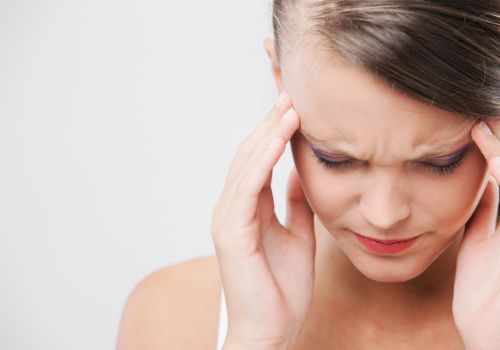
If you’ve ever experienced a tension headache, you know how uncomfortable they can feel. Stress often shows up physically by tightening muscles in the neck, shoulders, and head.
Over time, this tension can build and lead to persistent headaches that are difficult to relieve.
What to Do:
Gentle stretching or yoga can help release built-up tension in the body. You might also find relief through practices like Indian head massage or using a warm compress on tight areas.
Taking regular breaks throughout the day — even just a few minutes to pause and breathe — can help your body reset and reduce the frequency of tension headaches.
Some women also explore nutrients such as magnesium to support muscle relaxation, sleep quality, and nervous system balance during stressful periods.
10. Shortness of Breath: Stress Affects Your Breathing

Stress can cause your heart rate to increase and your breathing to become shallow and quick. If you notice you’re feeling short of breath or find yourself panting when under pressure, it may be a sign that your body is responding to stress.
What to Do:
When your breathing becomes shallow, take a moment to slow it down. Inhale gently through your nose, pause briefly, and exhale slowly through your mouth.
This kind of conscious breathing can help regulate your breath and bring your body back into a calmer, more balanced state.
Conclusion: Don’t Let Stress Take Over Your Life

As we move through midlife, the impact of stress on our health can become more noticeable — especially for women over 40. Many of these symptoms can be easy to dismiss as part of everyday life, but they may be your body’s way of asking for a little more support and attention.
Taking time to understand what your body is experiencing and creating simple, supportive habits can make a meaningful difference. With the right tools and a gentle, consistent approach, you can begin to bring your system back into balance and protect your health — both physically and emotionally.
If you’re experiencing several of these signs at once, it can help to step back and see the bigger picture. This complete menopause symptoms guide walks you through the most common patterns and what they mean for your body: Menopause Symptoms Part 1, the complete guide.
Related Lillepin Research
P1-006 → Read the full article: Could Loneliness Affect Memory and Thinking During Perimenopause?
P1-049 → Read the full article Scientists Finally Start to Understand Menopause Brain Fog