Menopause, Allergies, and Hayfever: Why They Can Feel Worse After 40

Menopause hayfever symptoms can feel confusing, especially when allergies suddenly worsen after 40. Do your allergies suddenly feel worse than they used to? Or are you reacting to things you never reacted to before?
You’re probably not imagining it.
For many, spring is the most beautiful time of year. The days get longer, everything feels lighter, and nature slowly comes back to life. Trees begin to bloom, flowers open, and the air carries that fresh, hopeful feeling of a new season. It’s also the time when many women feel the urge to reset — to support their body, lighten the load, and gently rebalance after the winter months.
But along with all that beauty comes something less welcome.
Pollen levels rise, grasses release tiny particles into the air, and even a gentle breeze can carry triggers that set off sneezing, itchy eyes, and that all-too-familiar “hayfever feeling.”
For many women in midlife, this is the moment something feels different.
What used to be mild or manageable suddenly feels stronger — or appears for the first time.
And naturally, the question comes up:
Is this hayfever… or could it be menopause?
The answer is: it could be a combination of both.
Hormonal changes during menopause don’t just affect your cycle — they also influence your immune system, your inflammation levels over time, and how your body reacts to everyday triggers like pollen.
At the same time, it’s important to know that hayfever can develop at any stage of life. Even if you’ve never struggled with allergies before, they can appear suddenly and without warning.
Understanding this connection can bring a huge sense of relief — and help you respond in a way that actually works
Table of Contents
Why Allergies Can Change During Menopause
During menopause, estrogen levels fluctuate and gradually decline.
Estrogen doesn’t just affect reproduction — it also plays a role in:
- regulating your immune system
- controlling inflammation
- stabilizing how your body reacts to environmental triggers
As estrogen drops, your system can become more sensitive and reactive.
This can show up in different ways:
- Existing allergies may feel stronger and more difficult to manage
- Symptoms may last longer and feel more intense than before
- New sensitivities or allergies can develop unexpectedly
During the menopausal transition, some women may find that their body suddenly starts reacting in ways that feel like hay fever — even if they’ve never experienced anything like it before.
The Estrogen–Histamine Connection (The Missing Link)
One of the most overlooked pieces of this puzzle is histamine.
Histamine is a natural chemical your body releases as part of its defence system. It helps your immune system respond to things like pollen, irritants, or even insect bites.
This is what causes symptoms such as sneezing, itchy eyes, swelling, a runny nose, and itchy skin — not because your body is “failing,” but because it is trying to protect you.
Estrogen, on the other hand, helps keep histamine balanced and under control.
When estrogen levels fluctuate during the menopausal transition, this balance can shift. The body may release histamine more easily or react more strongly than before, making symptoms feel more intense or harder to manage.
This is why midlife can suddenly feel like:
“Why am I reacting to everything all of a sudden?”
A simple way to understand this is to think about insect bites. When you’re bitten, your body releases histamine, which causes itching and swelling. If you have many bites at once, the reaction can feel much stronger — and this is often when antihistamine tablets help, because they block the effects of histamine.
Similarly, during menopause, your body may respond more strongly to everyday triggers like pollen — even if those triggers never bothered you before.
Why Menopause Hayfever Can Feel Worse After 40
Even if you’ve had hay fever before, menopause hayfever can amplify your body’s reaction, making it more sensitive to triggers like pollen and environmental irritants.
This happens because your body is going through several changes at the same time. Your immune system may become more reactive, and inflammation levels can rise.
As estrogen levels decline during the menopausal transition, mucous membranes can become drier and more sensitive — similar to the changes many women notice with vaginal dryness.
This means that areas like your nose, eyes, and throat may react more strongly to irritants like pollen than they used to.
As a result, these areas may respond more strongly to pollen than they used to, so the same exposure that once felt manageable can now feel overwhelming.
Interestingly, some research suggests that menopause itself does not necessarily increase the likelihood of being diagnosed with allergies such as hay fever.
However, this doesn’t mean your symptoms aren’t real or that nothing has changed.
Studies like these typically look at diagnosed conditions — not how sensitive or reactive the body feels. During menopause, shifts in hormones, inflammation, and mucous membrane sensitivity can make your body respond more strongly to triggers, even if you haven’t developed a new allergy in the clinical sense.
In other words, it’s not always about having “more allergies” — but about how your body reacts to them.
Menopause or Hayfever: How to Tell the Difference

This is where many women feel confused, especially when navigating multiple menopause symptoms.
Menopause hayfever or hormonal symptoms can overlap, making it difficult to know what’s really going on. The table below can help you spot the difference more easily — even if hay fever is something you’ve never experienced before.
| Signs it’s likely hayfever | Signs that hormones may be involved |
| Symptoms are seasonal | Symptoms are constant, not seasonal |
| Worse outdoors or on windy days | Symptoms appear without a clear trigger |
| Sneezing in bursts | Dry or burning eyes (not just itchy) |
| Itchy eyes, nose, or throat | Irritated or sensitive nose |
| Clear runny nose | New sensitivities you never had before |
| Triggered by pollen or environment | Symptoms began during perimenopause or menopause |
If you’re not sure what’s behind your symptoms, or if they are persistent or concerning, it’s best to check with your doctor or healthcare provider to better understand what’s going on.
When It’s Both (The Most Common Scenario)
For many women, it’s not one or the other.
It’s both.
Menopause can increase your body’s sensitivity, while seasonal triggers like pollen can further intensify the response.
That’s why symptoms can suddenly feel:
- more intense
- harder to control
- or different from what you remember
How to Support Your Body Naturally

Instead of solely suppressing symptoms with antihistamines, which are often available over the counter, it can be helpful to support the underlying systems involved. When your body feels more balanced, it often reacts less intensely to triggers.
At the same time, while antihistamines can be helpful, it’s worth being aware that they may interact with certain medications, such as sleep aids, some antidepressants, certain blood pressure medications, or alcohol. They can also cause drowsiness in some people, so it’s best to use caution when driving or operating machinery.
If you’re unsure, it’s always a good idea to check with your doctor or pharmacist.
🌿Calm the histamine response
Certain nutrients can help support a more balanced histamine response, including:
- Quercetin (a natural antihistamine that does not usually cause drowsiness, but may interact with some medications)
- Vitamin C
🌿Support the nervous system
Your nervous system plays an important role in how your body reacts to stress and environmental triggers. Supporting it can help reduce overall sensitivity.
- Magnesium glycinate (known for its calming effect on the nervous system)
- Gentle stress regulation (such as breathing exercises, relaxation techniques, or practices like autogenic training) can help calm your system and reduce overreactivity.
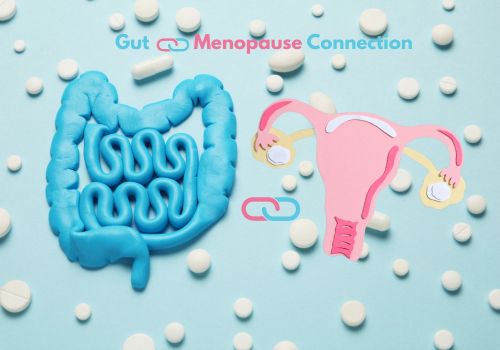
🌿Strengthen gut health
Your gut plays a central role in immune balance and inflammation. In fact, a large part of your immune system is closely linked to your gut.
When gut health is supported, the body is often better able to regulate inflammation and respond more calmly to triggers, including allergens.
You can support your gut in simple ways:
- Eating a varied, fibre-rich diet (vegetables, fruits, whole foods)
- Including fermented foods such as yogurt, kefir, or sauerkraut
- Considering probiotics, especially during times of increased sensitivity
- Reducing highly processed foods, which can disrupt gut balance
A well-balanced gut can also help the body break down histamine more effectively, which may reduce how strongly you react to certain triggers. Small, consistent changes can help your body respond more steadily over time.
If you’d like to explore this in more detail, you can find a deeper guide on gut health and menopause here.
🌿Simple lifestyle support
Small daily habits can also make a noticeable difference:
- Using an air purifier indoors can help reduce the overall pollen load in your living space — especially in bedrooms where you spend many hours.
- Nasal rinses (especially during high pollen days) with a gentle saline (saltwater) solution can help flush out pollen and soothe irritated nasal passages.
- Medicated nasal sprays (including some that contain steroids, as well as decongestants) can be helpful in the short term, but are not intended for regular unsupervised use, as overuse may dry out the nasal passages or lead to rebound congestion.
You can also support your body with a few simple adjustments:
- Keeping windows closed during peak pollen times
- Limiting time outdoors when pollen levels are high (especially on windy days)
- Showering after being outdoors
- Leaving shoes at the entrance to avoid bringing pollen inside
- Changing clothes after spending time outdoors, especially in grassy or natural areas
- Wearing sunglasses to help protect your eyes
- Tying hair back and washing it in the evening during high pollen days
To support your body further, it can also help to stay well hydrated and avoid overly dry indoor air, as dryness can make mucous membranes more sensitive.
When to Seek Medical Advice
If your symptoms are severe, don’t improve, or begin to significantly affect your daily life, it’s worth speaking to a doctor.
They can help rule out other possible causes, such as sinus issues, chronic allergies, or other underlying conditions.
Getting the right support can make a big difference in how you manage your symptoms.
Conclusion

If your body suddenly feels more sensitive in midlife, there is usually a reason.
Menopause is not just about hormones — it’s a whole-body shift that also affects your immune system.
Understanding this connection can help you stop second-guessing yourself and start responding in a way that truly supports your body.
Because you’re not “imagining things” — your body is simply changing, and learning how to listen to it is where real relief can begin.