Menopause Bloating: 19 Effective Fixes for Relief

Menopause bloating… That uncomfortable, puffy feeling. If everything suddenly feels too tight and uncomfortable, you´re not alone. This is just one of many symptoms women can experience during this transition.
What many women don’t realize is that bloating is not just about digestion; it’s also closely linked to how your nervous system regulates stress, gut motility, and hormonal changes during menopause.
Anxiety and chronic stress can also affect digestion and gut sensitivity, which is why some women notice bloating worsening during periods of heightened menopause anxiety.
Bloating is a common and frustrating symptom for 63% of women navigating perimenopause and menopause. But what if the underlying causes are more surprising than you think?
In this comprehensive guide, we will dive deep into the unexpected culprits that might be contributing to menopause bloating. From seemingly innocuous dietary choices to hidden stressors in your daily life, this article uncovers the factors that could be sabotaging your digestive peace.
Understanding these surprising causes not only empowers you to take control of your well-being but also opens the door to practical, long-term solutions. Get ready to reclaim your comfort and confidence, one surprising cause at a time.
Table of Contents
Understanding Menopause Bloating: The Science Behind the Sensation
Menopause bloating is a common condition characterized by a feeling of fullness, tightness, or swelling in the abdomen. It is often accompanied by visible distention, where the stomach appears larger than usual. This can be especially noticeable after large, rich meals during celebrations such as Thanksgiving and Christmas.
You feel like you´re 6 months pregnant (or more). While it can be uncomfortable and sometimes painful, it’s important to understand that it is a symptom rather than a disease itself. Bloating can result from a variety of factors, including diet, lifestyle, and underlying medical conditions, each contributing to the buildup of gas or other substances in the digestive tract.
Menopause bloating is rarely caused by just one factor. It’s often part of a wider pattern of changes affecting digestion, hormones, and the nervous system during this stage of life. If you want to understand how bloating fits into the bigger picture — and what other symptoms may be connected — you can explore the full guide here: Menopause Symptoms Part 1: The Complete Guide
The Digestion Process

The process of digestion is a complex and finely tuned operation involving many organs, including the stomach, intestines, liver, and pancreas. When food is ingested, it is broken down by enzymes and acids. During this process, gases like carbon dioxide, hydrogen, and methane can be produced as by-products.
These gases can accumulate and cause the abdomen to expand, leading to the sensation of bloating. Additionally, factors such as the speed of digestion, gut motility (the movement of food through the digestive tract), and the balance of gut bacteria can all influence the extent to which bloating occurs. By identifying the specific triggers and mechanisms behind bloating, you can take targeted steps to alleviate your symptoms and regain control.
Why Menopause Bloating Hits Harder
Menopause bloating isn’t just about the food on your plate; it’s often deeply connected to the hormonal changes happening within your body. As estrogen and progesterone levels fluctuate and generally decline, the rhythm of your digestive system can be disrupted.
This slowdown allows food to sit in your gut longer, leading to increased fermentation, gas production, and that uncomfortable feeling of being overly full and retaining water. Some women also begin exploring ways to enhance the body’s natural hormone processing pathways through nutrition, liver support, hydration, and lifestyle habits — often referred to as hormone detox support during menopause.
Ongoing low-grade inflammation during menopause may also contribute to digestive discomfort, changes in gut function, and increased sensitivity to certain foods.
Over time, these changes can also affect your metabolism and contribute to insulin resistance, which is why bloating, weight gain, and changes in energy often show up together during menopause.
This means you might feel puffy, tight, or gassy even without changing your regular diet.
For some women living with obesity or type 2 diabetes, healthcare providers may also recommend GLP-1 medications alongside healthy lifestyle changes. Although these medications are primarily used for weight management and blood sugar control rather than bloating itself, improving overall metabolic health may help address some of the underlying factors linked to weight gain and insulin resistance.
A Major Culprit: Lower Estrogen Levels
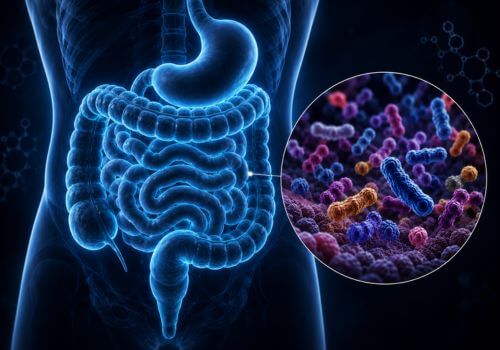
Estrogen plays a significant, though often overlooked, role in gut health. Its decline during menopause can increase the sensitivity of your digestive tract to certain foods and can even alter the delicate balance of bacteria in your gut (your microbiome). This imbalance can lead to increased gas production and bloating.
Stress Inflates

Furthermore, life in midlife can be demanding, and stress is a frequent companion. When stress levels rise, so does cortisol, the primary stress hormone.
Cortisol can have a direct and powerful impact on your gut, causing it to tense up and slowing down the movement of food through your system, contributing to bloating and discomfort. The link between your brain and your gut, known as the gut-brain axis, explains why stress has such a direct and immediate impact on your digestive health.
Common Misconceptions About Menopause Bloating
One of the most pervasive misconceptions about menopause bloating is that it is solely caused by overeating or consuming gassy foods. While it is true that eating large meals or certain types of foods can contribute, this is only part of the picture.
Many people assume that cutting back on food intake or avoiding beans and carbonated drinks will completely resolve their bloating issues. However, this approach often overlooks other significant factors that can play a role, from hormonal shifts to stress levels.
The Truth Behind Common Myths
Another common myth is that menopause bloating is always related to gastrointestinal problems. While digestive issues such as irritable bowel syndrome (IBS) and small intestinal bacterial overgrowth (SIBO) can indeed cause bloating, there are numerous other potential causes that extend beyond the digestive system.
For instance, hormonal fluctuations, stress, and even certain medications can lead to bloating. Many people think bloating is connected with weight gain. Although bloating is not a direct cause of long-term weight gain, they are often linked to the same underlying issues. Think of it like blowing up a balloon. The air inside makes the balloon bigger, but it doesn’t make the balloon itself heavier.
Debunk Misconceptions
Focusing exclusively on the digestive tract may result in missed opportunities to address the real underlying causes. Some people also believe that menopause bloating is an inevitable part of aging or certain life stages.
While hormonal changes can influence bloating, accepting it as an unavoidable consequence can prevent you from seeking effective solutions. By debunking these misconceptions, you can better identify the root causes and take more comprehensive measures to manage and prevent it.
Quick Relief: Find Comfort Fast
When that bloated feeling strikes and you need your belly to calm down now, there are several fast-acting strategies you can turn to. These methods are designed to provide relief within hours by soothing your digestive system and helping to release trapped gas.
1. Heat Therapy

A simple microwavable heating pad or hot water bottle can be a game-changer. The gentle heat helps to relax the abdominal muscles, easing cramping and pain associated with bloating.
Promoting blood flow to the area can also help to soothe the digestive tract and encourage gas to move along. This is a non-invasive, comforting way to find relief when you’re feeling tight and uncomfortable. Combining this with calming your nervous system can enhance the effect.
2. Peppermint, Fennel, and Ginger Tea
Sipping a warm cup of tea is a time-honored remedy for an upset stomach. Peppermint contains a compound called menthol, which has natural antispasmodic properties. Both ginger and fennel are natural anti-inflammatories that contain compounds which help to speed up digestion.
This means they can assist in relaxing the smooth muscles of your digestive tract, reducing spasms that lead to cramping and helping to release trapped gas. Enjoy a cup after a meal or whenever you feel bloating coming on.
Stay away from anise or peppermint liquors! Unfortunately, the potential benefits of these herbs are often outweighed by the negative effects of the alcohol and sugar in the liquor itself.
3. Peppermint Oil Capsule
For a more targeted approach, consider an enteric-coated peppermint oil capsule. These capsules are specially designed to bypass the stomach and dissolve in the small intestine. This ensures that the soothing properties of peppermint oil are delivered directly to the source of the problem, helping to relax the gut lining and encourage trapped gas to move along more effectively. This can be particularly beneficial for those with more severe or persistent bloating.
4. Activated Charcoal Capsules
Over-the-counter activated charcoal can absorb some of the gas in your digestive tract, which can provide temporary relief from a bloated, gassy feeling.
5. Gentle Stretching

Movement is a powerful way to get things moving inside your body. Engaging in gentle stretches or yoga poses physically massages your intestines and stimulates the release of trapped gas.
Gentle yoga may help ease bloating. Try the Cat-Cow pose, which involves arching and rounding your spine, or the Wind-Relieving Pose by hugging your knees to your chest. These movements can provide immediate, physical relief from bloating.
6. Gentle Abdominal Massage
Massaging your belly in a clockwise direction supports the movement of gas through your intestines and provides some physical relief.
Short-Term Fixes: Your Daily Action Plan
If menopause bloating keeps making unwelcome appearances, making small, consistent adjustments to your daily habits can lead to a significant difference. These strategies address the more immediate triggers that can cause daily discomfort.
7. Mindful Eating

The way you eat is just as important as what you eat. Eating too quickly can lead to swallowing excess air, a condition known as aerophagia, which contributes to bloating. Practicing mindful eating involves slowing down, chewing your food thoroughly, and focusing on your meal.
A good rule of thumb is to aim for at least 20 to 30 chews per bite, or until the food is a soft, mushy consistency. This simple habit can reduce the amount of air you swallow and help your digestive system work more efficiently. In addition, it also supports better overall gut function.
8. FODMAP Foods
For many people, certain types of carbohydrates known as FODMAPs (Fermentable Oligosaccharides Disaccharides Monosaccharides And Polyols) can be difficult to digest. These fermentable compounds can lead to excessive gas production in the gut.
They are all types of short-chain carbohydrates (sugars and fibers) that are poorly absorbed by your small intestine. Common culprits include certain fruits and vegetables (like onions and garlic), beans, and some dairy products.
Becoming aware of which FODMAPs might be your personal triggers can be a key step in managing your bloating. You don’t have to eliminate them forever, but a short-term reduction may help identify a connection.
9. Magnesium Supplements
Many people are deficient in magnesium. Taking a magnesium supplement (like magnesium citrate) can support regular bowel movements and prevent constipation, a common cause of bloating. Before taking magnesium supplements, check with your healthcare provider.
10. Small Meals

Instead of three large meals, try eating smaller, more frequent meals throughout the day. Large meals can overwhelm the digestive system, putting a strain on your body’s ability to break down food efficiently. Eating smaller meals every few hours maintains a steady digestive rhythm and prevents the feeling of being overly full and bloated.
11. Add Soluble Fiber
Incorporating soluble fiber, such as psyllium husk or chia seeds, helps regulate bowel movements and reduce bloating. Soluble fiber dissolves in water to form a gel-like substance that can slow down digestion and support a healthy gut.
However, it’s crucial to introduce it gradually and drink plenty of water, as adding too much fiber too quickly can initially lead to more gas and discomfort. Some women also find that including naturally bitter foods, such as arugula (rocket), radicchio, chicory, and dandelion greens, may help stimulate digestion and support long-term gut health.
12. Try a Gentle Probiotic
The balance of your gut bacteria, or microbiome, is central to digestive health. An imbalance can lead to increased gas and bloating. Consider adding a gentle probiotic supplement to your routine.
Certain strains of beneficial bacteria, such as Bifidobacterium infantis, have been linked to a reduction in bloating and overall gut discomfort by helping to regulate the gut environment.
Long-Term Prevention: A New Foundation
To keep menopause bloating from becoming a constant companion, focus on these long-term prevention strategies that build a stronger, more resilient digestive system from the inside out.
13. Balance Your Gut Bacteria

Beyond supplements, nurturing a healthy gut microbiome through diet is a powerful long-term strategy. Regularly including probiotic-rich foods in your diet provides your gut with a diverse array of beneficial bacteria.
Think of naturally fermented foods like kefir, sauerkraut, kimchi, and miso. By consuming a variety of these foods, you support a healthy gut environment that is better equipped to handle digestion and prevent gas.
14. Support Vagus Nerve
The vagus nerve is a critical part of your nervous system that acts as the main communication highway between your brain and your gut. When you are stressed or anxious, the vagus nerve’s function can be impaired, slowing digestion and leading to bloating.
Supporting this nerve through calming practices can lead to profound improvements in gut health. Techniques like deep, slow breathing exercises, humming, or gargling can stimulate the vagus nerve and promote a state of “rest and digest,” calming your digestive system. Download your Free Vagus Nerve ebook Here!
15. Manage Your Stress
Chronic stress is a significant contributor to bloating and other digestive issues. When your body is in a constant state of fight-or-flight, it diverts resources away from digestion. Making time for stress management, whether it’s yoga, leisurely walks, journaling, meditation, or spending time on hobbies, is one of the most powerful things you can do for your long-term gut health. Consistency is key to a calm mind and a calm gut.
16. Intermittent Fasting

Intermittent Fasting can be an effective strategy for managing bloating because it gives your digestive system a much-needed rest. By going for an extended period without eating, you allow a process called the Migrating Motor Complex (MMC) to activate.
The MMC acts like a natural “housekeeper,” sweeping out undigested food and bacteria from your gut. This cleansing process reduces the amount of material available for gas-producing fermentation, which in turn helps to significantly reduce bloating and discomfort.
Lifestyle Factors: The Bigger Picture
While diet and hormonal changes are significant, a holistic view of menopause bloating requires looking at your overall lifestyle.
17. Stay Hydrated

Dehydration is a frequently overlooked cause of menopause bloating. When the body is dehydrated, it can retain water as a protective mechanism, leading to bloating and swelling.
Ensuring adequate hydration by drinking plenty of water throughout the day helps to prevent this issue. Additionally, consuming foods with high water content, such as fruits and vegetables, can contribute to overall hydration and reduce the risk of bloating.
18. Prioritize Sleep
Poor sleep quality or insufficient sleep can disrupt the balance of hormones that regulate appetite and digestion, leading to increased menopause bloating. Sleep deprivation can also elevate stress levels, which, as previously discussed, can negatively impact gut health.
Establishing a consistent sleep schedule and creating a relaxing bedtime routine helps you improve sleep quality and reduce bloating.
19. Move Your Body
Sedentary behavior can slow down the digestive process and lead to constipation and bloating. Regular physical activity helps stimulate gut motility, promoting the movement of food and gas through the digestive tract. Incorporating activities such as walking, yoga, or cycling into your daily routine can support digestive health and minimize bloating.
Track Your Triggers
Menopause bloating triggers can be incredibly personal, and what bothers one woman might not affect another. Keeping a simple tracker can help you identify patterns and pinpoint the foods, activities, or even stress levels that seem to correlate with your bloating.
A Final Word on Your Gut
Menopause bloating is a real and frustrating symptom, but it is not a life sentence. By understanding that it’s often a combination of hormonal shifts and lifestyle factors, you can take control. If this feels overwhelming, focus on prioritizing the symptoms that impact you most.
You have the power to calm your gut and find lasting comfort by focusing on quick relief, smart daily habits, and long-term prevention. Say goodbye to the guesswork and hello to a more comfortable, confident you.
Related Lillepin Research
P2-044 — Could Your Gut Influence Estrogen? New Research Suggests It Might
A 2026 PNAS study suggests the gut microbiome may play a larger role in estrogen recycling and hormone regulation than previously understood.
→ Read the full article: Could Your Gut Influence Estrogen? New Research Suggests It Might
P2-040 — Your Gut Does Not Stay the Same After Menopause
New research shows that menopause changes the gut microbiome, reducing bacterial diversity and altering microbes involved in estrogen metabolism, inflammation, and metabolic health. Scientists believe these changes may contribute to many common menopause symptoms and could play an important role in healthy aging.
→ Read the full article: Your Gut Does Not Stay the Same After Menopause.