Breaking Bad Habits: How to Hit Reset and Create Positive Change

We all have them – those pesky habits that seem to cling to us no matter how hard we try to shake them off. Maybe it’s snacking after dinner, hitting the snooze button five times, or endlessly scrolling through your phone late at night. Whatever it is, bad habits can creep into our daily lives and make us feel stuck, frustrated, or even a little defeated.
Breaking Bad Habits is Possible
But here’s the good news: breaking bad habits is totally possible—and it’s easier than you think! After all, it’s never too late to change, and as they say, you can teach an old dog new tricks.
If you’re ready to hit reset, break free from those unwanted habits, and create healthier, more positive routines, this post is for you. We’ll dive into why bad habits are so hard to break, offer some easy-to-follow tips, and show you how making small changes can bring big rewards to your life. Plus, we’ll keep it light and positive with some humor along the way!
Why Are Bad Habits So Hard to Break?
Before we jump into how to break those bad habits, let’s first take a look at why they’re so sticky and how they are formed. It is a lot easier to follow bad habits than good ones. There’s a reason why we keep reaching for that extra cookie or spending an hour on social media when we should be sleeping:
1. They’re Comforting

Bad habits often provide instant gratification or comfort. Whether it’s the pleasure of sugar or the relief from stress, they offer a quick (dopamine) fix. The problem? That fix is temporary, and over time, it can lead to more negative consequences than benefits.
Dopamine – The ¨Feel-Good Hormone¨ or ¨Habit-Former¨
Dopamine is a neurotransmitter in the brain that plays a key role in the reward system. It influences motivation, pleasure, and reinforcement of behaviors. When we engage in activities that bring us joy or relief, such as eating comfort food or checking social media, our brain releases dopamine, creating a feeling of satisfaction.
This quick dopamine surge can become addictive, as the body craves that instant gratification to feel good. However, because the effect is short-lived, we often find ourselves seeking more frequent “fixes” to maintain that temporary comfort. Over time, this cycle can lead to unhealthy patterns and behaviors, similar to addiction, where the pursuit of short-term pleasure overtakes long-term well-being.
For some women, especially during midlife, this dopamine-driven cycle can feel even stronger. If you’ve ever felt like your focus, motivation, or impulse control suddenly changed, it may be worth exploring how this connects to ADHD and menopause.
2. They’ve Become Automatic
Our brains love shortcuts, so once we’ve repeated a behavior enough times, it becomes automatic. For many women in midlife, this can also feel like having “too many tabs open at once,” where mental clutter, distraction, overwhelm, and unfinished tasks start piling up faster than the brain can process them.
You might not even realize you’re doing it. This is why the “habit loop” can be so powerful: trigger → behavior → reward. Studies show that over time, the loop becomes ingrained in your routine, making it harder to break.
3. Lack of Awareness
Sometimes, we’re not even fully aware of our bad habits. We might think, “I just have a sweet tooth” or “I’m too tired to work out,” without realizing that these excuses are keeping us stuck in unhealthy patterns. Without awareness, it’s difficult to make a change.
4. Emotional Triggers
A lot of bad habits are tied to emotions. Stress, boredom, sadness, or even happiness can trigger us to reach for comfort, whether it’s junk food, binge-watching shows, social media, or procrastinating. Emotions act as a “shortcut” to these familiar behaviors, reinforcing them.

This is partly due to how our nervous system processes stress and emotional responses. One important player is the vagus nerve, a key part of the parasympathetic nervous system, which helps regulate our emotional state, heart rate, and digestion. When the vagus nerve is underactive (often due to chronic stress), it’s harder to calm down, pause, and make conscious choices, which makes it easier to fall into old, reactive habits.
5. Lack of Immediate Consequences
Many bad habits don’t have immediate, visible consequences, which makes them harder to break. Sure, that extra glass of wine or late-night snack might not have an instant effect, but over time, these small actions add up, leading to unwanted outcomes.
When there are no consequences for our actions, it becomes easier to form bad habits. Without any negative feedback or reminders, we might continue doing things that aren’t good for us, like skipping exercise, meals, or eating junk food.
For example, if you constantly hit the snooze button in the morning without any repercussions, you might start feeling more sluggish and fall into a pattern of procrastination. This lack of immediate consequences doesn’t show us the impact of our choices, so bad habits become easier to repeat. Over time, these habits can lead to bigger problems making it harder to break the cycle and build healthier routines.
The Benefits of Breaking Bad Habits

Before we get into how to break them, let’s talk about the rewards of kicking those bad habits to the curb. Breaking free from your habits can have a powerful impact on your overall well-being:
Improved Health:
Breaking habits like smoking, overeating, or binge drinking can have immediate benefits on your physical health – better sleep, weight loss, improved energy, and even a lower risk of chronic diseases.
More Energy & Productivity:

Habits like staying up late scrolling through social media or procrastinating can zap your energy and productivity. Breaking these habits opens the door to a more energized, focused you. Imagine you give up just 1 hour per day following a bad habit – That´s just over 15 days per year that you have free to do something that´s good for you!
Increased Confidence:
Successfully breaking a bad habit boosts your self-esteem. You’ll feel empowered, knowing you took control of something that once had a hold on you.
Better Relationships:

If your bad habits affect your relationships – whether it’s stress eating, ignoring your loved ones, or avoiding difficult conversations -breaking those habits can improve your connection with others.
Mental Clarity & Focus:
When we stop engaging in unhealthy habits, we make space for healthier routines. This clarity leads to better focus, clearer goals, and a more positive outlook on life.
How to Break Bad Habits: Simple, Positive Tips
Now that we’ve covered why bad habits are tough and the benefits of breaking them, let’s talk about how to actually make it happen. Breaking a bad habit doesn’t require a huge life overhaul; sometimes, it’s about taking small, manageable steps toward change. Here’s how:
1. Start with Awareness
The first step to breaking any habit is becoming aware of it. Keep a habit journal for a week or two to track your behavior. Ask yourself:
- When do I tend to fall into this habit?
- What triggers it?
- How do I feel before, during, and after?
The more aware you are of your habits and their triggers, the easier it will be to make intentional changes.
2. Replace, Don’t Eliminate
Instead of focusing on eliminating a bad habit (which can feel daunting), try replacing it with a positive one. For example, if you snack late at night, replace it with a healthier habit like drinking a cup of herbal tea or reading a book. The key is to create a healthier “loop” with a positive trigger, behavior, and reward.
3. Take Baby Steps

Trying to break a bad habit overnight can set you up for failure. Instead, break the process down into small steps. If you’re trying to exercise more, start by doing just 10 minutes a day.
If finding time to exercise is one of your biggest challenges, encouraging new research suggests that completing the same total amount of weekly exercise in one longer session may provide similar improvements in body composition and fitness as spreading it across three shorter workouts.
If you’re trying to quit smoking, cut down by one cigarette a day. Small wins will build momentum and help you stay on track.
4. Set Clear, Achievable Goals
It’s easier to break a bad habit when you have a clear, achievable goal in mind. Rather than saying, “I want to stop eating junk food,” make it specific: “I will replace my afternoon snack with a piece of fruit for the next two weeks.” Specific goals are easier to track and feel more rewarding when accomplished.
5. Use the “20-Second Rule”
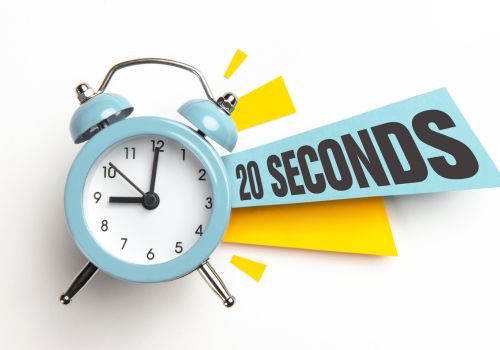
Make your bad habit 20 seconds harder to do. In other words, make it more challenging to engage in the bad habit, while simplifying and reducing the time required to practice the good habit.For example, if you’re trying to quit watching TV late at night, put the remote in another room. If you’re trying to avoid junk food, don’t keep it in the house.
It´s about altering your environment to discourage the bad habit and encourage the good one. Like taking a different route, rearranging your comfort space, or even blocking or putting restrictions on yourself from social media. By making it harder to access the bad habit, you reduce the chance of indulging.
6. Create a Support System
Accountability is key when breaking bad habits. Share your goals with a friend, family member, or online group who can encourage you and check in on your progress. Sometimes, just having someone to cheer you on makes all the difference!
7. Be Kind to Yourself
Breaking habits isn’t easy, and there will be bumps along the way. Don’t be too hard on yourself if you slip up. Remember, progress isn’t linear. It’s normal to have setbacks, but what matters is getting back on track. Be gentle and patient with yourself throughout the process.
8. Celebrate the Wins (No Matter How Small)
Every time you take a step toward breaking a bad habit, celebrate! Whether it’s acknowledging a successful week or treating yourself to something you enjoy (preferably a healthy treat!), celebrating your wins helps reinforce the positive change you’re making.
9. Focus on the Why
When you’re tempted to fall back into an old habit, remind yourself of why you want to change. Whether it’s for better health, more energy, or improved relationships, keeping your “why” in mind will help you stay motivated on the tough days.
What You Gain from Breaking Bad Habits

Breaking free from bad habits isn’t just about avoiding certain behaviors—it’s about creating a new, healthier version of yourself. Here’s what you’ll gain from your efforts:
- Healthier habits that support your well-being and longevity
- More time as you reduce time-wasting activities like excessive TV watching or scrolling through your phone
- Improved relationships as you become more present and engaged with your loved ones
- Increased self-love and self-respect as you prove to yourself that you have the power to change and grow
- A sense of accomplishment every time you successfully resist that old habit, which boosts your confidence and happiness
Ready to break free from your bad habits? Whether you’re starting small or going big, remember that change takes time, but it’s always possible. Take one step today—because you have the power to create the healthy, vibrant life you deserve.
Which bad habit are you ready to tackle first? Let me know in the comments or share your own tips for breaking free from the habits that no longer serve you!
Ready to Discover More Calm?
Discover natural techniques to soothe your nervous system, reduce anxiety, and find inner peace—especially during times of stress or hormonal change. Your essential guide is just a click away!