Fennel for Menopause Symptoms: A Comprehensive Guide

Menopause can feel like an emotional and physical rollercoaster. Hot flashes, night sweats, mood swings, and changes in metabolism can leave many women searching for relief. Thankfully, there are natural remedies that may help ease these symptoms, and fennel is one of them.
While you may know fennel as a fragrant herb commonly used in cooking, it also has a long history of use in herbal medicine, particularly for women’s health. But how does fennel work in the context of menopause, and is it right for you? Let’s dive into all the details about fennel, its potential benefits, side effects, and how it may support your menopausal transition.
What Is Fennel?

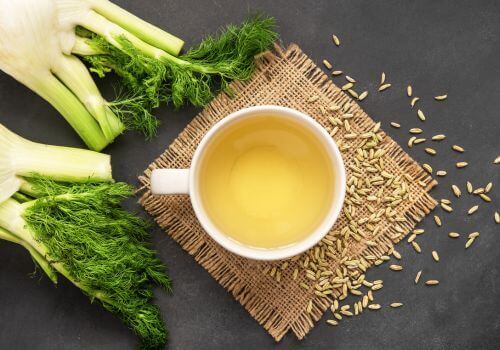
Fennel (Foeniculum vulgare) is a flowering plant in the carrot family (Apiaceae) native to the Mediterranean region. It’s known for its aromatic, licorice-like flavor and is commonly used in culinary dishes, especially in Mediterranean and Indian cuisines. The entire plant – its bulb, fronds, and seeds – has culinary and medicinal uses. In herbal medicine, fennel seeds are the most commonly used part due to their potent medicinal properties.
Fennel seeds are rich in a variety of active compounds, including flavonoids, phenolic compounds, fiber, and essential oils like anethole, which gives fennel its distinctive flavor and aroma. These compounds are believed to support digestive health, hormone balance, and reduce inflammation, making fennel a popular herb for managing menopause symptoms.
Where Does Fennel Grow?

Fennel is native to the Mediterranean region but is now cultivated worldwide, particularly in Europe, Asia, and the United States. It thrives in well-drained soil and prefers a sunny location. Fennel has a long history of use not only as a food but also in traditional herbal medicine. Ancient Egyptians, Greeks, and Romans valued fennel for its digestive and health benefits.
The plant grows to about 4 to 6 feet tall, with feathery fronds resembling dill, and produces yellow flowers that give way to seeds, which are the part of the plant most commonly used in herbal remedies.
How Does Fennel Work for Menopause?

Fennel has a number of compounds that can help balance hormones, which is key during menopause when estrogen levels are fluctuating or declining. One of the most important components of fennel is anethole, an essential oil that mimics estrogen in the body. This is particularly beneficial for women going through menopause, as the decline in estrogen often leads to many of the symptoms we associate with this phase.
The phytoestrogens in fennel help to mimic the action of estrogen on the body’s cells, potentially easing symptoms like hot flashes, mood swings, and vaginal dryness. Fennel also has anti-inflammatory and antioxidant properties, which can help reduce some of the other discomforts of menopause, such as joint pain or fatigue.
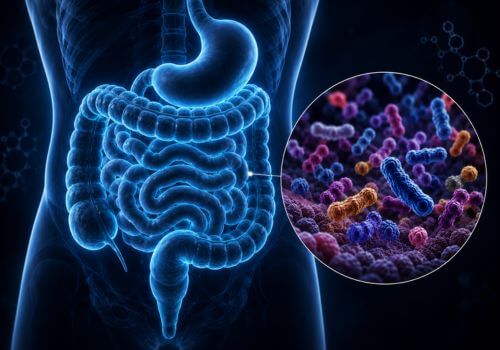
Moreover, fennel supports digestive health, which can be particularly helpful during menopause when hormonal changes can lead to bloating, constipation, and indigestion. Its diuretic properties can help with water retention and bloating, while its fiber content promotes regular bowel movements.
Potential Benefits of Fennel for Menopause Symptoms
Let’s take a closer look at how fennel can potentially help ease menopause symptoms.
1. Hot Flashes and Night Sweats:

Hot flashes and night sweats are two of the most bothersome and common symptoms during menopause. Fennel’s phytoestrogens may help by mimicking estrogen’s effects on the body, potentially reducing the frequency and intensity of these symptoms. Some studies suggest that fennel can help regulate body temperature, which may reduce hot flashes.
2. Hormonal Balance:
During menopause, hormonal fluctuations – particularly the decline in estrogen – can lead to a range of symptoms, from mood swings to vaginal dryness. The phytoestrogens in fennel are thought to act as a mild estrogen substitute, helping to ease these hormonal imbalances.

It may also help alleviate some of the mood-related symptoms of menopause, such as irritability or anxiety.
3. Digestive Support:

Fennel has been traditionally used to aid digestion, and it’s no surprise that it can be helpful during menopause when digestive issues like bloating, constipation, and indigestion become more common.
Fennel seeds are rich in fiber and contain compounds that help relax the muscles in the digestive tract, which can ease bloating and relieve constipation. Its mild diuretic properties may also help reduce water retention and bloating.
4. Improved Sleep:
Sleep disturbances are another common complaint during menopause, often due to hot flashes, night sweats, or anxiety. Fennel’s calming effects on the nervous system may help promote relaxation and improve sleep quality.

Some women use fennel as a natural remedy to help them unwind before bedtime and achieve a more restful night’s sleep.
5. Breast Tenderness:

Many women experience breast tenderness during menopause, which is often linked to hormonal fluctuations. Because fennel can mimic the effects of estrogen, it may help reduce this discomfort.
Some studies suggest that fennel’s estrogen-like activity can help alleviate breast pain and tenderness in some women.
6. Weight Management:
During menopause, many women struggle with weight gain, particularly around the abdomen. Fennel’s ability to promote healthy digestion and reduce bloating can help with the physical changes that contribute to weight gain.

Additionally, fennel can curb appetite by promoting a sense of fullness, which may help with portion control and prevent overeating.
7. Skin Health:

As estrogen levels decrease, the skin often becomes thinner, drier, and less elastic. The antioxidants and anti-inflammatory compounds found in fennel may help support skin health by protecting against oxidative damage, promoting hydration, and reducing signs of aging.
Possible Side Effects of Fennel
While fennel is generally considered safe for most people when used in moderate amounts, it’s important to be aware of potential side effects. Most people tolerate fennel well, but here are some possible considerations:
1. Allergic Reactions:
Though rare, some individuals may be allergic to fennel. Symptoms of an allergic reaction can include skin rashes, itching, or swelling. If you have known allergies to plants in the Apiaceae family (such as carrots, celery, or parsley), you may be more likely to experience an allergy to fennel.
2. Hormonal Sensitivity:
Since fennel contains phytoestrogens, it may have an effect on hormone-sensitive conditions, such as breast cancer or uterine fibroids, which are influenced by estrogen. If you have a hormone-sensitive condition, it’s important to consult with your healthcare provider before using fennel regularly.
3. Gastrointestinal Discomfort:
Some people may experience mild gastrointestinal discomfort, such as bloating or gas, when taking fennel in large amounts. If you’re new to fennel, start with small doses and gradually increase as tolerated.
4. Interaction with Medications:
Fennel may interact with certain medications, especially those related to hormone replacement therapy (HRT) or birth control, due to its estrogen-like effects. It’s always best to consult with a healthcare provider if you’re taking medications that affect hormones or have concerns about possible interactions.
How to Use Fennel for Menopause Symptoms

Fennel is available in a variety of forms, including capsules, teas, tinctures, and essential oils. Here are some of the most common ways to incorporate fennel into your routine:
Fennel Capsules or Tablets:
The most common and convenient way to take fennel is in capsule or tablet form. The typical dosage is 1 to 2 capsules (containing around 500 mg of fennel extract) per day. Always follow the dosage instructions provided by the manufacturer or consult with your healthcare provider.
Fennel Tea:
Fennel tea is a soothing and calming way to incorporate fennel into your daily routine. To make fennel tea, steep 1 teaspoon of fennel seeds in hot water for 10-15 minutes. You can drink 1-2 cups per day, especially in the evening to help with digestion and promote relaxation before bed.
Fennel Tinctures:
Fennel tinctures are concentrated herbal extracts that are typically taken in small amounts, usually 15-30 drops diluted in water or juice, 1 to 3 times a day. Always check the recommended dosage on the tincture bottle.
Fennel Essential Oil:
Fennel essential oil can be used topically in small amounts (diluted with a carrier oil, such as coconut or jojoba oil) to support skin health or relieve tension. Another use of Fennel essential oil is in aromatherapy to promote relaxation and improve mood.
Final Thoughts: Is Fennel Right for You?
Fennel is a versatile herb with a wide range of potential benefits for women going through menopause. Whether you’re dealing with hot flashes, mood swings, digestive issues, or skin changes, fennel may offer natural relief by supporting hormonal balance and overall well-being.
As with any herbal supplement, it’s essential to consult with your healthcare provider before adding fennel to your routine, especially if you have any hormone-sensitive conditions or are taking other medications. If you’re looking for a natural remedy to ease some of the common symptoms of menopause, fennel might be worth considering as part of your wellness toolkit.