7 Great Benefits of Fenugreek for Menopause Symptoms
– A Comprehensive Guide –
Menopause is a transformative phase in a woman’s life, but it doesn’t come without its challenges. Hot flashes, mood swings, weight gain, and sleepless nights are just some of the common menopause symptoms women face.
Thankfully, nature has provided us with several herbal remedies such as flaxseeds and fenugreek to help ease these transitions
This humble herb, often found in kitchens as a spice, has been gaining popularity in the world of menopause management. But does it really work? Let’s take a closer look at this herb, how it might help with menopause symptoms, its potential benefits, side effects, and how to use it effectively.
Table of Contents
What Is Fenugreek?
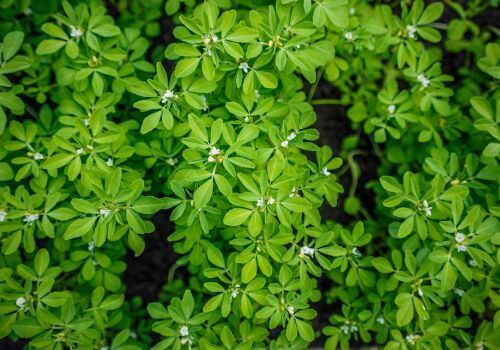
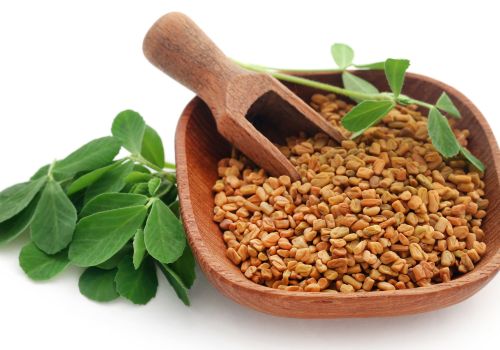
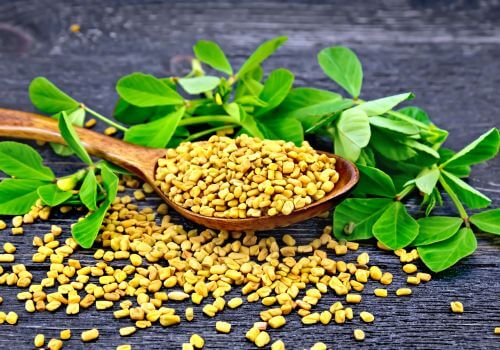
Fenugreek (Trigonella foenum-graecum) is an herb native to the Mediterranean region, Southern Europe, and Western Asia. It has been used for thousands of years in both culinary and medicinal applications.
The seeds of the plant are the most commonly used part in herbal medicine, prized for their rich content of phytoestrogens (plant compounds that mimic the action of estrogen in the body) and saponins (natural compounds that may help reduce inflammation and balance blood sugar levels).
Its seeds have a distinctive, slightly bitter taste and are often ground into a powder for use in cooking or as an herbal supplement. In the world of menopause relief, fenugreek is primarily used for its potential ability to balance hormones, reduce hot flashes, and support overall well-being during this transition.
Where Does It Grow?

Fenugreek is native to parts of Europe, the Mediterranean, and Asia, though it is now cultivated around the world, especially in India, the Middle East, and North Africa. It thrives in dry, well-drained soil and is typically grown as a cool-season crop. In addition to its culinary uses, it has been cultivated for centuries for its medicinal properties—particularly for women navigating perimenopause and menopause.
The seeds are harvested from the plant’s pods, and they are either used whole or ground into a powder for use in supplements or as a spice in cooking.
What is Fenugreek Best Known For?
This versatile herb has a long history of use in both culinary and traditional medicine. It’s particularly well-known for:
- Supporting lactation: It is frequently used to help increase milk production in breastfeeding mothers.
- Managing blood sugar: It has been studied for its potential to support metabolic health, including insulin resistance, and LDL cholesterol, particularly in people with type 2 diabetes.
- Its distinctive flavor and aroma: The seeds have a unique maple-syrup-like scent and a slightly bitter taste, making them a popular spice in dishes, especially in Indian cuisine.
How Does Fenugreek Work for Menopause?
Phytoestrogen
Fenugreek’s effectiveness in managing menopause symptoms is primarily attributed to its phytoestrogenic properties. Phytoestrogens are plant compounds that can bind to estrogen receptors in the body and mimic some of the effects of estrogen, which is the hormone that fluctuates during menopause. As estrogen levels drop, women may experience a range of symptoms. It is thought to help by providing a gentle boost to estrogen activity in the body.
Saponins
Also found in ginseng, fenugreek contains compounds called saponins that may help reduce inflammation, which can be a contributing factor to symptoms like joint pain, fatigue, and mood swings during menopause. Additionally, it has been shown to support digestion, improve energy levels, and regulate blood sugar levels, all of which may help women cope better with the physical and emotional changes of menopause.
7 Potential Benefits of Fenugreek for Menopause Symptoms

In addition to its long history of use for a variety of health conditions, its most significant reputation in modern wellness circles is for alleviating menopause symptoms. Here’s how this herb might help:
1. Hot Flashes and Night Sweats:
Hot flashes and night sweats are two of the most commonly dreaded menopause symptoms. Fenugreek’s phytoestrogenic compounds are thought to help regulate the body’s response to hormonal changes during menopause, which can help reduce the frequency and intensity of hot flashes. Some studies have shown that it may significantly lower the occurrence of these symptoms, making it a valuable ally in managing this disruptive phase.
2. Hormonal Balance:
As estrogen levels decline during menopause, women may experience not only hot flashes but also mood swings, vaginal dryness, and other discomforts. Fenugreek is rich in compounds that support the body’s hormonal balance. Its phytoestrogens can help alleviate some of these symptoms by providing estrogen-like effects, without the side effects associated with synthetic hormone replacement therapy (HRT).
3. Improved Libido:
Menopause can often bring about changes in sexual desire, and many women report a decrease in libido due to fluctuating hormone levels. It may help by increasing testosterone levels in women, which can positively affect libido. Some studies suggest that fenugreek may improve sexual arousal and overall sexual function, making it an option for women looking to regain intimacy during menopause.
4. Mood Support:
The hormonal fluctuations that occur during menopause can take a toll on mood, leading to irritability, anxiety, and even depression. Fenugreek has been shown to have adaptogenic properties, meaning it helps the body cope with stress. By balancing hormone levels and reducing inflammation, it may help stabilize mood and alleviate the emotional ups and downs associated with menopause.
5. Weight Management:
Many women notice an increase in weight around menopause, particularly in the abdominal area. Fenugreek may help support weight management by regulating blood sugar levels and reducing appetite.
Some women also combine supportive strategies such as intermittent fasting during menopause to help improve insulin sensitivity, metabolic flexibility, and appetite regulation during midlife. Some research suggests that its fiber content may help you feel fuller for longer, reducing overeating and helping you manage your weight more effectively.
6. Digestive Health:
During menopause, digestive issues like bloating, constipation, and indigestion can become more common due to hormonal fluctuations. Traditionally used to promote digestive health, its high fiber content can help regulate bowel movements and support overall digestive function. It can also ease bloating or constipation during your menopause experience.
7. Skin and Hair Health:
As estrogen levels drop, skin may become drier, and hair may thin or become more brittle. Its nutrient-rich composition, including vitamin C, iron, and fiber, may help improve skin elasticity, hydration, and hair health. The plant’s saponins may also help support scalp health, promoting hair growth and helping reduce hair loss.
Possible Side Effects of Fenugreek

While generally safe for most people, it’s important to be aware of potential side effects:
1. Gastrointestinal Issues:
Known to have a high fiber content, it can cause digestive discomfort in some individuals, particularly when taken in large amounts. Side effects may include bloating, gas, and diarrhea. To avoid these, start with a small dose, drink plenty of water, and gradually increase it as your body adjusts.
2. Maple Syrup Smell:
A less common but notable side effect of fenugreek is that it can cause a distinct maple syrup-like odor in sweat or urine. This is due to the compound sotolon, which is naturally found in fenugreek seeds. While not harmful, the smell can be off-putting for some individuals.
3. Allergic Reactions:
Though rare, some people may experience an allergic reaction to fenugreek, which could include symptoms like rash, itching, or swelling. If you have a known allergy to plants in the Leguminosae family (such as peanuts or soy), you may be at higher risk for an allergic reaction.
4. Low Blood Sugar
Fenugreek may lower blood sugar levels, so if you have diabetes or are on medication to manage your blood sugar, you should monitor your levels closely. Always consult with your healthcare provider before using fenugreek if you are diabetic or taking medications that affect blood sugar.
5. Interaction with Medications:
Fenugreek can interact with medications, especially those related to blood sugar control (such as insulin or metformin) and blood thinning (such as warfarin). It’s essential to check with your doctor before using fenugreek if you are on any of these medications.
How to Use Fenugreek for Menopause Symptoms
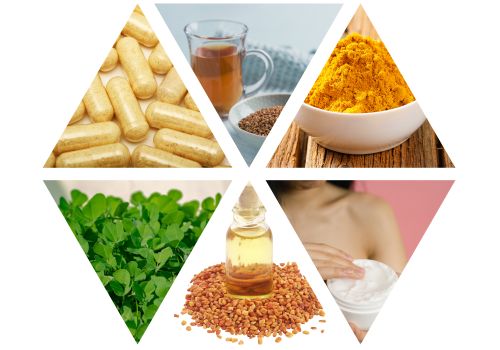
The herb is available in various forms, including capsules, tablets, powder, and oil. For best results, always look for organic supplements. Here’s how you can incorporate it into your routine:
1. Capsules or Tablets:
The most common and convenient way to take fenugreek is in capsule or tablet form. A typical dosage is 500 mg to 1,000 mg per day, but you should follow the manufacturer’s instructions or consult your healthcare provider for personalized recommendations.
2. Fenugreek Powder:
Fenugreek powder can be mixed with water or added to smoothies, soups, or teas. A typical dosage is 1 to 2 teaspoons per day. It’s a versatile option if you don’t mind the slightly bitter taste.
3. Fenugreek Tea:
Fenugreek seeds can be brewed into a tea. To make fenugreek tea, steep 1 to 2 teaspoons of fenugreek seeds in hot water for about 10–15 minutes. You can add honey or lemon to improve the taste. Drink 1–2 cups per day for potential benefits.
4. Topical Application:
Fenugreek oil can be applied topically to the skin or scalp to support skin health or promote hair growth. Some women use it as a natural hair conditioner or massage it into the scalp to encourage healthier hair during menopause.
Final Thoughts: Is Fenugreek Right for You?
Fenugreek is a powerful herb with a long history of use in traditional medicine, and it may offer several benefits for women experiencing menopause. Its phytoestrogenic properties can help balance hormones, reduce hot flashes, improve mood, and even support libido and weight management.
However, like with any supplement, it’s important to consult with your healthcare provider, especially if you have underlying health conditions, are pregnant or breastfeeding, or are taking other medications, to ensure it’s safe and appropriate for you.