Acupressure for Menopause: A Natural Way to Relieve Symptoms

Menopause can bring a variety of symptoms, from hot flashes and mood swings to sleepless nights and joint pain. If you’re looking for a natural, non-invasive way to manage these changes, acupressure could be your new best friend.
By applying gentle pressure to specific points on the body, acupressure helps restore balance and energy, offering relief from many common menopause symptoms. So, let’s dive into what acupressure is, how it works, and how you can use it to feel better during this transformative time of life.
Table of Contents
What is Acupressure and How Does It Work?

Acupressure is an ancient healing technique based on the principles of Traditional Chinese Medicine (TCM). For menopause relief, acupressure targets specific areas linked to hormonal balance, stress reduction, circulation, and pain management.
Whether you’re struggling with hot flashes, mood swings, or insomnia, acupressure can be a safe, simple practice that you can do at home without needing a lot of fancy tools. For many women, menopause can feel less like “just hormones” and more like a nervous system that suddenly becomes overstimulated, emotionally reactive, and unable to switch off fully.
5 Acupressure Points to Relieve Menopause Symptoms
Here are five acupressure points specifically helpful for managing menopause symptoms. Each one comes with detailed instructions on how to do it at home—no special training required.
1. Hegu (LI4) – For Hot Flashes and Pain Relief

Where to Find It: On the back of your hand, in the webbing between your thumb and index finger.
How to Do It:
- With your opposite hand, use your thumb and index finger to pinch the webbing between your thumb and index finger (on the other hand).
- Apply firm pressure for 30 seconds, then release. Repeat 3-5 times on each hand.
Why It Helps: Hegu is one of the best-known pressure points for pain relief and hot flash relief. It helps balance hormones and can ease tension, especially in the upper body, which is common during menopause.
2. Shenmen (HT7) – For Stress and Anxiety Relief

Where to Find It: On the inner wrist, in the crease where the hand meets the arm, on the pinky side.
How to Do It:
- Using your thumb and index finger, gently press on this point for 1-2 minutes.
- You can also massage the area in a circular motion.
Why It Helps: Known as the “Spirit Gate,” this point is excellent for calming the mind and reducing stress, anxiety, and mood swings that often accompany menopause. It promotes relaxation and emotional balance.
Many women describe menopause as feeling like their brain has “too many tabs open at once”, where stress, emotional overload, poor sleep, and racing thoughts all pile up together. Some women also combine acupressure with calming practices like autogenic training to help quiet racing thoughts and support emotional balance.
3. San Yin Jiao (SP6) – For Hot Flashes, Insomnia, and Mood Swings

Where to Find It: On the inside of your lower leg, about four finger-widths above the ankle bone.
How to Do It:
- With your thumb, press down gently but firmly on the point.
- Hold for about 1-2 minutes, and practice slow, deep breathing as you apply the pressure.
- Repeat on both legs.
Why It Helps: This point is a go-to for managing hot flashes, insomnia, and mood swings during menopause. It’s known to support the body’s overall balance and regulate hormonal fluctuations.
Therapist’s Secret for Hot Flashes:
When using the Spleen 6 (San Yin Jiao) point, don’t just press. Apply firm pressure and exhale slowly for a count of 4. This calms the nervous system and doubles the effectiveness of the point.
4. Tai Chong (LV3) – For Headaches and Hormonal Imbalance

Where to Find It: On the top of your foot, in the soft area between your big toe and second toe.
How to Do It:
- Use your thumb to apply pressure to the point for 1-2 minutes.
- You can also massage the area gently in a circular motion.
Why It Helps: Tai Chong is particularly effective for addressing headaches, mood swings, and hormonal imbalances associated with menopause. It’s a great point to release stress and help balance your emotions.
5. Zu San Li (ST36) – For Energy and Digestive Issues
Where to Find It: About four finger-widths below your knee cap, 1-finger-width along the outer side of your shinbone.
How to Do It:
- Apply firm pressure with your fingers, massaging the point for 2-3 minutes.
- You can use both hands to press on each leg.
Why It Helps: Zu San Li is a powerful point for boosting energy levels and improving digestion, both of which can take a hit during menopause. It’s also known for promoting overall vitality and supporting immune function.
Acupressure Tools
These tools offer a natural and effective way to manage menopause symptoms, providing relief from hot flashes, joint pain, anxiety, and poor sleep. They target key pressure points in the body for safe and effective wellness solutions.
Incorporating these tools into your routine can make you feel more balanced, energized, and relaxed as you navigate this life transition. Here’s a closer look at some of the most popular acupressure tools for women over 40:
Shakti Acupressure Mats

The Shakti acupressure mat is covered with thousands of tiny spikes that stimulate pressure points along the back when you lie on it. This tool is known for relieving muscle tension, improving circulation, and reducing anxiety—common issues during menopause.
Using this mat for just 20 minutes a day can help relieve stress, boost energy levels, and enhance your overall sense of well-being.
Acupressure Slippers
Acupressure slippers target key pressure points on the feet, which are connected to various parts of the body. They help stimulate and improve circulation, relieve foot pain, and reduce swelling.
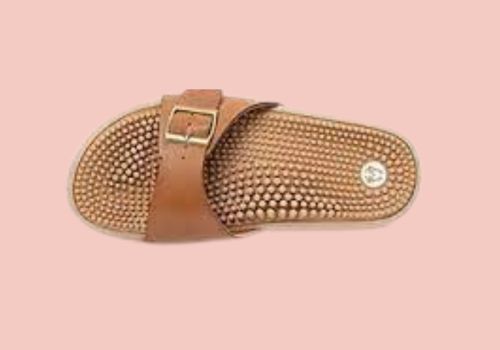
For women experiencing joint pain or fatigue due to menopause, wearing acupressure slippers regularly can support relaxation, increase energy, and provide relief from stress.
Acupressure Rings

Acupressure rings are small, flexible tools worn on your fingers that apply pressure to specific points. These rings are especially helpful for relieving joint pain, improving circulation, and boosting mood—issues that can arise during menopause.
Simply rolling the ring back and forth on your fingers can enhance overall relaxation, reduce stress, and even ease symptoms like anxiety and headaches.
Acupressure Pen
Acupressure pens offer a natural, non-invasive solution to alleviate menopause-related symptoms. A manual acupressure pen is a simple, handheld tool designed to apply precise pressure to targeted pressure points. These pens can improve circulation, support relaxation, and help you feel more balanced.
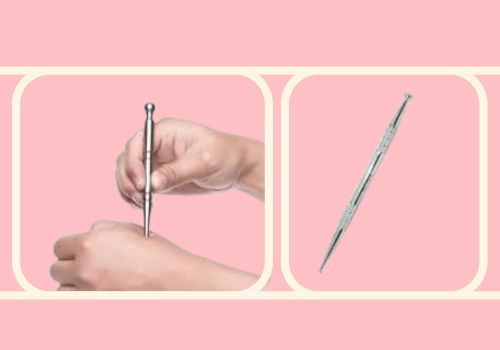
The pressure is directly applied to the acupressure points with a gentle push or roll. Using the pen on key areas like the wrists, temples, or the back of the neck can help reduce hot flashes, ease joint pain, and promote relaxation. It is easy to use and a portable solution for women seeking a natural way to manage menopause symptoms without medication.
Why Does Acupressure Help with Menopause Symptoms?
Acupressure works by stimulating the body’s natural healing processes, helping to restore balance in both the physical and emotional realms. During menopause, hormonal fluctuations often lead to symptoms like hot flashes, mood swings, and poor sleep. By applying pressure to specific acupressure points, it helps:
- Regulate hormones and alleviate related symptoms
- Reduce stress and promote emotional well-being
- Improve sleep quality
- Relieve pain and discomfort (especially in the joints or lower back)
- Increase energy and reduce fatigue
While this therapy isn’t a magical cure-all, it’s an incredibly effective natural remedy that can help you feel more balanced, grounded, and in control during the menopausal transition.
The Role of the Vagus Nerve
One of the ways acupressure supports your body during menopause is by stimulating the vagus nerve, a major part of your parasympathetic nervous system. The vagus nerve plays a crucial role in calming the body, regulating inflammation, balancing mood, and improving digestion and sleep.
When gently activated through acupressure points (especially those near the neck, chest, and ears), it can help shift the body out of a stress response and into a state of rest and healing. This may explain why regular acupressure can promote emotional balance, ease anxiety, and restore energy during menopause.
Benefits of Acupressure for Menopause
- Non-invasive: Unlike medications or hormone replacement therapy, this treatment doesn’t involve any chemicals or side effects.
- Convenient: You can do it at home, in the car, or even at your desk. No fancy tools or appointments needed!
- Holistic: It not only helps with physical symptoms but also supports emotional health and well-being, something we can all use during menopause.
- Customizable: You can target specific symptoms, whether it’s hot flashes, stress, or sleep issues.
Pros and Cons of Acupressure for Menopause

Pros:
- Gentle and safe: It is a low-risk, natural treatment for menopause symptoms.
- Easy to learn: You don’t need to be an expert to get started—just follow the instructions for each point.
- Accessible: It can be done anywhere, anytime, making it a great option for busy women.
- Can be used alongside other treatments: It works well in combination with other natural remedies or even conventional treatments, enhancing their effectiveness.
Cons:
- Not a quick fix: It provides gradual relief over time. It may take several sessions before you notice a significant change in symptoms.
- Requires consistency: To get the full benefits, you’ll need to practice regularly.
- Not a substitute for medical care: While beneficial, it should not replace medical advice or prescribed treatments, especially if you have a serious health condition.
Contraindications: Who Should Avoid Acupressure?
Acupressure is generally safe for most people, but there are a few exceptions:
- Pregnancy: Some acupressure points (like SP6) should be avoided during pregnancy, as they may stimulate uterine contractions.
- Blood disorders: If you have a bleeding disorder or take blood thinners, consult with a healthcare provider before using acupressure.
- Severe medical conditions: If you have a chronic illness or are undergoing cancer treatment, it’s best to consult your doctor before starting acupressure.
Final Thoughts

Acupressure is a wonderful, natural way to manage menopause symptoms without relying on medications. Whether you’re dealing with hot flashes, stress, or insomnia, applying gentle pressure to the right acupoints can help restore balance to your body and mind.
While it’s not a quick fix, the cumulative benefits of regular acupressure practice can help you feel more in control and more comfortable as you navigate the menopausal transition. So, give it a try – your body and mind will thank you!
Ready to Discover More Calm?
Discover natural techniques to soothe your nervous system, reduce anxiety, and find inner peace during menopause. Your essential guide is just a click away!