SIBO: What It Is, Symptoms, Treatments, and How to Keep Your Gut Happy

If you’ve ever struggled with constant bloating, unpredictable digestion, or that frustrating feeling of looking six months pregnant after a meal, you’re not alone. For many women, especially after 40, digestive issues can appear out of nowhere. One condition that’s finally getting the attention it deserves is SIBO.
Your gut is home to a bustling ecosystem of microbes. This vibrant community, known as your gut microbiome, can weigh over three pounds and is made up of thousands of different species. In fact, you have more bacteria in your body than you have human cells! This amazing community is the foundation of your overall health, playing an essential role in countless bodily functions, especially your immune system. About 70% of microbiome resides in your gut. But what happens when these good-for-you microbes start growing where they don’t belong? This can lead to an imbalance called small intestinal bacterial overgrowth (SIBO).
In this guide, we’ll walk through what SIBO is, how it’s diagnosed, your options for treatment (both medical and natural), and how to prevent it from coming back. Think of this as your go-to resource to finally understand what your gut has been trying to tell you.
Table of Contents
I. Understanding SIBO
What Exactly Is SIBO?

SIBO (Small Intestinal Bacterial Overgrowth) occurs when bacteria that normally reside in your large intestine migrate up into your small intestine, where they don’t belong. While the small intestine is meant for digesting and absorbing food, when bacteria set up camp there, they ferment your food before you can. This process produces gases that lead to the uncomfortable bloating, pain, and other gut troubles you might be experiencing.
In simple terms: SIBO is an overgrowth of bacteria in the wrong place.
While SIBO can cause a range of chronic and difficult symptoms, including abdominal pain, bloating, constipation, and fatigue, many people who suffer from the condition go for years without receiving a proper diagnosis.
The Different Types of SIBO
Your SIBO symptoms often depend on the type of gas the bacteria are producing.
- Hydrogen-Dominant SIBO: The most common type, often associated with symptoms of diarrhea.
- Methane-Dominant SIBO: Also known as IMO (Intestinal Methanogen Overgrowth), this type is more commonly linked to constipation and a sluggish gut.
Who Is Most At Risk for SIBO?

Small intestinal bacterial overgrowth (SIBO) is a common condition, but its exact prevalence is not fully known. It is most often caused by Irritable Bowel Syndrome (IBS), intestinal motility disorders, and chronic pancreatitis, which together are responsible for 80-90% of cases. SIBO is also more common in women and the elderly. The risk of developing SIBO increases with age, primarily because of a natural decrease in stomach acid and slower gut movement. In many cases, SIBO can have more than one root cause.
Menopause & Gut Health
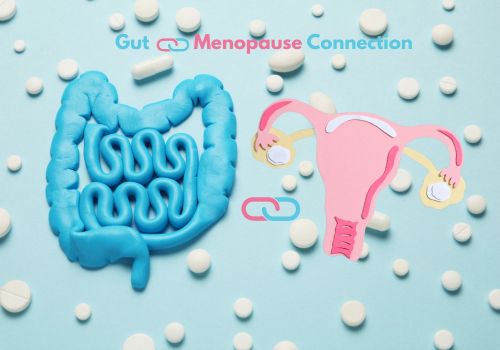
The hormonal shifts of menopause may be a key factor in developing SIBO. As estrogen levels decline, gut motility can slow down, disrupting the body’s natural cleansing waves and creating an environment where bacteria can thrive. This connection helps explain why many women experience new or worsening bloating and other uncomfortable gut health symptoms during this life stage, as their changing hormones directly impact digestion.
SIBO: Why It’s Often Mistaken for IBS
Many people are told they just have IBS (Irritable Bowone Syndrome), but research shows up to 70% of IBS cases may actually be SIBO. So, why the misdiagnosis?
- Symptom Overlap: The symptoms of SIBO (bloating, gas, diarrhea, constipation) are nearly identical to those of IBS, making it easy for a doctor to diagnose based on symptoms alone.
- Limited Awareness: SIBO is a newer area of clinical focus than IBS. Some medical professionals may not have been trained on it or may not have a clear understanding of its diagnosis and treatment.
- Specialized Testing: While breath tests are the primary diagnostic tool for SIBO, they are not yet a standard part of routine medical check-ups. Unless a doctor is knowledgeable about SIBO, they may not recommend the test.
This is why advocating for yourself and asking for a SIBO breath test is so important if you suspect an underlying cause for your IBS symptoms.
SIBO vs. Leaky Gut: What’s the Difference?
While SIBO and leaky gut often share similar symptoms like bloating and digestive issues, they are actually two different conditions. Think of it like this: SIBO is an imbalance where bacteria are growing in the wrong place. In contrast, leaky gut is a physical problem with the gut’s lining.
It happens when the intestinal wall becomes damaged and overly permeable, allowing undigested food particles, toxins, and other substances to “leak” into your bloodstream. This triggers a widespread inflammatory response that can cause symptoms throughout your body. In many cases, the persistent inflammation caused by SIBO can actually lead to leaky gut. The key to feeling better and restoring your gut health is getting a proper diagnosis so you can follow a targeted treatment plan to heal your unique root cause.
The Gut-Brain Connection

The gut and brain are in constant communication via the vagus nerve. When SIBO is present, the gas and inflammation can directly disrupt this line of communication. This explains why SIBO symptoms are not just digestive, they often include brain fog, fatigue, mood changes, anxiety, and even depression. Healing your gut is a powerful way to heal your mind, too.
How Is SIBO Diagnosed?
Diagnosing SIBO can be tricky because its symptoms overlap with other gut disorders. The main diagnostic tools are:
- Breath Test (most common): You drink a sugar solution (glucose or lactulose). If bacteria are present in the small intestine, they ferment the sugar, releasing hydrogen or methane gas, which is then measured in your breath every 15–20 minutes. A rise in these gases indicates bacterial overgrowth.
- Small Intestinal Aspirate & Culture (“gold standard”): A fluid sample from the small intestine is taken via endoscopy. It’s then cultured in a lab to check for bacterial overgrowth. While more accurate, this method is also invasive and expensive.
Preparing for Your SIBO Breath Test
For an accurate breath test result, proper preparation is crucial.
- 24-48 hours before: Follow a low-FODMAP diet. This involves avoiding high-fiber and fermentable foods that could feed the bacteria.
- 12 hours before: Begin a fast. No food or drink except for water.
- Before the test: Avoid exercise and smoking.
II. The SIBO Diet & Treatments
Medical Treatment for SIBO
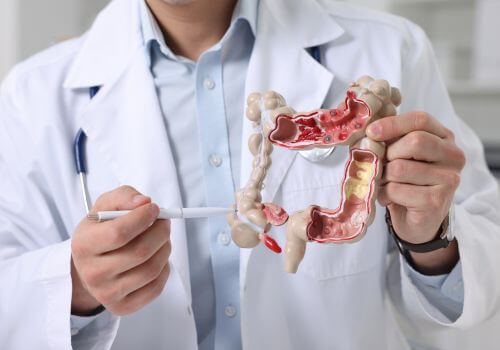
The conventional first-line treatment is antibiotics, usually rifaximin (for hydrogen-dominant SIBO) or a combination like rifaximin plus neomycin (for methane-dominant SIBO).
- Pros: Clinically proven to reduce bacterial overgrowth and can offer fast relief.
- Cons: Relapse rates are high (up to 45%), and antibiotics do not fix the underlying root cause.
After antibiotics, doctors may also prescribe prokinetic medications to stimulate gut movement and keep SIBO from coming back.
Natural Treatments for SIBO

For those who prefer a holistic approach, or when antibiotics aren’t effective, herbal antimicrobials are a powerful alternative. Some studies show they can be just as effective as rifaximin. These herbs are usually taken in capsule form for 4–6 weeks and are often rotated to reduce bacterial resistance.
- Herbal Antimicrobials Commonly Used: Oregano oil, berberine, garlic extract (allicin), neem, thyme, and cinnamon oil.
Because these herbs are strong, it’s best to use them under the guidance of a practitioner to avoid side effects or “die-off reactions.”
The SIBO Diet
Diet alone won’t “cure” SIBO, but it can dramatically reduce symptoms while you heal. The most common approaches are:
- Low-FODMAP diet: Removes fermentable carbohydrates that bacteria love to eat.
- Specific Carbohydrate Diet (SCD): Focuses on easily digestible carbohydrates.
- Elemental diet: A liquid formula that starves bacteria while still nourishing you (often used in stubborn cases).
What to Eat and What to Avoid with SIBO

The goal of a SIBO diet is to reduce fermentable carbs that feed the overgrowth while still nourishing your body. The low-FODMAP diet is a common starting point, which means avoiding high-fermentable foods like onions, garlic, beans, lentils, wheat, and certain fruits (apples, pears). Instead, focus on easier-to-digest options such as leafy greens, zucchini, carrots, cucumbers, rice, oats, eggs, poultry, and fish. Remember, the goal is temporary reduction, not total restriction forever.
Comparing SIBO Treatments: Elemental Diet vs. Antibiotics vs. Herbal Protocols
| Treatment | What It Is | Pros | Cons | Best For |
| Elemental Diet | A liquid formula of pre-digested nutrients, taken for 2–3 weeks. | ✅ Clinically proven to lower bacterial load. ✅ Fast results. ✅ Restores gut lining. | ❌ Restrictive. ❌ Unpleasant taste. ❌ Must be supervised. | People who have failed other treatments or want a fast “reset.” |
| Antibiotics | Prescription-only drugs like Rifaximin. | ✅ Well-studied. ✅ Often effective in 1–2 courses. | ❌ High risk of recurrence. ❌ Doesn’t address root causes. | People who want a conventional and quick approach. |
| Herbal Protocols | Natural antimicrobials (oregano, berberine, etc.), taken for 4–6 weeks. | ✅ Gentle & natural. ✅ Can be as effective as antibiotics. | ❌ Slower results. ❌ Side effects like “die-off.” | People who prefer natural medicine and don’t mind a longer protocol. |
III. The Role of Digestive Enzymes & Probiotics
Do Digestive Enzymes Help with SIBO?

Yes, digestive enzymes can sometimes help with SIBO, but they are a secondary support tool, not a primary treatment. People with SIBO often have trouble breaking down carbohydrates, fats, and proteins. Enzymes (like lipase, protease, and amylase) may improve nutrient absorption, reduce bloating, and help prevent undigested food from feeding bacteria in the small intestine. They work best alongside your primary treatment, such as antibiotics or herbal protocols.
Best Enzymes for SIBO Relief
- Protease – helps digest protein.
- Amylase – breaks down starches.
- Lipase – supports fat digestion.
- Lactase – for dairy reactions.
- Alpha-galactosidase (Beano® type) – for beans and cruciferous veggies.
- Cellulase – breaks down plant fibers.
How to Take Enzymes with SIBO
Take them right before or during your meals. Start with one capsule with your largest meal and adjust as needed. If you’re sensitive, consider plant-based enzymes and avoid supplements with fillers like lactose or gluten.
Probiotics and SIBO: Friend or Foe?
Probiotics can be a double-edged sword with SIBO. Some strains can make symptoms worse, while others are incredibly helpful.
- During Treatment: It is often recommended to avoid most traditional probiotics. However, a specific strain called Saccharomyces boulardii, a beneficial yeast, is often used as it does not add to the bacterial load but can help prevent antibiotic-associated side effects.
- After Treatment: Once SIBO is cleared, you can begin to reintroduce a diverse range of probiotics to help repopulate the gut with good bacteria and prevent relapse.
Safety Notes
Enzymes and probiotics are generally safe, but overdoing it can cause side effects like diarrhea. They are meant to support your gut, not replace your core treatment plan. Always consult with your healthcare provider before beginning any new supplement regimen.
IV. Life After SIBO Treatment
What Are the Root Causes of SIBO?

Treating the root cause is the single most important step in preventing SIBO relapse. Common underlying issues include:
- Sluggish Motility: A slow-moving gut (insufficiency of peristalsis) can allow bacteria to linger and grow.
- Low Stomach Acid: Stomach acid is a natural barrier to bacterial overgrowth.
- Chronic Stress: Stress slows down digestion and can impact the gut-brain axis.
- Previous Infections: A history of food poisoning can damage the gut’s “sweeping” mechanism.
- Anatomical Issues: Scar tissue or other physical obstructions.
- Medication Use: Long-term use of acid blockers (PPIs) can increase the risk of SIBO.
- Menopause: While menopause doesn’t directly cause SIBO, the hormonal changes that occur during this time can be a significant contributing factor.
Key to Long-Term Success
Because SIBO relapse is common, prevention is critical. Long-term success depends on fixing the root cause, not just killing the bacteria.
- Support gut motility: Use prokinetic herbs like ginger or prescription options to keep food moving.
- Manage stress: Try yoga, meditation, or walking after meals.
- Eat mindfully: Space meals 4–5 hours apart to allow the gut’s “migrating motor complex” to sweep bacteria down.
- Support the microbiome: After treatment, use probiotics wisely to help repopulate your gut with good bacteria.
SIBO and Weight Loss: What Happens After Treatment?

SIBO and weight struggles are often linked. Bloating and water retention can make you look and feel heavier, while nutrient malabsorption can slow your metabolism and cause fatigue. Inflammation from SIBO can also trigger hormonal chaos that leads to fat storage.
When SIBO is treated, you may find that:
- Bloating decreases, and you lose the “SIBO belly.”
- Nutrient absorption improves, and metabolism becomes more efficient.
- Energy levels rise, making exercise easier.
- Hormones re-balance, leading to fewer cravings and less fat storage.
Many people find that once SIBO is under control, their body naturally shifts toward a healthier weight.
V. Conclusion
The Big Picture

SIBO might sound intimidating, but once you understand it, it’s no longer a mystery. It’s simply your body telling you that your gut ecosystem is out of balance. The right combination of diagnosis, treatment, and lifestyle changes can bring real relief.
Sometimes, dealing with a complex health issue like this can feel exhausting and lonely. You might feel dismissed by doctors or frustrated that your symptoms aren’t taken seriously. But please know that what you are feeling is real, and it is not in your head. SIBO is a treatable condition, and with the right information and a proactive approach, you can take back control of your health and find a path to feeling better.
Final Thoughts
If you’re constantly bloated, reacting to healthy foods, or stuck in the IBS cycle, it’s worth asking your doctor about a SIBO breath test. Healing your gut is not just about digestion, it’s about energy, mood, skin, hormones, and your overall vitality.
Because when your gut thrives, so do you.
Disclaimer!
This article is for informational purposes only and is not a substitute for professional medical advice, diagnosis, or treatment. Always consult your physician or a qualified healthcare provider with any questions you may have regarding a medical condition.