Black Cumin for Menopause Symptoms: A Comprehensive Guide
Menopause can be a challenging time for many women, bringing about a host of physical and emotional changes. Hot flashes, mood swings, weight gain, and sleep issues are just a few of the symptoms that can make this transition more difficult. But if you’re looking for natural ways to support your body through menopause, black cumin might be an herb worth considering.
Known for its powerful health benefits, black cumin has been used for centuries in traditional medicine. But how does it work for menopause symptoms? Is it safe to use? Let’s dive into everything you need to know about black cumin, its potential benefits, and how it may help ease the discomforts of menopause.
What Is Black Cumin?
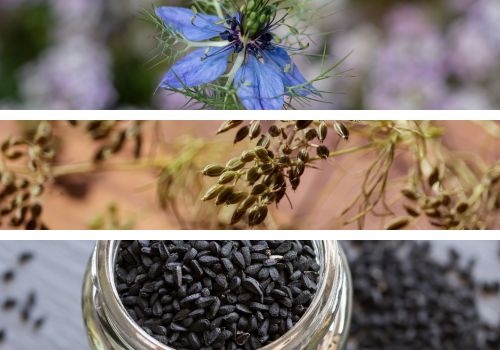
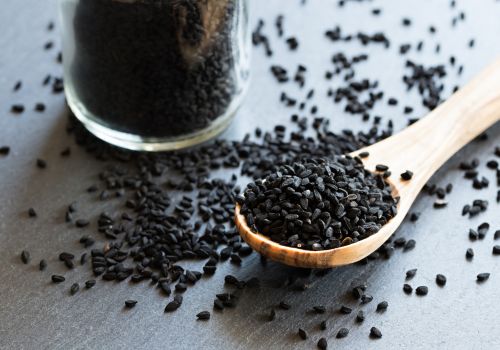
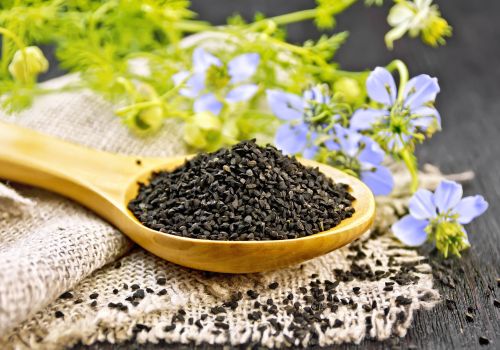
Black cumin (Nigella sativa), also known as black seed, black caraway, or kalonji, is a flowering plant native to Southeast Asia and the Mediterranean region. The small, black seeds of the plant have been used for thousands of years in traditional medicine for their therapeutic properties.
In fact, black cumin is often referred to as “the seed of blessing” due to its many purported health benefits. The seeds of black cumin are rich in bioactive compounds, particularly thymoquinone, which is believed to be responsible for much of its therapeutic effects.
Black cumin has been studied for its anti-inflammatory, antioxidant, antimicrobial, and hormone-balancing properties, which make it an appealing option for addressing some of the symptoms of menopause.
Where Does Black Cumin Grow?

Black cumin is native to parts of the Middle East, Asia, and the Mediterranean. It thrives in dry, sunny climates and produces small, pale blue or white flowers. The seeds, which are harvested from the plant’s fruit, have a distinct aroma and flavor—slightly bitter, peppery, and nutty.
Today, black cumin is cultivated in various regions, including India, Egypt, Turkey, and Pakistan, and is widely available in supplement form, as well as in its raw seed form. Black cumin is commonly found in health food stores, herbal shops, and online retailers.
How Does Black Cumin Work for Menopause?
The exact mechanisms by which black cumin works to alleviate menopause symptoms are still being researched. However, several key properties of black cumin suggest how it may support women during menopause:
1. Anti-Inflammatory Properties:

Inflammation is often a hidden factor behind many menopause symptoms. Hot flashes, joint pain, and mood disturbances can be linked to chronic low-grade inflammation in the body.
Black cumin has powerful anti-inflammatory effects, which may help reduce inflammation and alleviate some of these symptoms.
2. Hormone Regulation:
Black cumin has been found to support hormonal balance, particularly by influencing estrogen levels. During menopause, a drop in estrogen levels is one of the key contributors to symptoms like hot flashes, mood swings, and vaginal dryness. Black cumin may help support the endocrine system, encouraging more balanced hormone production and potentially easing these symptoms.
3. Antioxidant Effects:

As we age, the body’s ability to fight oxidative stress (which can contribute to premature aging and disease) diminishes. Black cumin is rich in antioxidants, particularly thymoquinone, which can help combat oxidative damage and protect cells from aging.
This could help mitigate some of the more frustrating symptoms of menopause, like skin changes, fatigue, and reduced mental clarity.
4. Support for Weight Management:
Many women experience weight gain during menopause, often due to hormonal fluctuations and slower metabolism. Black cumin has been shown to have potential weight-loss benefits by regulating blood sugar levels and reducing fat accumulation. This could be particularly helpful for women looking to manage their weight during menopause.
5. Mood Support:

Menopause can bring about significant mood changes, including anxiety, irritability, and depression. Black cumin may help support mental health by regulating neurotransmitters like serotonin and dopamine.
Its anti-inflammatory and antioxidant properties may also help stabilize mood and reduce anxiety, providing emotional relief during this transitional phase.
6. Improved Sleep:
Sleep disturbances are one of the most common complaints during menopause, often due to hot flashes, night sweats, or anxiety. Black cumin may help improve sleep quality by reducing inflammation, promoting relaxation, and supporting hormonal balance. Better sleep can, in turn, lead to improved energy levels and mood.
Potential Benefits of Black Cumin for Menopause Symptoms
Now that we know how black cumin works, let’s dive into its specific potential benefits for women going through menopause:
1. Hot Flashes and Night Sweats:

By supporting hormonal balance and reducing inflammation, black cumin may help reduce the frequency and severity of hot flashes and night sweats – two of the most troublesome symptoms of menopause.
While it’s not a miracle cure, it may offer a natural way to manage these symptoms without resorting to hormone replacement therapy (HRT).
2. Mood Swings and Anxiety:
Black cumin’s mood-stabilizing effects can help alleviate emotional symptoms of menopause, such as irritability, anxiety, and depression. Its ability to influence neurotransmitters and reduce inflammation may make it a valuable tool for managing these mental health challenges.
3. Improved Skin Health:

As estrogen levels decrease during menopause, many women experience changes in their skin, such as dryness, thinning, and loss of elasticity.
Black cumin, with its antioxidant and anti-inflammatory properties, may help protect the skin from oxidative stress, reduce inflammation, and promote healthier skin.
4. Weight Management:
If you’ve noticed that managing your weight has become more difficult during menopause, black cumin may offer some support. Studies suggest that black cumin may help regulate blood sugar levels, reduce fat accumulation, and support metabolism, making it a useful tool for weight management during this time of life.
5. Improved Sleep Quality:

If you struggle with insomnia or frequent waking during the night due to menopause, black cumin may help improve your sleep. By reducing inflammation and supporting hormonal balance, black cumin can encourage more restful, uninterrupted sleep.
Possible Side Effects of Black Cumin
While black cumin is generally considered safe for most people when taken in recommended doses, there are some potential side effects to be aware of:
1. Gastrointestinal Issues:

Some individuals may experience mild gastrointestinal discomfort, such as bloating, gas, or stomach upset, when using black cumin. If this occurs, reducing the dosage or taking it with food may help alleviate these issues.
2. Allergic Reactions:
Though rare, some people may experience allergic reactions to black cumin. Symptoms could include rashes, itching, or swelling. If you have a known allergy to plants in the Ranunculaceae family, you should avoid black cumin.
3. Blood Pressure:

Black cumin may have a mild effect on lowering blood pressure. While this can be beneficial for some individuals, it may cause problems for people with already low blood pressure or those on medication for hypertension. It’s important to monitor your blood pressure if you’re using black cumin and speak with your doctor if you have concerns.
4. Pregnancy and Breastfeeding:
There is limited research on the safety of black cumin during pregnancy and breastfeeding. To be cautious, it’s best to avoid black cumin during these times unless advised otherwise by your healthcare provider.
Important Considerations: Can Black Cumin Interact with Other Herbs, Supplements, or Medications?

As with any supplement, black cumin can interact with other medications or herbs. Here are some things to consider:
Blood Pressure Medications:
Since black cumin may have a mild blood pressure-lowering effect, it could interact with medications designed to treat high blood pressure. If you’re on blood pressure medication, consult your healthcare provider before using black cumin.
Blood Sugar Medications:
Black cumin may help regulate blood sugar levels, which could potentially interact with medications used to manage diabetes. If you take insulin or other blood sugar-lowering medications, consult your doctor before starting black cumin to avoid any potential complications.
Sedatives or Sleep Medications:
Black cumin has mild sedative properties, which means it could enhance the effects of sleep medications or tranquilizers. If you take medications for anxiety, insomnia, or other conditions related to sleep, check with your doctor before using black cumin.
How to Use Black Cumin for Menopause Symptoms
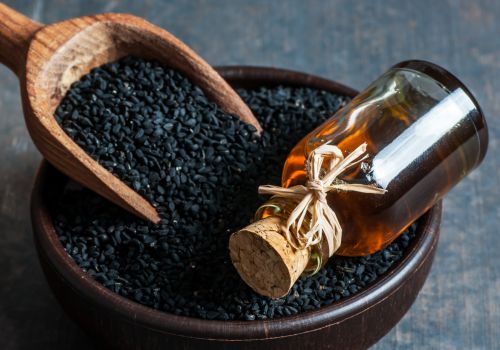
Black cumin is available in several forms, including seeds, oils, and supplements. Here’s how you can use it to support your health during menopause:
Black Cumin Oil:
Black cumin oil is one of the most concentrated forms of the herb and can be taken orally or applied topically. For internal use, start with 1 teaspoon per day and gradually increase if needed. You can mix it with honey or incorporate it into smoothies for easier consumption.
Black Cumin Seeds:
You can use black cumin seeds in cooking or sprinkle them over salads, yogurt, or soups. They have a slightly nutty, peppery flavor that adds a unique taste to dishes. A common dosage is 1–2 teaspoons of seeds per day.
Black Cumin Capsules or Tablets:
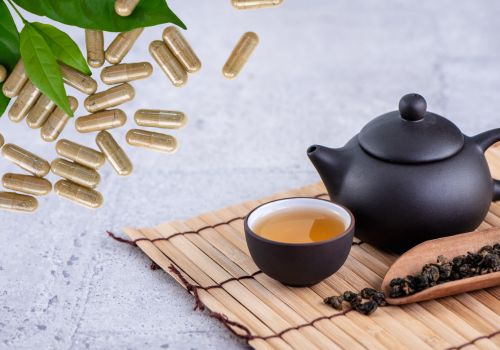
For a more concentrated and convenient dose, black cumin is available in capsule or tablet form. A typical dosage ranges from 500 mg to 1,000 mg per day, but it’s best to follow the instructions on the supplement packaging or consult your healthcare provider.
Black Cumin Tea:
Some people prefer to make tea from black cumin seeds. Simply add a teaspoon of crushed seeds to hot water, let it steep for a few minutes, and enjoy. You can also add honey or lemon for extra flavor.
Final Thoughts: Is Black Cumin Right for You?
Black cumin is a promising natural remedy for many of the symptoms associated with menopause, including hot flashes, mood swings, sleep disturbances, and weight gain. Its anti-inflammatory, antioxidant, and hormone-balancing properties make it an appealing option for women looking for a natural solution to support their health during this transition.
As with any supplement, it’s important to consult with your healthcare provider before adding black cumin to your routine—especially if you have pre-existing medical conditions, are taking other medications, or are pregnant or breastfeeding.
If you’re looking for a natural way to manage your menopause symptoms, black cumin may be an effective and safe option to consider.