10 Natural Ways to Combat Anxiety During Menopause (No Pills Needed!)

For many women, anxiety during menopause arrives unexpectedly. You may notice a racing heart, restless thoughts, sudden tension in your chest, or a sense of unease that seems to appear without warning. What often feels emotional or psychological is frequently rooted in very real biological changes happening inside your body.
As estrogen and progesterone fluctuate, they influence key systems that regulate mood, sleep, stress tolerance, and nervous system balance — and can also contribute to chronic low-grade inflammation in the body. The result can be heightened sensitivity to stress, disrupted sleep, and anxiety that feels unfamiliar — even for women who have never struggled with it before. The reassuring news is that gentle, natural strategies can help calm your nervous system and restore a sense of safety and control during this transition.
Below, you’ll find ten practical, research-supported ways to ease menopause anxiety naturally and support emotional resilience without relying solely on medication.
Table of Contents
1. Deep Breathing: The Power of the Exhale

When anxiety begins to build, one of the most effective ways to calm your body is through deep breathing. Slow, intentional breathing signals safety to your nervous system and helps shift your body out of stress mode. By activating the parasympathetic nervous system — largely regulated by the vagus nerve — breathing exercises can lower stress hormones, slow the heart rate, and promote a sense of calm and emotional stability.
How to do it:
- Find a comfortable spot, either sitting or lying down.
- Close your eyes, and take a slow, deep breath through your nose for about 4 seconds.
- Hold it for 4 seconds.
- Exhale slowly through your mouth for 6 seconds.
- Repeat for 5 minutes, focusing solely on your breath.
Practicing this a few times each day — especially during moments of stress or before sleep — can gradually retrain your nervous system to respond more calmly to everyday challenges.
2. Tapping (EFT) for Instant Calm

Emotional Freedom Techniques (EFT), often called “tapping,” combine elements of acupressure with focused emotional awareness to help calm the stress response. By gently tapping specific points on the body while acknowledging what you feel, EFT may help reduce anxiety, interrupt repetitive thought patterns, and support emotional regulation during menopause.
If you’re new to tapping, Emotional Freedom Techniques (EFT) involve lightly tapping specific acupressure points while focusing on an emotion or stressful thought. You can explore current research and practical examples of Emotional Freedom Techniques (EFT) in this research overview.
How to do it:
- Start by gently tapping the acupressure points on the edges of each palm, then move through the sequence of points, including the top of the head, eyebrows, sides of the eyes, under the eyes, under the nose, chin, collarbone, and under the arms. You can explore the research overview above for detailed tapping instructions and practical examples to help you get started.
- As you tap, say out loud, “Even though I feel anxious, I deeply and completely accept myself.”
- Repeat the sequence while breathing slowly and evenly, allowing your body to settle into a calmer rhythm.
- Practiced regularly, tapping may help lower stress levels and support a greater sense of emotional safety during periods of hormonal change.
3. Mindful Meditation: Quiet Your Mind

Anxiety during menopause is often fueled by racing thoughts and heightened stress sensitivity. Mindfulness meditation helps gently interrupt this cycle by bringing attention back to the present moment. Regular practice can calm the nervous system, lower stress responses, and gradually retrain the brain to react more calmly to everyday challenges.
How to do it:
- Find a quiet space and sit in a comfortable position.
- Close your eyes and focus on your breathing, noticing each inhale and exhale.
- If your mind begins to wander — which is completely normal — gently bring your attention back to your breath..
- Start with 5-10 minutes a day, gradually increasing as you feel comfortable.
Over time, this practice can improve emotional resilience, support better sleep, and help your body shift more easily into a calmer, restorative state.
4. Progressive Muscle Relaxation (PMR): Release the Tension

When anxiety builds, muscles often tighten without you noticing — especially around the shoulders, neck, and jaw. Progressive Muscle Relaxation (PMR) helps release this stored stress and tension by guiding you through gentle cycles of tightening and relaxing different muscle groups. This process signals safety to the nervous system and can help calm both physical and emotional stress responses.
How to do it:
- Find a quiet, comfortable spot to lie down.
- Start with your feet—tense the muscles for 5-10 seconds, then release.
- Work your way up your body: calves, thighs, abdomen, chest, arms, and finally your face, paying particular attention to relaxing the jaw and facial muscles.
- Focus on the sensation of relaxation as you release the tension.
- Many women find this technique especially helpful before bedtime, as releasing physical tension can make it easier to fall asleep and support deeper, more restorative rest.
5. Stay Active: Move to Improve Mood

Regular movement is one of the most effective ways to ease menopause anxiety naturally. Physical activity releases endorphins — the body’s natural mood-supporting chemicals — while helping regulate stress hormones and stabilize energy levels. It also supports metabolic health and may help counter menopause-related weight gain, which can sometimes contribute to emotional stress.
How to do it:
- Aim for at least 30 minutes of moderate exercise most days of the week. It doesn’t have to be anything intense; even gentle activities like walking, swimming, or dancing can noticeably improve mood and energy.
- Make it a social activity! Sometimes, a walk with a friend can be both therapeutic and fun.
Over time, consistent movement can help rebalance stress responses, improve sleep quality, and support a more stable emotional state — almost like pressing a gentle reset for both body and mind.
6. Herbal Tea: Sip Your Stress Away

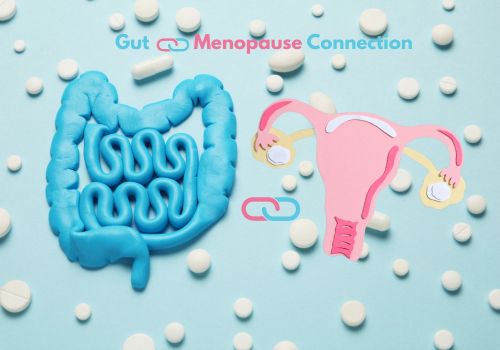
If anxiety tends to surface in the evening, a warm cup of herbal tea can become a calming bedtime ritual that gently signals your body to slow down. Herbs such as chamomile, lavender, and lemon balm are traditionally used to support relaxation and may help ease menopause anxiety by calming the nervous system before sleep. Supporting your gut can also play a key role in emotional balance, as the gut-brain connection directly influences mood and stress resilience.
How to do it:
- Sip a cup of chamomile or lavender tea about 30 minutes before bedtime to support relaxation and prepare your body for rest.
- If you need an afternoon reset, lemon balm or passionflower tea can offer gentle calming support without causing drowsiness.
Simple rituals like this create small moments of calm throughout the day and can help your nervous system feel more settled over time. It’s the perfect way to calm your nerves while enjoying a moment of self-care.
7. Limit Caffeine and Sugar: Watch Your Stimuli

While that extra cup of coffee may seem like the answer to fatigue, stimulants can sometimes intensify menopause anxiety. Caffeine and excess sugar both activate stress responses in the body, increasing heart rate and making it harder for the nervous system to settle. During hormonal changes, this heightened sensitivity can lead to disrupted sleep, energy crashes, and stronger feelings of restlessness or tension. That said, responses to caffeine are individual. Some people — particularly those with ADHD — may find that coffee has a calming or focusing effect rather than increasing anxiety.
How to do it:
- Limit caffeine intake, especially in the afternoon or evening, as it can interfere with sleep and increase nervous system alertness.
- Opt for decaffeinated coffee, or choose green tea if you prefer a smaller amount of caffeine combined with calming compounds, such as L-theanine — a naturally calming compound that can help smooth out caffeine’s stimulating effects.
- Cut back on sugary snacks and drinks, as they can lead to energy crashes that make anxiety worse.
Moderating your intake can help stabilize energy levels, support better sleep, and create a calmer emotional baseline throughout the day. Moderating your intake can help keep your energy levels steady and your anxiety in check.
8. Journaling: Write It Out

Writing about your feelings can be an excellent way to process anxiety. Putting your thoughts down on paper helps to release pent-up emotions and gives you a sense of clarity.
How to do it:
- Spend 5-10 minutes each day journaling about your thoughts and feelings.
- Write down what’s causing your anxiety, and explore ways you can manage it.
- Keep it light—don’t stress about grammar or spelling. It’s about releasing what’s on your mind.
Journaling can serve as both a mental detox and a way to track your emotional progress.
9. Laugh: A Little Humor Goes a Long Way

Laughter really is the best medicine! It’s an instant mood booster that can help reduce anxiety by encouraging the release of endorphins while helping lower stress hormones. Plus, it’s fun!
How to do it:
- Watch your favorite comedy shows or movies.
- Call up a friend who always makes you laugh.
- Even a silly YouTube video can bring a smile to your face and lighten your mood.
Sometimes, you need to just laugh it off—your body will thank you.
10. Create a Calm Environment: Your Personal Sanctuary
Colors, soft lighting, and soothing sounds can help lower stress levels by signaling safety to your nervous system. Creating an calm environment is especially helpful if anxiety tends to rise in the evening or when you are trying to wind down after a busy day.

Your environment plays a huge role in your mental well-being. Surrounding yourself with calming colors, soft lighting, and soothing sounds can help lower stress levels. This is especially important if you tend to feel more anxious in the evenings or when you’re winding down.
How to do it:
- Choose soft blues, greens, or warm earth tones, as calming colors may help promote relaxation and emotional comfort.
- Use aromatherapy with gentle scents such as lavender or sandalwood to create a soothing sensory environment.
- Create a personal relaxation space — a cozy chair, soft lighting, or calming music can become a daily signal for rest and reset.
A peaceful environment can help you feel more centered and in control, supporting a calmer transition into rest or sleep.
Conclusion: Embrace Your Calm

Managing anxiety during menopause doesn’t have to rely solely on medication. Small, consistent changes — from calming breathing practices to supportive daily rituals — can help rebalance your nervous system and restore a greater sense of emotional stability. While this transition can feel challenging at times, many women discover that learning how to support their body differently brings renewed confidence, resilience, and peace.
Take a slow breath, be patient with yourself, and remember that meaningful change often begins with gentle daily steps. You’ve got this!
Ready to Discover More Calm?
Discover natural techniques to soothe your nervous system, reduce anxiety, and restore emotional balance during menopause. Our essential guide is just a click away.