130+ Menopause Symptoms Explained : Physical & Hormonal Changes (Part 1)

Understand Your Menopause Journey
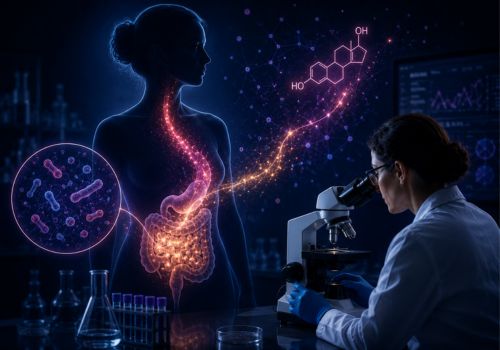
You may not realize it, but there are actually more than 130 possible menopause symptoms. While that number can feel overwhelming at first, it reflects how profoundly changing hormone levels — especially estrogen — can influence nearly every system in the body and mind.
Many symptoms are subtle, unexpected, and often interconnected, which is why understanding the full picture can help you recognize what your body may be trying to tell you during this transition.
Many of these symptoms are also influenced by deeper processes such as inflammation, metabolism, and nervous system regulation — which is why understanding the underlying patterns can be just as important as recognizing the symptoms themselves.
Table of Contents
Your Unique Experience
Menopause is a highly individual journey. You officially enter menopause when you have gone 12 consecutive months without a period. Not every woman will experience symptoms, and for those who do, the type, intensity, and duration can vary dramatically.
For many women, symptoms are most noticeable during perimenopause — the transitional phase leading up to the final period. As you move into menopause and postmenopause, some symptoms may ease, while others shift or evolve. It’s also important to remember that timing varies widely. Some women experience changes earlier or later than expected, and not everyone follows the “textbook” age or pattern.
If you’re experiencing certain symptoms, you may also notice others appearing over time. Many are interconnected, forming a complex web of hormonal, neurological, and metabolic changes within the body.
Things That Can Worsen Your Menopause Journey
While hormonal shifts are at the core of this transition, the severity and type of symptoms are shaped by outside influences as well as personal circumstances. Sleep quality, stress levels, nutrition, workload, emotional demands, and overall nervous system balance can all influence the intensity and duration of symptoms.
Think of it like a domino effect: one imbalance or period of strain can trigger or intensify others. Many of these factors also influence how your nervous system responds to stress and change over time.
Understanding the ADHD and Menopause Connection

A factor that can profoundly influence menopause symptoms is ADHD (Attention-Deficit/Hyperactivity Disorder). Speaking from personal experience, as a child — like many women — my behavior was often dismissed as simply “being difficult or naughty.” Many women now entering perimenopause and menopause grew up in a time when ADHD — especially in girls and women — was frequently undiagnosed or misunderstood.
The ADHD–menopause connection largely lies with estrogen, which helps support important brain messengers that influence how steady you feel day to day. When estrogen levels fluctuate and drop, it can also affect dopamine (focus and motivation) and serotonin (mood and emotional balance). That’s why ADHD symptoms can feel more intense during perimenopause and menopause.
Does ADHD Make Menopause Symptoms Worse?
For someone already managing ADHD, fluctuating and declining estrogen levels during menopause can feel like a “double whammy.” These hormonal changes can further affect important brain messengers, making existing ADHD challenges more noticeable and sometimes harder to manage. Many women describe periods of intense focus or productivity, where everything feels manageable and under control, followed by abrupt crashes in which energy, concentration, and mental stamina suddenly fade, leaving even simple tasks feeling overwhelming. This can feel confusing or frustrating, especially when nothing obvious seems to have changed.
This shift can show up in several ways, including:
Worsened Brain Fog and Memory Lapses
Already common with ADHD, concentration problems and forgetfulness may become far more noticeable during hormonal fluctuations.
Heightened Emotional Dysregulation
Mood swings, overwhelm, and irritability can intensify as estrogen levels influence emotional processing.
Exacerbated Sleep Disturbances
Night sweats, insomnia, and changing sleep patterns can worsen ADHD-related inattention and fatigue.
Profound Fatigue
The combined mental effort of ADHD alongside hormonal change can lead to deep physical and emotional exhaustion.
Many women receive an ADHD diagnosis for the first time in their 40s or 50s because long-standing coping strategies begin to break down under the additional neurological and hormonal demands of perimenopause.
This kind of deep exhaustion is one of the most commonly reported menopause symptoms, and understanding what’s behind it can make a significant difference in how you manage your energy day to day.
Symptoms When Menopause Arrives Later in Life: What May Feel Different
Not every woman enters perimenopause or menopause according to the “textbook” timeline. Some continue having regular cycles well into their late 50s or even early 60s, and when hormonal changes finally begin, the experience can feel different from what is often described.

Symptoms may appear more gradually or sometimes more suddenly, and they don’t always follow the expected pattern. Instead of classic hot flashes being the first sign, some women notice changes in sleep, mood, joint comfort, or energy levels before anything else.
Because late-onset menopause is rarely talked about, many women are left wondering whether what they are experiencing is “normal” — when in reality, it is simply another variation of a highly individual transition. If your menopause journey seems to be starting later than expected, learning more about late-onset menopause can offer reassurance and help you better understand changing symptoms.
Other Factors That Can Make Menopause Symptoms Worse
Beyond ADHD, various lifestyle choices, existing health conditions, and even environmental factors can significantly intensify your menopause symptoms. These factors often don’t act in isolation. They interact with each other and shape how symptoms appear and evolve over time.
Lifestyle Choices
What you do (or don’t do) daily can significantly impact how your body handles hormonal changes.
Chronic Stress: Ongoing stress keeps your body in a prolonged “fight-or-flight” state, which can amplify anxiety, mood swings, fatigue, and even hot flashes. Some women also explore calming adaptogens such as ashwagandha to support stress resilience during menopause.
Poor Diet: Diets high in sugar, refined carbs, or processed foods can lead to blood sugar imbalances and inflammation, worsening hot flashes, brain fog, and digestive issues. Over time, they may also affect gut health and microbiome balance, which can influence digestion, mood, inflammation, and overall menopause well-being.
Caffeine and Alcohol: These can trigger or worsen hot flashes and night sweats, disrupt sleep, and increase anxiety.
Smoking: A well-established risk factor for earlier menopause, smoking significantly worsens hot flashes, night sweats, and vaginal dryness, and increases the risk of bone and heart issues.
Lack of Physical Activity: A sedentary lifestyle can worsen weight gain and metabolic health, contributing to muscle loss, joint pain, fatigue, and negatively impacting mood and sleep quality.
Poor Sleep Habits: Inconsistent schedules, screen time before bed, or an uncomfortable sleep environment can worsen insomnia and the fatigue it causes.
Existing Health Conditions

If you are already managing other health conditions, the hormonal changes of menopause can sometimes complicate symptom patterns or make existing issues more noticeable.
Thyroid Disorders: Symptoms such as fatigue, weight changes, and mood fluctuations can closely resemble — or intensify — common menopause symptoms.
Diabetes and Insulin Resistance: Hormonal changes during menopause can affect blood sugar regulation, making existing diabetes or insulin resistance more difficult to manage.
Autoimmune Conditions: Hormonal shifts may contribute to flare-ups or the appearance of new symptoms in chronic inflammatory conditions.
Heart Conditions: As estrogen declines, existing cardiovascular conditions or risk factors, such as high blood pressure, may require closer monitoring.
Gastrointestinal Disorders: Conditions such as IBS, acid reflux, or Small Intestinal Bacterial Overgrowth (SIBO) may become more noticeable due to hormone-related changes in gut sensitivity, digestion, and microbiome balance.
Mental Health Conditions (Beyond ADHD): A history of anxiety or depression can mean hormonal fluctuations increase vulnerability to symptom flare-ups or emotional overwhelm during menopause.
Sleep Disorders: Pre-existing insomnia or sleep-related breathing conditions such as sleep apnea may worsen during menopause, contributing to fatigue, brain fog, and mood changes.
Environmental Factors

Increasingly, research suggests that certain environmental exposures may also influence hormonal balance and symptom experience during menopause.
- Endocrine-Disrupting Chemicals (EDCs): Found in some plastics, pesticides, and personal care products, endocrine-disrupting chemicals can interfere with natural hormone signaling and may influence menopause timing or symptom intensity.
- Pollution: Air and water pollution may contribute to systemic inflammation and oxidative stress, which can indirectly affect hormonal regulation and overall well-being.
- Extreme Temperatures: High heat and humidity can directly trigger or worsen menopause symptoms such as hot flashes, night sweats, fatigue, and irritability.
Preparing for a Smoother Transition

While you can’t stop menopause, you can absolutely take proactive steps to potentially lessen the severity of symptoms before they even begin or as you enter perimenopause. Building a strong foundation of well-being is key:
Prioritize a Nutrient-Rich Diet: Focus on whole foods, lean proteins, healthy fats, and foods rich in natural phytoestrogens such as flaxseed, alongside plenty of fruits and vegetables to support overall hormonal balance and reduce inflammation. Some women also explore natural approaches like fenugreek for menopause symptom support.
Embrace Regular Movement: Incorporate a mix of cardio, strength training, flexibility exercises, and supportive strategies, such as creatine to help maintain muscle mass, energy, and metabolic health during menopause.
Master Stress Management: Develop go-to techniques like mindfulness, yoga, breathwork, or spending time in nature to reduce chronic stress levels. Practices such as autogenic training may also help calm the nervous system during menopause.
Optimize Your Sleep Habits: Aim for consistent sleep schedules, create a relaxing bedtime routine, explore calming rituals such as aromatherapy, and ensure your bedroom is dark, quiet, and cool to support restorative rest.
Talk to Your Doctor Early: Discuss your family history of menopause, any existing health conditions, and current symptoms with your healthcare provider well before or as you enter perimenopause. They can help you prepare, monitor, and consider early interventions if needed.
By making informed choices and working with your healthcare team, you can approach your menopause transition with greater confidence and potentially reduce the intensity of its challenges.
Where to Start If You Feel Overwhelmed
If you’re noticing several of these symptoms and you’re not sure where to begin, you’re not alone. Menopause can feel confusing at first, especially when symptoms overlap or change over time.
You may find it helpful to start with one area that feels most noticeable:
- Struggling with sudden heat or night sweats? → Hot Flashes Guide
- Feeling constantly tired or drained? → Menopause Fatigue
- Experiencing anxiety or overwhelm? → Menopause Anxiety
- Not sure what matters most right now? → How to Prioritize Symptoms
Empower Yourself with Our Checklist
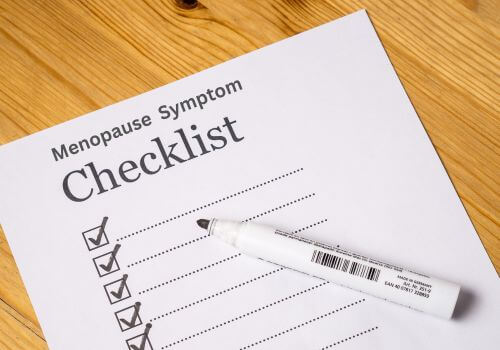
No matter what you’re experiencing, remember that you’re not alone. Menopause can feel confusing because symptoms often overlap, change over time, or appear in unexpected ways. To help you navigate this complex transition, we’ve grouped commonly reported menopause symptoms into easy-to-understand categories, offering a supportive and practical overview of what may be happening in your body. Every menopause journey is unique — and yours deserves understanding, not comparison.
Below, you’ll find an extensive list of commonly reported menopause symptoms. An asterisk (*) highlights symptoms that frequently overlap, are interconnected, or may trigger or influence one another.
It’s important to remember that no woman experiences all of these symptoms. Many appear temporarily, come and go as hormones fluctuate, or are influenced by lifestyle, health history, and personal circumstances. This list is not meant to overwhelm you, but to help you recognize patterns, feel reassured, and better understand what your body may be communicating during this transition.
If you’re unsure where to begin or which symptoms deserve your attention first, our guide on prioritizing menopause symptoms can help you take the next step with clarity and confidence.
Symptoms are grouped by body systems to help you recognize connections and better understand what your body may be experiencing.
Menopause symptoms rarely appear in isolation. Sleep disruption, anxiety, metabolism changes, digestion shifts, skin changes, and emotional well-being are often connected through hormonal shifts and nervous system regulation changes. If several symptoms feel familiar, exploring the underlying patterns may help you better understand what your body needs.
This article is part of our complete menopause symptoms guide. You may also wish to explore:
• 130+ Menopause Symptoms Explained: Emotional & Cognitive Changes (Part 2)
• 130+ Menopause Symptoms Explained: Skin, Hair & Whole-Body Changes (Part 3)
Together, these guides offer a deeper understanding of the wide range of changes women may experience during menopause.
A. Vasomotor Menopause Symptoms

Vasomotor symptoms are among the most well-known and characteristic symptoms of menopause. They are directly related to the body’s temperature regulation system and are typically experienced as sudden sensations of heat that seem to rise through the body.
These symptoms occur because hormonal fluctuations — particularly changes in estrogen levels — can affect the hypothalamus, the part of the brain responsible for regulating body temperature.
As a result, the body may suddenly trigger heat-dissipating responses such as flushing, sweating, or chills.
Vasomotor symptoms are most commonly experienced as hot flashes and night sweats, but they can also involve related sensations such as chills or temperature instability.
1. Hot Flashes / Flushes *
Hot flashes are one of the most well-known symptoms of menopause. Many women describe them as a sudden internal wave of heat that begins in the chest and quickly rises to the neck and face. This sensation can feel intense and appear without warning, sometimes causing the skin to become visibly flushed or red (see Point 66 in Part 2).
A hot flash can last anywhere from a few seconds to several minutes. During an episode, the body may begin sweating as it tries to cool itself down, and some women also notice a rapid heartbeat or a brief feeling of anxiety while it occurs.
These episodes happen because hormonal fluctuations — particularly declining estrogen levels — affect the brain’s temperature regulation system. As a result, the body can mistakenly trigger heat-release responses even when there is no real change in temperature.
For many women, hot flashes become one of the first noticeable signs that hormonal changes are underway. Natural remedies such as black cohosh are also commonly explored for hot flash support.
2. Night Sweats *
Night sweats are essentially hot flashes that occur while you are sleeping. They involve sudden waves of heat that can cause intense sweating, often strong enough to wake you up and leave your nightclothes or bedding damp.
Because these episodes happen during the night, they can significantly disrupt sleep. Many women find themselves waking repeatedly to cool down, change clothes, or adjust their bedding. Over time, this fragmented sleep can contribute to fatigue and daytime exhaustion (see Points 68, 69, 70, 72, 73 in Part 2). Some women also explore supportive approaches such as magnesium to help support relaxation and sleep quality during menopause.
Like daytime hot flashes, night sweats occur because hormonal fluctuations — particularly declining estrogen levels — affect the brain’s temperature regulation system, causing the body to release heat even when it is not necessary.
3. Cold Flashes
Although less common than hot flashes, some women experience sudden chills or a feeling of being unusually cold during menopause. These cold flashes often occur immediately after a hot flash or night sweat, when the body rapidly shifts from releasing heat to cooling down again (see Points 1 and 2).
Many women describe this pattern as a constant cycle of “duvet on, duvet off” throughout the night — one moment feeling overheated, the next suddenly cold. This repeated temperature fluctuation can make restful sleep difficult and may contribute to the sleep disturbances often experienced during menopause (see Points 68–70 in Part 2).
Like other vasomotor symptoms, these sensations are linked to hormonal fluctuations that temporarily disrupt the body’s internal temperature regulation.
4. Palpitations / Heart Racing *
Some women suddenly become aware of their heart beating faster, harder, or irregularly during menopause. This sensation is often described as a pounding, fluttering, or racing heartbeat and can occur during a hot flash or appear independently.
Although these episodes are usually harmless, they can feel alarming when they happen unexpectedly. Palpitations are often linked to hormonal fluctuations that influence the autonomic nervous system, which helps regulate heart rate and circulation.
For many women, these sensations are also connected to anxiety or panic episodes (see Points 6 and 10). A more detailed explanation of menopause-related heart palpitations can be found later in this guide (see Point 97 in Part 2).
5. Sudden Onset of Sweating
Beyond night sweats, some women notice sudden episodes of sweating that appear without much physical exertion. You may suddenly feel perspiration on your face, neck, or body even in relatively cool environments. These episodes can feel uncomfortable or embarrassing, especially when they happen unexpectedly in public situations (see Points 6 and 21).
Sudden sweating is closely linked to the same hormonal fluctuations that trigger hot flashes. As estrogen levels change, the brain’s temperature regulation system may mistakenly signal the body to release heat, causing sweating even when it isn’t necessary.
Many women can recall moments when this happens at the most inconvenient times. I remember flying during the COVID period when airport security was checking everyone’s temperature. Out of nowhere, sweat started pouring down my face, and my immediate thought was: “Security will surely think I’m suspicious and deny me boarding.”
B. Psychological & Emotional Menopause Symptoms

Hormonal changes can significantly impact your brain chemistry, leading to shifts in mood, feelings, and how you react to stress. It’s not “all in your head”; these are real, hormonally-driven changes.
6. Anxiety *
During menopause, some women experience a heightened sense of worry, nervousness, or unease, even about situations that would not normally cause concern. These feelings can range from mild apprehension to more persistent or intense anxiety.
Hormonal fluctuations — particularly changes in estrogen and progesterone — can influence neurotransmitters in the brain that regulate mood and emotional balance. As a result, the nervous system may become more sensitive to stress, making anxiety feel stronger or appear unexpectedly.
The encouraging news is that there are several natural techniques that can help calm the nervous system and reduce anxiety without medication. Practices such as breathwork and autogenic training can be particularly helpful in restoring a sense of calm and emotional balance.
7. Mood Swings *
One moment you may feel perfectly fine, and the next you might suddenly feel irritable (see Point 8) or unexpectedly tearful (see Point 9). These rapid emotional shifts can feel confusing and unpredictable, especially when they appear without an obvious trigger.
Mood swings during menopause are largely driven by hormonal fluctuations. Changes in estrogen and progesterone levels can influence neurotransmitters such as serotonin, which play an important role in regulating mood and emotional stability.
As a result, emotions may feel closer to the surface than usual, and small situations can sometimes provoke stronger reactions than they once did.
8. Irritability *
During menopause, you might find yourself becoming more easily annoyed, frustrated, or short-tempered with others — sometimes even over small things. Situations that once felt manageable may suddenly test your patience much more quickly.
This irritability is often linked to hormonal fluctuations that influence mood-regulating neurotransmitters in the brain. As estrogen levels shift, emotional responses can become more sensitive, making frustration or impatience feel stronger than usual.
For a long time, I personally assumed this was simply part of getting older — finally feeling entitled to drop the filter and having a shorter fuse with people who waste my time. Only later did I realize that these reactions can also be closely linked to the hormonal changes happening during menopause.
9. Depression *
Feelings of sadness, hopelessness, or a loss of interest in activities you once enjoyed can sometimes emerge or worsen during menopause (see Points 11 and 14). For some women, this may appear as a persistent low mood or a general sense that things feel heavier or more difficult than before.
Hormonal fluctuations can influence neurotransmitters in the brain that help regulate mood, which may make emotional resilience feel lower during this time. At the same time, midlife often brings its own emotional challenges. As we grow older, we may begin to experience the loss of people around us, and the realization that our own generation is gradually moving into a different stage of life can sometimes feel like a harsh reality check.
Hormonal changes during the menopause transition can increase vulnerability to mood disorders such as depression. For a deeper medical explanation, see this overview from Johns Hopkins Medicine.
It is also important to recognize that depression can occur later in life, even well beyond menopause. If feelings of sadness, hopelessness, or loss of interest persist or begin to interfere with daily life, it is important to seek support from a healthcare professional or mental health specialist.
10. Panic Attacks *
These are sudden, intense episodes of fear or overwhelming discomfort that can appear without warning. They are often accompanied by physical symptoms such as heart palpitations (see Point 97, Part 2), shortness of breath (see Point 116, Part 3), dizziness (see Point 99, Part 2), or chest pain (see Point 100, Part 2).
Because these sensations can feel very physical and intense, many women initially worry that something serious is happening to their heart or overall health. Panic attacks can appear out of nowhere and may leave you feeling shaken or doubting your own sense of control.
Several of the physical sensations associated with panic attacks are explained in more detail elsewhere in this guide. For further information, see Points 97, 99, and 100 in Part 2, as well as Point 116 in Part 3.
11. Low Motivation
During menopause, some women notice a significant drop in motivation. You might find it harder to feel excited about things, start tasks, or pursue activities you normally enjoy, experiencing a general lack of drive or initiative (see Points 71 and 79 in Part 2 and Point 130 in Part 3).
Hormonal fluctuations can influence brain chemicals such as dopamine, which plays an important role in motivation, reward, and goal-directed behavior. When these signals become less stable, everyday tasks can suddenly feel much harder to start or complete.
I sometimes feel like I’m 90 years old: I wake up in the morning, make my coffee, and by the time I’ve finished it, I feel ready to go back to bed again. Everything seems to require effort. Hours can pass while procrastinating, only to realize later that the tasks I avoided could probably have been finished ten times over in the time I spent putting them off.
Understanding the psychology behind procrastination and reduced motivation can also be helpful in breaking this cycle.
12. Increased Stress Sensitivity
During menopause, everyday stressors may begin to feel amplified. Situations that once felt manageable — such as work pressure, busy environments, or minor inconveniences — may suddenly feel more overwhelming, and your ability to cope calmly with stress can feel reduced.
This happens because hormonal fluctuations, particularly changes in estrogen levels, can affect the nervous system and the brain’s stress regulation centers. As a result, the body may react more strongly to pressure, making everyday situations feel more intense than they once did.
For years I never quite understood why many older people seemed to have such a short fuse when the queue in the supermarket or at the doctor’s office became too long. Now I see that impatience through different eyes. It’s less about being grumpy and more about thinking: “You may still be young, but I don’t want to waste my precious time waiting in line anymore.”
13. Feelings of Dread
Some women experience an unsettling sense of impending doom or intense apprehension, even when there is no clear reason for it. This feeling can appear suddenly and may create a persistent sense that something bad is about to happen.
Hormonal fluctuations during menopause can influence the brain’s emotional regulation systems and stress-response pathways. As a result, feelings of fear or unease can sometimes become more pronounced, even in situations that would normally feel manageable.
These feelings can also go hand in hand with depression (see Point 9). As we grow older, we may increasingly witness friends or family members becoming ill or passing away. These experiences can act as a powerful reminder of our own fragility and vulnerability.
14. Lack of Enthusiasm / Apathy
Some women notice a reduced sense of enthusiasm or emotional engagement during menopause. Activities that once felt enjoyable or exciting may suddenly seem less interesting, and it may take more effort to feel motivated or involved.
Hormonal fluctuations can influence brain chemicals that regulate motivation, reward, and emotional responsiveness. As these signals shift, the sense of excitement or anticipation that normally accompanies hobbies, social activities, or daily routines may temporarily feel diminished.
This lack of enthusiasm can sometimes overlap with low motivation (see Point 11) or depression (see Point 9). If feelings of apathy or emotional detachment persist or begin to affect daily life, it may be helpful to speak with a healthcare professional.
15. Feeling Overwhelmed
During menopause, even simple daily tasks or responsibilities may suddenly feel like too much to handle (see Points 74, 76, and 79 in Part 2). What once felt manageable can start to feel mentally heavy, leading to a sense of being swamped or unable to cope.
Hormonal fluctuations can affect cognitive processing, emotional regulation, and stress resilience. As a result, the brain may struggle more with prioritizing tasks or filtering information, which can make everyday demands feel overwhelming.
From a young age, most of us were told “Think before you act.” But during this phase it can sometimes feel like we think — and then can’t stop thinking. Instead of helping us move forward, overthinking can leave us feeling stuck and overwhelmed.
This is where procrastination often enters the picture. When tasks feel too large or mentally exhausting, we may delay starting them, which in turn increases stress and reinforces the feeling of being overwhelmed. Breaking tasks down into smaller steps and tackling them one at a time can often help interrupt this cycle.
16. Emotional Numbness
Some women experience a sense of emotional detachment during menopause, feeling somewhat disconnected from their emotions (see Point 9). Joy, excitement, sadness, or emotional reactions may feel muted, as if the emotional volume has been turned down.
Hormonal fluctuations can influence brain chemicals involved in emotional processing. As a result, emotional responses may sometimes feel less intense or slightly distant compared to earlier in life.
This doesn’t necessarily mean a lack of empathy when something difficult or sad happens. It often feels more like viewing situations with greater realism and emotional distance — responding thoughtfully rather than reacting immediately.
17. Loss of Sense of Humor
Some women notice that their sense of humor seems to change during menopause. Situations that once felt amusing may not trigger the same spontaneous laughter or lighthearted reaction as before (see Point 14).
Hormonal fluctuations can influence neurotransmitters such as serotonin and dopamine, which are involved in mood regulation, emotional processing, and reward responses. When these signals shift, emotional reactions — including laughter and playfulness — may temporarily feel less spontaneous.
For some, humor doesn’t disappear but simply changes in tone, sometimes becoming more reflective, subtle, or dry rather than lighthearted.
18. Loss of Confidence *
Some women notice a sudden drop in their self-assurance and belief in their own abilities during menopause, both personally and professionally. This shift can sometimes appear out of the blue, without any clear reason or warning, leaving you wondering why tasks or situations that once felt manageable now seem more intimidating.
Several menopause symptoms can combine to create this effect. A mixture of brain fog (see Point 74), anxiety (see Point 6), procrastination (see Point 11), reduced self-esteem (see Point 19), and feeling overwhelmed (see Point 15) can gradually undermine confidence.
It can feel paradoxical — the more you start questioning your abilities, the more difficult things may seem. Recognizing that these changes can be linked to hormonal fluctuations and other menopause symptoms can be an important first step toward rebuilding confidence.
19. Self-Esteem Issues *
Some women notice a shift in how they perceive themselves during menopause. You might begin to feel less positive about your abilities, your appearance, or your overall sense of worth, sometimes without any clear trigger or warning.
Hormonal fluctuations, combined with physical and emotional changes, can influence how we evaluate ourselves. When symptoms such as anxiety, fatigue, or brain fog appear at the same time, it can become easier to doubt your own abilities or feel inadequate.
These feelings often go hand in hand with a loss of confidence (see Point 18), creating a cycle in which self-doubt reinforces insecurity.
20. Increased Pessimism
Some women notice a tendency to focus more on the negative aspects of situations or to expect unfavorable outcomes, rather than maintaining their usual positive outlook (see Points 9 and 13).
Hormonal fluctuations can influence mood-regulating neurotransmitters in the brain, which may make thoughts feel heavier or more critical than usual. As a result, it may become easier to dwell on problems or assume that things will not work out well.
Midlife can also bring moments of reflection about aging and life’s direction. After decades of building careers, families, and responsibilities, some women begin to question what lies ahead. Up to around the age of 50, many of us feel as though life has been an uphill journey of building and striving. Afterwards, it can sometimes feel as though we are starting to move down the other side of the hill, which can naturally influence how we view the future.
At times like this, it can be helpful to shift the focus away from trying to control everything through sheer willpower and instead concentrate on what we can realistically influence. This perspective can help restore a greater sense of balance and reduce the tendency toward pessimistic thinking.
21. Social Anxiety / Withdrawal
Some women notice that social situations begin to feel more exhausting or anxiety-provoking during menopause (see Point 6). You might feel uncomfortable in larger groups, become more easily overwhelmed, or find yourself withdrawing from social interactions that once felt enjoyable.
Hormonal fluctuations can influence the nervous system and stress response, making the brain more sensitive to stimulation. As a result, busy environments, conversations, or crowded gatherings may feel mentally draining much faster than they once did (see Point 15).
I sometimes describe myself as a “part-time extrovert.” I still enjoy meeting friends, but if there are too many people or too much noise, my batteries seem to run down much faster than they used to (see Point 71). When that happens, I often need to step back and recharge before I feel ready to engage again.
There are also simple techniques that can help calm the nervous system and reduce anxiety without medication. Finding strategies that work for you can make social situations feel more manageable again.
There are also simple techniques that can help calm the nervous system and reduce anxiety without medication. You can explore several practical strategies in 10 Natural Ways to Combat Anxiety During Menopause.
C. Skeletal & Joint Menopause Symptoms

As estrogen levels decline, it impacts bone density and the health of your joints and muscles. This can lead to new aches and pains or worsen existing ones.
22. Joint Pain / Aches *
Some women begin to notice generalized aches or specific pains in their joints during menopause. Knees, hips, shoulders, or hands may suddenly feel stiff or sore, even without heavy exercise or obvious injury.
Hormonal changes — particularly declining estrogen levels — can influence inflammation, joint lubrication, and connective tissue health. As a result, joints may feel less flexible and more prone to discomfort during this stage of life.
Menopausal weight gain (see Point 85 in Part 2) can sometimes add additional strain on joints, which may make aches and stiffness more noticeable. Because estrogen also supports bone and joint health, it is wise to keep an eye on bone density and joint health as we age, even if conditions such as osteoporosis or osteoarthritis do not run in the family.
23. Stiff Joints *
Many women notice increased joint stiffness during menopause, particularly after periods of rest. This is often most noticeable in the morning, when joints may feel tight or difficult to move until they gradually “warm up” again (see Point 130 in Part 3).
Hormonal changes — especially declining estrogen levels — can influence joint lubrication, connective tissue flexibility, and inflammation levels. As a result, joints may feel stiffer or less fluid in their movement than they once did.
Do you sometimes feel as though you’re auditioning for a role in I, Robot first thing in the morning? Those first few steps to the bathroom can feel surprisingly robotic. Fortunately, after a few steps, the body usually remembers how to move more naturally again.
24. Muscle Aches / Pains *
In addition to joint discomfort, some women experience persistent soreness, stiffness, or tenderness in their muscles during menopause, even without strenuous activity. These aches can appear in different parts of the body, such as the back, legs, or hips.
Hormonal changes — particularly declining estrogen levels — can influence muscle recovery, inflammation, and connective tissue health. As a result, muscles may feel tighter, more sensitive, or slower to recover after normal daily activity.
Many women notice that their bodies no longer feel quite as “well-oiled” as they once did. Movements that previously felt effortless may suddenly be accompanied by small aches or niggles that seem to appear without an obvious reason.
Nighttime leg cramps are another common complaint at this stage of life, though not everyone experiences them. Some women find that supporting muscle function through adequate hydration, gentle stretching, or nutrients such as magnesium may help reduce cramping.
25. Loss of Muscle Mass (Sarcopenia)
You might notice your muscles feeling weaker or appearing smaller than before, which can make certain everyday tasks feel more challenging (see Point 130 in Part 3).
Hormonal changes during menopause — particularly declining estrogen levels — can influence muscle strength, recovery, and protein metabolism. As a result, muscle mass may gradually decrease, a process sometimes referred to as age-related muscle loss.
Reduced physical activity, sleep disturbances, or metabolic changes during midlife can also contribute to this shift. Maintaining regular strength training, adequate protein intake, and overall physical activity can help support muscle health during this stage of life.
26. Osteoporosis (bone density loss) *
Osteoporosis is a menopause-related condition in which bones gradually lose density and strength, increasing the risk of fractures. The decline in estrogen during and after menopause plays an important role in this process because estrogen helps maintain the balance between bone breakdown and bone formation. When estrogen levels fall, bone loss can accelerate, particularly in the spine, hips, and wrists.
Because bone density changes happen slowly and usually without obvious symptoms, osteoporosis is often referred to as “the silent disease.” Many women only become aware of changes in bone strength later in life, which is why monitoring bone health becomes increasingly important after menopause.
The encouraging news is that bone density can be measured easily. A DEXA scan is a simple and painless test that helps assess bone strength and identify early bone loss. Many health organizations recommend discussing bone density testing with a healthcare professional from around the age of 50 or after menopause, especially if additional risk factors are present.
Early awareness allows women to take proactive steps to protect their bones. Lifestyle measures such as regular weight-bearing exercise, adequate calcium and vitamin D intake, and maintaining muscle strength can help support bone health. In addition, several medical treatments are available that can slow bone loss and reduce fracture risk when osteoporosis is diagnosed. Check with your doctor to understand what options are available and which approach may be most appropriate for you.
27. Decreased Grip Strength
You might find it harder to open jars, carry bags, or perform tasks that require hand strength. This often goes hand in hand with the loss of muscle mass that can occur during and after menopause (see Point 25).
Hormonal changes, particularly the decline in estrogen, can influence how well the body maintains muscle strength over time. As muscle mass gradually decreases, everyday activities that rely on grip strength may begin to feel more difficult.
The encouraging news is that muscle strength can be supported at any age. Resistance training, simple hand-strengthening exercises, and adequate protein intake can all help maintain muscle mass and functional strength during midlife and beyond.
28. Tendonitis / Tendon Pain
Inflammation or pain in the tendons — the tissues connecting muscles to bones — can sometimes develop during midlife. This may occur in areas such as the shoulders (rotator cuff), elbows, hips, or heels, and can present as stiffness, tenderness, or discomfort during movement.
Hormonal changes may contribute to this. Estrogen helps support connective tissue health, including tendons. As estrogen levels decline during menopause, changes in collagen structure and tendon resilience may occur, which can make tendons more susceptible to irritation or overuse.
Some women describe this as their tendons feeling stiffer or less flexible than before.
Supporting overall joint and connective tissue health may help. Omega-3 fatty acids, glucosamine, and chondroitin are sometimes used for joint support, although results vary between individuals. If the pain persists, it is advisable to consult a healthcare professional to discuss possible causes and treatment options, especially before starting new supplements.
29. Back Pain
Persistent or new back aches can occur during midlife, ranging from a dull, ongoing discomfort to sharper episodes of pain. Several factors can contribute to this. Many people develop weaker back muscles over time because modern lifestyles involve long periods of sitting, limited movement, or lifting objects incorrectly. Poor posture can also place additional strain on the muscles and ligaments that support the spine.
Sleep disturbances may play a role as well. Tossing and turning in bed due to night sweats (see Point 2) or restlessness (see Point 69, Part 2) can occasionally lead to muscle strain or stiffness the following day.
On a broader level, back discomfort can also reflect how the body carries tension over time. Stress and prolonged muscle tension in the shoulders and upper body may gradually shift downward, contributing to tightness or discomfort in the back.
30. Neck Pain
Stiffness or pain in the neck area can sometimes appear during midlife and may extend into the shoulders or upper back. This discomfort can range from mild tightness to more persistent stiffness that makes turning the head or maintaining certain positions uncomfortable.
Several factors can contribute to neck pain. For example, when sweating during hot flashes or night sweats (see Point 1), some people try to cool down quickly with a fan or air conditioning, which can occasionally lead to muscle stiffness. Neck tension can also be related to stress or anxiety, as the body often responds by unconsciously tightening muscles in the shoulders and neck (see Point 6), which over time may lead to discomfort or reduced mobility.
31. Hip Pain
Discomfort or aching in the hip joints can occur during midlife and may affect mobility, walking, or sitting for longer periods. Several factors can contribute to hip pain. Changes in weight distribution during menopause (see Point 85, Part 2), prolonged sitting, a sedentary lifestyle, or occasionally overexertion can all place additional strain on the hip joints and surrounding muscles.
Another possible contributor is musculoskeletal imbalance. The body works as a connected structural system, similar to a scaffold. If the base is slightly misaligned — for example, at the feet or ankles — this small difference can gradually become more noticeable higher up the body, including in the hips. Over time, the muscles may try to compensate for this imbalance, which can lead to one side becoming stronger or tighter while the other side becomes weaker.
Hip discomfort can also have other causes. In some cases, persistent hip pain may be related to bone health and should be evaluated by a healthcare professional, particularly because hip pain can occasionally be associated with conditions like osteoporosis (see Point 26) or osteoarthritis.
32. Knee Pain
Aches or stiffness in the knees sometimes develops during midlife. It may become more noticeable when walking, climbing stairs, or standing for longer periods. Several factors may contribute to this discomfort. Similar to hip pain (see Point 31), menopause-related weight gain (see Point 85, Part 2), prolonged sitting, or reduced physical activity can place additional strain on the knee joints.
Skeletal alignment may also play a role. When the body is slightly misaligned, the muscles and joints often compensate, which over time can place uneven pressure on the knees. In addition, changes in synovial fluid — the natural lubrication inside the joint — may contribute to stiffness, particularly after periods of rest. Weak or overstretched tendons around the knee can also affect joint stability and comfort.
33. Foot Pain
Foot pain or discomfort can sometimes appear during midlife and can make walking or standing for longer periods uncomfortable. Our feet carry the full weight of the body every day, so even small issues can quickly become noticeable.
Foot care is not just a beauty treatment. Your feet literally carry you through life, which is why maintaining good foot health is so important.
Conditions such as plantar warts, minor injuries, poorly fitting footwear, or structural changes like hammer toes can all lead to significant discomfort if left untreated.
Some women also notice structural changes in their feet during menopause, including widening feet, fallen arches, or needing a larger shoe size. Learn more about why some women experience bigger feet during menopause.
Taking good care of your feet can help prevent many problems. If pain or changes in the feet occur, it is often advisable to consult a qualified podiatrist rather than relying solely on cosmetic foot treatments, as proper foot care plays an important role in overall mobility and balance.
34. Wrist Pain
Aching or soreness in the wrists may be accompanied by stiffness or reduced flexibility. Everyday activities can sometimes trigger wrist discomfort. For example, applying strong force when trying to open a tightly sealed jar — especially when muscle strength has declined (see Point 25) or when the wrist becomes overstretched — may result in a sharp, sudden pain.
Repetitive movements can also contribute to wrist problems. Typing for long periods may irritate structures within the wrist and, in some cases, contribute to conditions such as carpal tunnel syndrome. Sleeping positions may also play a role, particularly when the wrists remain bent or twisted for extended periods during the night.
Another factor that is often overlooked is that many people focus on exercising the larger muscle groups but rarely train the smaller joints and muscles in the wrists, fingers, and feet. Maintaining strength and mobility in these areas can help support overall joint function.
If wrist pain feels unusual, persists, or requires regular pain medication, it is advisable to consult a healthcare professional to rule out underlying conditions such as rheumatism, gout, or certain forms of arthritis.
35. Finger Stiffness/Pain
Several factors may contribute to this discomfort. These include joint inflammation, changes in synovial fluid (the natural lubrication inside joints), tendon shortening, or water retention (see Point 121, Part 2). Structural changes in the connective tissue of the hand can also occur in some individuals.
Swelling in the fingers may also be related to fluid retention or circulation changes.
If finger stiffness or pain persists, becomes more severe, or affects daily activities, it is advisable to consult a healthcare professional to rule out autoimmune conditions such as rheumatism, gout, or certain forms of arthritis.
D. Genitourinary & Sexual Menopause Symptoms (GSM)

Genitourinary Syndrome of Menopause (GSM) is a collection of symptoms caused by the decline in estrogen affecting the vaginal, vulvar, and urinary tract tissues. These changes can significantly impact sexual health and daily comfort.
36. Vaginal Dryness *
This is one of the most common GSM symptoms. As estrogen levels decline, your vaginal tissues may produce less natural lubrication, which can lead to a feeling of dryness, irritation, or increased sensitivity (see Points 39, 43 & 46). Many women experience this change during perimenopause or after menopause, although it is not always openly discussed.
The reassuring part is that vaginal dryness is very manageable. Gentle vaginal moisturizers or creams can help support hydration and comfort, and some women also benefit from lubricants during intimacy. If symptoms persist or become uncomfortable, it is advisable to consult a healthcare professional, as several effective treatment options are available.
37. Painful Intercourse (Dyspareunia) *
Due to vaginal dryness (see Point 36) and thinning of the vaginal tissues (see Point 43), sexual activity may become uncomfortable or even painful. These changes are common during menopause and are usually linked to reduced elasticity and lubrication of the vaginal tissues as estrogen levels decline.
Beyond the physical discomfort, this symptom can sometimes affect emotional wellbeing. Some women experience anxiety around intimacy or a temporary loss of libido (see Point 38), and this may occasionally put a strain on relationships if the underlying cause is not recognized or discussed openly.
Various treatments can help improve comfort. Vaginal creams, suppositories, or gels are often used to support moisture and tissue health. Some products contain local estrogen, which acts mainly in the vaginal area and is used specifically for vaginal and urinary symptoms rather than hot flashes or night sweats. Because the dose is low and only a very small amount is absorbed into the rest of the body, it is generally considered a low-risk treatment for many women. It is still advisable to consult your doctor to find out which option may be most suitable for you.
38. Lower Libido / Decreased Sex Drive *
You might notice a significant drop in your desire for sexual activity. This can be influenced by hormonal changes, physical discomfort during intimacy (see Point 37), or psychological factors such as increased body awareness due to weight gain (see Point 85, Part 2), feelings of anxiety (see Point 6), or a loss of confidence and not feeling attractive or “sexy” anymore (see also Points 18 & 19).
Sexual desire can also fluctuate naturally during midlife, and priorities or relationship dynamics may evolve over time. Differences in libido can sometimes create uncertainty in a relationship, particularly if the underlying hormonal and physical changes are not fully understood.
Nevertheless, closeness and intimacy remain important for emotional connection and mental wellbeing. Physical affection releases endorphins and other feel-good hormones, which can help improve mood and reduce stress. And while intimacy may not always be quite as spontaneous as it once was, it can still be a meaningful and enjoyable part of life — sometimes simply requiring a little more communication, patience, or good timing (see Points 48 & 49).
39. Vaginal Itching / Irritation *
The thinning (see Point 43) and drying of vaginal tissues (see Point 36) can cause persistent itching, burning, or general irritation. It goes hand in hand with vaginal dryness, whereby dry skin rubs against material. Using natural calming gels or creams like organic aloe vera, marigold (Calendula officinalis), or products from your pharmacy can help, but check with your health consultant for advice.
And sometimes intimacy does not need to mean sex at all. A reassuring hug, a gentle touch, or simply knowing that someone cares and understands can be just as important for feeling safe, connected, and supported during times of change. Although vaginal itching is common, some women also experience itching on other parts of the body, including the ears, scalp, face, and limbs.
40. Urinary Urgency / Frequency *
You might feel a sudden, strong need to urinate, or find yourself needing to go to the bathroom much more often than before. Some women also notice that they need to get up during the night several times to use the toilet, which can disrupt sleep (see Points 68–70, Part 2) and leave you feeling tired or irritable the next day.
Repeated sleep interruptions do more than simply disturb rest. Deep sleep is an important time for the body to repair tissues, regulate hormones, and recover from daily stress, so fragmented sleep can make it harder for the body to restore itself properly and may contribute to menopause fatigue.
Hormonal changes during menopause can affect the tissues of the bladder and urethra, making them more sensitive and sometimes reducing bladder control. As a result, the urge to urinate may come on very suddenly — the familiar feeling of needing to go now, not in five or ten minutes. Many women also find themselves trying to balance drinking enough water to stay hydrated while avoiding too many nighttime bathroom trips.
For some women, urinary urgency may also be accompanied by bladder leakage, particularly after childbirth or if the pelvic floor muscles have weakened over time.
41. Recurrent UTIs (Urinary Tract Infections) *
Changes in the lining of the urinary tract during menopause can make some women more susceptible to bladder infections. This is largely linked to declining estrogen levels, which normally help maintain the strength and resilience of the tissues in the vagina and urinary tract.
As estrogen levels fall, the vaginal environment may become less acidic and the tissues can become thinner and drier (see Points 36 & 43). These changes weaken some of the body’s natural protective barriers, making it easier for bacteria to grow and move into the urinary tract.
Because the tissues are more delicate, small irritations or microscopic tears may also occur, which can allow bacteria to settle more easily and increase the likelihood of infection.
If urinary tract infections begin to occur more frequently during menopause, it is advisable to consult a healthcare professional, as several treatments and preventive strategies are available.
42. Stress Incontinence (leaking urine with cough/sneeze) *
Stress incontinence is a common symptom where small amounts of urine leak involuntarily when you cough, sneeze, laugh, or exert yourself. Many women know the familiar moment of laughing so hard that a few drops of urine escape. While this can happen at different stages of life, it often becomes more noticeable during menopause.
For menopausal women, the problem is frequently linked to weakened pelvic floor muscles and supporting tissues, partly due to declining estrogen levels and sometimes as a result of previous natural childbirth. When pressure inside the abdomen suddenly increases — for example when coughing, sneezing, lifting something heavy, or exercising — the bladder may struggle to hold urine effectively.
Besides the physical inconvenience, stress incontinence can also affect emotional wellbeing, sometimes increasing anxiety (see Point 6) or reducing self-confidence (see Point 18).
The good news is that in many cases the condition can be improved or even prevented. Regular pelvic floor exercises, often called Kegel exercises, help strengthen the muscles that support the bladder. Some women also benefit from working with a pelvic floor physiotherapist or using training devices that help activate the correct muscles more effectively. In more persistent cases, additional treatments are available. If stress incontinence begins to interfere with daily life, it is advisable to consult a healthcare professional or pelvic floor therapist, particularly if pelvic organ prolapse may also be involved (see Point 45).
43. Vaginal Atrophy (thinning of vaginal walls) *
In much the same way that the skin on our body becomes thinner during menopause (see Point 62, Part 2), the tissues of the vagina can also become thinner and more delicate. As estrogen levels decline, the vaginal walls may lose some elasticity and natural moisture, which can contribute to dryness, irritation, and discomfort (see also Points 36, 37, 39 & 46).
Because the tissues become more fragile, some women may notice increased sensitivity, small irritations, or discomfort during daily activities or intimacy.
Various treatments can help improve vaginal comfort and tissue health. Vaginal moisturizers or creams are often recommended, and some women benefit from local vaginal estrogen treatments, which act mainly in the vaginal area rather than the whole body. It is always advisable to consult a healthcare professional to determine the most suitable option.
44. Clitoral Discomfort / Sensitivity
Some women may notice that the clitoris becomes overly sensitive, irritated, or even painful, which can affect sexual comfort or pleasure. This can be linked to genitourinary syndrome of menopause (GSM), where declining estrogen leads to thinning and increased fragility of the surrounding tissues (see Point 43) and reduced natural lubrication (see Point 36). As a result, the vulvar and clitoral area may feel more sensitive, sore, or prone to burning sensations.
Hormonal changes may also reduce blood flow to the genital tissues. Over time, this can lead to clitoral atrophy, where the clitoris may become less responsive or partially retract beneath the surrounding tissue.
In some cases, reduced sexual activity may also contribute to decreased blood flow in the area, which can further affect sensitivity (see also Points 48 & 49). More complex factors such as pelvic floor tension, nerve irritation (for example involving the pudendal nerve), or adhesions can sometimes cause clitorodynia, a condition characterized by burning, sharp, or hypersensitive pain around the clitoral area.
If clitoral discomfort persists, it is advisable to consult a healthcare professional. Treatments such as local estrogen therapy, specialized vaginal moisturizers, or pelvic floor physiotherapy may help improve tissue health, comfort, and overall sexual well-being.
45. Pelvic Organ Prolapse
Weakening of the pelvic floor muscles and supporting tissues can cause pelvic organs such as the bladder (cystocele), uterus (uterine prolapse), or rectum (rectocele) to shift from their normal position and drop downward. This condition is known as pelvic organ prolapse.
While prolapse most commonly affects women who have had natural childbirth due to stretching of the pelvic floor muscles, the decline in estrogen during menopause can further weaken these supporting tissues, making prolapse more likely or worsening an existing condition.
Symptoms may include a feeling of heaviness or pressure in the pelvic area, the sensation that something is “falling out,” or even a visible bulge in the vaginal area. Prolapse can also put pressure on nearby organs, sometimes leading to urinary incontinence (see Point 41) or difficulties with bowel movements (see Point 88, Part 2).
Pelvic floor strengthening exercises, such as Kegel exercises, may help improve mild cases by strengthening the muscles that support the pelvic organs. In more advanced situations, medical treatments or surgical options may be recommended. If you feel that pelvic organ prolapse is affecting your comfort or quality of life, it is advisable to consult a healthcare professional.
46. Vulvar Dryness / Itching *
Similar to vaginal dryness (see Point 36), the outer genital area may also become dry, itchy, or irritated (see Point 39). This happens because declining estrogen levels can make the skin in the vulvar area thinner, more delicate, and more sensitive.
Some women find relief by using gentle, fragrance-free products such as organic calendula or aloe vera preparations designed for sensitive skin.
It can also help to avoid potential irritants. Perfumed sanitary products, soaps, tight clothing, or synthetic underwear may aggravate the already sensitive skin in this area. Choosing breathable cotton fabrics and mild, fragrance-free hygiene products can often reduce irritation.
47. Painful Urination *
You may notice a burning or stinging sensation when passing urine. This symptom, known as dysuria, can occur when the delicate tissues of the urinary tract become irritated or inflamed (see Point 41) or when vaginal and urinary tissues become drier and more fragile during menopause (see Point 36).
Because estrogen helps maintain the strength and moisture of these tissues, its decline can make the area more sensitive, so even mild irritation may cause discomfort when urinating.
Importantly, this sensation does not always mean you have a bladder infection as we traditionally understand it. In some cases, the discomfort is related to tissue dryness or irritation rather than a bacterial infection, and therefore may not require antibiotics.
However, if the burning sensation persists, worsens, or is accompanied by symptoms such as fever, strong-smelling urine, or pelvic pain, it is advisable to consult a healthcare professional to rule out infection and receive appropriate treatment.
48. Loss of Sensation in Genitals
You may notice a decrease in sensitivity in the genital area (see Point 44), which can affect sexual arousal and pleasure (see also Points 38 & 49). Just as men can experience difficulties with sexual response as they age, women may also find that arousal becomes slower or less intense during menopause.
In many cases, this change is related to genitourinary syndrome of menopause (GSM). Declining estrogen levels can affect blood flow, nerve sensitivity, and the elasticity of genital tissues, which may reduce natural responsiveness and lubrication.
Occasionally, everyday factors such as tight clothing, irritation of sensitive tissues, stress, or fatigue may also contribute. However, persistent changes in sensitivity are often linked to hormonal and tissue changes associated with menopause.
If reduced genital sensitivity or arousal difficulties become bothersome, a healthcare professional can help identify possible causes and discuss treatment options that may improve comfort and sexual wellbeing.
49. Difficulty Achieving Orgasm (Anorgasmia)
Despite feeling aroused, you might find it harder, or sometimes impossible, to reach orgasm, even if this has never been a problem before. Changes in sexual response can occur during menopause and may feel confusing or frustrating for some women.
Similar to the way men can experience changes in sexual response as they age, women may also notice shifts in orgasm intensity or timing. Several factors may contribute to this. Physical changes related to genitourinary syndrome of menopause (GSM), such as vaginal dryness or reduced genital sensitivity (see Points 36 & 44), can play a role. Psychological or emotional factors may also influence sexual response, including brain fog (see Point 74, Part 2), anxiety (see Point 6), or reduced self-confidence and feelings of self-worth (see Point 19).
If these changes begin to affect your relationship, emotional wellbeing, or quality of life, it may be helpful to consult a healthcare professional to explore possible causes and treatment options.
50. Vaginal Discharge Changes
As your body navigates menopause, the amount or consistency of vaginal discharge may change. Some women notice that it becomes thinner, more watery, or less frequent than before, while others may occasionally notice slightly more discharge.
This is mainly due to declining estrogen levels, which influence the vaginal lining and its natural lubrication (see Points 36 & 43). While a certain amount of vaginal discharge is completely normal and helps maintain vaginal health, menopause can alter both its quantity and texture.
If discharge becomes bothersome, some women find it helpful to wear breathable, fragrance-free panty liners. Avoid perfumed sanitary products, as these may irritate already sensitive tissues or trigger itching or allergic reactions.
However, if you notice discharge with a strong odor, unusual color, itching, or pain, it is advisable to consult a healthcare professional to rule out infection or other underlying conditions.
Your Journey of Discovery So Far
We’ve just explored 50 distinct ways menopause can manifest, each a unique thread in the tapestry of this profound life stage. But the journey of understanding doesn’t end here; the incredible complexity of this transition means there’s even more to uncover about how it shapes our bodies and minds.
To help you track and better understand your unique symptoms, don’t forget to download our free comprehensive Menopause Symptom Checklist!
Ready to explore further? Menopause symptoms rarely stay within one category. Continue with 130+ Menopause Symptoms Explained: Emotional & Cognitive Changes (Part 2) to better understand how hormonal shifts can influence mood, thinking, sleep, and emotional wellbeing during this transition.
Related Lillepin Research
P1-054 — Scientists Discover a Surprising Connection Between Your Bones and Your Brain
A 2026 Biomolecules review explores the emerging bone-brain axis, suggesting that bone health and brain function may be connected through hormones, inflammation, immune signaling, neurotransmitters, and stress-related pathways.
→ Read the full article Scientists Discover a Surprising Connection Between Your Bones and Your Brain