The Power of Probiotics: The Gut-Menopause Connection
Menopause can feel like your body has changed overnight – digestion, mood, sleep, energy, and even your weight shifts. And while hormone shifts are the obvious driver, there’s another piece many women overlook: your gut microbiome.
If you’re dealing with symptoms like hot flashes, restless nights, mood swings, shifts in weight, brain fog, or vaginal discomfort, you’re not alone – and your gut may be playing a bigger role than you think.
That’s where probiotics come in – beneficial live bacteria and yeasts in your digestive system that support digestion and help balance your gut environment. Emerging research suggests they may also influence hormone metabolism, inflammation, and how intensely we experience menopause symptoms.
Menopause in Numbers
Statistics show that over 1 billion women worldwide will be postmenopausal by 2025, with approximately 75–80% of women experiencing some menopausal symptoms. Of these, about 25% report severe symptoms that significantly affect their quality of life. In the US alone, about 6,000 women enter menopause each day (Over 2 million women per year) of which 85% report experiencing at least one menopausal symptom.
Table of Contents
The Estrobolome: Your Gut’s Hormonal Link

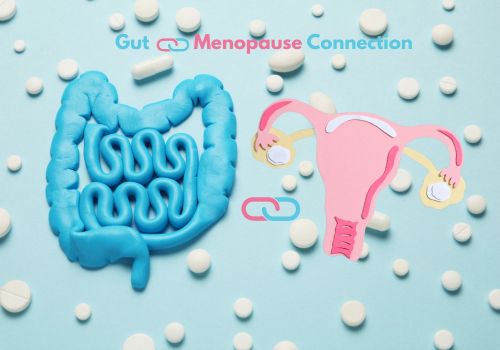
Your gut plays a big role in how your body handles estrogen. (Learn how gut health supports menopause.) This is known as the gut-hormone connection. A group of gut bacteria, called the estrobolome, helps control whether estrogen is reabsorbed or removed from your body.
To understand how probiotics can help, we first need to talk about the estrobolome. This is a collection of gut bacteria that plays a critical role in processing or metabolizing and regulating estrogen levels in your body. Any imbalances could signal underlying issues, like SIBO. These microbes produce an enzyme called beta-glucuronidase, which can reactivate estrogen so it can bind to receptors and influence hormone balance.
As estrogen levels naturally decline during perimenopause and menopause, the balance within your estrobolome can shift. A healthy, diverse estrobolome can help recycle and optimize the remaining estrogen, potentially influencing the severity of symptoms.
However, when your gut is imbalanced, this process can be disrupted. It can lead to inflammation, reduced nutrient absorption, and an imbalance in your estrobolome, potentially exacerbating menopausal discomforts like PMS, weight gain, and mood changes. Probiotics can help restore this delicate balance, fostering a more harmonious internal environment.
The Essential Role of Prebiotics: Fueling Your Good Bacteria
While probiotics introduce beneficial bacteria to your gut, prebiotics are their essential partners. These non-digestible fibers serve as food for your ‘good’ microbes, helping them thrive to improve digestion, boost immunity, and support a healthy microbiome. You can easily find them in common foods like garlic, onions, bananas, leeks, and oats. To see how these gut-healthy habits fit into a larger system, our hormone detox guide explains how to support your liver and clear hormonal ‘clutter’ naturally.
Think of prebiotics as the non-digestible fibers that act as food for your probiotic bacteria (both those from supplements and those naturally residing in your gut). When probiotics are well-fed, they can thrive, multiply, and exert their beneficial effects more efficiently.
Incorporating prebiotic-rich foods into your diet is crucial. Excellent sources include:
- Fruits: Bananas, apples, berries
- Vegetables: Garlic, onions, leeks, asparagus, artichokes, leafy greens
- Whole Grains: Oats, barley
- Legumes: Beans, lentils
- Nuts and Seeds
Many high-quality probiotic supplements are now formulated as “synbiotics,” combining both probiotics and prebiotics to maximize their impact on your gut microbiome. Ensuring you get enough prebiotics, whether from food or supplements, is key to truly nurturing your gut ecosystem.
Hydration and Gut Health During Menopause
Staying well hydrated is essential for digestion, maintaining a healthy gut, and supporting overall well-being during menopause. A sufficient water intake helps break down food, absorb nutrients, and move waste through the digestive tract. Dehydration can worsen common symptoms like constipation and bloating, which many women experience during menopause. To support your digestive health, aim to drink enough water throughout the day. You can also enhance your hydration with mineral water or a hydrogen water bottle, which may offer additional benefits for hydration. If you’re curious about how hydrogen water supports overall wellness, check out our full guide on its potential benefits.
How Probiotics May Alleviate Menopause Symptoms

While not a magic bullet, incorporating the right probiotics might offer support for a range of menopausal challenges:
Hot Flashes and Night Sweats:
Some studies suggest that specific probiotic strains, sometimes in combination with other phytoestrogenic compounds (like those found in red clover), can help reduce the frequency and intensity of vasomotor symptoms. This may be due to their influence on thermoregulation and the gut-brain axis.
Mood Swings, Anxiety, and Sleep Disturbances:
The gut-brain axis is a two-way communication highway between your digestive system and your brain. Hormonal shifts can disrupt this connection, which can lead to anxiety, emotional ups and downs, and interrupted sleep. Supporting your nervous system, for example through practices that calm the vagus nerve, can make a noticeable difference alongside gut support. Probiotics can also influence the production of neurotransmitters like serotonin (often called the “feel-good” hormone) in the gut, which may help improve mood stability and overall resilience.
Vaginal Health and UTIs:
Declining estrogen levels can lead to vaginal dryness, thinning of vaginal tissues (vaginal atrophy), and an increased susceptibility to vaginal and urinary tract infections (UTIs). Certain Lactobacillus strains are crucial for maintaining a healthy acidic vaginal pH, which discourages the growth of harmful bacteria and yeast.
Bone Health:
Estrogen is vital for maintaining bone density. Its decline during menopause increases the risk of osteoporosis. Emerging research indicates that some probiotics, in particular Lactobacillus acidophilus, may enhance calcium absorption and even influence bone mineral density, offering a supportive role in bone health.
Weight Management:
Many women experience weight gain, particularly around the abdomen, during menopause. Hormonal shifts can slow metabolism, increase insulin resistance, and make blood sugar less stable, all of which encourage the body to store more fat, especially around the midsection. A balanced gut microbiome may help regulate metabolism, reduce inflammation, and support healthier fat storage, which is why probiotics and gut-friendly habits can make a meaningful difference over time.
Digestive Comfort:
Hormonal fluctuations during menopause can exacerbate common digestive issues like bloating, constipation, and irregular bowel movements. Probiotics directly support gut motility and reduce inflammation, leading to greater digestive comfort.
What to Look Out For: Choosing the Right Probiotic
Probiotic supplements can help restore this delicate balance, fostering a more harmonious internal environment; however, not all probiotics are created equal. The benefits are highly strain-specific, meaning a particular strain might help with one symptom but not another. Here are some key probiotic strains for menopause to consider and why:
What No One Tells You About Probiotics for Hot Flashes and Mood
| For Hot Flashes and Mood | |
|---|---|
| Probiotic Strain | Key Benefits |
| Lactobacillus rhamnosus GG (LGG®) | Improves digestive issues and supports gut lining integrity, also shows promise in reducing hot flashes and supporting mood |
| HOWARU® L. rhamnosus HN001 | Potentially improves mood swings, reduces hot flashes, and supports immune function |
| Bifidobacterium lactis(e.g., HN019, BB-12) | Strengthens the gut barrier, improves digestion, reduces hot flashes, improves vaginal health, boosts mood & sleep quality |
| Lactobacillus acidophilus(e.g., La-14, NCFM®) | Supports gut health, may aid in estrogen metabolism, and can work synergistically with other strains for overall women’s health |
| Bifidobacterium longum(e.g., Rosell-175) | Particularly noted for its positive effects on mood, stress reduction, and anxiety |
How a Daily Probiotic Routine May Help You Beat Vaginal Infections
| For Vaginal Health | |
|---|---|
| Probiotic Strain | Key Benefits |
| Lactobacillus reuteri(e.g., RC-14®) + Lactobacillus rhamnosus GR-1® | Well-researched for colonizing the vagina; helps inhibit pathogens; supports treatment/prevention of bacterial vaginosis, yeast infections, and UTIs |
| Lactobacillus crispatus | A dominant strain in the vaginal microbiome; associated with optimal vaginal health and microbial balance |
4 Proven Probiotic Strains That Actually Improve Bone Health
| For Bone Health | |
|---|---|
| Probiotic Strain | Key Benefits |
| Lactobacillus rhamnosus LGG® + Lactobacillus reuteri(ATCC PTA 6475) | May prevent bone loss and improve bone density by reducing gut permeability |
| Lactobacillus acidophilus | Shown modest benefits for bone health in emerging research |
Why Most Weight‑Loss Hacks Fail, But Probiotics May Help
| For Weight Management | |
|---|---|
| Probiotic Strain | Key Benefits |
| Lactobacillus gasseri | May reduce abdominal fat; studied in weight management contexts |
| Bifidobacterium animalis | Supports fat metabolism; potential role in managing body weight |
Forms of Probiotics:

Probiotic supplements come in various forms, each with its own benefits:
Capsules: The most common form, often designed with delayed-release coatings to help bacteria survive stomach acid.
Tablets/Pills: Similar to capsules, sometimes chewable versions are available.
Powders: Versatile and can be mixed into water, smoothies, or food. Good for those who have trouble swallowing pills.
Liquids: Ready-to-drink or concentrated drops, often appealing for ease of use.
Chewables/Gummies: A convenient and palatable option, though they may contain sugar and fewer CFUs compared to capsules or powders.
Dietary Probiotics vs. Supplements:

While fermented foods like yogurt, kefir, sauerkraut, and kimchi are fantastic for general gut health and provide beneficial bacteria, probiotic supplements often offer a higher, more concentrated dose of specific, targeted strains that have been clinically studied for particular health benefits. For addressing specific menopause symptoms, a high-quality multi-strain probiotic supplement for women might be more effective due to its controlled dosage and strain specificity.
Other Crucial Considerations:

CFU Count (Colony Forming Units): Look for supplements with at least 10-20 billion CFUs, as this indicates the number of live, active microorganisms in each dose, essential for effective colonization.
Diversity of Strains: A multi-strain probiotic often offers broader benefits.
Prebiotics: Many effective probiotic supplements are “synbiotics,” meaning they also contain prebiotics (fiber compounds that feed the good bacteria) to help the probiotics thrive.
Shelf Stability: Choose products that guarantee potency through their expiry date and don’t require refrigeration if you prefer convenience.
Third-Party Testing: Look for independent certifications (like USP Verified) to ensure purity, potency, and absence of contaminants.
Allergens: Check the ingredient list carefully if you have allergies (e.g., dairy, soy, gluten).
Pros and Cons of Probiotics for Menopause
Probiotics can improve digestion, boost mood, and support overall menopause wellness:
- Natural Support: Offers a complementary, non-hormonal approach to managing symptoms.
- Multi-Symptom Relief: Can potentially address a range of issues from gut health to mood and bone density.
- Improved Gut Health: Directly supports digestion, nutrient absorption, and immune function.
- Enhances Other Therapies: May work synergistically with dietary changes or other treatments.
- Generally Safe: Most side effects are mild and temporary.
Some may experience mild digestive discomfort when first starting probiotics:
- Initial Digestive Discomfort / “Die-Off” Reaction: Some individuals may experience temporary gas, bloating, mild digestive upset, or even a temporary worsening of symptoms (known as a “die-off” or Herxheimer reaction) when first starting probiotics. This occurs as beneficial bacteria proliferate and potentially harmful ones are eliminated, and typically subsides within a few days to a couple of weeks as your gut adjusts.
- Strain Specificity: Finding the right strain for your specific symptoms may require some trial and error.
- Cost: Quality probiotic supplements can be an investment.
- Risk for Immunocompromised Individuals: In very rare cases, individuals with severely weakened immune systems should exercise caution and consult a doctor before taking probiotics due to a theoretical risk of infection.
- Amines in Fermented Foods: Some fermented foods contain biogenic amines (like histamine), which can trigger headaches in sensitive individuals. If this occurs, a supplement might be a better choice.
Practical Tips for Taking Probiotics

To get the most out of your probiotic supplement, consider these practical tips:
Follow Bottle Instructions for Timing:
Some probiotics are best taken on an empty stomach (e.g., 30 minutes before a meal or 2 hours after) to minimize exposure to stomach acid, while others are designed to be taken with food (especially those containing some fat) to help the bacteria survive the digestive tract. Always check the product label for specific guidance.
Patience and Consistency are Key:
Probiotics are not a quick fix. It can take weeks to even a few months of consistent daily use to notice significant changes in symptoms or overall well-being. Don’t get discouraged if you don’t see immediate results. Benefits often diminish if you stop taking them regularly.
Interaction with Medications:
If you are taking any medications, particularly antibiotics or immunosuppressants, it’s crucial to consult your doctor. If taking antibiotics, space your probiotic dose at least 2-3 hours apart from the antibiotic. Continuing probiotics for a few weeks after finishing an antibiotic course can also help restore your gut flora.
Proper Storage:
Check the product’s label for specific storage instructions. While many probiotics are now shelf-stable, some still require refrigeration to maintain their potency and ensure the live cultures remain viable until their expiry date.
Individual Response Varies:
Remember that everyone’s microbiome is unique, and responses to probiotics can vary significantly. What works wonderfully for one person might have minimal effect on another. This reinforces the need for patience and potentially trying different strains if initial results aren’t seen, always under the guidance of a healthcare professional.
How to Tell if Your Probiotics Are Working: Signs of Progress
When you start taking probiotics, patience is key! Significant changes can take weeks to a few months. However, several signs indicate your probiotics might be starting to make a positive impact:
Improved Digestive Comfort: This is often the first noticeable change. Look for less bloating, reduced gas, fewer instances of constipation or diarrhea, and more regular, comfortable bowel movements.
Enhanced Mood and Mental Clarity: Given the strong gut-brain axis, you might experience a subtle lift in mood, reduced feelings of anxiety, and less brain fog.
Better Sleep Quality: As gut health influences neurotransmitter production, some women report improvements in sleep patterns and feeling more rested.
Healthier Skin: For some, a balanced gut can lead to clearer skin, reduced inflammatory skin conditions, and a more radiant complexion.
Stronger Immune System: You might find yourself getting sick less often or recovering more quickly from common colds, as a healthy gut supports robust immune function.
Subtle Symptom Reduction: If you’re taking probiotics for specific menopausal symptoms like hot flashes, you might notice a gradual decrease in their frequency or intensity.
It’s highly recommended to keep a symptom journal when you start a new probiotic. Note down your daily symptoms (digestive, mood, sleep, hot flashes, etc.) and their severity. This can help you objectively track changes and determine if the probiotic is truly beneficial for you. Remember that initial mild digestive discomfort (like temporary gas or bloating) can sometimes occur as your gut adjusts, but this should subside within a week or two. If discomfort persists or worsens, consult your healthcare professional.
Beyond Probiotics: Supporting Your Gut and Detoxification During Menopause
While probiotics introduce beneficial bacteria, a holistic approach is key to supporting your gut and your body’s natural detoxification processes during menopause. Think of “detox” not as a harsh cleanse, but as nurturing your body’s innate ability to eliminate waste and maintain balance.
Fiber-Rich Diet

Fiber acts as a prebiotic, feeding your good gut bacteria. Focus on diverse plant foods: whole grains, legumes, fruits, and a wide variety of vegetables (especially leafy greens, cruciferous vegetables like broccoli and cauliflower). Fiber also aids regular bowel movements, crucial for toxin elimination.
Hydration:
Drink plenty of filtered water throughout the day. Water is essential for all bodily functions, including flushing toxins through the kidneys and supporting healthy digestion.
Fermented Foods:
Incorporate probiotic-rich foods naturally into your diet like unsweetened yogurt, kefir, sauerkraut, kimchi, miso, and kombucha. These provide a diverse array of beneficial microbes.
Support Liver Function:
Your liver is your primary detoxification organ. Support it with nutrient-dense foods:
- Cruciferous Vegetables: Broccoli, Brussels sprouts, cabbage, and kale contain compounds that support liver detoxification pathways.
- Antioxidant-Rich Foods: Berries, dark chocolate, green tea, and colorful fruits and vegetables help protect liver cells from damage.
- Bitter Foods: Foods like arugula, dandelion greens, and citrus peel can stimulate bile production, aiding in fat digestion and toxin elimination.
Reduce Toxin Exposure:
Minimize your exposure to environmental toxins by:
- Prioritizing Sleep: Adequate sleep is vital for cellular repair and detoxification processes.
- Stress Management: Chronic stress can negatively impact gut health. Incorporate stress-reducing practices like meditation, yoga, deep breathing, or spending time in nature.
- Regular Physical Activity: Exercise helps stimulate lymphatic flow, aid digestion, and promote sweating, all of which contribute to detoxification.
Probiotics and Fasting: Supporting Gut Health
During periods of fasting, particularly intermittent fasting, probiotics may offer supportive benefits for gut health. While fasting itself can positively influence the gut microbiome by promoting diversity and beneficial bacterial growth, introducing specific probiotic strains could potentially enhance these effects by further modulating gut barrier integrity and supporting a balanced microbial environment.
However, it is crucial to be mindful of the type of probiotic. Calorie-containing fermented foods like yogurt or kefir would break a fast, so if maintaining a strict fast is the goal, calorie-free probiotic supplements are the preferred option. Always consult a healthcare professional to determine the most suitable probiotic strains and ensure their use aligns with your individual health goals and fasting regimen, as research on their combined effects is still developing.
The Takeaway
Menopause is a unique journey for every woman, and supporting your gut health with probiotics can be a powerful piece of your wellness puzzle. By nurturing your microbiome, you’re not just aiding digestion; you’re potentially influencing hormone balance, mood, bone health, and overall vitality during this significant life stage.
Remember, the world of probiotics is vast, and what works for one person may not work for another. Always consult with a healthcare professional before starting any new1 supplement regimen, especially if you have underlying health conditions or are taking medications. They can help you determine the best approach for your individual needs and2 guide you toward a more comfortable and vibrant menopause.