Ginkgo Biloba for Menopause Symptoms: A Comprehensive Guide

Menopause is a time of significant change, and it’s common for women to experience a range of physical and emotional symptoms, including hot flashes, mood swings, memory issues, and sleep disturbances. With the growing interest in natural remedies, Ginkgo Biloba has gained attention as a potential herb that could help alleviate some of these symptoms.
Ginkgo Biloba is one of the oldest living tree species and has been used for centuries in traditional medicine, particularly for improving cognitive function and circulation.
Many women experience menopause less like “just hormones” and more like a nervous system that suddenly becomes overstimulated, emotionally reactive, and mentally exhausted.
So, how does this ancient herb work during menopause? In this comprehensive guide, we’ll dive into what Ginkgo Biloba is, how it works, its potential benefits for menopause, possible side effects, and important things to consider before incorporating it into your wellness routine.
What Is Ginkgo Biloba?

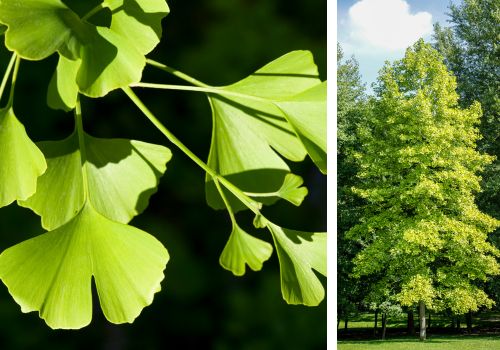
Ginkgo Biloba is a unique tree species native to China, known for its distinctive fan-shaped leaves. It’s often referred to as the “living fossil” because it has been around for over 200 million years and is the last remaining member of a group of ancient plants.
While the tree itself is remarkable, it’s the leaves that are used for medicinal purposes. The active compounds in Ginkgo Biloba, primarily flavonoids and terpenoids, are believed to improve blood circulation, enhance cognitive function, and reduce inflammation.
Ginkgo Biloba has been widely studied for its effects on memory and brain health, but it also has a broader range of potential benefits, particularly for women going through menopause. By improving circulation and supporting brain function, Ginkgo may help alleviate some of the cognitive and physical challenges that arise during this life stage.
Where Does Ginkgo Biloba Grow?
In today’s world of constant notifications, multitasking, stress, and information overload, many women look for ways to support both their nervous system and mental clarity during menopause.
Ginkgo Biloba is native to China but is now widely cultivated around the world, including in the United States and Europe. The tree thrives in temperate climates and is known for its ability to adapt to a variety of soil types, making it resilient in both urban and rural environments.
Ginkgo trees are quite large, growing up to 100 feet in height, and are well-known for their unique, fan-shaped leaves that turn a striking yellow in the fall.
Ginkgo trees have been used in traditional Chinese medicine for thousands of years, but it was only in the 20th century that the leaves gained popularity for their potential health benefits, particularly for improving mental clarity and circulation.
How Does Ginkgo Biloba Work for Menopause?
Ginkgo Biloba is thought to work in a number of ways that may benefit women during menopause:
1. Cognitive Support:

Many women describe menopause as feeling like their brain has “too many tabs open at once”, where brain fog, stress, emotional overload, forgetfulness, and racing thoughts all pile up together. One of the most well-known benefits of Ginkgo Biloba is its ability to support cognitive function.
As estrogen levels drop during menopause, some women experience memory lapses, difficulty concentrating, and brain fog.
Ginkgo has been shown to improve blood flow to the brain, which may help enhance mental clarity and memory. By increasing circulation and oxygen delivery to brain cells, Ginkgo Biloba may alleviate some of the cognitive difficulties associated with menopause.
2. Mood and Anxiety:
Menopause often brings about significant mood swings, irritability, and even anxiety or depression. Ginkgo Biloba has been studied for its ability to improve mood and reduce symptoms of anxiety.
It may help by supporting the circulation of neurotransmitters in the brain, such as serotonin and dopamine, which play a key role in mood regulation. Some studies suggest that Ginkgo’s antioxidant and anti-inflammatory properties can also help reduce the impact of stress and support emotional well-being.
Calming practices like autogenic training may also help quiet racing thoughts and support emotional balance during menopause.
3. Hot Flashes:

Hot flashes are one of the hallmark symptoms of menopause. While there is no conclusive evidence that Ginkgo directly reduces hot flashes, its circulatory benefits could potentially help alleviate some of the discomfort.
By improving circulation and oxygen delivery throughout the body, Ginkgo Biloba may help regulate body temperature and ease the intensity of hot flashes.
4. Sleep Disturbances:
Many women going through menopause experience sleep disruptions, whether due to hot flashes, anxiety, or general discomfort. Ginkgo’s ability to improve blood circulation and reduce stress may help promote relaxation and support better sleep quality.
While Ginkgo isn’t typically classified as a sedative, its effects on anxiety and overall mental clarity could lead to better sleep over time. The nervous system also plays a major role in how well the body can relax and recover. This guide explains more about the connection between menopause and the vagus nerve.
You can also combine calming practices like breathwork with nervous-system-supportive habits to help the body shift into a calmer state before sleep.
5. Improved Circulation:
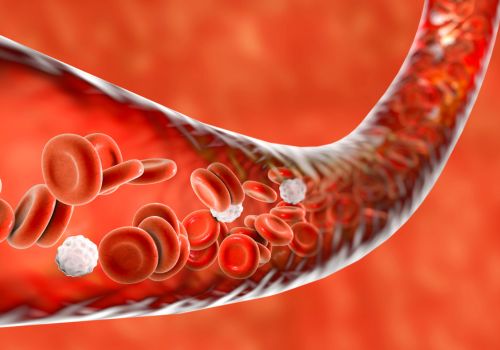
As a powerful circulatory booster, Ginkgo Biloba helps dilate blood vessels and improve blood flow, particularly to the brain and extremities.
This can be particularly beneficial for women experiencing cold hands and feet or other circulatory issues during menopause. Improved circulation also supports heart health, which becomes increasingly important as women age.
6. Reduced Risk of Osteoporosis:
Although Ginkgo is not a primary treatment for bone health, some research suggests that its ability to improve blood flow might support the delivery of essential nutrients to bones. This could have a secondary benefit in reducing the risk of osteoporosis, a condition that can develop due to decreased estrogen levels during menopause.
Potential Benefits of Ginkgo Biloba for Menopause Symptoms
Ginkgo Biloba offers a range of benefits that may help alleviate common menopause symptoms. Here’s a breakdown of its most significant potential benefits:
1. Relieving Brain Fog and Memory Issues:

The cognitive decline that can accompany menopause is often described as “brain fog,” where concentration, memory, and mental clarity suddenly feel less reliable than before.
Ginkgo Biloba is known to support cognitive function and memory, potentially improving focus, clarity, and recall. This is especially important as estrogen loss during menopause can affect brain function and lead to lapses in memory.
2. Managing Mood Swings and Anxiety:

Ginkgo’s ability to regulate neurotransmitters like serotonin and dopamine may help reduce symptoms of anxiety and depression, both of which can worsen during menopause. By improving mood stability, Ginkgo may support emotional balance and reduce irritability.
3. Reducing Hot Flashes:
Although not a primary treatment for hot flashes, Ginkgo’s circulatory benefits may help reduce the frequency and intensity of hot flashes by promoting better blood flow and regulating temperature.
4. Better Sleep:
By improving circulation and reducing anxiety, Ginkgo may contribute to better sleep quality, which is often disrupted during menopause. Sometimes it’s not just physical tiredness, but the feeling that your mind never fully slows down enough to truly rest.
While it may not be a cure-all, incorporating Ginkgo into your routine could help you get more restful sleep.
5. Supporting Heart Health:

Ginkgo Biloba’s ability to improve circulation and blood flow can also benefit heart health, which is an important consideration during menopause, as women are at an increased risk of cardiovascular disease after estrogen levels decline.
6. Easing Menopausal Discomfort:
Some women report a reduction in the overall discomfort of menopause symptoms, such as joint pain or headaches, after using Ginkgo Biloba. Its anti-inflammatory properties could potentially help with such issues, though more research is needed in this area.
Possible Side Effects of Ginkgo Biloba

While Ginkgo Biloba is generally considered safe for most people when taken in moderate amounts, it’s important to be aware of possible side effects. Here are some things to keep in mind:
1. Gastrointestinal Upset:
Some individuals may experience mild digestive upset, such as nausea, upset stomach, or diarrhea. This is usually mild and tends to subside after a few days of use.
2. Headaches and Dizziness:
Occasionally, Ginkgo may cause headaches or dizziness, especially when taken in high doses. If you experience any of these symptoms, reducing your dosage may help.
3. Allergic Reactions:
Though rare, some people may be allergic to Ginkgo Biloba. If you notice symptoms such as rash, itching, or swelling, stop using the supplement and consult a healthcare provider.
4. Increased Bleeding Risk:
Ginkgo can have a blood-thinning effect, which may increase the risk of bleeding, particularly when taken alongside anticoagulant or antiplatelet medications (such as aspirin, warfarin, or clopidogrel). If you’re on blood thinners or have a bleeding disorder, it’s crucial to consult with your doctor before using Ginkgo Biloba.
5. Drug Interactions:
Ginkgo Biloba may interact with certain medications, especially those related to blood circulation, including antidepressants, antianxiety medications (Prozac, Zoloft), and blood pressure medications. Always consult your healthcare provider before starting Ginkgo if you are on any prescription medications.
How to Use Ginkgo Biloba for Menopause Symptoms
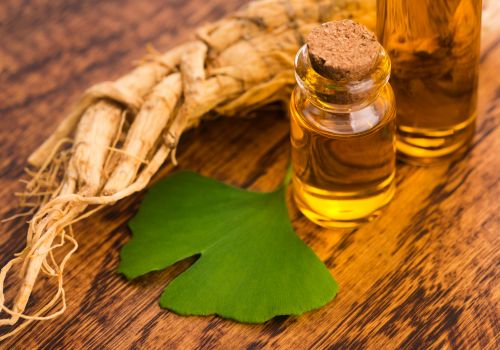
Ginkgo Biloba is available in several forms, including capsules, tablets, liquid extracts, and teas. Here’s how you can incorporate it into your routine:
1. Ginkgo Capsules or Tablets:
The most common way to take Ginkgo Biloba is in capsule or tablet form. A typical dose is 120–240 mg per day, divided into two or three doses. Follow the manufacturer’s instructions and consult your doctor for personalized guidance.
2. Ginkgo Liquid Extract:
If you prefer liquid extracts, Ginkgo Biloba tinctures are available. The standard dosage is typically 15–30 drops, taken 2-3 times per day. Be sure to dilute the tincture in water or juice to make it more palatable.
3. Ginkgo Tea:
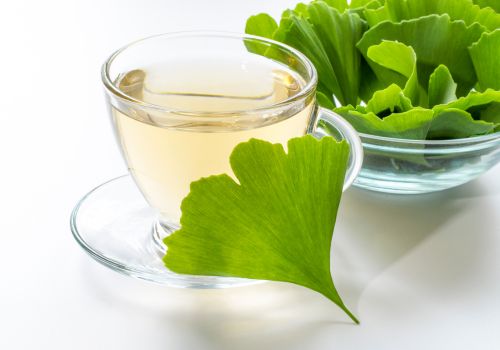
Some herbal teas contain Ginkgo Biloba, often combined with other herbs for additional benefits. While the concentration in tea may be lower than in capsules or extracts, it can still offer a gentle way to enjoy the benefits of Ginkgo.
Final Thoughts: Is Ginkgo Biloba Right for You?
Ginkgo Biloba may offer significant benefits for women navigating the ups and downs of menopause. From enhancing cognitive function and improving mood to supporting circulation and heart health, this ancient herb can help alleviate many common symptoms associated with menopause.
As with any supplement, it’s important to consult with your healthcare provider, especially if you’re on medications or have a pre-existing health condition. If you’re looking for a natural way to support your brain health, reduce anxiety, and improve circulation during menopause, Ginkgo Biloba could be a great addition to your wellness routine.