Cannabis and Menopause: The New ‘Wonder Herb’ for Women?
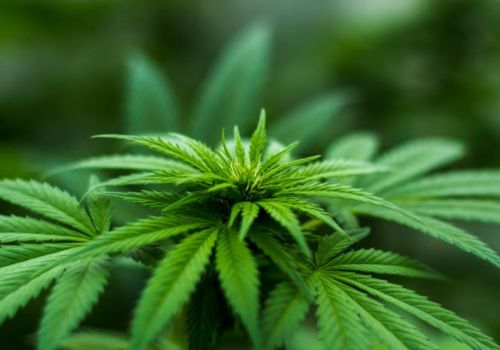
So, let’s talk about something that’s been getting a lot of attention recently, especially among women navigating menopause: cannabis. Whether it’s the form of CBD oil or THC-infused edibles, cannabis seems to be stepping into the spotlight as a potential remedy for various menopause symptoms. But is it just another passing wellness trend, or could this plant have something more to offer when it comes to managing menopause?
Here’s a deep dive into why cannabis and menopause are getting so much buzz, how it may help, and what you should know before considering it. Spoiler alert: It’s not just about getting “high.”
What Is Cannabis?

Cannabis is a plant that has been used for centuries for medicinal, recreational, and industrial purposes. It contains cannabinoids, which are compounds that interact with the body’s endocannabinoid system (ECS), influencing various physiological processes like mood, appetite, pain sensation, and more — similar to how your nervous system regulates stress and balance.
CBD (cannabidiol) and THC (tetrahydrocannabinol) are the two most well-known cannabinoids.
CBD – Cannabidiol
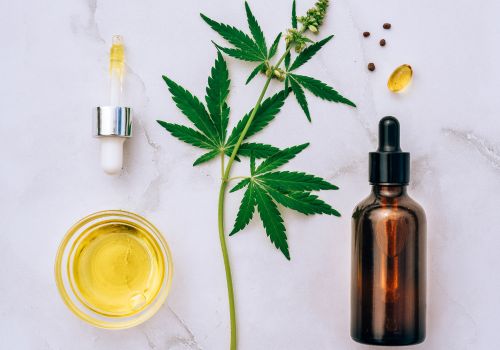
CBD, or cannabidiol, is a natural compound extracted from the hemp plant that has gained popularity for its potential health benefits, particularly among women over 40. Unlike THC, CBD is non-psychoactive, meaning it won’t produce a “high.”
As an alternative approach for menopause symptoms, CBD may help alleviate issues like anxiety, insomnia, and chronic pain, offering relief from the physical and emotional challenges of menopause.
Studies suggest that CBD’s anti-inflammatory and calming properties can promote better sleep and relaxation, supporting overall wellness during this life transition. Always consult your healthcare provider before incorporating CBD into your routine to ensure it’s safe and effective for you.
THC – Tetrahydrocannabinol
Tetrahydrocannabinol (THC), is the psychoactive compound found in cannabis that is known for its ability to produce a “high.” It´s mainly found in the trichomes of the cannabis plant, which are small glandular structures on the buds, leaves, and stems.
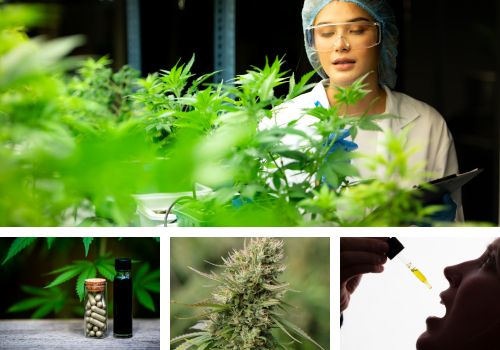
The highest concentration of THC is in the female cannabis flowers, particularly the buds, which are harvested for medicinal and recreational purposes.
While THC is often associated with recreational use, it also holds potential benefits for women over 40 dealing with menopause symptoms. Some studies suggest that THC may help alleviate pain, reduce anxiety, and improve sleep quality, which are common challenges during menopause. By interacting with the body’s endocannabinoid system, THC may also provide relief from muscle and joint discomfort.
However, it’s important to use THC with caution and consult with a healthcare professional to determine if it’s the right choice for your menopause symptom management.
Can Cannabis Help With Menopause Symptoms?
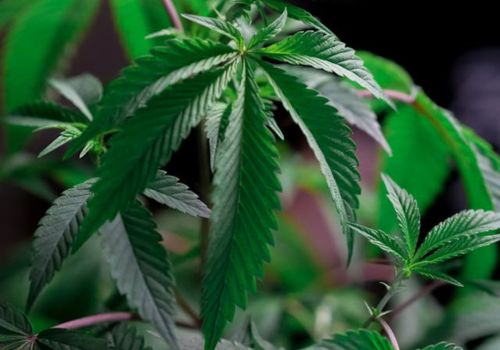
As women over 40, navigating the physical and emotional changes of menopause can be challenging. Many women are turning to natural remedies, and one option gaining popularity is cannabis.
With its potential to alleviate various menopause symptoms, cannabis may offer a much-needed relief for those seeking alternatives to traditional treatments. But does cannabis really help with menopause symptoms? Let’s explore how this plant-based solution might support women during this transformative stage of life.
1. CBD and Hot Flashes: A Natural Remedy for Menopause Relief

Hot flashes, are one of the most common and uncomfortable symptoms of menopause, affecting many women over 40. They feel like your body is a pressure cooker ready to explode at any time. CBD (cannabidiol), a natural compound from the hemp plant, may offer relief from these sudden, intense sensations of heat.
Research suggests that CBD has anti-inflammatory properties and could have a calming effect on the central nervous system, which can help regulate the body’s temperature and reduce the frequency and intensity of hot flashes.
By interacting with the body’s endocannabinoid system, CBD may help restore balance and ease menopausal discomfort. If you’re seeking a natural, non-psychoactive solution to manage hot flashes, CBD could be a beneficial option to consider. Always consult with your healthcare provider before introducing CBD into your routine.
2. Sleep Better with Cannabis
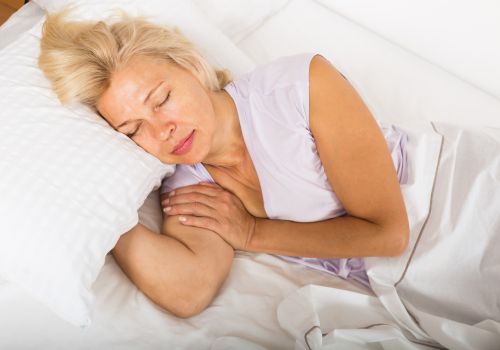
Sleep disturbances are common during menopause, with night sweats and anxiety often interfering with your ability to get a solid night’s rest. While THC is known for its sedative effects, it may also help you fall asleep faster and stay asleep longer. CBD, while less sedating, can promote relaxation, making it easier to drift off.
3. How Cannabis Can Help with Stress and Anxiety
Menopause can bring about increased stress and anxiety, which can make the transition even more challenging for women over 40. Cannabis, particularly CBD and THC, may offer a natural way to manage these emotional symptoms.

CBD has calming properties that may help reduce stress and promote relaxation without the “high” associated with THC. It could help women manage mood swings, irritability, and anxiety during menopause.
On the other hand, THC can provide relief from anxiety by interacting with the brain’s receptors, promoting a sense of calm and well-being. Both compounds work with the body’s endocannabinoid system to restore balance, potentially easing anxiety and stress. If you’re considering cannabis as a natural solution, it’s important to consult with your healthcare provider to find the right approach for you.
4. Relieving Pain and Discomfort

As we age, joint pain, muscle aches, and other discomforts can worsen during menopause. Both CBD and THC are known for their anti-inflammatory properties. They may help reduce pain and inflammation, offering relief from those aches and pains that seem to crop up out of nowhere.
Whether it’s a stiff back, sore knees, or just the general discomfort of everyday life, cannabis could potentially help make movement feel a little more comfortable.
How to Use Cannabis for Menopause Symptoms?
How do you incorporate cannabis into your menopause relief plan? Let’s take a look at some popular options:
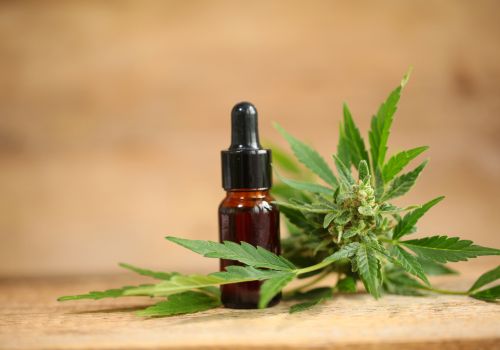
CBD Oil – A popular choice for women looking to ease anxiety, reduce hot flashes, or improve sleep. You can take it sublingually (under the tongue), in capsules, or even mix it into your favorite food or beverage.
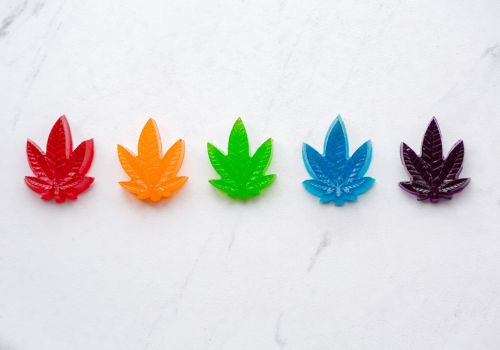
THC Edibles – For those dealing with more intense sleep disruptions or pain, THC-infused edibles might be the way to go. However, keep in mind that THC can be psychoactive, so it’s best to start with a low dose to see how it affects you.
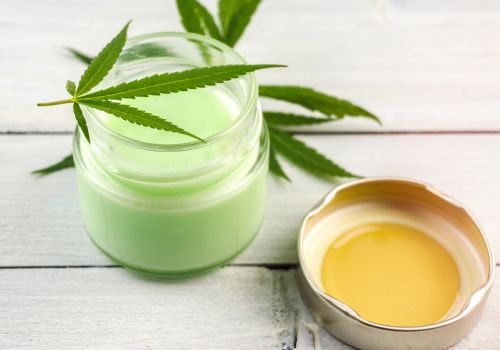
CBD Topical Creams – If joint pain or muscle aches are a major issue, cannabis-infused topical creams or balms can be applied directly to the skin for targeted relief.
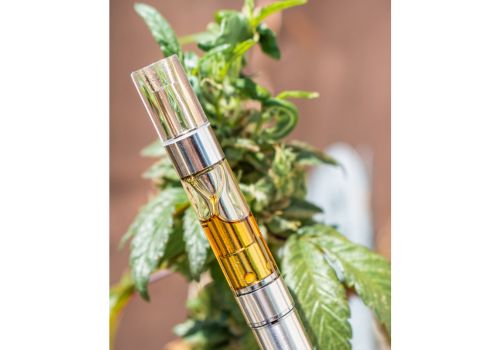
Vaping or Smoking – Although vaping or smoking cannabis can provide quick relief for certain symptoms (like pain or anxiety), it’s not always recommended due to potential long-term lung effects.
Can Everyone Use Cannabis for Menopause Symptoms?
No, not everyone is a candidate for cannabis use, especially in countries where cannabis is still illegal. Before incorporating cannabis into your routine, be sure to check your local laws and consult with a professional healthcare provider, especially if you have existing medical conditions or are taking medications.
Some contraindications include:
- Pregnancy or breastfeeding: Cannabis is not recommended during pregnancy or while breastfeeding.
- Liver or kidney issues: Cannabis may affect the metabolism of certain medications, so those with liver or kidney problems should approach cannabis with caution.
- Mental health concerns: Women with a history of anxiety, depression, or other mental health conditions may need to be cautious with THC, as it could exacerbate symptoms.
Where Can You Find a Cannabis Therapist?
In regions where cannabis is legal, finding a qualified cannabis therapist can be as easy as a quick Google search. Look for professionals who specialize in medical cannabis use, especially those experienced with menopause. They can help guide you through the various options available, from CBD oils to THC edibles, and help determine what might work best for your unique symptoms.
If cannabis isn’t an option in your area, or you’re not comfortable with it, you can explore natural remedies or work with a health professional experienced in menopause care.
Pros and Cons of Using Cannabis for Menopause
Like anything, using cannabis during menopause comes with its pros and cons. Let’s weigh them out:
Pros:
- Can help with anxiety, stress, and mood swings.
- May alleviate hot flashes and improve sleep.
- Reduces joint pain and muscle aches.
- Non-addictive (CBD) and relatively safe when used properly.
Cons:
- Legality: Cannabis is still illegal in some countries, so it’s important to check local laws.
- Side Effects: THC can cause psychoactive effects (e.g., feeling “high”), dizziness, or a dry mouth.
- Interactions with Medications: Cannabis can interact with certain medications, especially those that affect the liver, so always consult your doctor.
Conclusion:
Cannabis is gaining popularity as a potential remedy for many menopause symptoms, and for good reason. Whether it’s CBD to help you relax or THC for better sleep, this plant-based remedy shows promise for alleviating common menopause discomforts.
Important!
However, it’s important to consult a healthcare professional before incorporating cannabis into your menopause wellness routine, especially if you have other health conditions or take medications.
Be Aware!!
In some countries, Cannabis (with or without THC) is still not legal. Always check the laws in your country or countries you visit before you purchase or travel.
As with all remedies, what works for one woman may not work for another, so always approach with care and make sure it’s legal and safe for you.