Black Cohosh for Menopause Symptoms: A Comprehensive Guide
Menopause is a natural part of life, and the many changes your body goes through in midlife, like hot flashes, night sweats, and mood swings, can feel anything but natural. Many women are turning to herbal remedies to manage these symptoms, and black cohosh is one of the most well-known herbs in this category.
With a long history in traditional medicine, black cohosh is often recommended for menopause relief. But does it really work? And is it safe to use? In this comprehensive guide, we’ll explore everything you need to know about black cohosh, its potential benefits, side effects, and how it might help you manage menopause symptoms.
What Is Black Cohosh?
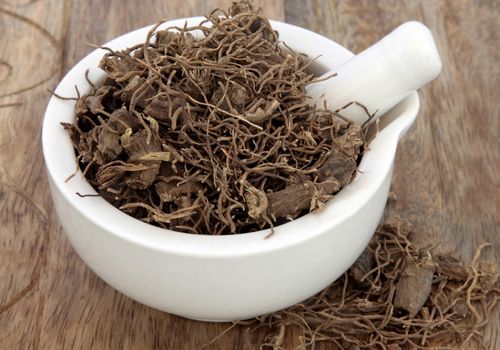
Black cohosh (Actaea racemosa), also known as Cimicifuga racemosa, is a perennial plant native to North America. It has been used for centuries in traditional herbal medicine, particularly by Native American communities, for various ailments, including menopausal symptoms. The plant’s root is the part typically used for medicinal purposes and is available in various forms such as tablets, capsules, tinctures, and teas.
The herb is especially popular for its potential to alleviate common menopause symptoms like hot flashes, mood swings, and sleep disturbances. Though it doesn’t contain estrogen, black cohosh is believed to support hormonal balance and naturally alleviate menopausal discomforts.
Where Does Black Cohosh Grow?
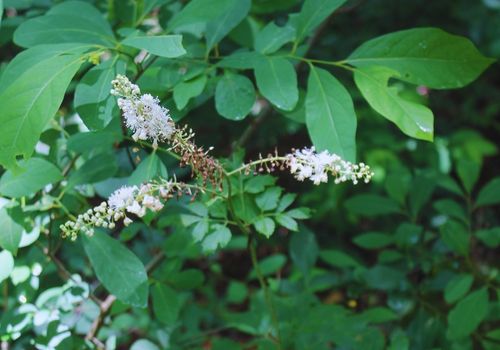
Black cohosh thrives in temperate climates and is commonly found in the wild across North America, especially in areas of the eastern United States. It grows in shady woodland environments and produces clusters of small white flowers in late spring and early summer.
Although black cohosh grows naturally, it is also cultivated for commercial use, particularly for the production of supplements. The root of the plant is harvested for its beneficial compounds, which are then processed into various forms for herbal remedies.
How Does Black Cohosh Work for Menopause?
While researchers are still exploring exactly how black cohosh works in the body, there are several theories based on its chemical composition and how it interacts with the body’s systems:
1. Phytoestrogenic Effects:
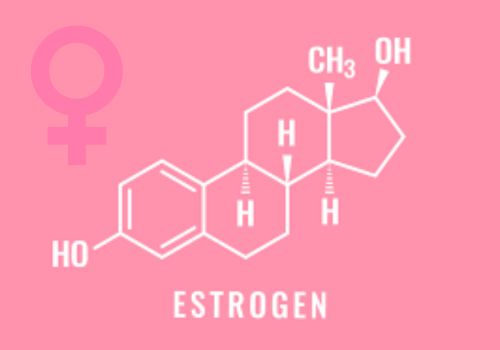
Black cohosh is often thought to work by mimicking the effects of estrogen in the body, even though it doesn’t contain estrogen itself. It may bind to estrogen receptors and influence hormonal balance, which can help manage symptoms of menopause. However, unlike hormone replacement therapy (HRT), black cohosh’s effects are milder and not as direct.
2. Modulating the Nervous System:
Some studies suggest that black cohosh may interact with neurotransmitters in the brain, particularly serotonin. This could help regulate mood and reduce symptoms like anxiety and depression, which are common during menopause due to hormonal changes.
3. Supporting the Endocrine System:
There is evidence that black cohosh may support the endocrine system, which is responsible for hormone production. By helping balance hormone levels, black cohosh may alleviate symptoms like hot flashes, night sweats, and irregular periods.
4. Anti-Inflammatory and Antioxidant Properties:
Black cohosh contains compounds that have anti-inflammatory and antioxidant effects, which could help reduce inflammation and oxidative stress in the body. This may support overall health and protect cells from damage, which is particularly important as we age.
Potential Benefits of Black Cohosh for Menopause Symptoms
Black cohosh has gained popularity because of its potential to help ease the discomforts associated with menopause, especially hot flashes. Here’s a closer look at the specific benefits you might experience:
1. Hot Flashes and Night Sweats:

One of the most common uses of black cohosh is to help manage symptoms like hot flashes and night sweats—two of the most bothersome symptoms of menopause. Several studies suggest that black cohosh may reduce the frequency and severity of these episodes by influencing estrogen receptors and stabilizing hormone levels.
2. Mood Support:
Menopause often brings mood swings, irritability, and even depression. Black cohosh may help improve mood by influencing serotonin levels in the brain, promoting a more stable emotional state. Some women report feeling less anxious or irritable after taking black cohosh regularly.
3. Improved Sleep:

Due to its calming effects, black cohosh may help improve sleep quality. It can be particularly useful for women experiencing insomnia due to hormonal changes, hot flashes, or anxiety. By reducing these issues, black cohosh may help you get more restful and uninterrupted sleep.
4. Reduced Menstrual Discomfort:
While black cohosh is often used during menopause, it may also help alleviate symptoms in the years leading up to menopause (perimenopause). Some women use it to manage menstrual discomfort, including cramps, heavy bleeding, and irregular cycles.
5. Bone Health Support:
Although more research is needed, there is some evidence that black cohosh may support bone health during menopause by reducing bone loss associated with decreased estrogen levels. This could potentially lower the risk of osteoporosis, a concern for many women as they age.
Possible Side Effects of Black Cohosh
Black cohosh is generally considered safe for most women, but, like any supplement, it can cause side effects. Here’s what you need to be aware of:
1. Gastrointestinal Issues:
Some people may experience mild stomach upset, nausea, or bloating when taking black cohosh. If you have a sensitive stomach, it’s recommended to take the supplement with food to help reduce any potential digestive discomfort.
2. Headaches or Dizziness:
In some cases, black cohosh may cause headaches, dizziness, or lightheadedness. If you experience these symptoms, you might want to lower the dosage or discontinue use and consult your healthcare provider.
3. Liver Concerns:
There have been some reports of liver toxicity associated with black cohosh, though these cases are rare. If you have a history of liver disease or are taking medications that affect liver function, it’s important to consult your doctor before using black cohosh.
4. Allergic Reactions:
Though uncommon, some individuals may experience allergic reactions to black cohosh, such as rash, itching, or difficulty breathing. If you have known allergies to plants in the Ranunculaceae family (such as buttercups or crowfoot), you should avoid black cohosh.
5. Hormonal Sensitivity:
While black cohosh is not a source of estrogen, it does affect estrogen receptors in the body. Women with hormone-sensitive conditions, such as breast cancer or uterine cancer, should consult their healthcare provider before using black cohosh, as it may affect estrogen-sensitive tissues.
Important Considerations: Interactions with Medications, Herbs, or Supplements

Before using black cohosh, it’s important to be aware of potential interactions with other medications or supplements:
1. Hormonal Medications:
If you’re taking hormone replacement therapy (HRT) or other hormonal treatments, such as birth control, combining them with black cohosh might lead to an additive effect on hormone levels. Always consult with your healthcare provider to avoid any potential issues.
2. Blood Pressure Medications:
Black cohosh may have a mild blood pressure-lowering effect, so if you’re on medications for hypertension, it’s important to monitor your blood pressure closely. Consult your doctor to ensure no adverse interactions.
3. Sedatives or Sleep Medications:
Because black cohosh can have calming effects, it may enhance the sedative properties of sleep medications or tranquilizers. If you’re taking these kinds of medications, it’s best to check with your doctor before using black cohosh.
4. Liver-Acting Drugs:
As black cohosh can affect liver function, it’s important to avoid combining it with medications that are metabolized in the liver or that affect liver enzymes. This includes certain antidepressants, painkillers, and statins.
How to Use Black Cohosh for Menopause Symptoms
Black cohosh is available in several forms, including capsules, tablets, tinctures, and teas. Here’s a breakdown of how to use each:
1. Capsules or Tablets:

Black cohosh supplements: A typical dose ranges from 20–80 mg per day, depending on the formulation. It’s best to follow the dosage instructions provided by the manufacturer or your healthcare provider.
2. Tinctures:
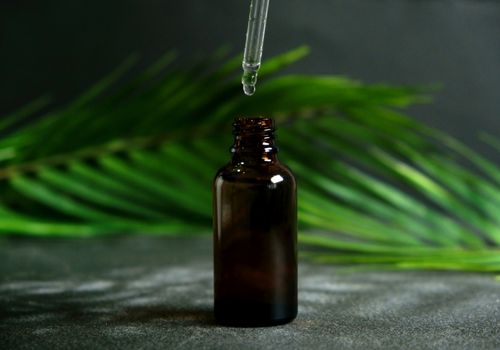
Black cohosh tinctures are liquid extracts that can be taken with water or another beverage. The recommended dosage can vary, but typically ranges from 1–2 milliliters per day. Tinctures are absorbed quickly and are a good option for those who prefer liquid extracts.
3. Teas:
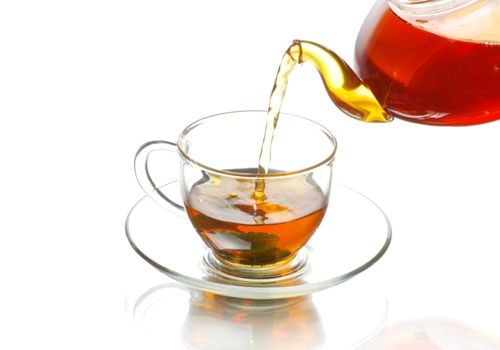
Black cohosh is also available as a tea, though this form is less common and might not offer the same concentrated dosage as supplements. If you enjoy herbal teas, you can try brewing black cohosh root for a soothing drink, though be aware that the taste may be quite bitter.
Final Thoughts: Is Black Cohosh Right for You?
Black cohosh has been used for centuries to alleviate symptoms of menopause, and there is growing evidence to support its effectiveness, particularly for hot flashes, mood swings, and sleep issues.
While it’s generally considered safe for most women, it’s important to talk to your healthcare provider before starting black cohosh—especially if you have pre-existing medical conditions, are taking other medications, or are concerned about possible interactions.
If you’re looking for a natural remedy for menopause symptoms, black cohosh may offer significant relief from common issues such as hot flashes, night sweats, and mood swings. However, individual responses can vary, and the benefits may depend on your specific health needs.
Always seek professional guidance when exploring menopause treatments to ensure safety and effectiveness. Remember, herbal supplements for menopause should complement a balanced lifestyle and not replace medical care.